
Families across Monterey, San Benito, and Santa Cruz counties are increasingly choosing to support their loved ones at home. The way we approach home-based medical care is changing. New technologies and a better understanding of what families need are driving these shifts.
As we look toward 2026, staying informed about these trends is crucial. It helps you make confident decisions for your family. This article outlines six key home care trends Central Coast families should watch.
Understanding these developments will empower you to plan more effectively. This is true whether you are considering home health nursing, palliative support, or hospice care. Each trend offers new ways to improve quality of life, enhance safety, and ensure compassionate care.
1. More Seniors Want to Stay Home
One of the most significant trends is the strong desire for seniors to age in place. Nearly 90% of adults over 65 say they want to stay in their own homes as they get older. This means more families in Monterey, Salinas, and Hollister are looking for in-home options.
Home health care provides clinical support right where seniors feel most comfortable. This approach avoids the disruption of moving to a facility. It allows them to maintain independence while receiving the medical attention they need from skilled professionals.
How This Benefits Central Coast Families
For families in our community, this trend means more accessible, personalized care. A loved one can receive skilled nursing visits or physical therapy without leaving their familiar surroundings. This stability is incredibly valuable for their well-being.
This preference for aging at home is supported by advancements in smart home technology. These tools create a supportive and responsive living environment for older adults. They work alongside the clinical care provided by organizations like Central Coast VNA & Hospice.
Key Takeaway: The overwhelming preference to age at home is driving demand for high-quality home health services. This shift empowers families to choose care that honors their loved one's wishes for comfort and independence.
How to Prepare
Planning for in-home care is a proactive step.
- Assess the Home: Look for potential safety hazards and consider simple modifications. A home health professional can help with this assessment.
- Discuss Preferences: Talk with your loved one about their wishes for future care. Having this conversation early makes decisions easier later on.
- Explore Local Options: Research local, nonprofit providers who have a long history of serving the community. You can learn more about how to help seniors live at home safely.
2. Local Searches Are Up
More families are actively seeking local home health solutions online. Searches for terms like "home health nurse near me" have jumped 22% in just one year. This shows a growing reliance on local providers to fill care gaps.
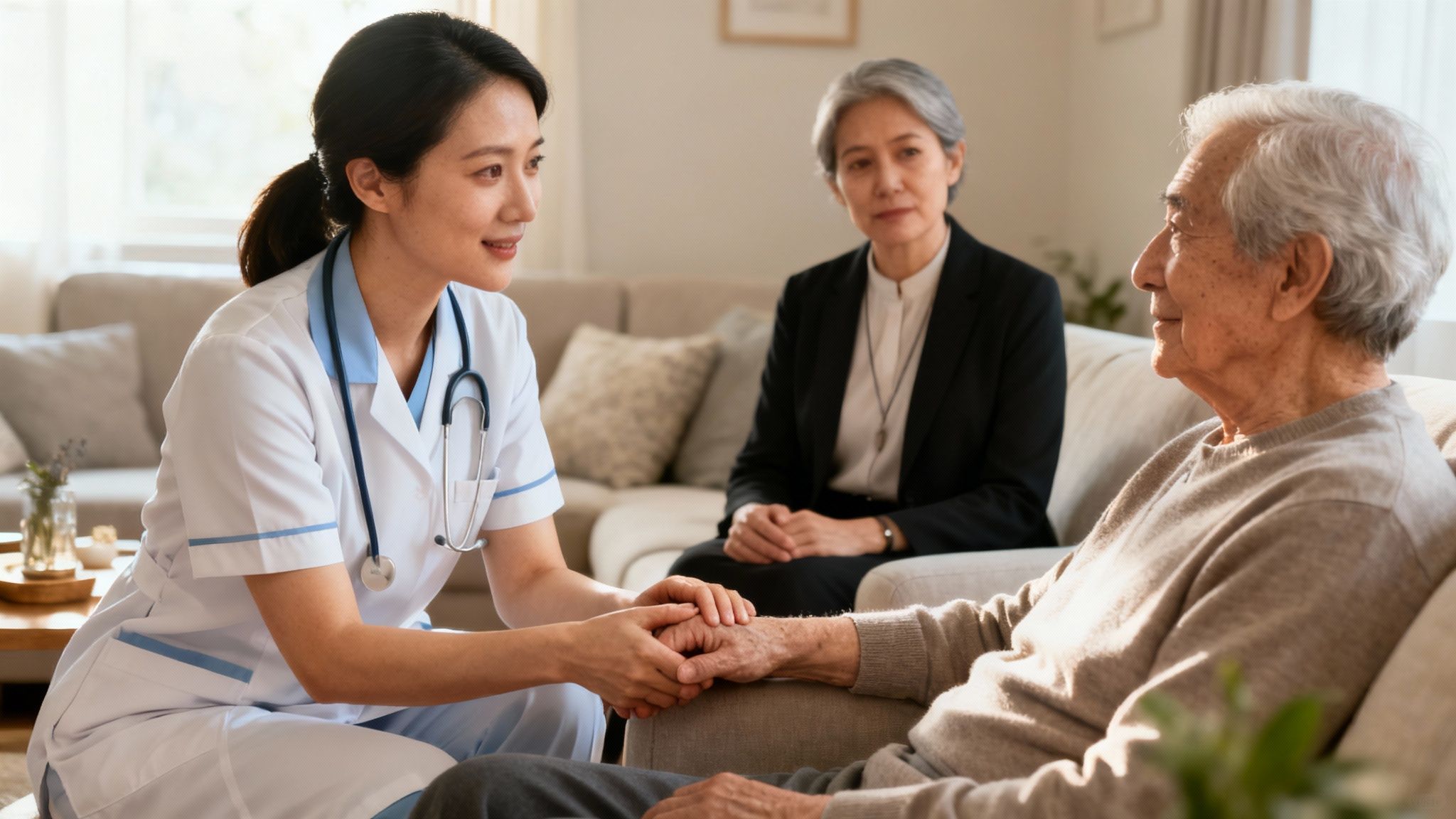
This trend applies whether someone needs short-term recovery support after a hospital stay or ongoing nursing visits. Families are looking for trusted, nearby clinical teams. They want professionals who can respond quickly and understand the local area.
How This Benefits Central Coast Families
For families in Salinas, Santa Cruz, or anywhere in between, this means more information is available. It is easier than ever to find and compare local home health agencies. This empowers you to make an informed choice based on your specific needs.
This trend also highlights the importance of choosing a provider with deep local roots. Central Coast VNA & Hospice has served Monterey, San Benito, Santa Cruz, and South Santa Clara counties for over 74 years. Our teams understand the unique needs of our communities.
Key Takeaway: The rise in local online searches shows that families value convenience, trust, and community connection when choosing a home health provider.
How to Prepare
When searching for a local provider, consider these steps.
- Read Reviews: Look at online reviews and testimonials from other local families. This provides insight into the quality of care.
- Verify Services: Ensure the provider offers a full continuum of care. This may include home health, palliative care, and hospice.
- Check for Nonprofit Status: Mission-driven, nonprofit organizations often reinvest in community health and prioritize patient needs over profits.
3. Families Are Planning Sooner
Another key trend is that families are planning for home-based care earlier. In Santa Cruz and across the Central Coast, people are having these important conversations months or even years before a crisis. This proactive approach is becoming more common.

Planning ahead gives you more choices and greater peace of mind. It allows your family to thoughtfully consider options, understand costs, and document your loved one’s wishes. This prevents rushed decisions during a stressful time.
How This Benefits Central Coast Families
When families plan ahead, they feel more in control. It allows for a smoother transition if and when home health services are needed. This forward-thinking approach is a gift to the entire family.
Early planning aligns with the healthcare concept of a community needs assessment. It involves understanding future needs and identifying resources in advance. This ensures you can access the right support when the time comes.
Key Takeaway: Proactive planning for home care reduces stress and ensures that a loved one's wishes are honored. It transforms a potential crisis into a well-managed transition.
How to Prepare
Start the conversation about future care with these steps.
- Document Wishes: Help your loved one complete advance care directives. This ensures their preferences for medical care are known.
- Understand Finances: Research what Medicare and other insurance plans cover for home health, palliative care, and hospice.
- Consult Professionals: Speak with a trusted healthcare provider, like Central Coast VNA & Hospice, to understand the continuum of care. We can help you explore local health care resources for seriously ill family members on the Central Coast.
4. Online Reviews Are Part of the Decision
Before contacting a home health agency, most families check online reviews. Websites like Google and other local directories are now a key part of the decision-making process. Families want to see what others in their community have experienced.
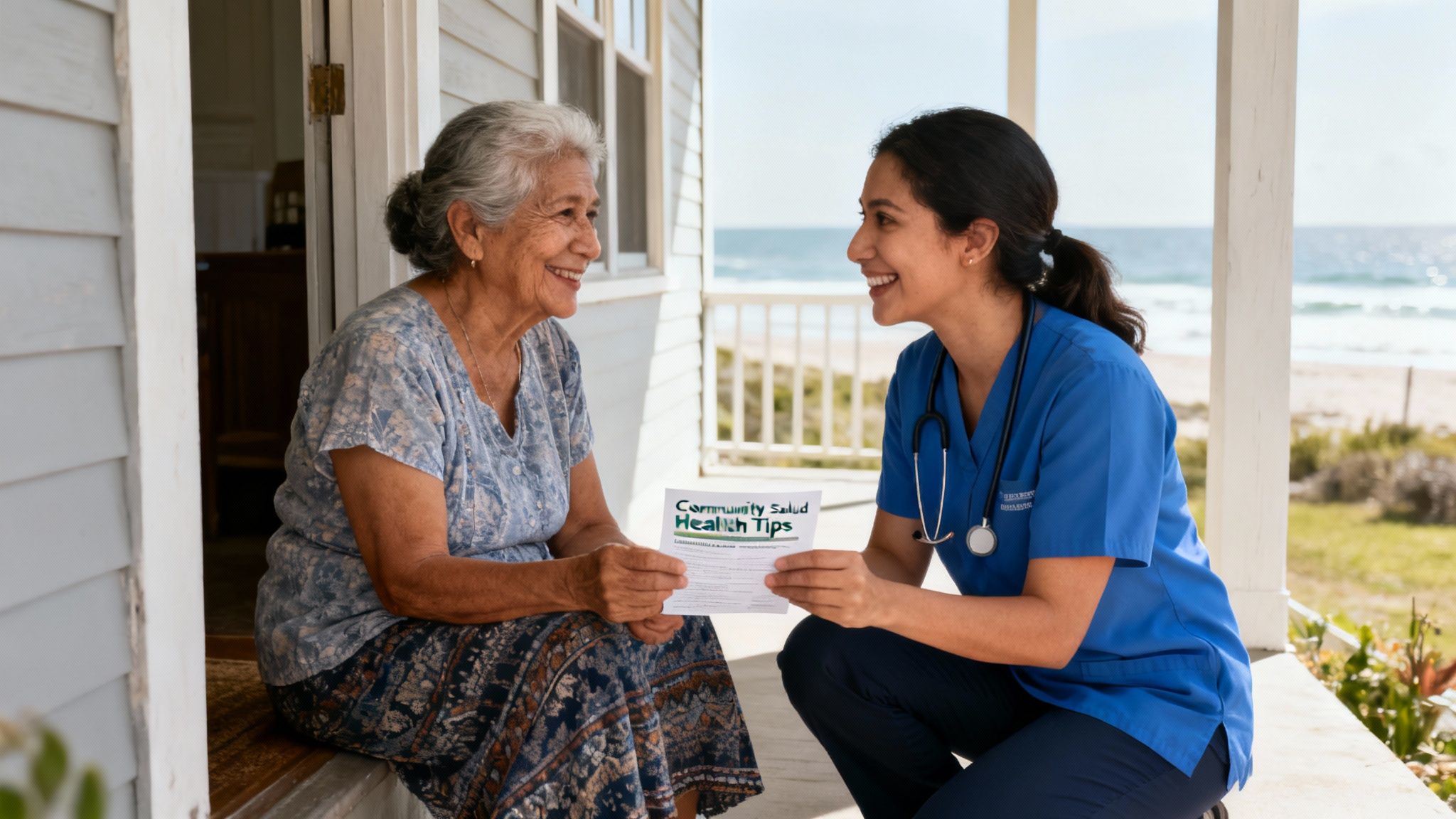
When evaluating providers, look for strong ratings and detailed feedback. Pay attention to comments about clinician-led teams, compassionate care, and reliability. A clear local presence is also important, as it shows a commitment to the community.
How This Benefits Central Coast Families
Online reviews offer transparency and social proof. They help families on the Central Coast identify reputable organizations that consistently deliver high-quality, compassionate care. This digital word-of-mouth is a powerful tool for making an informed choice.
This trend reinforces the importance of a provider's reputation. Central Coast VNA & Hospice has built trust in our community for over seven decades. Our focus on patient-centered care is reflected in the positive feedback we receive from the families we serve.
Key Takeaway: Online reviews have become an essential tool for families. They provide valuable insights into a provider's quality of care, professionalism, and connection to the local community.
How to Prepare
Use online reviews effectively with these tips.
- Look for Themes: Notice recurring comments, both positive and negative. A consistent theme is more telling than a single review.
- Check Multiple Sources: Don't rely on just one website. Look at Google, social media, and other healthcare review sites.
- Consider the Response: See if the provider responds to reviews. A thoughtful response shows they are engaged and value feedback. We also offer resources on how to get real support as a family caregiver on the Central Coast.
5. Local, Skilled Teams Matter
Families are increasingly recognizing the value of local, skilled clinical teams. A provider with deep roots in the community offers significant advantages. Their staff understands the unique challenges and resources of the region.
Central Coast VNA & Hospice has served this region for over 74 years. Our home health team includes Registered Nurses, therapists, and social workers. They understand local needs, from navigating fog delays in Pacific Grove to coordinating rural outreach in San Benito County.
How This Benefits Central Coast Families
A local team means more reliable and responsive care. Clinicians who live in the communities they serve are better equipped to coordinate with local doctors, hospitals, and pharmacies. This ensures seamless, integrated care for your loved one.
This local expertise is crucial for tasks like medication management for the elderly. A local nurse can work directly with a patient's pharmacy in Salinas or Hollister to resolve issues quickly. This level of coordination is harder for large, national corporations to achieve.
Key Takeaway: A local, clinically skilled team provides more than just medical care. They offer community knowledge, established relationships, and a deep commitment to the families they serve.
How to Prepare
When evaluating a provider, ask about their local presence.
- Inquire About Staff: Ask where their clinical staff live and work. A local team is more likely to be familiar with your area.
- Discuss Coordination: Ask how they coordinate with local physicians and hospitals. Strong local relationships are a sign of quality.
- Confirm Service Area: Ensure they have a strong presence in your specific community, whether it's Monterey, Santa Cruz, or San Benito County.
6. Volunteer and Community Programs Add Support
A powerful home care trend involves expanding volunteer and community programs. These programs provide a vital layer of non-clinical support. They complement the work of skilled nurses and therapists.
This approach addresses social needs like loneliness, which is a major health risk. For Central Coast families, this trend means more holistic support. Volunteers can provide companionship, spiritual care, and practical help.
How These Programs Benefit Central Coast Families
In diverse communities from Salinas to Santa Cruz, these programs create meaningful connections. For example, Central Coast VNA & Hospice’s Veteran-to-Veteran volunteer program pairs trained veterans with hospice patients who also served. This fosters a unique and profound bond.
This community-based model allows organizations like Central Coast VNA & Hospice to extend their reach. It helps ensure more patients receive compassionate social and emotional support. This enhances the clinical care provided by our expert teams.
Key Takeaway: Integrating volunteers into home care builds a more resilient and connected care system. It addresses the whole person, improving both health outcomes and quality of life.
How to Prepare
Families can seek out organizations that use community-based models.
- Ask About Support Programs: When choosing a provider, ask about their volunteer services. This may include companionship visits or bereavement support.
- Encourage Connection: If your loved one would benefit from social interaction, inquire about volunteer matching.
- Consider Volunteering: If you have been through a caregiving journey, you might consider becoming a volunteer yourself. Your experience can provide authentic guidance to others.
Your Trusted Partner in Home Care on the Central Coast
The landscape of home-based care is rapidly changing. It is driven by technology, a deeper understanding of patient needs, and a desire for seniors to age with dignity at home. These trends signal a shift toward more integrated and supportive services.
The focus is no longer just on treating illness. It is about supporting the whole person and their family. This includes planning ahead, choosing local providers, and leveraging community support.
Mastering these concepts is invaluable. Understanding these 6 home care trends central coast families should watch in 2026 helps you ask the right questions. It allows you to build a care plan that truly enhances quality of life.
For over 74 years, Central Coast VNA & Hospice has been a pillar of this community. Our local teams of Registered Nurses, therapists, and social workers live and work right here. We serve Monterey, San Benito, Santa Cruz, and South Santa Clara Counties.
We are not just a provider; we are your neighbors. We are committed to delivering the nonprofit, mission-driven care you deserve. As these trends take shape, we are here to support your family's journey.
If you're a homeowner in Monterey, Salinas, Hollister, or Santa Cruz exploring in-home health care for a loved one, we’d love to help. We can help you build a plan that’s compassionate, local, and clinically sound. Let’s start with a free consultation—call 831‑372‑6668 or visit VNA and Hospice.
Frequently Asked Questions (FAQs)
1. What is home health care?
Home health care provides skilled clinical services in a patient's home. This can include services from a Registered Nurse, physical therapist, or occupational therapist. It is typically prescribed by a doctor after a hospitalization or to manage a chronic illness.
2. How is palliative care different from hospice care?
Palliative care focuses on symptom management and quality of life for those with a serious illness. It can be provided at any stage of illness, alongside curative treatments. Hospice care is for individuals with a life-limiting illness who are no longer seeking curative treatment, focusing entirely on comfort.
3. Who pays for home health services?
Medicare, Medi-Cal, and most private insurance plans cover home health care if it is deemed medically necessary by a physician. Our team at Central Coast VNA & Hospice can help you understand your specific coverage.
4. Why should I choose a local, nonprofit provider?
A local, nonprofit provider like Central Coast VNA & Hospice has deep roots in the community. Our mission is focused on patient care, not profits. Our staff are your neighbors, dedicated to serving families in Monterey, San Benito, Santa Cruz, and South Santa Clara counties.
5. How do I start the conversation about home care with my loved one?
Begin by expressing your care and concern for their well-being and safety. Frame it as a way to support their independence and honor their wish to stay at home. Focus on the benefits, like receiving expert care in a comfortable setting.