
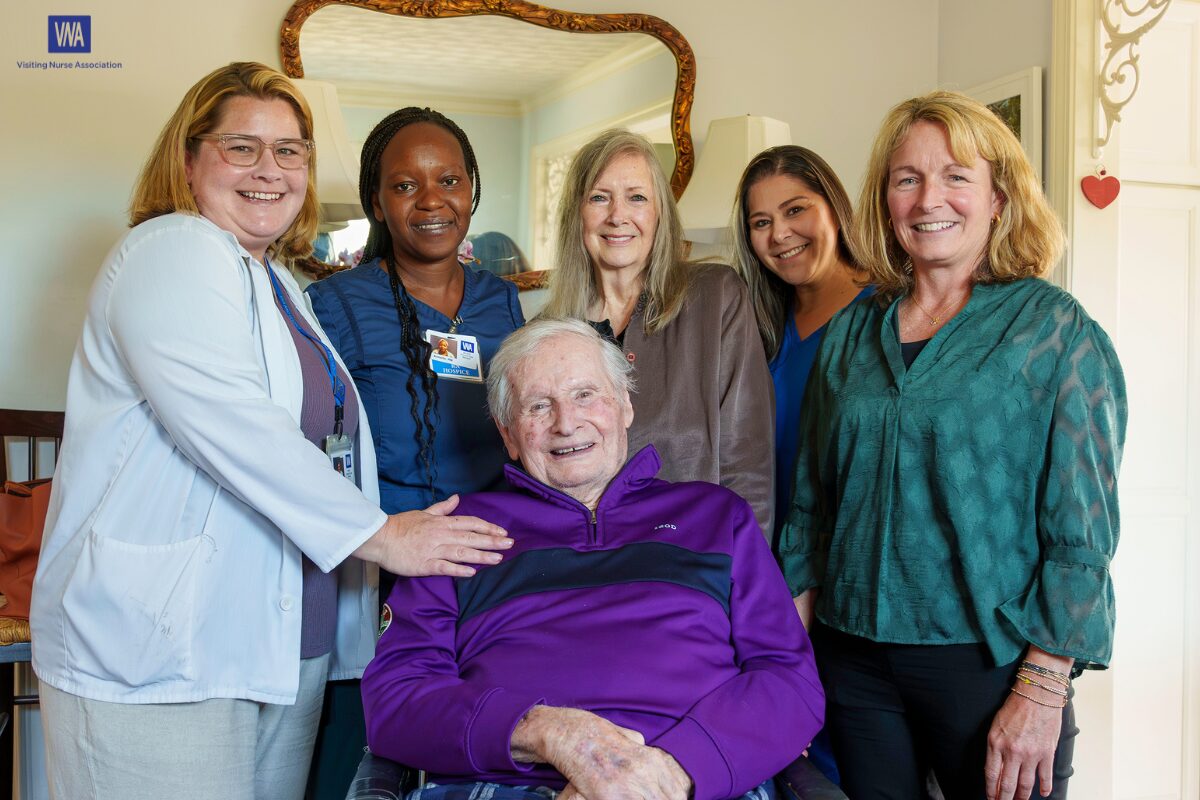
How to Launch a Meaningful Healthcare Career Right Here in Monterey
When people think about a healthcare career, they often picture big-city hospitals or fast-paced emergency rooms. But here on California’s Central Coast, healthcare looks—and feels—a little different. It’s more personal, more connected, and deeply rooted in community. If you’re considering a career in this vital and growing field, you might be wondering, “How do I get started?” or “What kinds of healthcare roles are in demand in Monterey?”
The good news? You don’t need to move to San Francisco or Los Angeles to make a meaningful impact in someone’s life. Whether you're just beginning your professional journey or looking to make a change, there are many pathways to launch a rewarding healthcare career right here in Monterey, CA.
Why Choose a Healthcare Career in Monterey?
Monterey County is home to a diverse and aging population, a growing need for chronic illness management, and a deeply rooted culture of community care. These local dynamics have created a strong demand for compassionate professionals in roles that range from in-home caregivers to specialized hospice nurses.
The healthcare landscape in this region is also shaped by unique geographic and cultural features:
-
A high concentration of retirees, especially in areas like Carmel, Pacific Grove, and Pebble Beach
-
A bilingual and bicultural community, with increasing need for culturally competent care
-
Access to beautiful outdoor settings that promote healing and work-life balance
-
A tight-knit healthcare network where professionals know and support one another
For many, the combination of clinical purpose and personal connection makes healthcare careers in Monterey, CA especially meaningful.
What Are the Most In-Demand Healthcare Roles in Monterey?
Healthcare is a wide field, and not all careers require years of schooling or clinical degrees. Here are a few roles in particular demand in the Monterey area:
1. Certified Home Health Aides (HHAs)
As more patients choose to receive care in their homes, HHAs are essential for helping with daily tasks and providing companionship. Training programs are accessible and can often be completed in just a few months.
2. Registered Nurses (RNs) and Licensed Vocational Nurses (LVNs)
From hospitals to hospice agencies, RNs and LVNs are the backbone of local healthcare. Those with experience or interest in end-of-life care may find especially meaningful work in hospice nurse careers in Monterey.
3. Hospice and Palliative Care Providers
Providing comfort and dignity at the end of life is one of the most compassionate roles in healthcare. These roles are ideal for individuals who value connection, listening, and holistic care.
4. Medical Assistants and Administrative Professionals
Behind every patient visit is a team handling appointments, records, billing, and communications. These roles are ideal entry points for those interested in a stable, service-oriented career.
5. Social Workers and Care Coordinators
Helping patients navigate complex healthcare systems requires empathy and resourcefulness. These professionals often serve as bridges between medical teams and families.
How to Get Started: Education and Certification Options
If you're asking, "How do I start a healthcare career in Monterey?" the first step is understanding your options. The region offers several local resources and programs to help you begin or advance your path.
🏫 Community Colleges and Training Programs
-
Monterey Peninsula College (MPC) offers nursing programs, CNA/HHA certification, and allied health training.
-
Hartnell College in Salinas also provides healthcare career programs, especially for bilingual students.
🏥 Local Employers Offering On-the-Job Training
-
Some healthcare providers, including home health and hospice agencies, offer paid training or tuition reimbursement for committed candidates.
-
Central Coast VNA & Hospice supports continuing education and mentoring opportunities for team members.
💻 Online and Hybrid Certification
-
For those balancing work or family, many programs now offer flexible online courses to gain credentials in medical billing, patient care, or administration.
What Makes a Healthcare Career “Meaningful”?
You may be wondering, “Is healthcare really right for me?” or “Will I find purpose in this kind of work?” These are important questions, especially if you're making a career switch or returning to the workforce.
Healthcare is one of the few fields where your day-to-day actions have a direct impact on someone’s well-being. Whether you're helping an elderly patient safely navigate their home, comforting a family in hospice care, or ensuring a client gets the right appointment—your work matters.
Here’s what many of our own team members at Central Coast VNA & Hospice say they love most about their jobs:
-
Building long-term relationships with patients and families
-
Being part of a supportive, mission-driven team
-
Knowing their efforts improve someone’s quality of life, even in difficult moments
-
Working in a field that continues to grow and evolve
If those things resonate with you, there’s a good chance you’ll find meaning here, too.
Real Life, Real Impact: A Local Story
Elizabeth Yanez, LVN and Business Development Manager at Central Coast VNA & Hospice, shares a perspective that reflects why so many professionals are choosing healthcare careers in Monterey:
“I am proud to work for a home health, palliative and hospice organization that is truly invested in serving our communities. I find that VNA’s commitment to our patients is not only evident in the leadership team, but also all of the people around me. I find it easy to ask for help and collaborate with our clinical staff on a daily basis. I trust the team I work with to find solutions and better outcomes for our patients.”
Her words echo what makes healthcare in Monterey so distinct—a strong sense of teamwork, community trust, and a shared mission of compassion. At VNA, careers are more than clinical roles—they are partnerships in care and community.
How to Apply for Healthcare Jobs in Monterey
Once you’ve chosen a path or earned the necessary credentials, here’s how to start your job search:
✅ Check Local Healthcare Employers' Websites
-
Organizations like Central Coast VNA & Hospice regularly post job openings for hospice nurses, caregivers, and administrative roles.
-
Larger health systems in the area, including CHOMP and Salinas Valley Health, also offer robust career pages.
✅ Use Regional Job Boards
-
Websites like MontereyHelpWanted.com or Indeed allow you to filter by location and field.
-
Set up job alerts to stay notified of new postings.
✅ Connect with a Mentor or Career Counselor
-
Monterey Peninsula College and local workforce development agencies offer career counseling and job placement support.
-
If you’re new to healthcare, these professionals can help clarify your direction and next steps.
Final Thoughts: There’s Purpose Waiting Here
Starting a healthcare career may feel like a big leap—but if you’re looking for work that aligns with your values, supports your community, and grows with you, Monterey is a wonderful place to take that leap.
Whether you’re exploring hospice nurse careers in Monterey or looking into a new administrative role in the healthcare field, the opportunities here are both meaningful and attainable.
At Central Coast VNA & Hospice, we’ve seen how one person’s care can make a lifelong difference for a patient or family. And that difference can start with you.
To learn more about healthcare opportunities with our team, visit ccvna.com/careers.
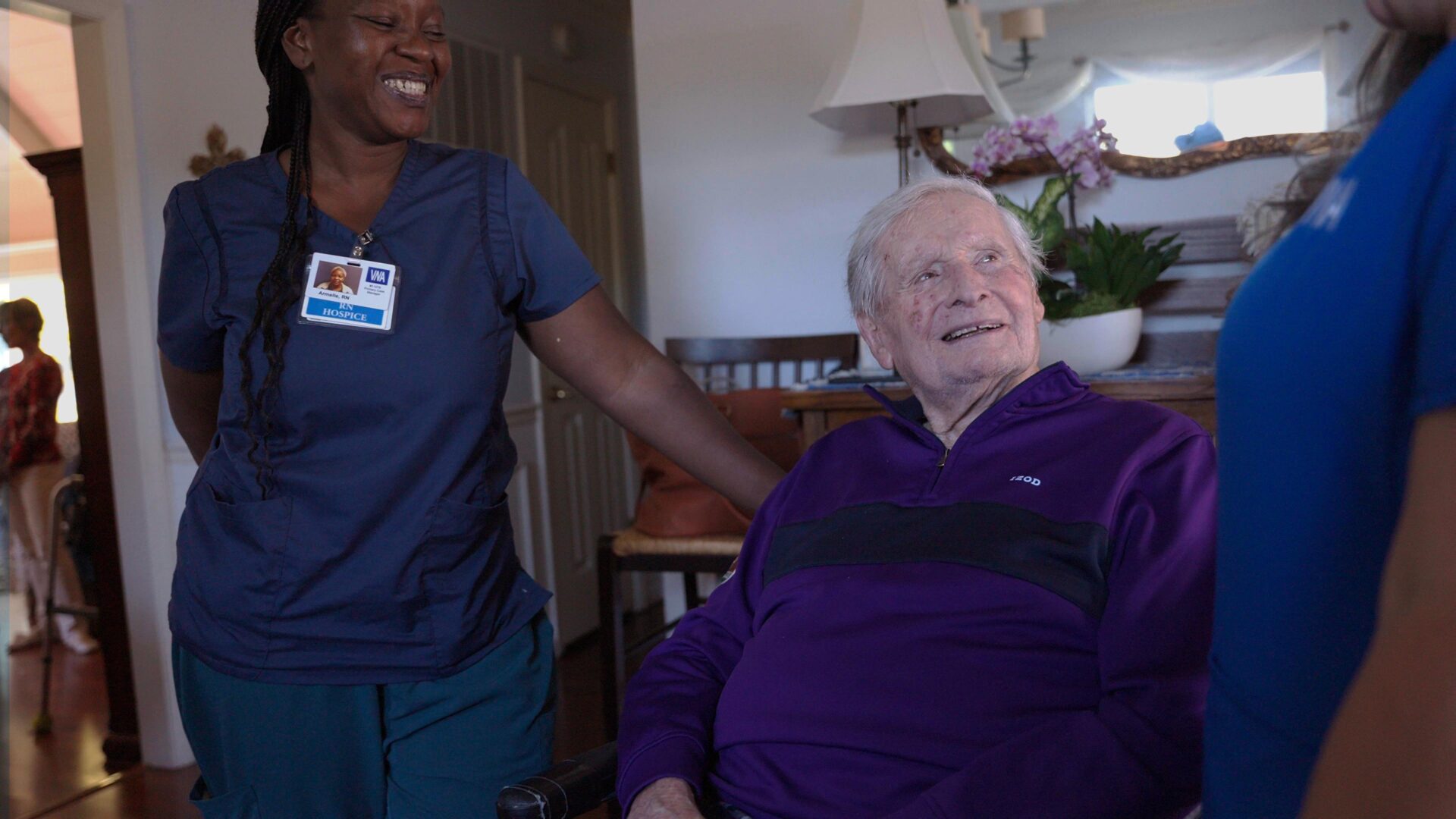
Avoid These Common Mistakes in Advanced Care Planning
Have you or your loved ones put off creating an advanced care plan? You're not alone. Many families delay these crucial conversations, often until a crisis forces decisions under pressure. Unfortunately, that’s also when mistakes are most likely to happen.
Advanced care planning isn’t just for the elderly or terminally ill. It’s a proactive way to ensure your medical wishes are honored and your family is supported. Yet even those who begin planning may fall into avoidable traps that limit the effectiveness of their directives.
In this article, we’ll explore how to avoid these common mistakes in advanced care planning, share expert guidance from the Central Coast VNA & Hospice team, and empower you to make informed, confident choices. Whether you’re just starting the conversation or updating existing plans, this guide will give you the clarity you need.
What Are the Most Common Mistakes in Advanced Care Planning?
Mistake #1: Waiting Too Long to Start Planning
One of the most common and damaging mistakes is assuming you can wait until an illness progresses. Life is unpredictable. Having a plan in place early ensures your preferences are respected, no matter what happens.
Quick Answer: Start your advanced care planning before a health crisis. It’s a gift of clarity to your future self and your loved ones.
Mistake #2: Not Including Family in the Conversation
Many people create directives without discussing them with family members or potential decision-makers. This can lead to confusion, conflict, or decisions that go against your wishes.
Quick Answer: Talk openly with your loved ones and healthcare proxy about your values, wishes, and expectations.
Mistake #3: Confusing Advanced Directives with a Will
A will outlines what happens after death. An advanced directive explains your preferences while you are still alive, especially if you become unable to speak for yourself.
Mistake #4: Choosing the Wrong Health Care Proxy
It’s critical to choose someone who understands your values, can stay calm under stress, and is willing to advocate on your behalf. Simply picking the closest relative isn’t always the best option.
Mistake #5: Forgetting to Update Documents
Your preferences might change over time. If your plan is outdated, it may not reflect your current wishes.
Expert Tip: Review your advanced care documents every 2-3 years, or after a major life event (illness, move, death in the family).
How Can You Avoid These Common Mistakes?
Step-by-Step Guidance from VNA Experts
At Central Coast VNA & Hospice, we guide families through the entire advanced care planning process. Here are key steps to do it right:
1. Start the Conversation Early
- Don’t wait for illness to begin the discussion.
- Normalize the topic by making it part of routine planning (like creating a will or estate plan).
2. Identify Your Values and Goals
- What kind of medical interventions align with your beliefs?
- Would you want life-extending treatments under any condition?
- What brings your life meaning?
3. Choose a Health Care Proxy Wisely
- Select someone trustworthy, emotionally steady, and aligned with your values.
- Make sure they agree and fully understand the responsibility.
4. Put It in Writing
- Complete official documents: Advance Health Care Directive, Durable Power of Attorney for Health Care, and POLST if needed.
- Ensure copies are accessible and shared with your healthcare provider, proxy, and family.
5. Keep Documents Updated
- Revisit your plan regularly and revise as needed.
- Update after major changes in health, relationships, or personal beliefs.
What Are the Benefits of Advanced Care Planning Done Right?
Emotional Peace of Mind
Families often express immense relief knowing they are honoring a loved one’s true wishes. Reducing ambiguity eases emotional burdens during difficult times.
Fewer Unwanted Treatments
Advanced care directives ensure your medical care matches your goals, potentially avoiding invasive procedures that don’t align with your values.
Reduced Conflict and Legal Issues
When plans are clearly written and communicated, there's less room for family disputes or court involvement.
More Meaningful Conversations
Planning opens the door for heartfelt discussions about values, legacy, and relationships—strengthening family bonds.
Real Example: A local family avoided a painful legal battle when their mother’s advance directive clearly outlined her do-not-resuscitate wishes and appointed a non-family friend as her proxy.
Special Considerations and Pro Tips
Not All Forms Are Equal
Some online forms may lack key details or legal validity in your state. VNA providers ensure you complete California-compliant documentation that holds up in clinical settings.
Consider Cultural or Faith-Based Preferences
VNA respects all cultural and spiritual perspectives. Share any values important to your care with your planning team to ensure personalized support.
Pro Tip: Bring your completed directives to your next doctor’s appointment. Ask them to include the documents in your medical record for easy access.
Use Professional Support When Needed
Planning can feel overwhelming. Central Coast VNA & Hospice offers social workers and clinical experts to walk you through decisions and provide compassionate, clear support.
Related Questions and Expert Answers
What is an advanced care directive?
An advanced care directive is a legal document that outlines your healthcare wishes if you become unable to speak for yourself.
Is a living will the same as an advanced directive?
Not quite. A living will is a type of advanced directive that focuses on specific medical treatments you want or don’t want.
Who should I choose as my health care proxy?
Choose someone who knows your values, can make tough decisions, and is comfortable communicating with medical staff.
Do I need a lawyer to complete an advanced care directive?
No, but consulting a professional or healthcare provider is helpful to ensure your form is complete and legal in your state.
Where should I store my documents?
Keep copies in an accessible place. Share with your health care proxy, primary doctor, and hospital records.
Take the First Step Toward Clarity and Peace of Mind
Don’t let fear or confusion delay your family’s most important conversation. By avoiding these common mistakes in advanced care planning, you can ensure your medical wishes are honored and your loved ones are protected.
If you're looking for expert support with advanced care planning in Monterey, CA, the compassionate professionals at Central Coast VNA & Hospice are ready to help.
Visit ccvna.com or call 831-372-6668 to schedule a consultation today.
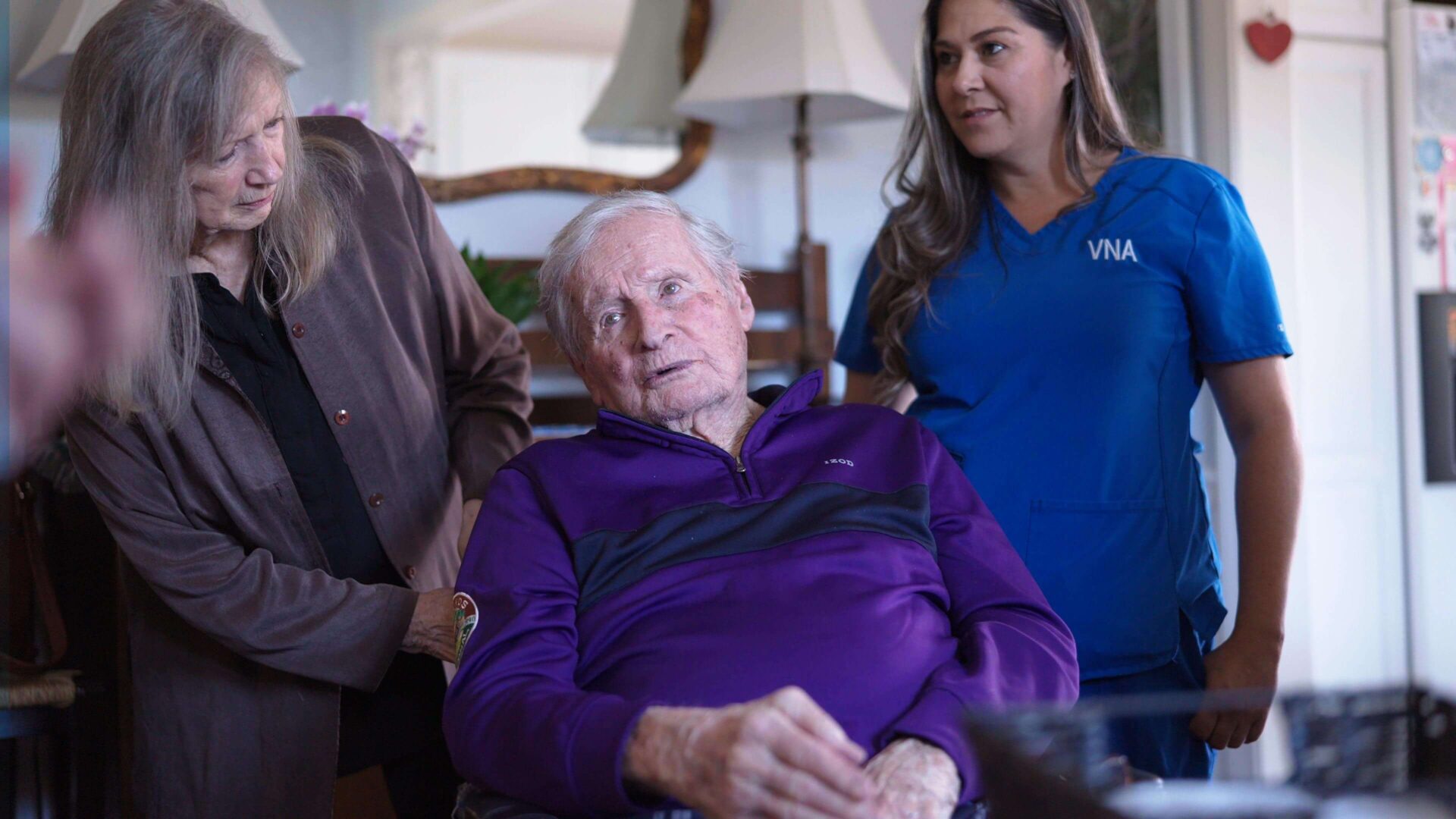
Giving Back to VNA - Real Stories of Help and Hope
Have you ever wondered how a simple act of kindness could ripple across an entire community? Giving back to VNA—whether through time, donations, or advocacy—does just that. At Central Coast VNA & Hospice, these gestures translate into real stories of help, hope, and healing for patients and families in Monterey and beyond.
Many supporters ask, “Can you donate to VNA?” The answer is yes—and those donations do more than you might imagine. From comforting a hospice patient through pet therapy, to funding flu shot clinics for those who’ve missed the flu shot, every contribution fuels vital, compassionate care.
In this blog, you’ll learn:
- Why giving back is so impactful
- The types of support that make a difference
- Personal stories from Monterey families and volunteers
- How you can get involved through VNA’s donation and volunteer programs
Let’s explore how you can be part of this mission.
The Challenge: Meeting Community Health Needs
Healthcare is deeply personal—but accessing quality care isn’t always easy, especially for underserved or homebound individuals in Monterey County. VNA fills that gap with hospice, home health, flu prevention, and specialty programs.
Common Barriers VNA Helps Overcome:
- Lack of transportation for flu shots and home care
- Isolation and emotional distress in patients
- Limited resources for end-of-life support
- Emotional strain on family caregivers
Still, many people don’t realize that VNA is a nonprofit—and relies on donations, volunteers, and community partnerships to bridge these gaps.
Misconceptions we often hear:
- “Hospice is fully funded by insurance.”
- “My small donation won’t make a difference.”
- “Only medical professionals can volunteer.”
These myths prevent community members from seeing the vital role they can play in helping others. But through giving back to VNA, ordinary people do extraordinary things every day.
The Solution: Giving Back to VNA—Made Easy
You don’t have to be a healthcare expert to support the work we do. There are many simple ways to give back to VNA—each one creating a meaningful difference.
Donation Opportunities:
- One-time or monthly gifts to support hospice and home health
- Tribute donations to honor loved ones
- In-kind donations like comfort care items or technology
- Planned giving options such as bequests or charitable trusts
Volunteer Roles:
- VNA Ambassador: Spread awareness through community outreach
- VNA Pet Therapy volunteers: Bring joy and comfort through trained therapy animals
- Office or event volunteers: Help behind the scenes
- Bereavement and family support roles
What These Gifts Support:
- Flu clinics for those who’ve missed the flu shot
- Grief counseling and family support programs
- Specialty care programs for Alzheimer’s, Parkinson’s, and veterans
- Compassionate end-of-life care in patients’ homes
To learn more about volunteer and giving opportunities, visit https://ccvna.com.
Benefits: The Ripple Effect of Giving
Whether you give time, resources, or a monetary donation, giving back to VNA brings measurable—and deeply personal—benefits to everyone involved.
For the Community:
- Expanded access to care for low-income and rural families
- Increased vaccination rates (especially important for those who’ve missed the flu shot)
- Enhanced quality of life for patients facing illness
For Donors:
- Sense of purpose and fulfillment
- Public acknowledgment (if desired) for generous contributions
- The ability to honor a loved one’s legacy in a meaningful way
For Volunteers:
- Develop new skills or apply existing talents
- Build relationships with patients, families, and fellow volunteers
- Know that you’re making a real difference, right here in Monterey
Testimonial from a VNA Volunteer:
“I started volunteering after my father passed in VNA’s care. Giving back helped me heal, and now I get to help others in their time of need.”
Local Focus: What Makes Giving Back in Monterey Unique
The beauty of giving back to VNA is that your contribution stays local—helping families right here in Monterey County.
Why Local Support Matters:
- Monterey’s senior population is growing, and many live alone
- Rural and coastal areas often lack easy access to in-person care
- Language and cultural barriers can affect the quality of service
VNA addresses these gaps by:
- Offering bilingual support services
- Deploying home health nurses across the region
- Hosting community flu shot clinics, ideal for anyone who’s missed the flu shot
- Running volunteer-led programs that reflect the diversity of our community
Your donation or time stays local and is used responsibly—backed by over 70 years of trusted nonprofit care.
FAQs About Giving Back to VNA
1. Can I donate in honor of someone?
Yes! Tribute gifts are a powerful way to celebrate a life or thank a caregiver. They can be made online or by mail.
2. Is my donation tax-deductible?
Yes. Central Coast VNA & Hospice is a 501(c)(3) nonprofit. All eligible gifts are tax-deductible.
3. What if I only have a few hours a month to volunteer?
That’s perfect. We have flexible volunteer roles to fit all schedules and lifestyles.
4. Can I support VNA if I’m not a healthcare professional?
Absolutely. Most volunteers aren’t medical professionals. Everyone can bring kindness, time, or energy.
5. Where can I learn more about VNA’s services before donating?
Explore all our services—from hospice and home health to grief counseling and specialty programs.
Ready to Make a Difference? Start Giving Back to VNA Today
Your support—big or small—can brighten someone’s final days, ease a caregiver’s burden, or provide a child with grief counseling. Giving back to VNA connects you to something bigger: the power of community compassion.
And if you’ve missed the flu shot, donating or volunteering with VNA is the perfect reminder to stay proactive about your health, too.
📞 Call us at (831) 372-6668
📩 Donate online or fill out a volunteer interest form today
Together, we bring hope home.
Central Coast VNA & Hospice – Supporting lives, families, and futures across Monterey County since 1951.

Why Choosing Palliative Care in Monterey Could Be the Most Loving Decision You Make
When someone close to you is living with a serious or life-limiting illness, the decisions you make as a family become deeply emotional, sometimes overwhelming. You want comfort. You want clarity. And above all, you want your loved one to feel supported, respected, and safe. That’s where palliative care can offer something truly meaningful.
In Monterey, CA, families are discovering that palliative care isn’t just a medical service—it’s a compassionate partnership that helps patients live with dignity while giving their families much-needed peace of mind. If you’ve ever found yourself wondering, “Where can I find palliative care in Monterey that truly understands what we’re going through?”—you’re not alone. And you’re in the right place to start understanding your options.
What Is Palliative Care, and How Is It Different from Hospice?
Palliative care is specialized medical care for people living with serious illnesses such as cancer, heart failure, COPD, or advanced kidney disease. Unlike hospice, which typically begins when curative treatment has ended, palliative care can be introduced at any stage of illness—even while other treatments are ongoing.
In simple terms, palliative care focuses on relieving symptoms, managing stress, and improving quality of life. It’s a support system not just for the patient, but for the entire family. Think of it as an added layer of care that works alongside your loved one’s other treatments or doctors.
In Monterey County, where many residents are navigating both aging parents and their own busy midlife responsibilities, this kind of support can make all the difference.
Why Families Are Turning to Palliative Care in Monterey
Monterey is a unique place. With its mild coastal climate, small-town feel, and vibrant community of retirees, it’s no surprise that many older adults choose to age here. But while the scenery is serene, navigating complex healthcare decisions can still be overwhelming.
That’s where local palliative care services step in. When families in the Monterey Peninsula start looking for guidance—whether it's how to ease a parent’s pain or how to manage medications—they often discover that choosing palliative care is one of the most compassionate steps they can take.
Here are just a few reasons why:
1. Comfort and Relief, Right at Home
Whether your loved one lives in Pacific Grove, Carmel, Salinas, or tucked away in a quiet corner of Monterey, palliative care providers often come directly to them. This means fewer stressful trips to doctor’s offices and more time spent in the comfort of home.
Care teams help manage symptoms like nausea, shortness of breath, fatigue, and pain—common but difficult aspects of many illnesses. And because they work collaboratively with your existing doctors, the approach remains coordinated and holistic.
2. Support for the Whole Family
Serious illness affects everyone in the family. From managing medications to making tough decisions, caregivers can often feel like they’re carrying the world on their shoulders.
Palliative care helps lighten that load. Care teams often include nurses, social workers, chaplains, and specialists who not only support the patient but offer guidance and emotional support to caregivers as well. If you’ve ever felt unsure or alone in this journey, you’ll find comfort in knowing someone is there to walk alongside you.
3. Clearer Communication, Less Confusion
One of the hardest parts of navigating advanced illness is trying to understand medical information. What’s happening? What are the treatment options? What does this diagnosis really mean?
Palliative care providers are trained to communicate in ways that are straightforward and compassionate. They help families understand what to expect and how to make decisions that reflect the patient’s wishes. In a time that can feel like a whirlwind of appointments and medical jargon, this clarity is a breath of fresh coastal air.
How to Know If Palliative Care Is Right for Your Family
People often ask, “When should we consider palliative care?” The answer may surprise you: the earlier, the better.
If your loved one is dealing with a serious illness and you’ve noticed any of the following, it may be time to consider palliative support:
-
Frequent hospitalizations or ER visits
-
Difficulty managing symptoms like pain, fatigue, or breathlessness
-
Confusion about treatment options or goals of care
-
Increased stress or burnout among family caregivers
-
A desire to focus more on comfort and quality of life
Palliative care doesn’t mean giving up—it means choosing to live as well and as fully as possible, no matter the diagnosis.
Local Support You Can Trust
If you’re wondering where can I find palliative care in Monterey, the answer lies close to home. Central Coast VNA & Hospice has been serving the Monterey Bay area for over 70 years, providing trusted home-based care to families throughout the region.
With deep roots in the community and a commitment to preserving dignity and choice, Central Coast VNA & Hospice is uniquely equipped to offer thoughtful, individualized care. Their palliative care program is designed to meet patients where they are—literally and emotionally—by offering visits at home and tailoring support to each family’s needs.
Living in a region like Monterey, where natural beauty is part of everyday life, many families want their loved ones to enjoy those precious moments: the smell of the ocean, the comfort of their garden, the familiar sounds of home. Palliative care helps preserve those moments by minimizing suffering and maximizing meaningful time together.
Common Questions About Palliative Care in Monterey
Is palliative care covered by insurance?
Yes, most insurance plans—including Medicare and Medi-Cal—cover palliative care services. It's always a good idea to talk directly with the provider to understand coverage specifics for your family.
Can palliative care be provided at home?
Absolutely. In fact, many families in Monterey choose home-based palliative care to keep their loved ones in familiar surroundings.
How does palliative care work with my loved one’s current doctor?
Palliative care teams collaborate with your loved one’s other healthcare providers to ensure that everyone is aligned in the plan of care. It’s a team effort, focused entirely on the patient’s comfort and goals.
Is palliative care only for older adults?
While many palliative care patients are older, the service is available to anyone living with a serious illness—regardless of age. What matters most is the individual’s needs, not just their age.
Final Thoughts: Love in the Form of Care
At its core, choosing palliative care is an act of love. It says: We see you. We hear you. And we want you to be comfortable, respected, and surrounded by support.
For families in Monterey and beyond, palliative care offers a way to navigate illness without losing sight of what matters most—connection, comfort, and time together.
If you’ve been feeling unsure about what comes next, or if you simply want to explore compassionate options for your loved one, learning more about local services may be the first step toward peace of mind.
To explore trusted palliative care options in Monterey, visit the Central Coast VNA & Hospice website at www.ccvna.com.
Because sometimes, the most loving decision you make isn’t about doing more—it’s about choosing the care that truly matters.
Understanding Home Health-A Comprehensive Care Guide
What Is Home Health and Why Does It Matter?
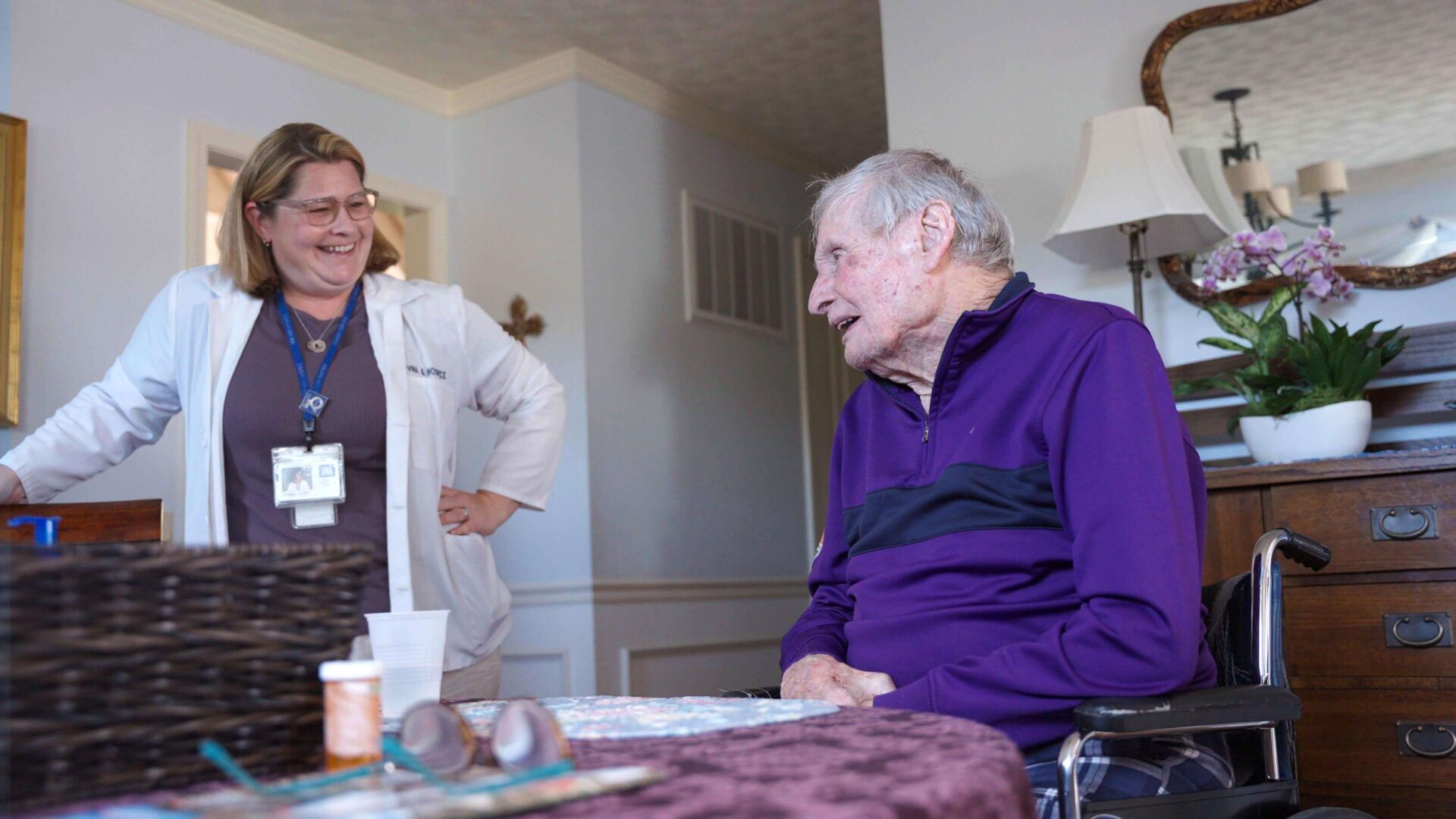
As individuals age or recover from illness, the need for quality health care at home becomes increasingly important. Understanding home health is crucial for families seeking compassionate, professional care for their loved ones. Home health care provides medical and therapeutic services in the comfort of one’s home, ensuring patients receive the personalized care they need without hospital visits.
At Central Coast VNA & Hospice, we specialize in providing top-tier home health services to patients across Monterey and surrounding areas. From skilled nursing to physical therapy, our dedicated team ensures each patient receives the highest level of care in familiar surroundings.
This guide will explore the challenges of home health, its benefits, and what to look for in a provider. Let’s dive into the essential aspects of understanding home health and how it improves patients' quality of life.
Common Challenges in Home Health Care
While home health care is an invaluable service, families often face challenges when deciding whether it is the right option. Here are some common concerns:
- Understanding Eligibility: Many people are unsure whether their loved one qualifies for home health services. Medicare and private insurance often cover home health under specific conditions, such as a physician’s order.
- Finding the Right Provider: Not all home health agencies offer the same level of care. It’s important to research providers to ensure they offer skilled nursing, therapy, and personal care services tailored to the patient’s needs.
- Ensuring Quality and Safety: Families may worry about the quality of care and whether their loved one will receive consistent, professional attention. Choosing a reputable agency with experienced professionals is key.
- Balancing Family Responsibilities: Caregivers often struggle to balance their own responsibilities with the demands of caring for a loved one. Home health care alleviates this burden by providing expert support at home.
By understanding home health, families can make informed decisions and find the best care solutions for their loved ones.
How Home Health Care Works
Home health care is designed to provide medical and rehabilitative support for individuals recovering from surgery, managing chronic conditions, or needing specialized care. Here’s what the process typically involves:
- Initial Assessment: A registered nurse or healthcare professional evaluates the patient’s condition, medical history, and care needs.
- Personalized Care Plan: Based on the assessment, a customized care plan is developed, including nursing care, therapy, and other necessary services.
- Ongoing Medical Support: Skilled professionals provide regular visits, monitor health progress, administer medications, and offer therapy as needed.
- Patient & Family Education: Home health professionals educate families on managing the patient’s condition and providing necessary support between visits.
- Coordination with Physicians: Healthcare providers maintain communication with the patient’s doctor to ensure seamless, continuous care.
At Central Coast VNA & Hospice, we offer comprehensive services, including:
- Skilled Nursing Care – Wound care, IV therapy, and chronic disease management.
- Physical, Occupational, & Speech Therapy – Rehabilitation for mobility, speech, and daily functions.
- Medical Social Services – Assistance with care coordination, community resources, and emotional support.
- Home Health Aide Services – Help with personal care such as bathing, grooming, and dressing.
The Benefits of Home Health Care
Choosing home health care provides numerous advantages for patients and their families. Some key benefits include:
- Comfort and Familiarity: Patients receive care in the comfort of their own home, reducing stress and promoting faster recovery.
- Personalized Attention: Unlike hospitals or nursing facilities, home health care offers one-on-one attention tailored to individual needs.
- Cost-Effective Alternative: Home health care is often more affordable than long-term hospital stays or assisted living facilities.
- Enhanced Independence: Patients maintain their daily routines and independence while receiving medical support.
- Reduced Risk of Infections: Staying at home minimizes exposure to hospital-acquired infections, leading to better overall health outcomes.
Key Considerations When Choosing a Home Health Provider
When selecting a home health provider, it’s essential to consider:
- Licensing & Accreditation: Ensure the provider is licensed and accredited by state and federal health organizations.
- Range of Services: Look for agencies offering comprehensive care, including nursing, therapy, and personal care services.
- Experience & Reputation: Research the provider’s history, reviews, and testimonials from other patients.
- Insurance & Payment Options: Confirm whether the provider accepts Medicare, Medicaid, or private insurance.
- Emergency Support: Inquire about after-hours or emergency care availability.
Central Coast VNA & Hospice is a trusted provider of home health care services in Monterey, offering professional, compassionate care to meet a variety of patient needs.
Frequently Asked Questions (FAQs)
- What conditions qualify for home health care?
Home health care is suitable for individuals recovering from surgery, managing chronic illnesses, or needing therapy services at home. A physician must determine medical necessity. - Does insurance cover home health care?
Medicare, Medicaid, and many private insurance plans cover home health care if prescribed by a doctor. Check with your insurance provider for specific coverage details. - How often will a home health professional visit?
Visit frequency depends on the care plan. Some patients require daily visits, while others may need weekly check-ins. - Can home health care help with medication management?
Yes, skilled nurses can administer medications, educate patients on proper usage, and monitor for side effects. - How do I get started with home health services?
Contact Central Coast VNA & Hospice to discuss eligibility, services, and next steps for setting up a personalized care plan.
Take the Next Step with Central Coast VNA & Hospice
If you or a loved one needs professional home health care in Monterey, understanding home health is the first step toward quality, compassionate care. At Central Coast VNA & Hospice, our experienced team is here to provide personalized support that enhances well-being and independence.
📞 Call us today at 831-372-6668 to schedule a consultation to learn more about our services. Let us help you find the best care solution for your family.

The Vital Role of RNs - What Do They Do in Home Care?
Registered Nurses (RNs) play a vital role in home care, providing essential medical services and compassionate support to patients in the comfort of their homes. Whether caring for seniors, individuals recovering from surgery, or those with chronic illnesses, RNs ensure high-quality care tailored to each patient’s needs. But what exactly do RNs do in home care, and why are they so crucial to healthcare in Monterey and beyond?
In this blog, we’ll explore:
- The common challenges patients face without home care support.
- The vital role of RNs in home healthcare.
- The benefits of choosing professional home care services.
- What to consider when selecting a home healthcare provider in Monterey.
Common Problems and Challenges Without RN Home Care
Many individuals and families face difficulties managing healthcare needs at home. Without the expertise of an RN, common challenges include:
- Medication Management Issues: Patients may struggle to take the correct dosage at the right time, leading to complications.
- Post-Surgical Recovery Risks: Without professional wound care, infections and delayed healing can occur.
- Chronic Disease Management: Conditions such as diabetes, COPD, or heart disease require ongoing monitoring and skilled care.
- Lack of Personalized Care: Families may not have the medical knowledge to properly care for their loved ones at home.
- Limited Mobility Support: Patients with mobility challenges may be at a higher risk for falls or complications from immobility.
Without professional RN home care, these challenges can reduce a patient’s quality of life and increase hospital readmissions.
The Solution: The Vital Role of RNs in Home Healthcare
At Central Coast VNA & Hospice, our Registered Nurses (RNs) provide comprehensive in-home care services to address these challenges. Their role includes:
1. Skilled Medical Care
- Administering medications, injections, and IV therapies.
- Providing post-surgical wound care and infection prevention.
- Monitoring vital signs and adjusting care plans accordingly.
2. Chronic Disease Management
- Helping manage conditions like diabetes, heart disease, and respiratory illnesses.
- Educating patients and families on symptom management and medication adherence.
- Offering pain management strategies for comfort and well-being.
3. Patient & Family Education
- Teaching family members how to provide ongoing care.
- Offering guidance on diet, exercise, and daily living activities.
- Ensuring patients understand their treatment plans and healthcare options.
4. Preventative & Palliative Care
- Reducing the risk of hospital readmission through proactive monitoring.
- Providing palliative care support for those with serious illnesses.
- Enhancing patient comfort and dignity in hospice care settings.
Benefits of Choosing RN Home Care Services
Choosing RN home care provides numerous advantages for patients and families, including:
- Personalized Treatment Plans: Care is tailored to meet individual needs and conditions.
- Enhanced Comfort & Independence: Patients receive professional care in the familiar surroundings of their home.
- Reduced Hospital Visits: Skilled RNs help prevent complications that may require hospitalization.
- Emotional & Psychological Support: Patients and families receive compassionate guidance and reassurance.
- Cost-Effective Care: Home healthcare is often more affordable than long-term hospital stays or assisted living facilities.
What to Look for in a Home Healthcare Provider in Monterey
When choosing a home healthcare provider, consider the following:
- Accreditation & Licensing: Ensure the provider is certified and employs qualified RNs.
- Range of Services: Look for comprehensive care, including skilled nursing, therapy, and hospice care.
- Local Reputation: Read reviews and testimonials from patients in Monterey.
- Customized Care Plans: The best providers tailor services to meet unique patient needs.
- 24/7 Availability: Healthcare needs don’t follow a schedule—choose a provider that offers round-the-clock support.
Central Coast VNA & Hospice meets all these criteria, ensuring the highest standard of RN home care in Monterey.
FAQs About RN Home Care
1. Is RN home care covered by insurance?
Yes, many home healthcare services are covered by Medicare, Medicaid, and private insurance plans. Coverage depends on medical necessity and provider qualifications.
2. How often do RNs visit patients at home?
The frequency of visits depends on the patient’s needs. Some require daily care, while others may need weekly check-ins for medication management or chronic disease monitoring.
3. Can an RN provide end-of-life care at home?
Yes, RNs play a crucial role in hospice care, ensuring comfort and dignity for patients in their final stages of life. They provide pain management, emotional support, and coordination with hospice teams.
4. What are signs that a loved one may need home care services?
- Frequent hospital visits or worsening health conditions.
- Difficulty managing medications or following treatment plans.
- Increased falls, weakness, or mobility issues.
- Signs of neglect or difficulty with daily self-care activities.
Take the Next Step: Contact Central Coast VNA & Hospice Today
The vital role of RNs in home healthcare cannot be overstated. Whether your loved one needs post-surgical care, chronic disease management, or hospice support, our skilled RNs provide compassionate, expert care right in your home.
📞 Call us at: 831-372-6668
📍 Visit us at: 5 Lower Ragsdale Dr. Monterey, CA 93940
Don’t wait—give your loved ones the best care possible in the comfort of their home. Schedule a consultation today!
Home Health vs. Hospice - What’s the Key Difference?
Understanding the Differences Between Home Health and Hospice
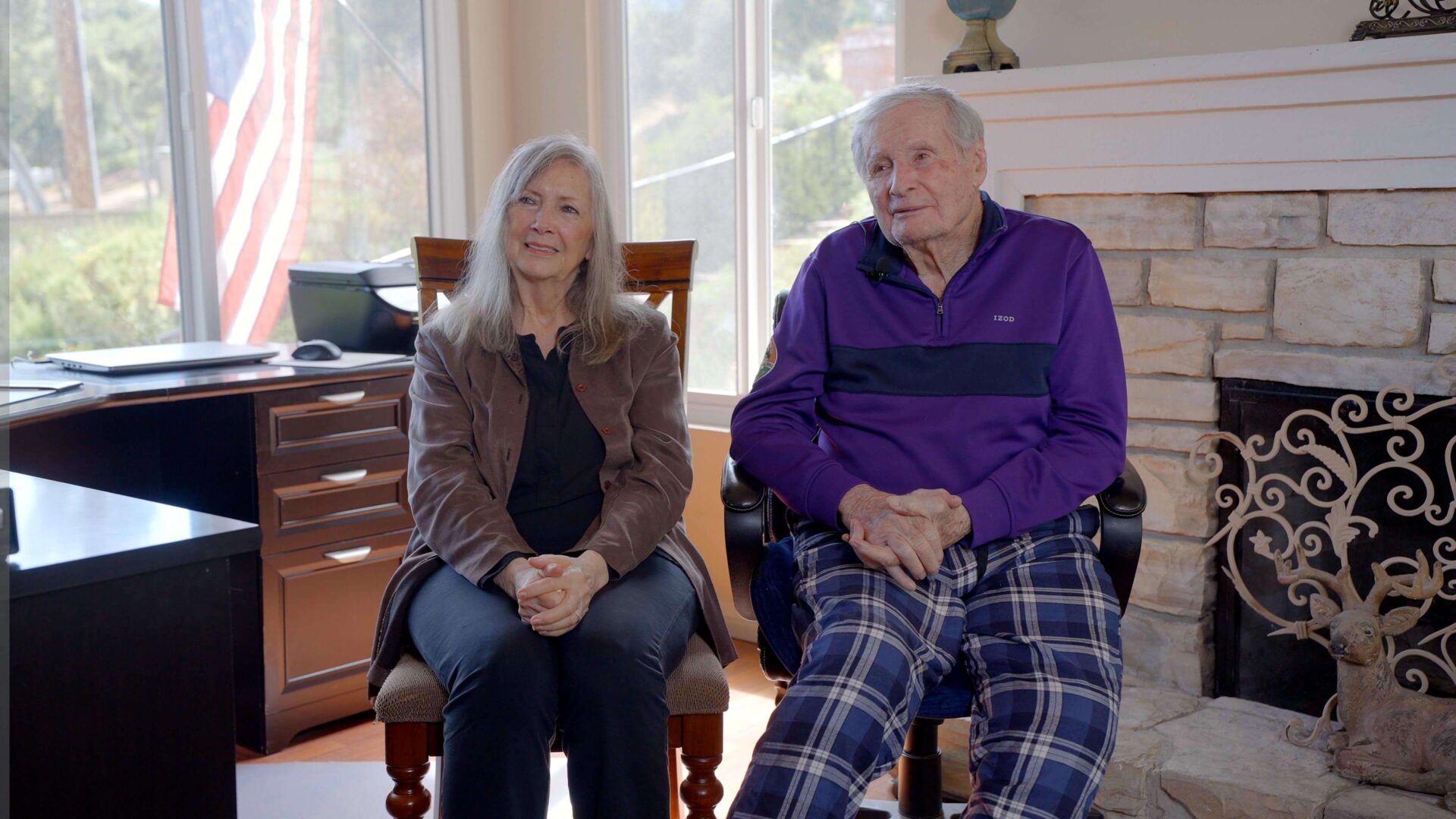
When facing serious health conditions or managing chronic illnesses, families often seek care options that provide comfort and support. But what’s the difference between home health care and hospice? Many people in Monterey and beyond struggle to determine which service best suits their loved one’s needs.
Both home health and hospice provide essential medical care at home, but they serve different purposes. Understanding the distinctions can help you make the best decision for your family. In this blog, we’ll break down the key differences, address common misconceptions, and guide you toward choosing the right care option.
Common Challenges and Misconceptions
Many people assume that home health and hospice care are interchangeable, but they are quite different. Some common misconceptions include:
- Hospice is only for the last days of life. While hospice is for end-of-life care, it can be provided for months, depending on the patient's condition.
- Home health is only for post-hospital recovery. Home health services can also be for managing chronic illnesses, not just recovery.
- You must be bedridden to receive either service. Many patients receiving home health care or hospice can still move around and engage in daily activities.
- Hospice means giving up hope. Hospice focuses on improving quality of life, not hastening death. It provides comfort, pain management, and emotional support.
Understanding these misconceptions can make it easier to choose the right service for you or your loved one.
The Solution - How Home Health and Hospice Work
What is Home Health Care?
Home health care is designed for patients who need medical assistance but are still seeking curative treatments. It is commonly prescribed for:
- Recovery after surgery, illness, or hospitalization.
- Managing chronic conditions such as diabetes or heart disease.
- Physical therapy, wound care, or skilled nursing support.
Key Features of Home Health Care:
- Provided under a doctor’s prescription.
- Includes skilled nursing, physical therapy, and rehabilitation services.
- Patients can continue curative treatments while receiving care.
- Covered by Medicare, Medicaid, and many private insurances.
What is Hospice Care?
Hospice care is for patients with a terminal illness who have chosen comfort care over curative treatment. It focuses on providing relief from pain and symptoms to enhance quality of life.
Key Features of Hospice Care:
- Requires a doctor’s certification that the patient has a life expectancy of six months or less.
- Focuses on comfort, pain management, and emotional support.
- Services include nursing care, counseling, and spiritual support.
- Typically covered by Medicare, Medicaid, and most insurance providers.
Benefits of Choosing the Right Care
Benefits of Home Health Care:
- Helps patients recover in the comfort of their home.
- Encourages independence while managing chronic conditions.
- Supports family caregivers with skilled nursing assistance.
- Reduces hospital readmissions and emergency visits.
Benefits of Hospice Care:
- Provides comprehensive comfort care for terminal patients.
- Reduces pain and enhances quality of life.
- Offers emotional and spiritual support for families.
- Allows patients to remain at home surrounded by loved ones.
Understanding these benefits can help families make informed choices about their care options.
Industry-Specific Considerations for Monterey Residents
For residents of Monterey and surrounding areas, choosing the right care service is crucial. Central Coast VNA & Hospice provides compassionate, high-quality home health and hospice services tailored to the needs of our community.
Why Choose Central Coast VNA & Hospice?
- Experienced, compassionate caregivers who prioritize patient comfort.
- Comprehensive services including skilled nursing, therapy, and palliative care.
- Local expertise in Monterey County, ensuring personalized, community-based care.
- 24/7 support to assist families through every step of care.
To learn more about our services, visit Central Coast VNA & Hospice.
FAQs About Home Health vs. Hospice
1. Is home health care covered by Medicare?
Yes, Medicare covers home health care if prescribed by a doctor and if the patient meets eligibility requirements.
2. How do I know if my loved one needs hospice care?
If curative treatments are no longer effective and the focus shifts to comfort, hospice care may be the right choice. Speak with a doctor for guidance.
3. Can hospice care be provided at home?
Yes, hospice care is primarily provided at home, though inpatient options are available for those with more complex medical needs.
4. What services does Central Coast VNA & Hospice provide?
We offer home health care, hospice, palliative care, and rehabilitation services throughout Monterey County.
5. Can I switch from home health to hospice care?
Yes, if a patient’s condition changes, they can transition from home health to hospice, ensuring continuous and appropriate care.
Take the Next Step: Contact Central Coast VNA & Hospice Today
Deciding between home health vs. hospice can be challenging, but you don’t have to do it alone. Our compassionate team is here to guide you.
📞 Call us at (831) 372-6668
🌍 Visit Central Coast VNA & Hospice to learn more.
📅 Schedule a consultation today and let us help you choose the right care for your loved one.
Choosing between home health and hospice care is a significant decision, but with the right information and support, families can ensure their loved ones receive the care they deserve. If you're in Monterey and need expert guidance, Central Coast VNA & Hospice is here to help.
Finding Strength After Loss - Trusted Bereavement Support in Monterey, CA
Understanding the Journey of Grief
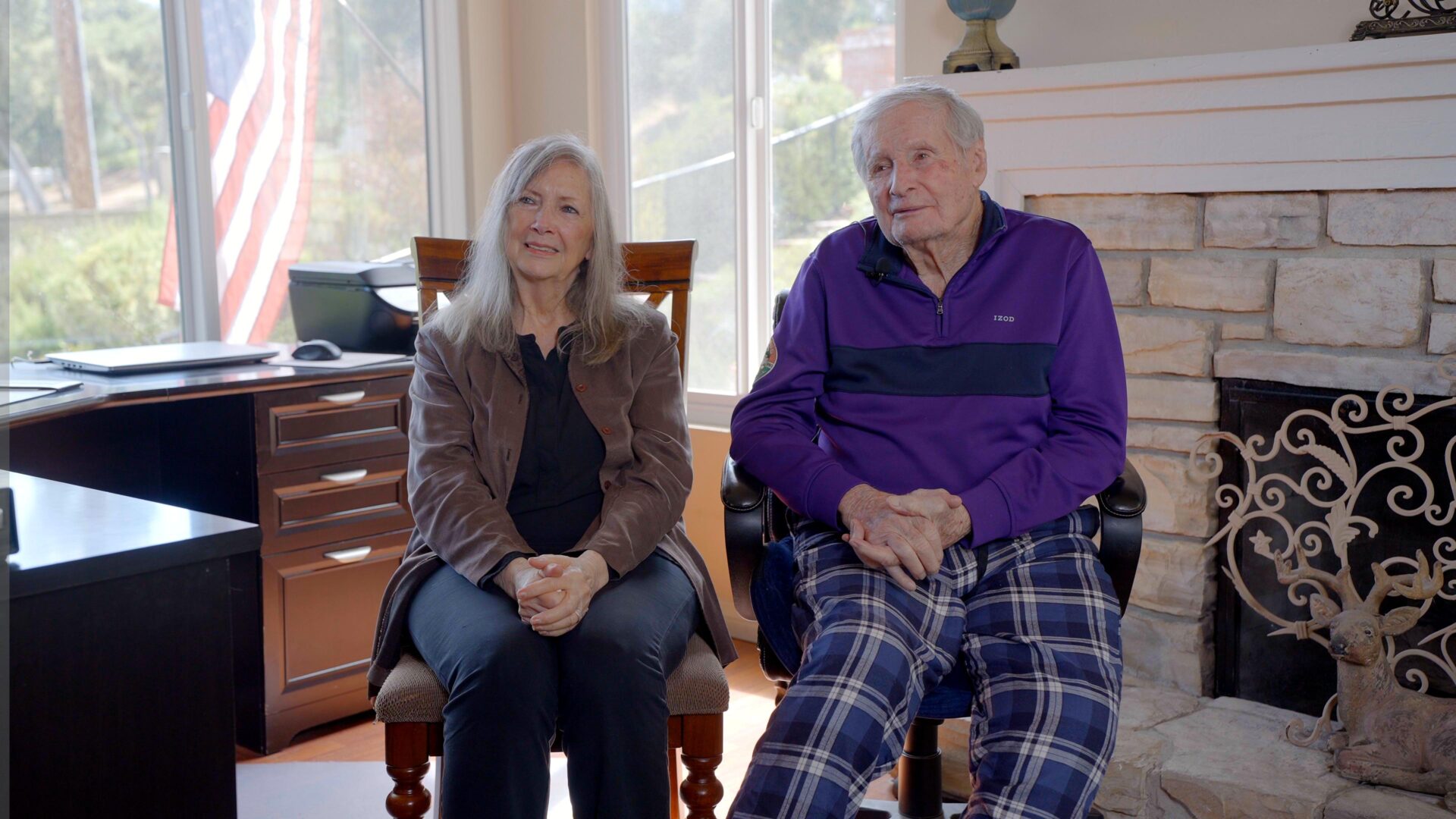
Losing a loved one is one of life’s most difficult experiences. The emotional toll can be overwhelming, leaving many feeling lost and unsure of how to move forward. Whether the loss was expected or sudden, grief manifests in different ways, affecting mental, emotional, and even physical health.
At Central Coast VNA & Hospice, we understand the complexities of bereavement and offer trusted bereavement support to individuals and families in Monterey, CA. This blog explores the challenges of grief, the importance of bereavement support, and how professional guidance can help you find strength after loss.
Common Challenges of Grief and Loss
The Emotional and Physical Impact of Grief
Grief is not a linear process; it varies for everyone. Some may experience intense sadness, anger, guilt, or even relief. Others might struggle with physical symptoms like fatigue, sleep disturbances, and a weakened immune system.
Misconceptions About Grieving
Many people believe that grief should follow a set timeline, but the reality is different for everyone. Some common myths include:
- “Time heals all wounds.” – While time can help, active coping strategies and support are essential.
- “Grief should last a set period.” – The grieving process is unique; there is no ‘right’ timeframe.
- “Avoiding emotions will help you heal faster.” – Suppressing grief can prolong emotional suffering.
Understanding these challenges is the first step in finding the right support system.
The Power of Bereavement Support in Monterey, CA
How Professional Support Helps
At Central Coast VNA & Hospice, our bereavement support services provide a structured, compassionate approach to coping with loss. Some of the ways we help include:
- One-on-One Counseling: Personalized sessions with trained grief counselors.
- Support Groups: Connecting with others who have experienced similar losses.
- Educational Resources: Guidance on the emotional, psychological, and practical aspects of grief.
- Memorial Events & Workshops: Creating spaces to honor loved ones and process emotions collectively.
DIY Coping Strategies vs. Professional Support
While personal coping strategies—such as journaling, exercise, and meditation—can be beneficial, professional bereavement support offers structured guidance tailored to individual needs. Seeking professional help ensures that grief does not become prolonged or complicated, leading to further emotional distress.
Key Benefits of Bereavement Support Services
Emotional and Psychological Healing
- Gain a deeper understanding of grief and its impact.
- Develop healthy coping mechanisms to navigate emotions.
- Receive validation and support from experienced professionals.
Strengthened Relationships and Support Networks
- Connecting with others in support groups reduces feelings of isolation.
- Strengthened family bonds through guided grief discussions.
Long-Term Well-being and Growth
- Reduced risk of prolonged grief disorder.
- Improved mental health through structured healing strategies.
- Development of resilience to handle future emotional challenges.
Choosing the Right Bereavement Support Provider in Monterey, CA
When selecting a grief support program, consider:
- Reputation & Experience: Look for providers with a history of compassionate care.
- Range of Services: Ensure they offer individual counseling, support groups, and additional resources.
- Accessibility & Location: Proximity and availability of in-person or virtual support.
- Personal Fit: Comfort and trust in the counselor or group facilitator are crucial.
Related Questions About Bereavement Support
1. How long should I attend bereavement support?
Grief support duration varies per individual. Some may find relief in a few months, while others benefit from ongoing support.
2. Is bereavement support covered by insurance?
Coverage depends on the provider and plan. Some hospice organizations offer free support services—check with your provider.
3. What’s the difference between grief counseling and support groups?
Counseling is one-on-one therapy with a licensed professional, while support groups offer peer-based shared experiences.
4. Can children attend bereavement support groups?
Yes, many programs offer specialized support for children experiencing loss.
5. What if I don’t feel ready to join a group?
Individual counseling can be a great starting point before transitioning to a group setting.
FAQs About Bereavement Support
Q: What is bereavement support?
A: Bereavement support includes counseling, groups, and resources designed to help individuals cope with grief.
Q: When should I seek grief support?
A: If grief affects daily life, seeking support can provide essential coping mechanisms.
Q: Are grief support services only for recent losses?
A: No, support is available for both recent and past losses.
Q: How do I find a bereavement support group in Monterey, CA?
A: Contact Central Coast VNA & Hospice or visit their website for local resources.
Q: What should I expect in a bereavement counseling session?
A: A safe space to express emotions, receive guidance, and develop coping strategies.
Take the Next Step: Get Compassionate Bereavement Support Today
You don’t have to navigate grief alone. Central Coast VNA & Hospice is here to provide the compassionate, professional bereavement support you need in Monterey, CA. Whether through one-on-one counseling or group sessions, we’re dedicated to helping you heal.
👉 Contact us today at 831-372-6668 or visit ccvna.com to learn more about our bereavement services.
How Senior Care Services Enhance Quality of Life for Monterey’s Aging Community
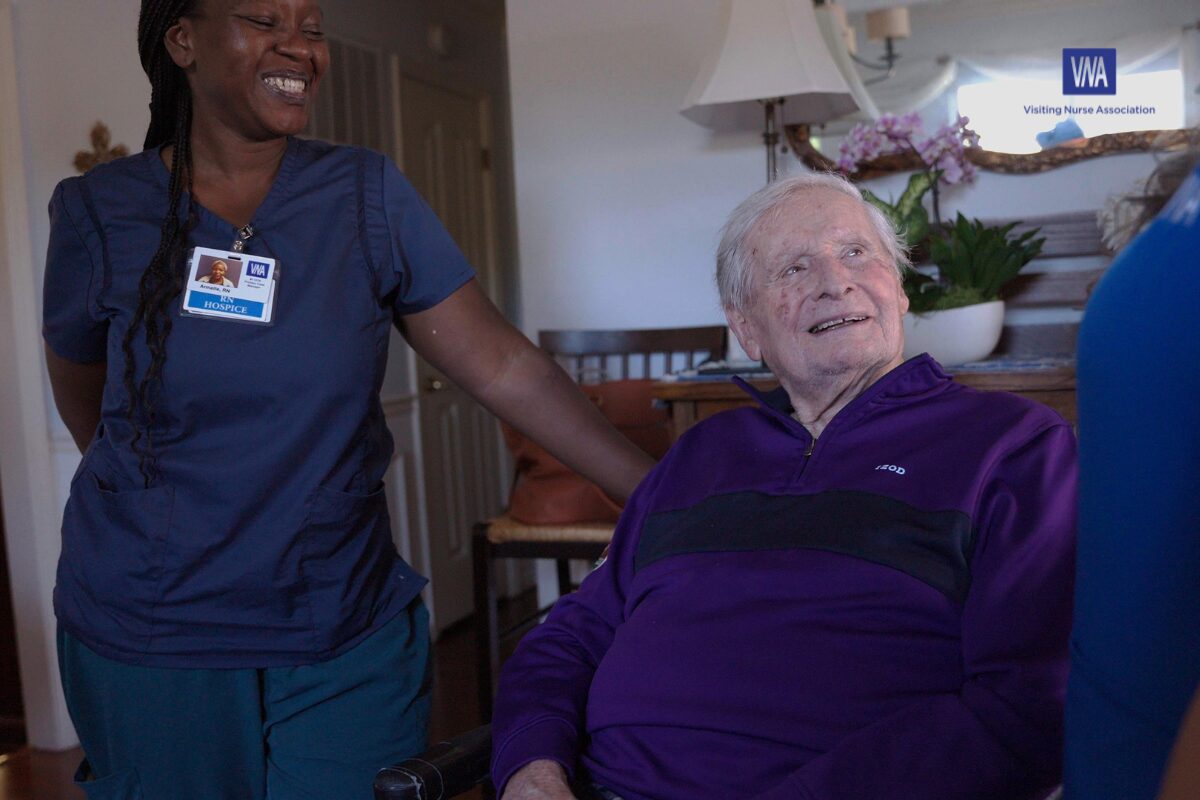
Aging is a natural part of life, and for seniors in Monterey, CA, maintaining independence and well-being is a top priority. With its mild coastal climate, stunning landscapes, and strong sense of community, Monterey is an ideal place to age gracefully. However, as individuals grow older, they may require extra support to ensure they can continue living safely and comfortably at home. That’s where senior care services come in.
If you or a loved one are considering care options, you may have questions like, “What types of senior care services are available?” or “How can home health care help maintain independence?” In this guide, we’ll explore how professional senior care services enhance quality of life and provide the support Monterey’s aging community needs.
What Are Senior Care Services?
Senior care services encompass a wide range of support options designed to assist older adults with daily activities, medical needs, and overall well-being. These services can include:
- Home Health Care – Skilled nursing, physical therapy, and rehabilitation services provided in the comfort of a senior’s home.
- Personal Care Assistance – Help with daily tasks like bathing, dressing, and meal preparation.
- Medical Social Work – Support for emotional and social well-being, connecting seniors with community resources.
- Physical, Occupational, and Speech Therapy – Programs that improve mobility, safety, and communication skills.
By integrating these services into daily life, seniors can enjoy greater independence while receiving the care they need to remain healthy and active.
How Monterey Senior Care Services Improve Quality of Life
For many seniors, remaining at home is a top priority. Monterey’s aging population benefits from services that help them stay in familiar surroundings while receiving professional care. Here’s how senior care services can make a difference:
1. Promoting Independence and Safety at Home
One of the biggest concerns for seniors is the risk of falls and injuries. In Monterey, where outdoor activities like walking along Cannery Row or enjoying a day at the beach are common, maintaining mobility is essential. Home health care services provide physical therapy to improve balance and strength, reducing fall risks and enhancing mobility.
Caregivers also help modify living spaces, recommending assistive devices and safety adjustments to ensure a secure home environment. Simple changes, like installing grab bars in bathrooms or removing tripping hazards, can greatly improve safety and confidence for aging individuals.
2. Providing Personalized Medical Care
Managing chronic conditions like heart disease, diabetes, or arthritis can be challenging. In Monterey County, where nearly 20% of the population is over the age of 65, access to reliable healthcare services is crucial. Home health care ensures seniors receive skilled nursing care, medication management, and specialized treatments without frequent hospital visits.
By having nurses and therapists visit regularly, seniors receive consistent medical attention, reducing the risk of complications and hospital readmissions. This personalized approach helps seniors maintain better health while enjoying the comfort of home.
3. Emotional and Social Well-Being
Aging can sometimes lead to feelings of isolation, especially for those without nearby family members. Social connections are essential for mental health, and Monterey’s senior care services help bridge this gap.
Medical social workers offer counseling and connect seniors with local support groups, volunteer opportunities, and community programs. Activities such as senior exercise classes, book clubs, and cultural events provide engagement and companionship. These connections help seniors remain active and engaged in their community, boosting mental well-being.
4. Assistance with Daily Activities
Simple daily tasks can become difficult as mobility decreases. Whether it’s preparing meals, grooming, or running errands, having professional caregivers ensures seniors receive the help they need without losing their sense of independence.
For example, Monterey’s year-round farmers' markets offer fresh, local produce that supports heart-healthy diets. Caregivers can assist with grocery shopping, ensuring seniors have nutritious meals that align with their dietary needs.
5. Reducing the Burden on Family Caregivers
Family members often step in to help their aging loved ones, but caregiving can be overwhelming. Senior care services provide much-needed relief by offering professional assistance, allowing family caregivers to rest and focus on their own well-being.
In Monterey, where many adult children balance work and caregiving responsibilities, having professional support can make all the difference. Whether through respite care or full-time assistance, these services ensure that both seniors and their families receive the support they need.
6. Supporting Recovery and Rehabilitation
After surgery, illness, or injury, rehabilitation is essential for a full recovery. Monterey’s home health care services offer physical, occupational, and speech therapy to help seniors regain strength and independence.
Instead of staying in a rehab facility, seniors can recover at home with professional therapists guiding them through tailored exercises and treatment plans. This approach not only speeds up recovery but also provides comfort and convenience.
7. Preserving Dignity and Enhancing Quality of Life
At the heart of senior care services is a commitment to dignity and respect. Seniors deserve compassionate care that empowers them to live life on their terms. Whether it’s assistance with personal care or companionship from a caregiver, these services ensure that aging individuals feel valued, respected, and supported.
How to Get Started with Senior Care Services in Monterey
If you or a loved one are considering home health care or personal support services, here are some steps to take:
- Assess Your Needs – Determine the level of care required, whether it’s medical support, personal assistance, or rehabilitation services.
- Consult a Professional – Reach out to a local senior care provider to discuss options and create a personalized care plan.
- Explore Community Resources – Monterey offers many programs for seniors, from wellness initiatives to social activities.
- Stay Informed – Keep up with new advancements in senior care to ensure the best possible quality of life.
Finding the Right Senior Care Provider
When choosing a senior care provider, look for:
✅ Licensed and experienced staff
✅ Personalized care plans
✅ Positive reviews from families
✅ A strong reputation in the Monterey community
At Visiting Nurse Association and Hospice, we specialize in providing compassionate, high-quality senior care services tailored to the unique needs of Monterey’s aging community. Our team of skilled nurses, therapists, and caregivers is dedicated to helping seniors live independently and comfortably.
Conclusion
Aging is a journey, and with the right support, seniors in Monterey can continue to live fulfilling, independent lives. From personalized medical care to companionship and rehabilitation, senior care services play a crucial role in enhancing quality of life.
If you or a loved one are looking for compassionate, professional care in Monterey, Visiting Nurse Association and Hospice is here to help. Contact us today to learn more about how our services can support you on this journey.
📞 Call us at 831-372-6668 to discuss senior care options for you or a loved one.
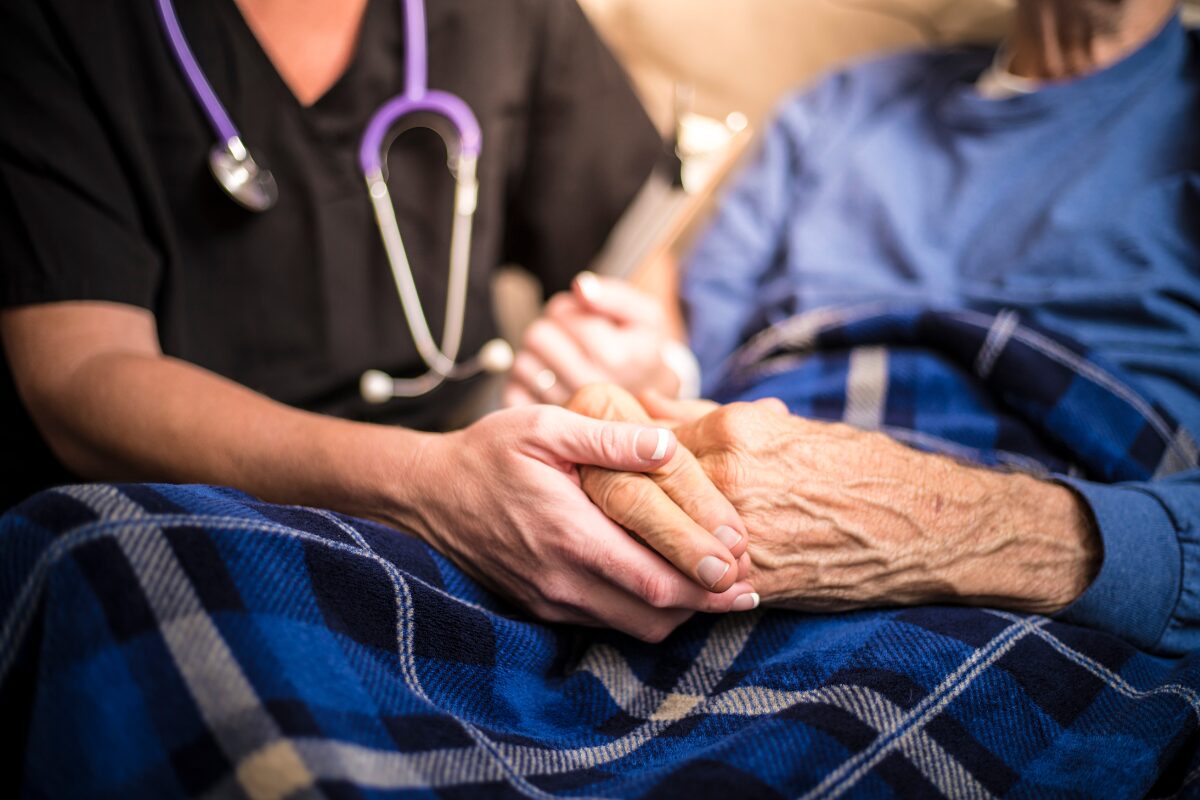
How Hospice Care in Monterey Provides Comfort and Support to Families
When a loved one is facing a life-limiting illness, families often have many questions and concerns. What is hospice care? How does it help both patients and their families? Where can you find compassionate hospice services in Monterey? These are common questions, and understanding how hospice care works can bring peace of mind during an emotional time.
At Visiting Nurse Association & Hospice, we provide expert hospice care in Monterey, offering not only medical support but also emotional and spiritual guidance. Our team is here to ensure that patients receive compassionate care while families feel supported every step of the way.
In this article, we’ll explore how hospice care improves quality of life, answers common concerns, and provides families with the comfort and resources they need.
What Is Hospice Care, and When Is It the Right Choice?
Hospice care is a specialized form of medical care focused on comfort, quality of life, and emotional support for individuals with terminal illnesses. Rather than seeking curative treatments, hospice emphasizes managing pain, easing symptoms, and supporting both the patient and their loved ones.
When should hospice care be considered?
Many families wonder when the right time is to consider hospice. Some key signs that hospice care may be beneficial include:
✔️ A life-limiting illness with a prognosis of six months or less
✔️ Frequent hospitalizations or emergency room visits
✔️ Increased pain, fatigue, or difficulty with daily tasks
✔️ A desire to focus on comfort rather than aggressive treatments
If you or a loved one are facing these challenges, it may be time to explore hospice care options in Monterey.
How Hospice Care Supports Families Emotionally and Spiritually
Caring for a loved one with a serious illness is emotionally overwhelming. Hospice care eases the burden on families by offering counseling, emotional support, and resources to help navigate this difficult time.
Emotional Support for Families
Grief and stress can take a toll on caregivers. Hospice care includes bereavement counseling, caregiver support groups, and one-on-one emotional guidance to help families cope with their emotions. Many people find comfort in talking to trained hospice professionals who understand the challenges they’re facing.
Spiritual Support in Monterey’s Peaceful Setting
For many, spirituality plays a crucial role in their end-of-life journey. Hospice care includes spiritual counselors who offer non-denominational support, helping patients and families find peace and meaning.
With Monterey’s breathtaking coastal views, families often find comfort in nature—whether it’s taking a quiet walk along Lovers Point Park or watching the waves at Asilomar State Beach. Hospice care allows families to cherish these moments together while receiving professional guidance.
What Services Does Hospice Care in Monterey Provide?
Hospice care is more than just medical treatment—it’s a comprehensive support system that includes:
1. Expert Pain and Symptom Management
Hospice care ensures that patients remain comfortable by managing pain, nausea, shortness of breath, and other distressing symptoms. Skilled nurses and doctors work closely to create a care plan that aligns with the patient’s wishes.
2. In-Home Care for Familiar Comfort
Most hospice care is provided in the comfort of home, allowing patients to stay in a familiar setting with loved ones nearby. In Monterey, many families appreciate being able to enjoy the beauty of their surroundings—whether it's a peaceful afternoon at home or a quiet moment in the backyard.
3. Respite Care for Family Caregivers
Caring for a loved one can be exhausting. Hospice offers respite care, giving family caregivers time to rest while professionals take over their responsibilities for a short period.
4. 24/7 Support and Guidance
Hospice teams are available 24 hours a day, 7 days a week to answer questions, provide urgent care, and ensure families feel supported at all times.
Why Choose Hospice Care in Monterey?
Monterey is known for its tight-knit community and commitment to quality healthcare. Choosing hospice care here means access to experienced professionals who provide compassionate, personalized support.
The Benefits of Choosing a Local Hospice Team
🌊 Familiarity with the local community – Hospice teams understand the needs of Monterey families.
🌞 Mild coastal climate – Ideal for keeping patients comfortable year-round.
🏡 Home-based care in a peaceful setting – Monterey’s natural beauty provides a serene environment for patients and families.
Hospice care allows families to spend meaningful time together, free from the stress of managing symptoms and navigating complex medical decisions alone.
How to Begin Hospice Care in Monterey
Starting hospice care may feel like a difficult decision, but you don’t have to do it alone. Here’s how to get started:
1️⃣ Talk to your doctor – If you or a loved one have been diagnosed with a life-limiting illness, discuss hospice care options with your healthcare provider.
2️⃣ Contact a hospice provider – At Visiting Nurse Association & Hospice, we can answer your questions and guide you through the process.
3️⃣ Schedule a consultation – Our team will evaluate your needs and create a personalized care plan.
4️⃣ Begin receiving support – Once enrolled, you’ll have access to a dedicated care team that includes nurses, social workers, chaplains, and volunteers.
Final Thoughts: Finding Comfort and Peace with Hospice Care
Hospice care is about honoring life, embracing comfort, and supporting families during a difficult time. Whether it’s relief from pain, emotional guidance, or simply having a compassionate team by your side, hospice care in Monterey provides the resources and support needed for a more peaceful journey.
If your family is navigating end-of-life care decisions, know that you’re not alone. Our compassionate team at Visiting Nurse Association & Hospice is here to provide comfort, dignity, and unwavering support every step of the way.
Reach out today to discover how hospice care can make a difference. Let’s navigate this journey together. 💙