

Navigate End-Stage Cardiac Care for Your Loved One with These 4 Empowering Insights
Understanding End-Stage Cardiac Care
When a loved one is facing end-stage cardiac disease, it can be overwhelming and confusing. Understanding the basics of end-stage cardiac care is crucial to providing the best support and advocacy.
End-stage cardiac disease refers to the advanced stage of heart disease where treatments are no longer able to provide a cure. It is important to recognize the signs and symptoms of end-stage cardiac disease, such as severe shortness of breath, fatigue, and fluid retention.
During this stage, the heart's ability to pump blood effectively is significantly reduced, causing a decline in overall health and quality of life. It is essential to work closely with healthcare professionals to understand the prognosis and available treatment options.
End-stage cardiac disease can have a profound impact on both the individual and their loved ones. It is a time filled with uncertainty and emotional distress. However, it is important to remember that there are resources and support systems available to help navigate this challenging journey.
The Role of Palliative Care in Cardiac Disease
Palliative care is a specialized form of medical care aimed at improving the quality of life for individuals with serious illnesses, including end-stage cardiac disease. It focuses on managing symptoms, providing emotional support, and enhancing overall well-being.
Integrating palliative care into end-stage cardiac care can help address pain, breathlessness, anxiety, and depression. It is important to discuss with healthcare providers the possibility of palliative care involvement to ensure comprehensive support for your loved one.
Palliative care teams consist of healthcare professionals, such as doctors, nurses, social workers, and counselors, who work together to provide holistic care. They collaborate with the patient, their family, and other healthcare providers to develop a personalized care plan that aligns with the individual's goals and values.
One of the key benefits of palliative care is its focus on open communication and shared decision-making. The palliative care team ensures that patients and their families are well-informed about the available treatment options, potential risks, and benefits. This empowers individuals to make informed choices that align with their values and preferences.
In addition to symptom management and emotional support, palliative care also addresses the spiritual and psychosocial needs of individuals with end-stage cardiac disease. This comprehensive approach recognizes the importance of addressing the whole person, not just their physical symptoms.
It is important to note that palliative care is not limited to end-of-life care. It can be provided alongside curative treatments and is available at any stage of a serious illness. By integrating palliative care early on in the management of end-stage cardiac disease, individuals can experience an improved quality of life and better symptom control.
Conclusion
Understanding end-stage cardiac care is essential for providing optimal support and advocacy for loved ones facing this challenging stage of heart disease. Recognizing the signs and symptoms, exploring the role of palliative care, and engaging in open communication with healthcare professionals can help ensure comprehensive and compassionate care for individuals with end-stage cardiac disease.
Empowering Insight 1: Advocating for Your Loved One
Being an advocate for your loved one is crucial in navigating end-stage cardiac care. Effective communication and active involvement in medical discussions and decisions can significantly impact their overall well-being.
The Importance of Communication in Care
Open and honest communication with your loved one's healthcare team is essential for ensuring that their needs and wishes are heard and addressed. Regularly discussing their symptoms, concerns, and treatment options can help tailor the care plan to their specific needs.
Furthermore, it is important to establish a strong rapport with the healthcare professionals involved in your loved one's care. Building trust and fostering a collaborative relationship can enhance the effectiveness of communication and promote a more comprehensive understanding of your loved one's condition.
Moreover, effective communication extends beyond the healthcare team. Engaging in open dialogue with your loved one and other family members can provide emotional support and foster a sense of unity during this challenging time. By sharing information and updates, you can ensure that everyone is on the same page regarding your loved one's health status and any changes in their care plan.
Navigating Medical Discussions and Decisions
When faced with complex medical discussions and decisions, it is essential to gather as much information as possible. Seek clarification from healthcare professionals about the risks and benefits of different treatment options.
Additionally, consider seeking a second opinion from another qualified healthcare provider. This can provide you with a broader perspective and help you make more informed decisions about your loved one's care.
Furthermore, understanding your loved one's goals and preferences is crucial in making decisions that align with their wishes. Engage in thoughtful conversations with them, taking into account their quality of life, comfort, and personal values. By involving your loved one in these discussions, you empower them to actively participate in decisions regarding their care.
It is also important to be aware of any legal documents, such as advance directives or living wills, that your loved one may have in place. These documents outline their healthcare preferences and can serve as a guide when making decisions on their behalf.
Remember, advocating for your loved one involves being their voice and ensuring that their best interests are always at the forefront of medical discussions and decisions. By actively participating in their care, you can help improve their overall well-being and provide them with the support they need during this challenging time.
Empowering Insight 2: Understanding Medications and Treatments
Knowing the medications and treatments commonly used in end-stage cardiac care can help you better understand their purpose and potential side effects.
When it comes to end-stage cardiac care, medications play a crucial role in managing symptoms, improving heart function, and preventing complications. Three commonly prescribed medications in this context are diuretics, beta-blockers, and ACE inhibitors.
Diuretics, also known as water pills, help the body get rid of excess fluid, reducing swelling and relieving symptoms such as shortness of breath. These medications work by increasing urine production, which helps decrease the workload on the heart.
Beta-blockers, on the other hand, work by blocking the effects of adrenaline, a hormone that increases heart rate and blood pressure. By slowing down the heart rate and reducing the force of contractions, beta-blockers help improve heart function and decrease the workload on the heart.
ACE inhibitors, short for angiotensin-converting enzyme inhibitors, are medications that relax blood vessels, making it easier for the heart to pump blood. They also help reduce the levels of certain hormones that can contribute to heart failure. By improving blood flow and reducing strain on the heart, ACE inhibitors can significantly improve symptoms and overall quality of life.
While these medications can be highly effective, it's important to be aware of their potential side effects. Diuretics, for example, can cause electrolyte imbalances, leading to low potassium levels. Beta-blockers may cause fatigue, dizziness, or even depression in some individuals. ACE inhibitors can sometimes lead to a persistent dry cough or low blood pressure.
Common Medications for End-Stage Cardiac Care
Medications such as diuretics, beta-blockers, and ACE inhibitors are commonly prescribed to manage symptoms, improve heart function, and prevent complications. Understanding how these medications work and their potential side effects can help you support your loved one in adhering to their prescribed regimen.
It's important to note that every individual may respond differently to these medications, and healthcare professionals closely monitor their effects to ensure optimal results. Regular check-ups and open communication with the healthcare team are essential to address any concerns or adjust the treatment plan if necessary.
Non-Medical Therapies and Their Role
In addition to medications, non-medical therapies can play a significant role in managing symptoms and improving overall well-being. These therapies focus on lifestyle modifications and complementary approaches that can complement the medical treatment plan.
Lifestyle modifications, such as dietary changes and exercise, are key components of non-medical therapies. A heart-healthy diet, low in sodium and saturated fats, can help reduce fluid retention and maintain a healthy weight. Regular exercise, under the guidance of healthcare professionals, can improve cardiovascular fitness, strengthen the heart, and enhance overall well-being.
Complementary therapies, such as acupuncture or relaxation techniques, can also provide additional support in end-stage cardiac care. Acupuncture, an ancient practice originating from traditional Chinese medicine, involves the insertion of thin needles into specific points on the body to promote healing and balance. Relaxation techniques, such as deep breathing exercises or meditation, can help reduce stress, lower blood pressure, and improve overall mental and emotional well-being.
Discuss with healthcare professionals the potential benefits and risks of non-medical therapies to determine which ones may be appropriate for your loved one's specific situation. They can provide guidance based on the individual's overall health, preferences, and any potential interactions with medications.
Remember, a comprehensive approach that combines both medical and non-medical therapies can provide the best outcomes in end-stage cardiac care. By understanding the medications and treatments available, as well as the potential benefits of non-medical therapies, you can actively support your loved one's journey towards improved heart health and well-being.
Empowering Insight 3: Managing Symptoms and Comfort
End-stage cardiac care often involves managing symptoms and ensuring your loved one's comfort. Recognizing and addressing pain and other discomforts are essential in providing the best possible care.
Recognizing and Addressing Pain
Pain is a common symptom in end-stage cardiac disease, and it can significantly impact your loved one's quality of life. Pay close attention to any signs of pain or discomfort they may exhibit and communicate this information to their healthcare team.
Together with healthcare professionals, you can develop a pain management plan that may include medications, relaxation techniques, and other interventions to alleviate pain and improve overall comfort.
Ensuring Comfort and Quality of Life
In addition to pain management, other measures can help ensure your loved one's comfort. These may include optimizing their living environment, providing emotional and psychological support, and involving them in activities they enjoy.
By focusing on their comfort and quality of life, you can help create a nurturing and supportive environment that promotes overall well-being.
Empowering Insight 4: Emotional and Psychological Support
End-stage cardiac disease not only affects the physical health of your loved one but can also take a toll on their emotional and psychological well-being. Providing support in these areas is crucial for their overall care.
Dealing with Emotional Challenges
Witnessing your loved one's decline in health can be emotionally challenging for both them and you. It is important to acknowledge and address these emotions, seeking support from friends, family, or mental health professionals when needed.
Encouraging open communication and allowing your loved one to express their fears, anxieties, and hopes can help them cope with the emotional challenges they may face during end-stage cardiac care.
The Role of Mental Health in Cardiac Care
Mental health plays a significant role in overall well-being, especially when dealing with end-stage cardiac disease. Consider seeking support from mental health professionals who can help address anxiety, depression, and other psychological factors that may arise during this challenging time.
By prioritizing mental health, you can support your loved one in maintaining a positive outlook, reducing stress, and enhancing their overall emotional well-being.
By understanding the basics of end-stage cardiac care, advocating for your loved one, and understanding medications, treatments, and symptom management, you can navigate the challenges of end-stage cardiac care more effectively. Additionally, providing emotional and psychological support is integral to fostering their overall well-being during this difficult time. Remember, being an active participant in your loved one's care journey can make a significant difference in their comfort, quality of life, and final moments.

The 7 Most Common Palliative Care Questions Addressed
Palliative care is a topic that is often misunderstood and surrounded by misconceptions. In this article, we aim to address the nine most common palliative care questions to provide clarity and understanding to those who may be seeking this type of care for themselves or their loved ones.
Understanding Palliative Care
Palliative care is a specialized approach to providing care for individuals with serious illnesses. Its main focus is to improve the quality of life for patients and their families by addressing physical, emotional, and spiritual needs.
When it comes to serious illnesses, the impact goes beyond just the physical symptoms. Patients often experience emotional distress, such as anxiety, depression, and fear. Palliative care recognizes the importance of addressing these emotional needs, providing support and counseling to help patients cope with the challenges they face.
In addition to addressing physical and emotional needs, palliative care also acknowledges the significance of spiritual well-being. For many individuals, spirituality plays a vital role in their lives, providing comfort and meaning. Palliative care professionals work closely with patients to understand their spiritual beliefs and provide the necessary support to nurture their spiritual well-being.
Defining Palliative Care
One of the most common palliative care questions, is that palliative care is often misunderstood as end-of-life care. However, it is important to note that palliative care is not restricted to individuals who are nearing the end of their lives. Rather, it can be implemented at any stage of a serious illness, regardless of the prognosis.
One of the key aspects of palliative care is its focus on holistic care. It takes into account the physical, emotional, and spiritual aspects of a patient's life, recognizing that all these elements are interconnected and contribute to their overall well-being. By addressing these different dimensions, palliative care aims to provide comprehensive support that goes beyond just managing symptoms.
Another important aspect of palliative care is its emphasis on open and honest communication. Palliative care professionals work closely with patients and their families to ensure that they are well-informed about their condition, treatment options, and potential outcomes. This shared decision-making process allows patients to actively participate in their care and make choices that align with their values and goals.
The Purpose of Palliative Care
The primary goal of palliative care is to provide relief from the symptoms and stresses that come with serious illnesses. It aims to improve the patient's overall well-being and support them in making informed decisions about their care. Palliative care also focuses on providing support to family members and loved ones during this challenging time.
By addressing physical symptoms such as pain, nausea, and shortness of breath, palliative care helps to enhance the patient's comfort and quality of life. This may involve the use of medications, therapies, and other interventions tailored to the individual's needs.
Furthermore, palliative care recognizes the importance of psychosocial support. Patients and their families often experience significant emotional and psychological distress when dealing with a serious illness. Palliative care professionals provide counseling, support groups, and other resources to help individuals navigate these challenges and maintain their mental well-being.
Lastly, palliative care acknowledges the crucial role of family and loved ones in the patient's care journey. It provides support and guidance to family members, helping them cope with the emotional and practical aspects of caregiving. By addressing the needs of both the patient and their loved ones, palliative care aims to create a supportive and compassionate environment for all those involved.
The Process of Palliative Care
The process of palliative care involves a multidisciplinary team of healthcare professionals who work together to provide holistic care. Palliative care is a specialized approach that focuses on improving the quality of life for patients facing serious illnesses. It aims to provide relief from symptoms, pain, and stress, while also addressing the emotional, social, and spiritual needs of the patient and their family.
When a patient's illness begins to impact their quality of life, palliative care can be initiated. This can happen at any point during the course of the illness, regardless of whether the patient is receiving curative treatments. Palliative care is not limited to end-of-life care; it can be provided alongside other treatments to help manage symptoms and improve overall well-being.
Initiation of Palliative Care
Palliative care can be initiated at any point during a patient's illness. It is often recommended when the symptoms of the illness begin to impact the patient's quality of life. Patients may experience physical symptoms such as pain, nausea, or shortness of breath, as well as emotional and psychological distress. Palliative care aims to alleviate these symptoms and improve the patient's comfort and well-being.
When palliative care is initiated, a comprehensive assessment is conducted to determine the patient's needs and goals. This assessment takes into account the physical, emotional, social, and spiritual aspects of the patient's life. The palliative care team works closely with the patient and their family to develop a personalized care plan that addresses their unique needs and preferences.
Throughout the course of the illness, the palliative care team provides ongoing support and guidance. They work collaboratively to ensure that the patient's physical symptoms are managed effectively, using a combination of medications, therapies, and other interventions. They also provide emotional support to help patients and their families cope with the challenges of living with a serious illness.
The Role of the Palliative Care Team
The palliative care team consists of healthcare professionals such as doctors, nurses, social workers, and chaplains, who work collaboratively to address the physical, emotional, and spiritual needs of the patient. Each member of the team brings a unique set of skills and expertise to provide comprehensive care.
Doctors play a crucial role in palliative care by managing the patient's medical needs. They assess and treat physical symptoms, prescribe medications, and coordinate with other healthcare providers to ensure that the patient receives the best possible care. Nurses provide hands-on care and support, monitoring the patient's symptoms, administering medications, and providing education and guidance to the patient and their family.
Social workers play an important role in palliative care by providing emotional support and counseling to patients and their families. They help patients navigate through the healthcare system, connect them with community resources, and assist with advance care planning. Chaplains provide spiritual support and guidance, respecting the patient's individual beliefs and values.
Together, the palliative care team works collaboratively to ensure that the patient's physical, emotional, and spiritual needs are addressed. They provide ongoing support and guidance to help patients and their families navigate through the complex healthcare system, make informed decisions, and find meaning and comfort in their journey.
Common Misconceptions about Palliative Care
There are several misconceptions surrounding palliative care that often prevent individuals from seeking this type of care when they need it the most. Let's debunk some of these myths.
Debunking Palliative Care Myths
One common myth is that palliative care is only for individuals with cancer. In reality, palliative care is available for individuals with any serious illness, such as heart disease, lung disease, or neurological conditions.
Palliative Care vs Hospice Care
Another misconception is that palliative care and hospice care are the same. While both focus on providing comfort and support, palliative care can be offered alongside curative treatments, whereas hospice care is typically provided when curative treatments are no longer pursued and end-of-life care is the primary focus.
Addressing the Most Common Palliative Care Questions
When Should Palliative Care Start?
Palliative care can start at any point after the diagnosis of a serious illness. It is not limited to the end stages of the disease. In fact, early initiation of palliative care has been shown to improve quality of life and patient outcomes.
Who Provides Palliative Care?
Palliative care is provided by a team of healthcare professionals, as mentioned earlier. The team works together to provide comprehensive care that addresses the physical, emotional, and spiritual needs of the patient.
Is Palliative Care Only for the Elderly?
Contrary to popular belief, palliative care is not just for the elderly. It is suitable for individuals of any age who are facing a serious illness. The focus of palliative care is on improving the quality of life and providing support regardless of the age of the patient.
Can Palliative Care Happen at Home?
Yes, palliative care can be provided in various settings, including the patient's home. Home-based palliative care allows patients to receive the necessary support and care in the comfort of their own familiar surroundings.
How is Pain Managed in Palliative Care?
Pain management is a crucial aspect of palliative care. The palliative care team works closely with patients to develop an individualized plan for managing pain and other symptoms. Medications, therapies, and non-pharmacological interventions are utilized to ensure optimal pain relief and comfort.
Does Insurance Cover Palliative Care?
Most health insurance plans cover palliative care services. However, it is advisable to check with your insurance provider to determine the specific coverage and any potential out-of-pocket expenses. Financial assistance programs may also be available for those who qualify.
Can Palliative Care Extend Life?
Palliative care is not aimed at curing the underlying illness. However, it can improve the patient's quality of life, manage symptoms effectively, and potentially extend their life by addressing their physical and emotional needs comprehensively.
In conclusion, palliative care plays a crucial role in providing support and improving the quality of life for individuals with serious illnesses. By addressing the nine most common questions surrounding palliative care, we hope to dispel misconceptions and provide clarity on the benefits and availability of this specialized form of care.
Top 7 Tips for Seniors to Maintain Wellness Amid Holiday Festivities
The holiday season is a joyous time, filled with family gatherings, delicious feasts, and cherished traditions. However, for seniors, it can also bring some health challenges. As we age, our bodies may become more susceptible to illnesses, and the hustle and bustle of the holidays can take a toll on our well-being. That's why it's crucial for seniors to prioritize their health during this festive time. In this article, we'll explore 7 essential tips to help seniors maintain wellness amid holiday festivities, ensuring a happy and healthy season.
1. Prioritize Hand Hygiene for Infection Prevention
With the colder months come the risk of colds and the flu, which can be especially concerning for seniors. One of the most effective ways to prevent illness is proper hand hygiene. Encourage seniors to wash their hands regularly with soap and warm water for at least 20 seconds, especially before meals and after being in public places. If soap and water are not available, they should use hand sanitizer with at least 60% alcohol.
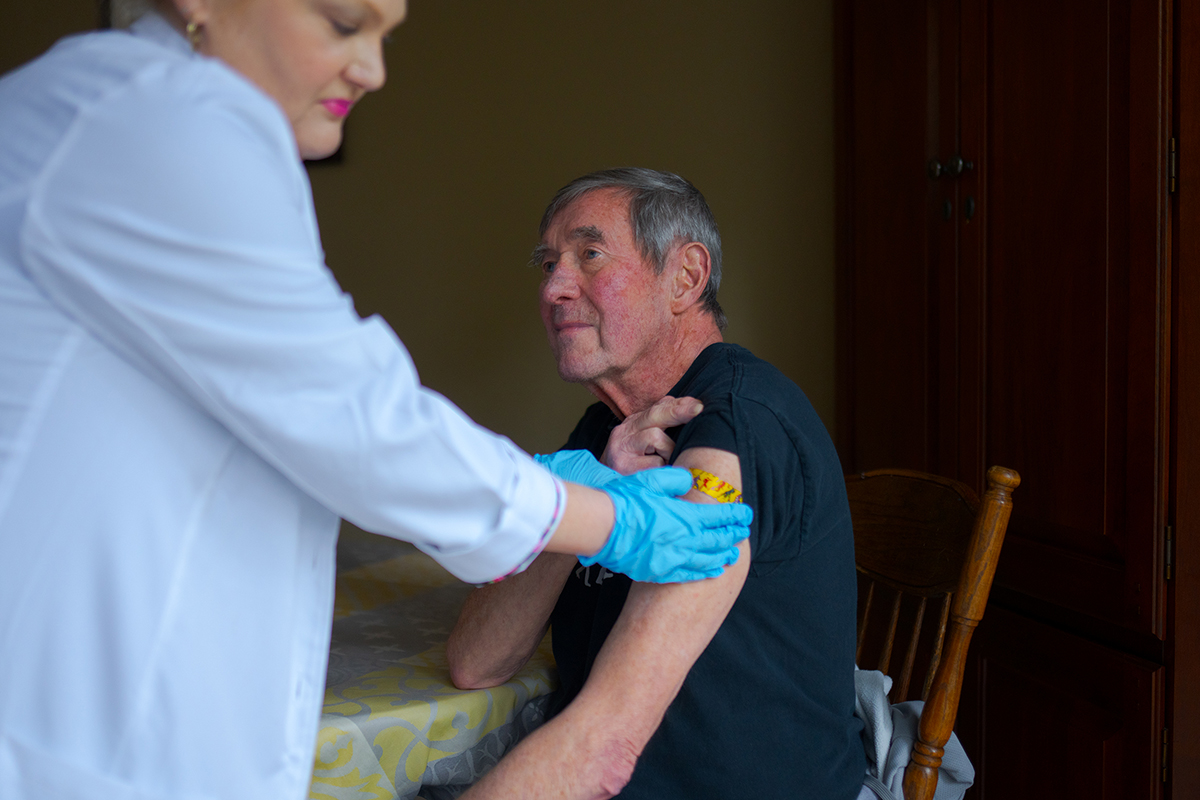
2. Seniors Should Stay Updated with Flu Vaccinations
Getting an annual flu vaccine is one of the best defenses against influenza. Seniors should ensure they receive their flu shot before the holiday season kicks off.
Many healthcare providers and flu clinics in Monterey, recognizing the increased vulnerability of seniors to the flu, provide specialized vaccines that offer enhanced protection for this age group. By taking this proactive step and getting vaccinated early, seniors can significantly reduce their risk of falling ill during the holiday season, allowing them to fully enjoy the festivities with peace of mind.
3. Maintain a Balanced Diet
Amid all the tempting holiday treats, it's essential for seniors to maintain a balanced diet to support their overall health and well-being. Encourage them to load up on fruits and vegetables, which provide essential vitamins and minerals while being low in calories. Additionally, by limiting their consumption of sugary and high-sodium foods, they can effectively manage their blood pressure and blood sugar levels, contributing to a healthier and more enjoyable holiday season.
4. Stay Active, Even Indoors
Cold weather and busy schedules can make it challenging for seniors to stay active during the holiday season. However, it's important to emphasize that regular exercise remains crucial for maintaining their overall health and well-being. Encourage them to consider enjoyable indoor activities like yoga, gentle stretching routines, or even dancing to lively holiday tunes. Staying active not only helps keep their bodies in good shape but can also significantly boost their mood and energy levels, making the holiday season more enjoyable.
5. Get Sufficient Rest
Adequate sleep is not just a luxury but a fundamental requirement for maintaining health and well-being, especially for seniors. Encourage them to prioritize getting enough rest during the holiday season by establishing a regular sleep schedule and creating a peaceful bedtime routine. Emphasize that a good night's sleep can have a profound impact on their mood, cognitive function, and immune system function, enabling them to fully enjoy the festivities and stay in good health.
6. Manage Stress Through Relaxation Techniques
The holiday season can be stressful, with added pressures like gift shopping and social gatherings. Seniors should be encouraged to manage stress through relaxation techniques such as deep breathing exercises, meditation, or mindfulness. These practices can help reduce stress levels and promote mental clarity.
7. Stay Connected and Seek Support
For many seniors, the holidays can also be a lonely time. It's crucial to stay connected with loved ones and friends, even if it's through virtual means. Loneliness can contribute to poor health outcomes, so encourage seniors to reach out for support if needed.
In conclusion, seniors can enjoy a healthy and happy holiday season by prioritizing their well-being. These 7 tips, from maintaining good hand hygiene to managing stress, can make a significant difference in their health and overall enjoyment of the holidays. By staying proactive and making health-conscious choices, seniors can create lasting memories with their loved ones during this special time of year.
Remember that the holiday season is a time for celebrating, and it should be enjoyed to the fullest. By following these tips, seniors can navigate the festivities with confidence, knowing that they are taking steps to safeguard their health and make the most of this wonderful season.

A Compassionate Connection: VNA & Hospice's Efforts to Improve Healthcare Access in Spanish-Speaking Communities
At Central Coast VNA and Hospice Inc., our commitment to compassionate care knows no bounds. We are proud to share our ongoing efforts to bridge healthcare access gaps within Spanish-speaking communities. VNA & Hospice commitment to Spanish-speaking communities and healthcare access was recently featured by National Hospice and Palliative Care Organization. View the featured post here. Through the dedication of our bi-cultural liaisons, active community engagement initiatives, and a culturally diverse approach to care, we are forging a compassionate connection that transcends language barriers and fosters a healthier, more inclusive community.
Understanding the Challenge: Addressing Healthcare Access Disparities
Healthcare access disparities remain a significant challenge in today's society. Limited access to healthcare services can have profound consequences, especially among non-English-speaking populations. Spanish-speaking communities, in particular, often face unique obstacles in accessing quality healthcare. At VNA, we recognize these disparities, and we are determined to make a difference.
Bi-Cultural Liaisons: Building Trust and Breaking Language Barriers
One of the cornerstones of our efforts to improve healthcare access is the deployment of our bi-cultural liaisons. These dedicated professionals serve as invaluable bridges between our healthcare providers and Spanish-speaking patients. Fluent in both Spanish and English, our liaisons play a crucial role in facilitating effective communication, ensuring that patients fully comprehend their diagnoses, treatment options, and healthcare plans.
Consider a scenario where a Spanish-speaking patient is confronted with a complex medical decision. Their concerns and fears are shared with our bi-cultural liaison, who then collaborates closely with the healthcare team to offer comprehensive guidance. This collaborative approach reduces anxiety and ensures that informed decisions are made, ultimately leading to improved health outcomes.
Community Engagement: Taking Healthcare Beyond Hospital Walls
At VNA, our commitment to healthcare access extends far beyond the confines of medical facilities. We actively engage with Spanish-speaking communities through community services, from health fairs and educational workshops to partnerships with local organizations. These initiatives are designed to meet individuals where they live, work, and socialize.
Through our active participation in community events, we establish trust and rapport within these communities. We become a familiar and trusted presence, making it easier for individuals to seek healthcare services when needed. Community engagement also allows us to tailor our services to the unique needs of each community, ensuring culturally sensitive care.
Cultural Diversity: Respecting Traditions and Beliefs in Spanish-Speaking Communities
Healthcare access isn't solely about overcoming language barriers; it's also about embracing cultural diversity. At VNA, we understand that healthcare services must be culturally sensitive and respectful of diverse traditions and beliefs. We ensure that our staff is culturally competent, enabling them to provide care that respects and integrates the cultural backgrounds of our patients.
This commitment to cultural competence extends to our palliative and hospice services as well. We recognize that end-of-life decisions are deeply personal and can be influenced by cultural values. Our culturally diverse team can provide personalized support and guidance, ensuring that patients and families receive care that aligns with their cultural preferences.
Home Healthcare: Bringing Quality Care to Your Doorstep
At the core of our mission to improve healthcare access is our holistic approach to care, including home health care. We understand that healthcare should be accessible in the comfort of one's home, especially for those with limited mobility or transportation options.
Our home health care services bring the expertise of registered nurses, medical social workers, and bi-cultural liaisons directly to our patients' homes. This approach ensures that healthcare is not only accessible but also convenient, enhancing the overall quality of care.
Conclusion: Fostering a Compassionate Connection
In conclusion, at Central Coast VNA and Hospice Inc., we are committed to improving healthcare access in Spanish-speaking communities. Through the dedication of our bi-cultural liaisons, active community engagement, and a commitment to cultural diversity, we are forging a compassionate connection that transcends language and cultural barriers.
Our holistic approach to healthcare, including home healthcare services, ensures that individuals receive the care they need, when and where they need it. By addressing healthcare access disparities head-on, we are not only improving the health of individuals but also strengthening the fabric of our communities.
In a world where healthcare disparities persist, we stand as an organization that values inclusivity, cultural sensitivity, and the well-being of all individuals, regardless of their background or language. Through our unwavering dedication, we are creating a healthier, more accessible future for Spanish-speaking communities.
Empowering Independence: 5 Reasons Home Health Care Services Make a Difference
1. Personalized Care in Familiar Surroundings
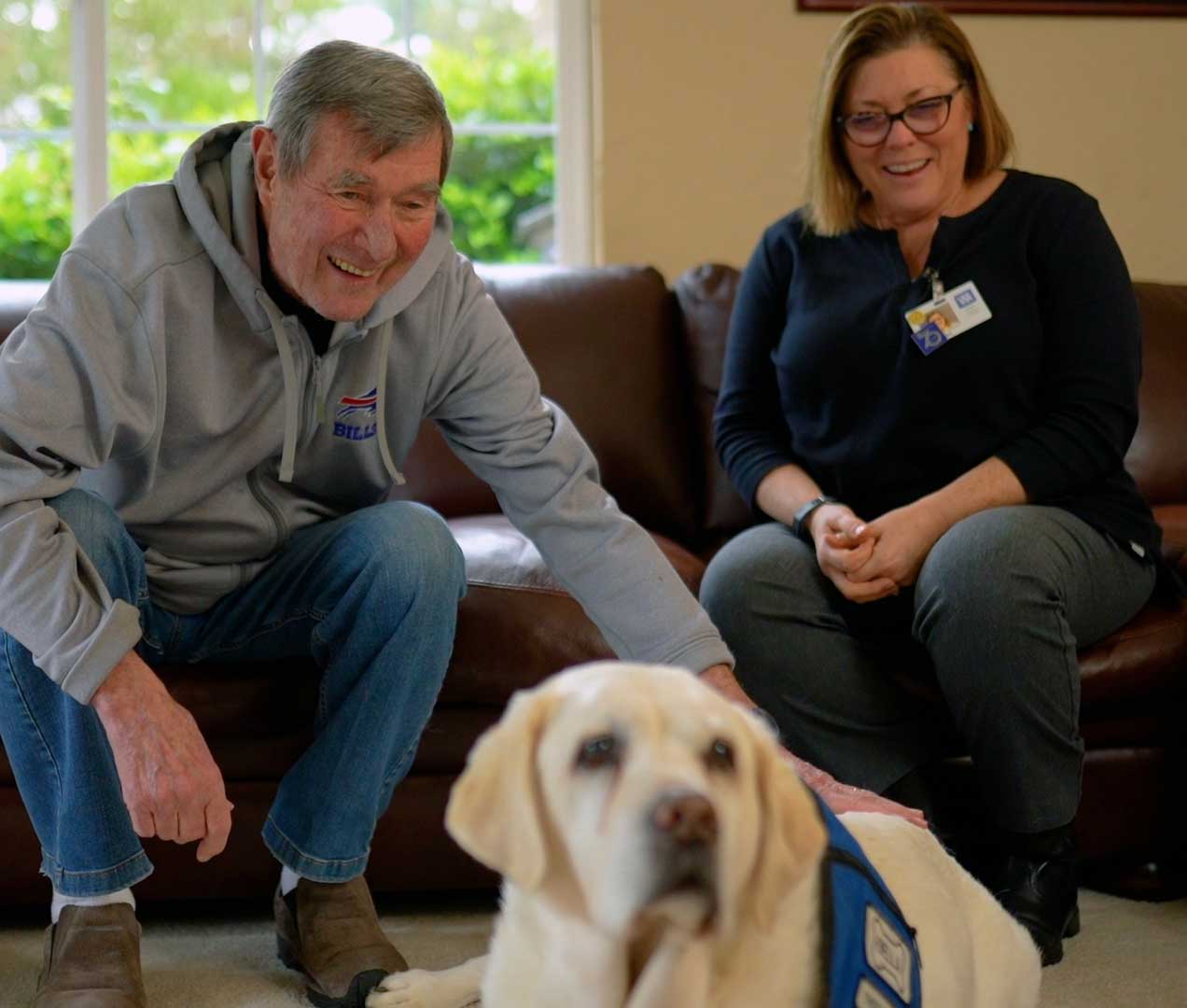
Home health care brings healthcare professionals right to the doorstep of seniors. This means care is provided in the comfort of their own homes, surrounded by familiar belongings and cherished memories. The environment plays a significant role in emotional well-being, and being at home can have positive effects on mental and physical health. With elderly home health care, seniors receive personalized attention tailored to their specific needs, enhancing their overall quality of life.
2. Home Health Care Services Promote Independence
One of the primary goals of home health care services is to promote independence. These services are designed to assist seniors with daily activities while respecting their autonomy. Care plans are carefully crafted to address individual needs, allowing seniors to maintain a sense of control and dignity. This empowerment fosters a positive outlook on life and a higher level of satisfaction. Seniors not only receive assistance but are encouraged to engage in activities that align with their interests and abilities, further boosting their self-esteem and sense of accomplishment.
3. Companionship and Emotional Support
Home health care services extend beyond physical care. They also provide essential emotional support and companionship. Many seniors experience feelings of isolation, especially if they live alone. Caregivers not only offer assistance with tasks but also engage in meaningful conversations, companionship, and social interaction, which can significantly enhance mental well-being. This emotional connection goes beyond healthcare; it creates a friendship that combats loneliness and contributes to improved mental and emotional health.
4. Tailored Healthcare Plans
Every individual has unique healthcare needs. Home health care services recognize this and develop personalized care plans. Whether it's managing medications, providing wound care, or assisting with mobility, these plans are designed to ensure that seniors receive the specific care they require. This tailored approach leads to more effective care outcomes and better overall health. Seniors benefit from specialized attention that addresses their individual challenges and health goals, contributing to an improved quality of life.
5. Peace of Mind for Families
Choosing home health care services brings peace of mind to families. Knowing that your loved ones are receiving professional care in a familiar environment eliminates the worry and stress associated with their well-being. Families can also be involved in the care process, staying informed about their loved ones' health and progress. This involvement fosters a sense of unity and shared responsibility, creating a support network that benefits both seniors and their families. The peace of mind derived from knowing that seniors are well cared for contributes to a more harmonious and balanced family dynamic.
In conclusion, home health care services have a profound impact on the lives of seniors and their families. The ability to age gracefully while remaining in a beloved home environment is invaluable. From personalized care and promoting independence to emotional support and tailored healthcare plans, these services are designed to enhance the overall well-being of seniors. If you're seeking elderly home health care services in Monterey, CA, you're choosing a path that empowers independence and prioritizes the comfort and dignity of your loved ones.
Investing in home health care services is an investment in a better quality of life. It's a way to ensure that seniors can continue enjoying the familiar surroundings they hold dear while receiving the necessary care. When you choose home health care, you're not just opting for care; you're choosing to empower your loved ones' independence and well-being.
5 Impactful Home Care Services That Bring Comfort and Support
When it comes to maintaining health and well-being, receiving care in the comfort of one's own home can make a significant difference. Home care services provide personalized support and assistance to individuals who need additional help to live a healthier lifestyle at home.
Discover how these impactful home care services bring comfort and support to patients and their families:
1. Skilled Nursing Services
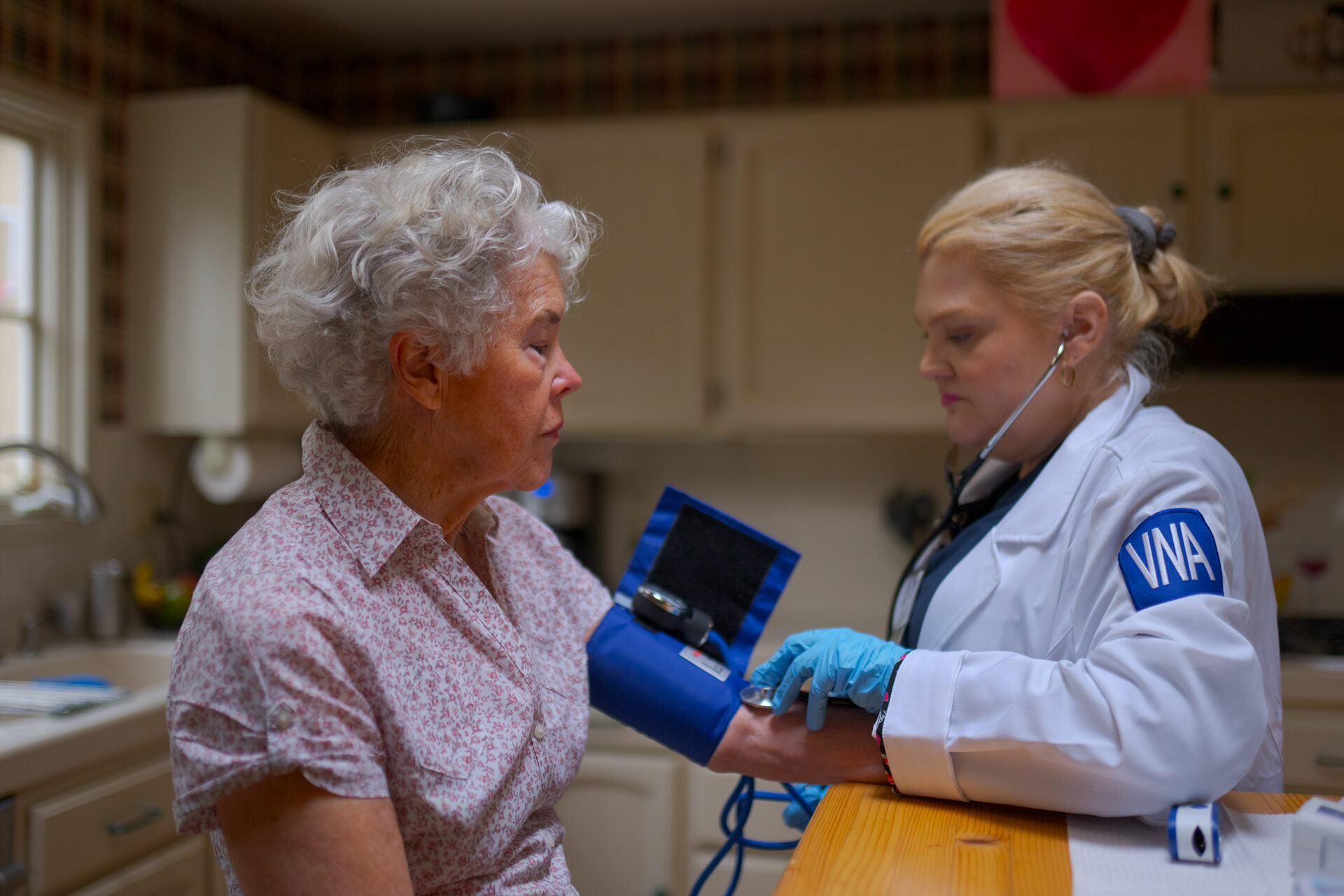
At VNA Home Health Care, a team of skilled and certified nurses plays a crucial role in providing comprehensive care. They evaluate personal health and the home environment, provide education and resources to manage symptoms, coordinate care among different providers, and communicate progress with caregivers and doctors. Skilled nursing services include wound care, medication management, and intravenous (IV) care, ensuring that patients receive the necessary medical attention in the comfort of their own homes.
The presence of skilled and certified nurses at VNA Home Health Care ensures that patients receive high-quality care that is tailored to their unique needs. Their expertise, compassionate approach, and dedication to promoting patient well-being contribute significantly to the success of home-based healthcare. With the support and guidance of these skilled professionals, patients and their families can feel confident in their ability to manage health conditions and achieve improved overall health outcomes.
2. Physical Therapy
Physical therapists at VNA Home Health Care work closely with patients to improve strength, mobility, and balance. They develop personalized home exercise plans, recommend assistive devices or medical equipment, and assess and treat the risk of falling. Through targeted interventions, physical therapy helps individuals regain independence, enhance safety, and achieve optimal physical functioning within their home environment.
3. Occupational Therapy
Occupational therapists are essential members of the VNA Home Health Care team, specializing in assisting patients in maintaining independence and safety in their daily activities. They bring a unique perspective to patient care by evaluating the home environment and identifying potential challenges that may hinder functional abilities. By thoroughly assessing the physical, cognitive, and environmental factors, occupational therapists develop comprehensive plans to address limitations and promote optimal functioning.
One of the primary roles of occupational therapists is to recommend solutions and techniques that can enhance a patient's ability to engage in daily activities. They work closely with patients to identify areas where modifications or adaptations can be made within the home environment to promote safety and ease of movement. Whether it's suggesting assistive devices, recommending home modifications, or providing strategies to conserve energy and reduce strain, occupational therapists aim to create an environment that supports independence and maximizes functional abilities.
4. Speech Therapy
Speech therapists specialize in addressing speech limitations and disorders, as well as improving communication and swallowing abilities. They evaluate and treat speech-related issues, reduce the risk of aspiration and choking, and enhance memory and cognitive functions. Through targeted interventions, speech therapy enhances overall communication skills, leading to improved quality of life for individuals receiving home care services.
5. Medical Social Work
Medical social workers are invaluable members of the VNA Home Health Care team, offering critical support and guidance to patients and their families. With their extensive knowledge and expertise in social work, they play a crucial role in addressing the emotional and social aspects of patient care.
One of the primary responsibilities of medical social workers is to assess the unique needs of each patient and their family. By conducting thorough assessments, they gain a comprehensive understanding of the challenges and limitations faced by individuals receiving home care services. This assessment process allows them to identify specific areas where support and intervention are required.
Once needs and limitations are identified, medical social workers take proactive steps to address them. They work closely with patients and their families, providing education and counseling on various aspects of the care journey. Whether it's explaining the available resources, clarifying medical information, or offering emotional support, medical social workers ensure that patients and their families are well-informed and equipped to make informed decisions regarding their care.
Conclusion
Home care services provided by VNA Home Health Care offer a range of impactful benefits for individuals and their families. The skilled and certified staff, including nurses, physical therapists, occupational therapists, speech therapists, medical social workers, and home health aides, work collaboratively to ensure comprehensive care tailored to the unique needs of each patient.
By receiving skilled home health care, individuals can experience the comfort of their own homes while receiving the necessary support to manage their health conditions and improve their overall well-being. If you or your loved ones are in need of quality home care services in Monterey, CA, don't hesitate to reach out to VNA & Hospice at 831-375-9882 to arrange for services. Our dedicated team is available 24/7 to provide the care and support you deserve.
Caring for Your Loved Ones at Home: 7 Tips for Family Caregivers
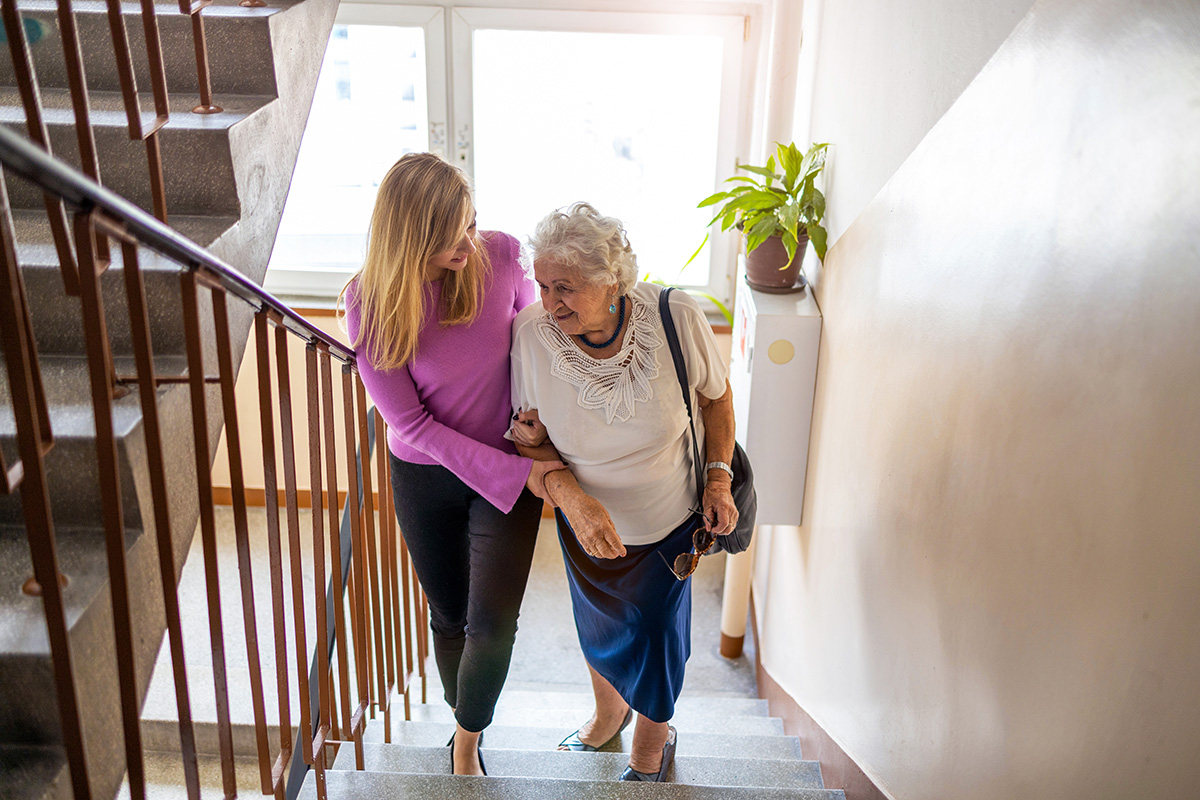
Taking care of a loved one at home can be a fulfilling yet challenging experience. Family caregivers play an essential role in providing care and support for their loved ones who require assistance with their daily living activities. While caring for a loved one can be a rewarding experience, it can also be overwhelming and stressful, especially for those who are new to caregiving. In this article, we will discuss seven essential tips for family caregivers to provide the best possible care for their loved ones.
Tips for Caring for Loved Ones at Home for Family Caregivers
1. Get Educated
As a family caregiver, it is essential to educate yourself about your loved one's medical condition and their care needs. Learn about the symptoms, treatment options, and potential complications associated with your loved one's condition. This knowledge will help you better understand your loved one's needs and provide the appropriate care.
2. Create a Care Plan
Creating a care plan is a critical step for any family caregiver. It helps you stay organized and provides a roadmap for providing the necessary care for your loved one. A well-designed care plan should include all the essential information regarding your loved one's health condition and their care needs. To create a comprehensive care plan, you need to identify the tasks that need to be performed daily, weekly, and monthly. These tasks may include administering medication, helping with personal hygiene, preparing meals, and managing appointments.
3. Family Caregivers Can Seek Help
As a caregiver, it is okay to seek help from others. You do not have to do it all alone. Reach out to friends, family, and community resources for support. Consider hiring home care services if you need additional assistance with your loved one's care. For example, if you live in Monterey CA, you can contact Central Coast VNA & Hospice, which offers home health, hospice, community services, and specialty programs.
4. Take Care of Yourself
Caring for a loved one can be physically and emotionally demanding. It is essential to take care of yourself to avoid burnout. Take breaks, eat a healthy diet, exercise, and get enough sleep. Do not neglect your own health needs while caring for your loved one.
5. Stay Organized
Being organized can help reduce stress and ensure that your loved one receives the best possible care. Use a planner or calendar to keep track of appointments, medications, and other important tasks. Keep all medical records and documents in one place to ensure that you can easily access them when needed.
6. Communicate with Your Loved One
Communication is key to providing the best possible care for your loved one. Talk to your loved one about their care needs and preferences. As a family care giver, take time to listen to their concerns and involve them in decision-making whenever possible. It is also important to communicate with their healthcare providers to ensure that everyone is on the same page regarding their care.
In addition to communicating with your loved one and their healthcare providers, it is also essential to communicate with other family members or caregivers who may be involved in their care. Keeping everyone informed and up-to-date can help avoid misunderstandings and ensure that everyone is working together towards the same goal. Clear and open communication can also help to reduce stress and anxiety for both you and your loved one, as it provides a sense of reassurance and support.
7. Stay Positive
Caring for a loved one can be a challenging experience, but it is essential to stay positive. Celebrate small victories and focus on the good moments. Surround yourself with positive people and engage in activities that bring you joy. Remember that you are making a difference in your loved one's life.
Conclusion
Being a family caregiver is a significant responsibility, but it can also be a rewarding experience. By following these seven essential tips, you can provide the best possible care for your loved one while taking care of yourself. Remember to seek help when needed, stay organized, communicate effectively, and stay positive. If you live in Monterey CA, you can contact Central Coast VNA & Hospice for home care services and support. By working together, we can ensure that our loved ones receive the care they deserve.

Helping Your Elderly Parents Age in Place: 9 Tips and Strategies
As parents age, their needs change. They may need assistance with daily tasks, or want to stay in the comfort of their own home rather than transitioning to a care facility. The latter is known as aging in place — and it’s becoming increasingly popular for seniors who prefer to remain independent. But how can you ensure that your elderly parent is safe, healthy and comfortable while aging in place?
This article will provide nine tips and strategies on how to help your elderly parent age in place successfully. From organizing medical visits to home safety modifications, these tips will help you provide the best possible care for your loved one.
What is aging in place?
Aging in place is the ability to live in one's own home and community safely, independently, and comfortably, regardless of age, income, or ability level. It means having the services and support you need to stay in your home as you age.
The benefits of aging in place
There are many benefits for an adult to age in place, including:
1. Maintaining independence and control over one's own life - Aging in place allows elderly individuals to maintain their independence and control over their own lives. They can continue to live in their own homes and communities, rather than being forced to move into retirement homes or other congregate living facilities.
2. Remaining close to family and friends - Staying in one's own home usually means remaining close to family and friends, which can be extremely important as we get older. This social support can help elders stay mentally sharp and emotionally stable.
3. Avoiding the stress of moving - Moving is one of the most stressful life events, so avoiding it can be a big plus. For seniors who have lived in their homes for many years, the thought of moving can be very daunting.
4. Keeping familiar routines - Staying in one's own home often means keeping familiar routines, which can be comforting as we age. This includes things like maintaining the same sleep schedule, eating meals at the same time each day, and having regularly scheduled activities such as exercise or social outings.
5. Saving money - Retirement homes and other assisted living arrangements can be very expensive, so aging in place can save a lot of money. In addition, many seniors find that they don't need as much help as they thought they would when they first considered moving out of their homes.
The challenges of aging in place
As we age, our bodies go through changes that can make it difficult to live independently. Muscles weaken, balance deteriorates, and vision and hearing decline. These physical changes can make it hard to do everyday activities like cooking, cleaning, and driving.
An older adult might need help with transportation or home modifications to make it easier to get around. Helping your parents age in place can be a challenge, but following these 9 strategies can help make the process as smooth as possible.
9 tips and strategies for helping your elderly parents age in place
As our parents age, it becomes increasingly difficult for them to live independently. Many of us worry about their safety and well-being and whether or not they are able to take care of themselves. Here are some tips and strategies for helping your elderly parents age in place:
1. Keep communication lines open. Talk to your parents regularly about their health, their medications, their daily routine, etc. This will help you identify any changes or red flags that may indicate a decline in their health or ability to live independently.
2. Make sure their home is safe and accessible. Remove any potential trip hazards, make sure they have easy access to all the things they need on a daily basis, and consider installing safety features like grab bars in the bathroom.
3. Help them stay socially active and engaged. Isolation can be detrimental to our health at any age, but it can be especially harmful for seniors. Encourage your parents to get out of the house and socialize with friends, family, or other members of the community. This can help stave off depression and loneliness.
4. Stay involved in their care. If your parents are starting to struggle with tasks of daily living, offer to help out where you can. This could involve anything from cooking meals to handling transportation needs to providing personal car.
5. Encourage healthy habits. Make sure your parents are eating a balanced diet, getting regular exercise, and staying on top of their medical appointments.
6. Have a plan in place for when they need more help. Research local senior care facilities and create a financial plan to cover any potential costs associated with additional care.
7. Look into home assistance services. If you think your parents would benefit from some extra help around the house, consider hiring a professional home health aide or other assistance service, such as registered nursing care in Hollister CA, to come in on a regular basis.
8. Be aware of signs of cognitive decline or abuse/neglect. If you notice changes in your parents' behavior or if you suspect they are not receiving proper care, it's important to act quickly and seek medical attention as needed.
9. Remind them that they are still in charge of their own lives. Even if your parents need extra help and support, it's important to remind them that they still have control over their own lives and decisions and that they can make choices about their future with dignity and independence intact.e assistance.
Conclusion
Aging in place is an important choice for many elderly parents, and it can be made easier with the right tips and strategies. By being mindful of safety, creating a supportive environment, staying organized, and planning ahead you can ensure that your elderly parent’s aging in place experience is both safe and enjoyable. With these nine tips and strategies, your family will have peace of mind knowing that your elderly parent is well taken care of.

Elderly Care for Parents from a Distance: 5 Ways to Stay Involved and Supportive
As our parents get older, it can become more and more difficult for them to live on their own. It is especially challenging if you live miles away from your parents and are not able to provide elderly care to them on a daily basis. Equally important is making them feel as if they have not lost their sense of independence. It is still possible to stay involved and provide support for your elderly parents, even from a distance. Here are five ways to do so:
1. Keep in touch regularly
One of the most important (and sometimes overlooked) things you should do to support your parents from afar is to stay in touch regularly. This helps you stay informed about their health and well-being, and also provide an opportunity for you to offer essential emotional support. Make sure to schedule regular calls and video chats to meet their social-emotional needs.
2. Hire a home health care organization for the best elderly care
If your parents need more support than you are able to provide from a distance, it may be beneficial to look into a home health care agency to provide the best elderly care possible. Home health care organizations can provide a wide range of services, including: medical care, aid with household chores, trips to the store and personal shopping, and even help with personal tasks.
When your parent loses independence, it can be increasingly more difficult for them to perform daily tasks on their own. In addition, they are not always able to travel to and from medical offices on their own. Being in the comfort of their own home also provides a stable and welcoming environment for medical processes that may seem more daunting in an office. If you are located in the Monterey, CA area, consider learning more about Central Coast VNA for your family members.
3. Coordinate with other family members and caregivers
Communicating with family members and your parents' caregivers is an effective way to make sure that your parents are receiving the elderly care and support they need. Effective communication and coordination is especially important for family members who are living from a distance. This can involve:
- listing visits from family members
- hiring additional in-home support, if needed
- detailed list of in-home medical tasks
- reviewing your parents' financial situation
It is essential fo everyone to stay informed about your parents’ needs and schedule. Everyone must be aware of their responsibilities and to offer the proper support. One idea to keep all families effectively informed is to create a group chat. This will help streamline communication and make it easier to share information. It will also have a record of communication to help keep track of your parents' care.
It is also helpful to assign a single person to be your parents' primary point of contact. This person can help facilitate communication and keep everyone involved on track.
Coordination with family members and caregivers ensures that your parents' are receiving the care they deserve and need, even if you are not able to be with them in person.
4. Stay informed about their health and medications
As your parents age, keeping informed about their health and medication is essential for their well-being. Be sure to ask your parents about their health and any changes they have noticed, and encourage them to visit their healthcare provider regularly. Some people are resistant to medical intervention, but as your parents age it becomes increasingly more important to inform their physician and nurses of any changes in their body.Informing medical professionals will ensure that your parents are receiving the medical care they need and in a timely manner.
It is also helpful to have a list of your parents’ medications (and dosages) in case of emergency. You will be able to tell if your parents are actually taking their medications as prescribed by a physician, and of course you will also be able to provide the necessary information to healthcare providers in the event of an emergency. The older we get, the more likely we are to forget our medications and doses! By staying informed about your parents’ health and medications, you care ensuring that they receive the best possible care and support.
5. Consider alternative living arrangements
If your parents are no longer able to live independently, it may be necessary to consider alternative living arrangements. This could include moving them closer to you. Consider a retirement community or assisted living facility as a last resort. Most elderly patients prefer to keep as much independence as possible, and being able to live in their own home is the most comfortable way to achieve this. Don't forget to keep their opinions at the forefront of decisions about their care. The process will be much smoother with their full support and understanding.
Elderly care for parents from a distance is challenging, but it is still possible to stay involved and provide effective support. By keeping in touch regularly, hiring a home care agency, coordinating with other caregivers, staying informed about your parents’ health and medications, and considering alternative living arrangements, you can help ensure that your elderly parents receive the care and support they need.

13 Heart-Healthy Holiday Meals to Try This Year
 cardiac care program Monterey" width="1024" height="683" />
Home health care services by CCVNA meet some of the most important needs that face residents in Monterey County and Hollister along the Central Coast. You can receive in-home assistance and wellness check-ups. Anyone who needs hospice care or related services can find them at this home health care service in Monterey CA. Professionals at the cardiac care program recommend some heart-healthy holiday recipes for tasty dishes you may want to try this year.
1. Making Mashed Potatoes Tasty
When you add aromatic vegetables to the cooking water, it transforms potatoes into something special. The recipe calls for these ingredients:
• 1 1/2 pounds small Yukon Gold potatoes, halved or cut into pieces
• 6 medium garlic cloves
• 1/4 cup olive oil
• 1/2 teaspoon black pepper
• 1/4 teaspoon salt
• 1 cup chopped green onions
You can find the directions here.
2. Oven-Roasted Salmon with Charred Lemon Vinaigrette
A heart-healthy recipe with salmon can help your heart.
• 1 lemon
• 2 bulbs of fennel, thinly sliced
• 2 small red onions, thinly sliced
• 2 1/2 tbsp. olive oil, divided
• Kosher salt and pepper
• 1 1/4 lb. skin-on salmon fillet
• 1 tsp. stone-ground mustard
• 3 c. baby arugula
You can find the recipe and directions here.
3. Chicken Kebabs
An occupational therapist can evaluate your home and your ability to use it safely. https://ccvna.com/7-reasons-to-choose-in-home-care-vs-a-nursing-home/
• 1 1/2 lb. boneless chicken breast cut into small pieces
• 1 lemon
• 2 scallions, finely chopped1/4 c. fresh flat leaf parsley3 tbsp. olive oil, divided
• Kosher salt and pepper
• 12 cherry or grape tomatoes + 1 small zucchini, cut into slices
• 1 red bell pepper + 8 oz fresh pineapple in chunks
• 1 sweet potato, cut into chunks + 1 medium red onion wedges.
Find the directions here.
4. Shrimp Scampi with Zoodles
.
• 6 oz. linguine
• 1 1/2 lb. peeled, shrimp
• 4 cloves garlic, grated
• 2 tbsp. olive oil
• Kosher salt and pepper
• 1 tbsp. lemon zest
• 2 tbsp. lemon juice
• 1/4 tsp. red pepper flakes
• 1/2 c. dry white wine
• 1 tbsp. unsalted butter
• 12 oz. zucchini in spirals
• 1/4 c. flat-leaf parsley, choppedYou can find the complete recipe here.
5. Starting Your Day with Burritos
A flavor of Mexico can make your breakfast tasty.
• 1/2 lb. tomatillos
• 1 jalapeño, halved and seeded
• 1/2 small onion wedges
• 2 tbsp. fresh lime juice
• 1/3 c. packed fresh cilantro
• Kosher salt
• 6 large eggs 1 tsp. olive oil
• 1 c. shredded pepper Jack
• 1 c. fat-free refried beans
• 4 large tortillas
Check out the recipe here.
6. Enjoying Heart-Healthy Cauliflower
A few veggies in your fridge can help you prepare a tasty and filling dish.
• 1/2 large head of cauliflower
• 2 tbsp. vegetable oil
• 1 orange pepper
• 1 scallion, thinly sliced
• 1 2”-piece ginger
• 2 tbsp. soy sauce
• 2 tsp. chili garlic paste
• 2 tsp. honey
• 4 large eggs
• 1 c. frozen peas, thawed
• 1 c. frozen edamame, thawed
• Lime wedges, for serving
A home health care service in Monterey CA can provide help when you need it. Find the recipe here.
7. Accenting with Tangy Cole Slaw
Raw cabbage gives you plenty of heart-healthy roughage. You can find the complete recipe for Sweet Country Cole Slaw here.
• 2 Tbsp. fat-free sour cream
• 1 Tbsp. sugar
• 1 tsp. sugar
• 1 Tbsp. light mayonnaise
• 1 tsp. cider vinegar
• 1/4 tsp. celery seeds (optional)
• 1/8 tsp. salt
• 1/8 tsp. pepper
• 4 cups packaged, shredded cabbage and carrot mix
8. Serving Green Bean Casserole
Almost everyone loves green bean casserole as a holiday favorite. A recipe that serves 8 guests takes little time to prepare. The home health care service in Monterey CA provides advice and options to consider.
• 1 pound frozen green beans
• 1 10.5-ounce can reduced-fat mushroom soup
• 1/2 cup low-fat sour cream
• 1/2 teaspoon pepper
• 1 small onion
• Cooking spray
• 1/4 cup whole-wheat flour
9. Choosing Some Southern Favorites
Memories of black-eyed peas, corn and rice can come to life with the heart-healthy Black-eyed pea, Corn and Rice Salad. It requires no cooking for an easy meal.
• 1 15.25-ounce can no-salt-added whole-kernel corn
• 2 15-ounce cans of no-salt-added black-eyed peas
• 1 15.25-ounce can no-salt-added whole-kernel corn
• 1 8.8-ounce pouch of brown rice, cooked,
• 2 ribs of celery, chopped
• 1 medium bell pepper, chopped
• 1/4 cup chopped fresh parsley
Remember that a home health aide can help you by identifying barriers in your home that may cause falls for you.
10. Adventuring with Grilled Fish Tacos
A delicious way to add fish to your diet makes serving it with tacos something new and different. Find the recipe and directions here.
• 3 tbsp. fresh lime juice
• 1/2 small red onion (finely chopped)
• 1 jalapeño (thinly sliced)
• 1/4 small pineapple (cut into 1/4" pieces)
• 4 medium tomatillos (husks removed and halved)
• 1 1/4 lb. skinless white fish fillets (such as tilapia, cod or halibut)
• 3/4 c. fresh cilantro leaves
• 8 corn tortillas
11. Delighting with Heart-healthy Maple-spiced Pecans
The crunch of delicious nuts wrapped in a sugary coating provides a snack with good nutrition.
• 1 egg white
• 2 tablespoons pure maple syrup
• 2 teaspoons ground cinnamon
• 1 teaspoon ground ginger
• 1/2 teaspoon cayenne
• 1/4 teaspoon salt
• 1/2 pound pecan halves
• Cooking spray (optional
Check out the recipe here. Your business, community or school can get flu vaccinations at CCVNA.
12. Savoring Apples with Raisin-Apricot Sauce
Your slow cooker can make a lovely dessert https://recipes.heart.org/en/recipes/apples-with-almond-apricot-sauce that requires almost no work. The sweetness gives you a perfect dessert or snack. If you need to travel overseas, CCVNA provides immunization services.
• Cooking spray
• 2 tablespoons water
• 2 large apples
• 1/4 cup chopped almonds
• 2 tablespoons chopped apricots
• 2 tablespoons brown sugar
• 1/4 teaspoon ground ginger (or)
13. Finishing Dinner with Apple Bread Pudding
Enjoy a warm bowl of apples for a taste of delight.
• Cooking spray
• 1 large egg
• 1 large egg white
• 1 cup fat-free milk
• 2 tablespoons brown sugar
• 1 teaspoon vanilla extract
• 1 teaspoon ground cinnamon
• 1/2 teaspoon ground cloves
• 6 slices light, whole-grain bread, cubed
• 3 medium apples
• 1/2 cup of raisins, fresh blueberries, chopped walnuts or pecans