

7 Reasons to Choose In-Home Care vs a Nursing Home
Making choices about how best to care for an aging loved one is never easy. Many factors must be taken into account, including your loved one's financial situation, medical condition, the availability of family, and much more. When you're facing one of these conversations, there will probably be at least one person at the table whose top priority is finding a way to provide in-home care, and that person probably has a lot of agreement with that viewpoint. The question always is, can it be done?
Thanks to the availability of in-home care services, in many cases the answer to that question is yes. Today, it's easier than ever to keep your loved one at home instead of opting for a nursing home. Here are seven reasons why your loved one would benefit from at-home registered nursing care in Hollister CA compared to moving into a residential care facility.
The Comfort and Familiarity of In-Home Care
Nursing homes and assisted living facilities work very hard to make their residents feel at home, and they often do an excellent job. Despite their best efforts, though, there's truly no place like home. As we age, we become more and more attached to our familiar surroundings, making it all the more disruptive to be moved out of the home.
The impact is even greater for seniors dealing with dementia. They need a consistent environment and routine to keep from having such severe feelings of disorientation and confusion. When dementia and Alzheimer's patients are able to stay at home, their quality of life is dramatically better.
Tailored Care
No two seniors are alike, and no two seniors have the same need for health care. One may have reduced mobility while remaining otherwise healthy. Another might have a complex medication regimen but no impediments to movement. In a nursing home, the high patient load and short staffing can create a one-size-fits-all care plan for your loved one that just doesn't meet their needs.
With in-home care, it is easy to customize care and give your loved one everything that's necessary and nothing that's not. Visiting nurses get to know their patients on a personal basis, and they provide care accordingly.
Greater Affordability
Every family's goal is to get the best possible living arrangements for aging loved ones, but at some point, there are financial questions to answer based on the type of care the senior needs and on the savings, insurance, and other financial resources he or she has access to. The result is a very delicate balancing act that doesn't sacrifice needed care just to reduce cost.
With in-home care, the overhead is dramatically lower than in a nursing home because there are no charges for things the senior doesn't need. For example, if your loved one can still prepare his or her own meals, there won't be costs associated with operating a cafeteria. In-home care fills the gaps in care, providing only what patients need instead of offering (and charging for) unneeded services.
A Personal Connection
As your parents or grandparents worked and raised a family, they gladly sacrificed to provide for others. Once they reached their golden years, they aren't being selfish to feel that they deserve to be a name instead of a number. Yet nursing home care often takes away their identity and relegates them to being "Room 202, Bed 1.
In-home care preserves their individuality. Visiting nurses get to know their patients on an personal basis instead of dashing in briefly before moving on to the next room. Your loved one gets undivided attention during the visit, sustaining their sense of self-worth and supporting their mental and emotional health.
Reduced Disease Exposure
Contagious diseases thrive in environments where dozens of people live in close proximity breathing the same air, touching the same door knobs, and being cared for by the same staff. COVID is just the most recent example of how dangerous it is to have too many people living in a small space.
With in-home care, your loved one is isolated from people who may have transmissible diseases. The visiting nurse follows all sanitizing protocols before and after arriving at each home, cutting off the path of transmission. The result is a much lower risk of your loved one being exposed to germs.
Total Privacy
In a nursing home, your loved one may share a bathroom and even a bedroom with another person, probably a complete stranger. This destroys medical privacy and personal dignity, and it can even be a threat to your loved one's personal safety and to the security of his or her belongings.
By staying at home and receiving care from visiting nurses, your loved one does not have to grant access to anyone he or she does not feel comfortable having inside the home. The only new faces entering the private space of the home are the trained, vetted nurses providing in-home care. This will give your loved one the peace of mind that is so often denied to them.
Supporting Independence
Once your loved one moves into a nursing home, he or she can begin to drift toward a bedridden life despite being too healthy to be in that condition. Taking away the things that define their independence discourages their efforts to maintain that independence.
If Mom can still do her own grocery shopping, why have someone else do it? If Dad still enjoys woodworking, why take that away from him? In-home care lets you give your loved one only the things they need to be safe and healthy instead of leaving them totally dependent on others. The benefit to their health is immeasurable.
We all experience some changes in our lives if we are fortunate enough to reach our golden years. The good news is that those changes don't have to be as drastic as they once were, or even as drastic as you think they have to be. Seniors today can stay at home without sacrificing their health or their safety.

When Is the Best Time to Get a Flu Vaccine?
The Truth About the Flu and What It Does to the Human Body
So that everyone is on the same proverbial page, the flu, also known as influenza, is a contagious respiratory illness that can affect the nose, throat, and sometimes even the lungs. While we are on the topic, it is worth noting that there are several strains of the flu virus, and they can each take a tremendous toll on the nose, throat, and other parts of the body that comprise the respiratory system. According to the CDC, there are four types of influenza viruses: A, B, C, and D. However, the A and B variants are the two commonly associated with the flu during the fall and winter seasons. That said, human influenza A and B viruses each have subtypes. The consequence of these subtypes is more people coming down with the flu as temperatures begin to take their yearly nosedive. Symptoms associated with human influenza A and B, not to mention their various subtypes, can include the following:
- Fever
- Muscle aches
- Chills and sweats
- Severe headaches
- Dry and persistent cough
- Shortness of breath
- Fatigue
- Runny or stuffy nose
- Sore throat
- Eye pain
- Vomiting
- Diarrhea
Who Should Be the Most Worried About Contracting the Flu?
In truth, everyone should worry about catching the flu during flu season. Studies show that no one is immune to any of the varying strains of the flu virus. However, young children, elderly adults, and anyone with a chronic health condition are among the most vulnerable. It is also worth mentioning that the flu can severely impact a woman's pregnancy. According to data from MedlinePlus, an online information service produced by the U.S. National Library of Medicine, when a woman is pregnant, it is harder for her immune system to fight off infections, especially viral ones. The same data show that women who become sick with the flu are more likely to encounter pregnancy complications. These complications can include the following:
- Preterm births
- Low birth weight
- Stillbirths
- Bronchitis
- Pneumonia
- Neural tube defects
Given these various complications, it's easy to see why OBG-YNs and flu clinics in Monterey and throughout California routinely advise pregnant women and women who are thinking about becoming pregnant to get the flu vaccine. But pregnant women are not the only ones who should make getting vaccinated against the flu a top priority. Many of the same physicians and flu clinics in Monterey also encourage individuals with HIV, Aids, and other chronic diseases to do the same since doing so helps forestall complications that can cause such health conditions to worsen prematurely.
Physicians and Clinics in Monterey Discuss the Best Time to Get an Influenza Vaccination
There is no time like the present to get vaccinated against the flu. After all, it is already the fall season, and winter, which marks the start of peak flu season, is just around the corner. Cognizant of this, nearly all clinics, including VNA, a health clinic that provides comprehensive consultation and immunization services to people in California and international travelers alike, and physicians are encouraging people to get vaccinated as quickly as possible. And this is especially the case for individuals with an above-average chance of catching the flu, such as pregnant women and anyone with an underlying, chronic health problem. On that note, the CDC says September through October is the best time for most people to get the flu vaccine. Which one is ideal will depend on, among other things, an individual's age. Bearing that in mind, some of the influenza vaccinations currently available to individuals in California and across the country include the following:
Flucelvax Quadrivalent – This cell-based, egg-free flu vaccine contains a virus grown in cell culture that provides solid protection against most strains of the flu virus. And according to the CDC, it is approved for infants, young children, and adults.
Flublok Quadrivalent - This recombinant, egg-free flu vaccine is a good fit for individuals aged 18 and older. Studies show Flublok Quadrivalent contains three times more antigen, an ingredient in the vaccine that helps protect the body against flu viruses, than standard-dose inactivated influenza vaccines. And it is made without any flu viruses, which means, unlike with other vaccines, individuals are less likely to get sick after being injected with it.
Fluzone High-Dose Quadrivalent - This egg-based, high-dose flu vaccine is a good fit for individuals age 65 and older who want to lower their chances of getting sick with the flu. Like Flublok Quadrivalent, Fluzone High-Dose Quadrivalent contains significantly more antigens than other standard-dose inactivated flu vaccines. And this makes it easier for the immune system to fend off the flu virus.
Fluad Quadrivalent - Approved for individuals 65 years and older, this egg-based vaccine contains MF59, an ingredient added to the vaccine that helps stimulate a more robust immune response when someone comes in contact with any variation of the flu virus.
All in all, the time to get the flu vaccine is now. And if you're hesitant about getting vaccinated, you should know most studies show that the flu vaccine can reduce an individual's chances of contracting the flu by as much as 60%. In addition to the ones mentioned in this article, many other vaccines can protect individuals from the flu during this flu season. To learn about those other vaccines or for help choosing the vaccine that is right for you, consider speaking to a VNAassociate today.
9 Ways Home Health Care Will Benefit Your Loved One
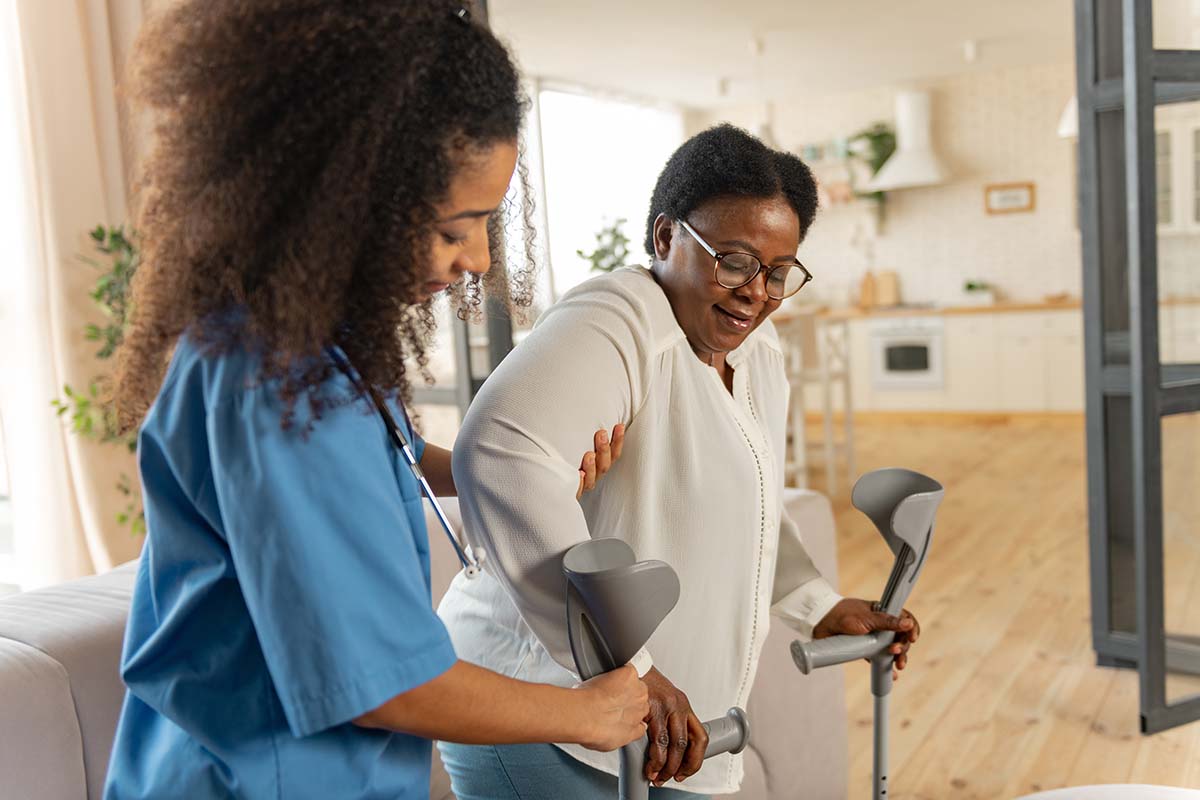
The most recent report from the U.S. Census Bureau revealed the U.S. is home to an estimated 54 million seniors. While many of these older Americans are reasonably healthy and can still live independently, some are not so fortunate and require home health care. According to the Centers for Disease Control and Prevention (CDC), older American adults are twice as likely to require hospitalization than their middle-aged counterparts. And they are being hospitalized for various reasons, from chronic illnesses to broken bones and everything in between.
In another study published by the National Institutes of Health (NIH), researchers found that around 54% and 19% of hospital admissions among the elderly had to do with the diagnosis or treatment of cardiovascular and respiratory tract diseases, respectively. But it does not end there; one study from the CDC found that some 300,000 older adults are hospitalized every year in the U.S. because of a hip fracture. Indeed, our health becomes a far more fragile thing as we get older. And in many cases, hospitalization is unavoidable, but sometimes, quality home health care might be the better option.
The Reality of Home Health Care in America
Many people often confuse home health care with hospice care, and while there are some similarities, the two are not quite the same. For those unaware, hospice care is a type of health care that focuses on the palliation of a terminally ill patient's pain and symptoms as they approach the end of their life. Generally speaking, hospice care is ideal for individuals diagnosed with advanced-stage cancer or a similar terminal illness. Meanwhile, home health care is a healthcare model designed to help individuals cope with or overcome a specific health problem or, in some cases, deal with day-to-day life.It is also worth noting that home care is far more cost-effective when compared to hospital care. In fact, an article published by medicare.gov said home care was less expensive, more convenient, and, in many cases, as effective as the care provided in hospitals or skilled nursing facilities. Although providing top-tier medical treatment to individuals in their care is what companies that offer home health care services in Monterey CA, for example, do best, it is not all they do.
9 Ways Home Health Care Can Benefit Your Loved Ones
What makes providers of home care services a godsend to so many people is the number of services they offer. Some providers, such as VNA, a California-based hospice and home care company serving Monterey, San Benito, Santa Cruz, and South Santa Clara County, offer everything from companionship to medical care and everything in between. Having said that, whether they have a chronic health problem or not, the following are nine ways in which home care can benefit older adults:
- Nutrition – As we get older, staying on top of our nutritional health becomes less and less of a priority. Of course, this is not intentional, but it is a reality. Caregivers with a licensed and reputable home care services company can remind older adults of the importance of regularly consuming healthy, nutrient-rich foods. After all, doing so benefits them both physically and mentally.
- Medication management – Much like nutrition, some older adults don't always take their medication when they should or as prescribed by their physician, both of which can have negative consequences. To help in this area, many home care companies have nutritionists and dietitians who work alongside professional caregivers to ensure older adults take their medications when and how they are supposed to.
- Transportation – Often, medication management and transportation go hand-in-hand for older adults. Once they hit age 70, many adults will give up driving and rely on others to get around instead. Mindful of this, many registered nursing care providers are more than happy to drive older adults to and from their doctor appointments or to and from the pharmacy for their medication needs.
- Personal hygiene – Caregivers with home health care companies routinely help older adults stay on top of personal hygiene. According to a study published by the University of California San Francisco, many older adults often find it hard to bathe regularly and keep up with other critical aspects of personal hygiene.
- Companionship – For some people, the worst part of getting older is the loneliness that comes with it. And for some, loneliness breeds isolation, which, in turn, breeds depression. Along with helping individuals with their medical and day-to-day needs, professional caregivers often take on the role of a friend.
- Break for family members and friends – When older adults live at home, many rely on family members and friends to help them with day-to-day living. Professional caregivers can take over some of their responsibilities, such as scheduling doctor appointments and grocery shopping, which allows family members and friends to take a much-needed break.
- Shorter hospital stays – Sometimes, older adults will still need to spend time in a hospital due to injuries or chronic health problems. Some hospitals are willing to send older adults home early if they know they will receive quality care at home from a licensed professional.
- Help with household chores – Rather than hiring a maid to help with household chores, some older adults or their children will enlist the help of a professional home healthcare service. Often, going this route is not only just as effective when it comes to taking care of household chores but also a lot cheaper.
- Home safety – Another benefit of having a professional caregiver in one's home is they can call first responders in the event of an emergency.
Bottom Line
In summary, professional home health care encompasses more than medical care alone. It is a health care model that focuses on an individual's overall well-being. If you're in Monterey or one of the neighboring counties and would like to learn more about home health care, consider speaking with a VNA representative today.

Learn the 5 Major Heart Attack Symptoms and How to Respond to Someone in Need
Heart attacks are the most common cause of death in the United States. Each year, nearly 700,000 Americans die from a heart attack. Many of these heart attacks can be treated and even reversed. They have to be spotted quickly and responded to with medication or by medical professionals. A combination of swift action and follow-up registered nursing care in Hollister CA can be essential to turning a potential heart attack statistic into a survivor.
Heart attack symptoms
1. Chest pain
Chest pain is one of the most common symptoms associated with a heart attack. It is an acute, stabbing pain that is often substantial and debilitating. This feeling is connected to the arterial closure and lack of oxygen which is the key result of a heart attack. The pain often comes on suddenly and does not relax no matter the steps a person takes. It is a sharp, stabbing pain that is known medically as angina. The pain does not go away easily and does not subside like it might for other health problems that cause similar sensations.
2. Jaw or neck pain
The pain that originates in the chest can extend to the jaw or neck. This pain would also be substantial and similar in nature to chest pain. It is a radiating sensation and cannot be attributed to earlier actions that a person has taken. The pain radiates from the chest up through the head and focuses in the nerves of the jaw or neck. This pain must be treated seriously and addressed if it is connected to other heart attack symptoms.
3. Arm numbness
Arm numbness is one of the clearest signs of a heart attack. This symptom often occurs only with a heart attack and is separate from the many other health issues that have chest pain and faintness as symptoms. The presence of arm numbness along with chest pain is the clearest sign that someone is having a heart attack and needs immediate medical attention.
4. Shortness of breath
Shortness of breath is another important symptom. This sensation often goes with tightness of the chest. It feels like a sufferer cannot catch their breath and cannot bring oxygen into their lungs. The sensation of tightness with a heart attack is sudden and does not dissipate like it might with typical angina or the symptoms of arterial blockage.
5. Feeling faint
People suffering from a heart attack often feel dizzy and faint. They may have to lie down or collapse. The infarction prevents the heart from pumping blood to the brain and other parts of the body. These areas do not receive oxygen and cannot keep a person standing upright. The sufferer has to sit down and sometimes lay down in order to retain consciousness. In that instance, they need to make sure that they take immediate action if they are alone. Weakness can cause a heart attack victim not to think clearly and not to take the steps that they need to take in order to survive. They have to reach out for help as quickly as possible.
What to do
The symptoms of a heart attack are often clear and substantial. They are not always visible to the person suffering from them, however. These symptoms sometimes cloud a person's judgment and make it difficult for them to take swift action. As a result, having another person nearby can be crucial.
The first step to take when someone sees the signs of a heart attack is to immediately call 911. A dispatcher will then talk them through their next steps. These next steps could involve a handful of different approaches. A person may simply be instructed to tell the sufferer to calm down and get off their feet. They may be told to take aspirin in order to thin the blood and perhaps lessen the damage from the heart attack. An individual may also be instructed to help the victim take medication that they have been prescribed for heart disease. This medication can save a person's life. Finally, they will be instructed to aid in the appearance of emergency personnel. Emergency personnel will help the heart attack victim receive the treatment that will be necessary in serious cases.
Immediate treatment is essential to saving a person's life from a heart attack. But a follow-up cardiac care program can also be crucial. Registered nursing care in Hollister CA like CCVNA can help a heart attack sufferer recover from any heart or artery damage that may have resulted from the attack. It can give a patient regular medication and steps that can be taken if the signs of another attack are present in the future. Heart attacks can be deadly. But they can also be prevented and future attacks can be made less likely with the right approach to care.

5 Ways to Help Elderly Relatives Fund Home Health Care Costs
In a perfect world, every older adult would enter retirement with a pension and nest egg large enough to cover all future expenses. For most older individuals, however, this scenario just isn't a reality. Even with careful planning, many senior adults find themselves unprepared to pay for home health care costs should the need arise.
The best time to consider how an older relative will fund home health care costs is well in advance of the need for such care. However, it's not too late to look into the available options right now even if your loved one requires immediate in-home assistance. There are many ways to approach the issue of paying for home health care costs. Perhaps you'll find that one or a combination of the following strategies is a good fit for your family.
1. Tap into Home Equity
Even in the absence of formal savings plans, many older adults have spent years or decades making payments on a residence. This diligence has likely created a store of wealth that could come in handy when faced with home health care costs. Reverse mortgage loans permit a qualifying older adult or couple to access their home's equity while still residing in the property. Many individuals qualify even if their home isn't completely paid off.
If your loved one isn't opposed to leaving their current home, downsizing to a smaller residence may also make sense. Taking this step will allow them to access some of the equity that's tied up in their current home. Other advantages could include freeing up additional funds by reducing their monthly house payment or eliminating it altogether. He or she may also be able to find a smaller, easier-to-maintain home that's more elder-friendly than their existing residence.
2. Assistance From Family
No one wants to feel like a burden to their children or grandchildren. For older adults with limited resources, however, it's often necessary to turn to family for help with home health care costs. When spread over numerous relatives, the cost of intermittent or even daily in-home care becomes much more manageable. Every family will have a different formula for contributing to a relative's long-term care costs that's based upon their unique situation. Some might prefer splitting the cost evenly among a group of relatives. Others may find that a sliding scale based upon individual income and economic circumstances is their best option.
A family member who pays for in-home care or who provides care for an elder loved one could be eligible for a federal or state tax deduction. A CPA, tax preparer or elder care expert can provide more information on whether this incentive applies to you.
3. Long-term Care Insurance
As the name suggests, long-term care insurance was created to help older Americans manage the costs associated with in-home or institutionalized care. Long-term care policies may pay for an in-home care provider, assisted living, full-time nursing home care or all of the above. The cost of long-term care insurance has risen significantly in recent years. However, this type of coverage still makes good financial sense for individuals who can afford to pay the monthly or quarterly premiums.
In order to make informed decisions about using long-term care insurance to pay for in-home care, first determine if your loved one has a policy in place. If so, look it over with them to see what types of care it covers and the coverage amounts. If he or she has no long-term care insurance, consulting an insurance provider to determine possible coverage eligibility may be a good idea.
4. Medicaid and State-run Programs
Medicare is a federally administered program that's intended to serve the healthcare needs of older Americans. As such, many people mistakenly believe that it automatically covers in-home care along with other types of health care services. Unfortunately, traditional Medicare generally doesn't cover any in-home health care costs. The good news for older Americans facing health challenges is that many state-administered Medicaid programs do offer some coverage for in-home care. The type, duration and cost of covered services will vary, so check with your state's department of public health for more information.
Some states also offer free or low-cost in-home care services through the Program of All-inclusive Care for the Elderly. PACE was created with the goal of helping health-challenged older adults remain at home instead of entering long-term residential care facilities. As with other state-based programs, an individual's eligibility for PACE will depend on where they reside as well as other factors.
5. Locally Based Non-profit Organizations
In some localities, non-profit entities have arisen to fill the urgent need for reliable, reasonably priced in-home care. One example of such an organization is Central Coast VNA. This home health care service in Monterey CA exists to meet the needs of residents of Central Coast, Monterey County and Hollister. Help is offered in the form of in-home assistance, wellness check-ups, hospice care and related services.
The services provided by CCVNA and similar organizations may not be offered completely free of charge to every individual. These types of entities are generally funded by private donors, insurance payments and other sources. They also rely heavily on volunteers to furnish services and manage other aspects of the operation. This allows them to keep costs as low as possible for the individuals and families that take advantage of their service offerings.

7 Important Benefits of Advance Care Planning in California
As a leading home health care service in Monterey CA, CCVNA is proud to offer external advance care planning. With professional assistance, you can make important decisions about your future care while you still have the cognitive strength to do so. This might sound like a painful process, but it brings significant advantages for yourself and your loved ones.
What Is Advance Care Planning?
Advance care planning is the process of deciding and writing down how future care decisions will be made. Healthcare professionals can talk you through the details of the plan and help you make important choices ahead of time. You can decide the types of treatments you’ll want and which you’d rather avoid, all according to your preferences and values. In the case that you’re unable to speak for yourself in the future, the plans you’ve made will be used to determine the details of your care.
What Does Advance Care Planning Include?
The first step in advance care planning is to discuss the potential treatment options that could come in the future. The goal is for all patients to make informed decisions. As you learn about life-sustaining treatments, you can decide how the various options align with your preferences.
Once you’ve learned the details, you’ll work with a professional to form a concrete plan. You’ll appoint a decision-maker to speak on your behalf if you’re no longer able to speak for yourself. You’ll also complete a set of advance directives stipulating the types of care you want and which you don’t. Having everything written and codified according to California law will ensure your end-of-life care corresponds to your desires.
The Benefits of Advance Care Planning
Advance care planning is a challenging process, but it has serious benefits. Leaving things to chance will only increase the stress and pain of illness. There’s a reason countless California residents have used advance directives to spell out their preferences. If you take the time to make a definitive plan, you’ll prepare yourself and your family for a more graceful aging process.
Reduces Pressure on Everyone Involved
Making your own healthcare decisions is stressful enough. Making those decisions on someone else’s behalf is even more challenging. If you enter your later years without an advance plan, you risk unleashing chaos on your loved ones. People could agonize over painful decisions, then go on to regret the choices they made for the rest of their lives. When you spell out your preferences ahead of time, you save people from having to make these decisions on your behalf. As a result, everyone will be able to grieve from a position of strength and love, not doubt and guilt.
Ensures Care Reflects Your Preferences
Most people value the control they exercise over their lives. There may come a point when you’re no longer able to make your own decisions or communicate your desires to others. If you haven’t made plans ahead of time, then other people in your life could make decisions you don’t approve of. Since the mechanisms exist to avoid this catastrophe, there’s no reason not to take advantage of them.
Decreases the Length of Hospital Stays
Patients can spend weeks or months in hospitals that they’d rather not be in just because they failed to communicate their preferences ahead of time. When you’ve already created a plan in advance, healthcare providers will know to send you home if that’s what you prefer. This will help you spend your last days in comfortable surroundings rather than the clinical environment of a hospital.
Makes It More Likely You can Die at Home
Many Californians would prefer to die at home. If you fall into that category, then you should make your preference clear ahead of time. Advance care planning gives you a standardized way to stipulate future procedures. If you don’t say something before it’s too late, you could end up dying in an environment where you don’t feel totally comfortable. You’re much better off speaking up now while you have the chance.
Allows You to Take Advantage of Your Current Wellness
Advance care planning gives the present, healthy version of you a chance to speak for the future version of you who might be silenced by illness. Wellness is a blessing, and it allows you to plot out your future. If you have the strength to discuss difficult topics and make hard decisions now, you should take advantage of it.
Reduces Healthcare Costs
When you haven’t made healthcare decisions ahead of time, you might end up in situations that are needlessly costly. If you’d rather be home than at a hospital, you might as well say so now. That way, you won’t have to pay for a hospital stay that you’d rather be avoiding anyway.
Improves the Overall Patient Experience
Getting sick is rough, and navigating the healthcare system is no fun, either. Advance care planning is one way to make the process a little more bearable. When you’ve written down your preferences, healthcare providers will know exactly how to handle your case. This will result in a patient experience that’s generally more attuned to your values and ideals.
Advance Care Planning: The Right Choice for Your Future
With something important as your future healthcare, there’s no sense leaving anything to chance. Advance care planning gives your loved ones and your healthcare providers a blueprint for your future care. As a result, everyone involved will have an easier time dealing with the challenges of aging and illness.

What Vaccines Are Needed for Adults? A Detailed List of Immunizations for Every Age Group
PLEASE NOTE: Central Coast VNA Community Services has discontinued the travel immunization program. As the community immunizers it has been a privilege to provide this vital service of disease prevention and healthy travel to our communities.
Most people know that children need vaccinations to protect them from various illnesses as they grow up. However, you may not realize it's important for adults to get immunized as well. There are several viruses and diseases that can attack adults who are not up to date on their vaccines. Your risk for these conditions varies depending on multiple factors, including your age, health status, occupation and travel plans. Here is a detailed list of recommended vaccines for adults.
Vaccines for All Adults
Influenza vaccine
Influenza claims the lives of thousands of Americans each year. People with health conditions, pregnant women and older adults are most at risk. All adults 19 and over should get annual flu immunizations to prevent the spread of the disease.
COVID-19 vaccine
COVID-19 continues to spread throughout the country. However, COVID vaccines are effective at preventing serious illness, hospitalizations and death due to the virus. Although COVID-19 is most dangerous for older adults and people with certain health conditions, it can also cause healthy young adults to become seriously ill. You can get the COVID vaccine in Salinas by visiting a clinic, pharmacy or doctor's office.
Tetanus vaccine
Tetanus infections are caused by a type of environmental bacteria that can enter the body through open wounds. Once inside, it can produce a toxin that causes severe muscle spasms and stiffness. All adults should get a Tdap immunization — which protects against tetanus, diphtheria and whooping cough — if they did not receive one as a child. They should also get a booster shot every 10 years.
Vaccines for Adults 19–26 Years Old
HPV vaccine
Human papilloma virus can cause genital warts and certain cancers in both men and women. Doctors recommend HPV vaccinations for adults between the ages of 19 and 26 who have not already been immunized against the virus. In addition, some unvaccinated adults between the ages of 27 and 45 may benefit from immunization if they are at risk of new HPV infections.
Vaccines for Adults 19-59 Years Old
Hepatitis B vaccine
Hepatitis B is a viral infection of the liver that frequently causes no symptoms. It can lead to liver damage, liver cancer, cirrhosis and even death. Most people are vaccinated against Hepatitis B as infants, but health experts also recommend that adults between the ages of 19 and 59 get immunized against the disease.
Vaccines for Adults 50 Years Old and Up
Shingles vaccine
Shingles is an infection that stems from the same virus that causes chickenpox. It causes a rash that develops into painful, itchy blisters. The risk of contracting the disease increases sharply with age, so all adults over the age of 50 should get protected by the shingles vaccine.
Pneumococcal vaccine
Pneumococcal bacteria can cause many types of pneumococcal diseases, including pneumonia, ear infections, sinus infections, meningitis and bacteremia bloodstream infections. Adults 65 and over, people with certain medical conditions and smokers are at most risk. Doctors recommend that these populations get either the pneumococcal polysaccharide vaccine (PPSV23) or the pneumococcal conjugate vaccine (PCV13) to protect them against serious illness.
Vaccines for Pregnant Adults
If you're expecting a baby, you should get a Tdap vaccine between the 27th and 36th week of your pregnancy to prevent pertussis, commonly known as whooping cough. You should also get an influenza shot if you are pregnant during flu season, which normally runs from October through May. Other immunizations may also be recommended.
Vaccines for Adults With Health Conditions
Adults with certain health conditions may require additional vaccines. Ask your doctor which immunizations are recommended if you have conditions such as:
- Asplenia
- Type 1 or Type 2 diabetes
- Heart disease or other cardiovascular diseases
- HIV infection
- Asthma or other lung diseases
- Liver disease
- A weakened immune system
Vaccines for Healthcare Workers
Healthcare workers can be exposed to a number of vaccine-preventable diseases while on the job. Because of this risk, medical professionals who work directly with patients should get certain immunizations to prevent the spread of viruses and other contagious infections. These immunizations may include:
- Hepatitis B
- Measles, Mumps & Rubella
- Chickenpox
- Meningococcal
Vaccines for Travelers
Adults traveling from the Monterey area may need to get certain immunizations before they depart. For example, people planning to visit another country might be required to get vaccinated against one or more of the following diseases:
- Hepatitis A
- Hepatitis B
- Typhoid and paratyphoid fever
- Meningococcal disease
- Rabies
- Yellow fever
- Japanese encephalitis
In addition, you might want to make sure you are fully vaccinated against COVID-19 before taking a domestic or international trip. Check government sources for the most up-to-date guidance on travel immunizations.

5 Reasons to Consider Hospice for a Loved One
1. Customized Care
Every hospice situation is different, so it's critical to choose a home health care professional who can provide the pain management or nutritional and hydration care that your loved one needs. Hospice provides all the medical professionals required to support end-of-life needs as they change over time. This customized care means your loved ones will have services to ensure their comfort.
Quality of Life Assessments
This customized care also means patients will receive a quality-of-life assessment regularly. Home health care providers, together with the patient and family, will determine if the hospice patient's physical, emotional, mental, and spiritual needs are being met. Since this end-of-life care covers all aspects of life, hospice, with registered nursing care in Hollister, CA, can help fill those gaps in care to improve a patient's quality of life.
2patient'sation of Care
3. Hospice at Home
5. More Time with Your Loved One
Caregiver Stress
Choosing Patient-Focused Care

10 Easy Ways to Encourage Employee Wellness at Work
1. Obtain Consistent Feedback to Improve Employee Wellness Program
No employee wellness program is going to be perfect from the start. Even if you properly prepare for this program, there's a good chance that you won't meet all of your employee needs immediately. You can correct this issue by obtaining feedback from employees.
There are several methods you can use to collect feedback. For instance, you could put out a workplace survey to inquire about the employee wellness program. You can also send emails that detail 5-7 wellness ideas and ask for feedback, which gives you the opportunity to implement the ideas that employees respond most positively to.
2. Promote Healthy Eating
You should take steps to promote healthy eating wherever possible in the workplace. You could replace any candy with much healthier fruit bowls. Another great idea that can boost employee engagement is to ask that employees send in any healthy recipes they have to create a company cookbook that's centered around health and nutrition.
You could even think about including a healthy recipe in the weekly newsletter your company sends out to employees. No matter what you do to promote healthy eating, you should strive to be part of a lasting solution in this regard.
3. Partner with Wellness Vendors and the Employee Benefits Company
If you want your employee wellness program to be as robust as possible, it should be made with the help of trained and professional individuals as well as your company's employee benefits provider. The insurance provider that represents your company could also have some useful wellness tools that you can take advantage of. Make sure that you have access to local wellness vendors that provide such services as discounted fitness equipment, yoga sessions, and cooking tips.
4. Use a Corporate Wellness Application
You can be certain that your employee wellness program is properly implemented by organizing it with a corporate wellness application. These apps can be quickly downloaded to any smartphone and will provide employees with daily workout suggestions, health tips, and health monitoring features. There are many apps at your disposal. Make sure that the one you choose fulfills the specific health and wellness needs that your employees have.
5. Personalize Employee Health
The only way for practically every employee to start focusing on health and wellness is to personalize employee health. If your business only offers a couple of wellness activities, a high percentage of your employees may not find interest in either activity.
However, offering a multitude of wellness activities means that your employees can select the ones that best suit their preferences. While some employees will enjoy relaxing and peaceful activities like walking, other employees might want to focus on mindfulness activities.
6. Make Sure Employees Remain Hydrated
Consistent productivity among your employees depends on these employees being properly hydrated from the very beginning of the day. Make sure that you have enough juicers and water coolers around the workplace to meet employee needs. While water is the best solution for hydration, you should know that juice, meat, and fruit can also help your employees remain hydrated.
7. Aim to Build Healthy Habits
The key to a sustained employee wellness program is to help your employees build healthy habits that will last for years. No matter the time of the year, it's common for employees to catch a cold or experience allergies. When employees become sick, they should adhere to some basic healthy habits that will keep germs from spreading.
You can promote healthy habits in the workplace by providing flu shots at the office, placing tissues and hand sanitizer around the workplace, and putting handwashing posters at different spots in employee bathrooms.
8. Encourage Paid Time Off
It's highly recommended that you encourage your employees to actually use the PTO that they have. Some employees avoid using PTO because they want to be the "perfect" worker. However, working without any substantive breaks can tire out anyone. It's important that employees get some extra time off every now and then to recharge their batteries. Encouraging your employees to take paid time off should bolster productivity.
9. Facilitate Stress Relief
When employees have busy schedules, stress will invariably build over time. Whenever one of your employees is stressed, it's likely that their productivity will be relatively low. High stress accumulation is particularly common towards the end of lengthy projects. You should show employees that you're taking their mental health into account by encouraging numerous breaks during the day.
10. Put Program Guidelines in Writing
Once you've developed a comprehensive employee wellness program, you should put all of your program guidelines into writing. Doing so will make the program much more structured and easier to adhere to. These guidelines should be included in your employee handbook for the best results, which can also help with recruitment efforts. Whether you have a weekly or monthly newsletter that's sent to employees, some of the health and wellness guidelines your company has adopted should be placed into each newsletter as a reminder.
Keeping your employees healthy and motivated is the most effective way to boost productivity and morale. While employees wellness programs can include everything from stress reduction programs to health risk assessments, the 10 tips mentioned above should provide you with a great starting point when trying to improvement employee and corporate health.
5 Reasons To Choose Home Care Services for Your Hip Replacement Surgery
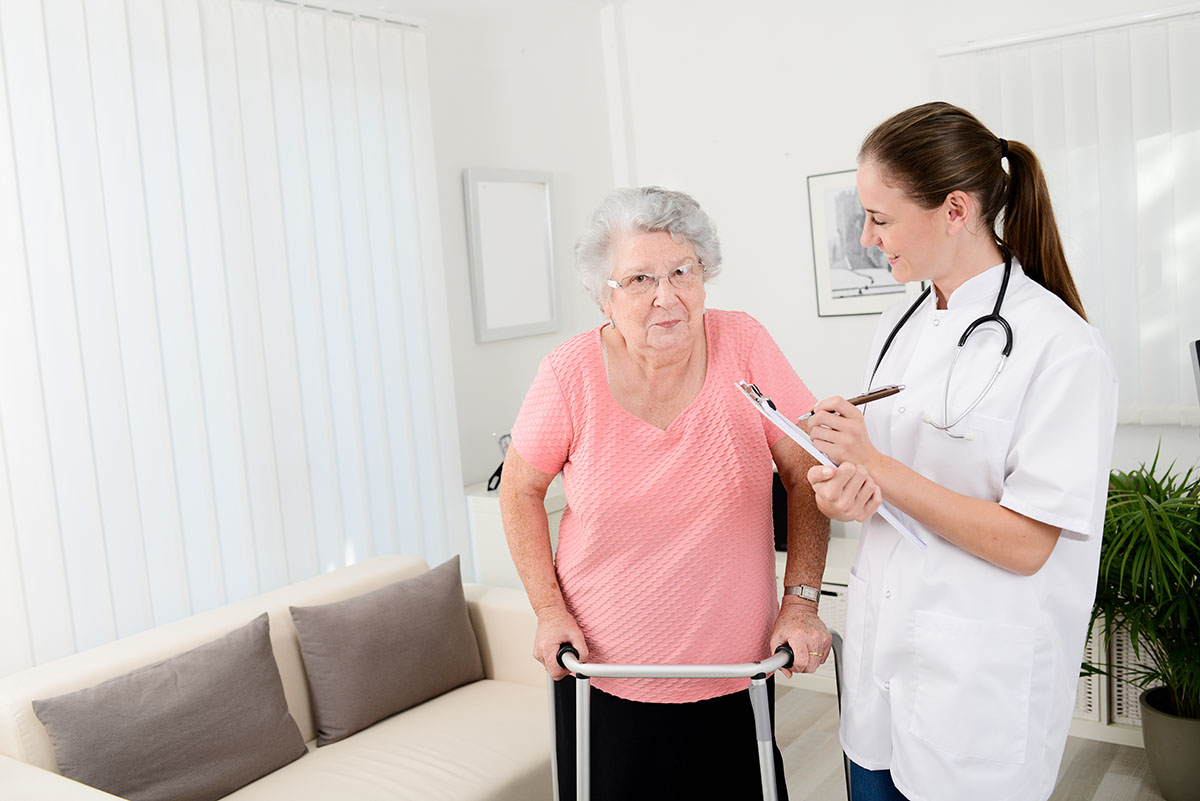
When it comes to home care after your hip replacement surgery, the most obvious benefit is being at home. It helps to be in a familiar place when you are trying to heal. The comfort of a quiet home always beats the noisier atmosphere of care facilities. It also beats the troubles of adjusting to a different bed. However, there are other benefits that make home care services in Monterey CA a valuable choice for you. Home care nurses help in several important ways.
Reduced Exposure To Other Illnesses
Since the COVID-19 pandemic started, there has been increased concern about contracting contagious virus variants. There are also other viruses, such as the flu, that circulate every year. Any virus can negatively impact the immune system, and that can make surgery recovery harder. Being at home instead of in a care facility can limit exposure to many risks. In care facilities, there is also a greater risk of contracting MRSA or other infections. Home care teams follow strict disinfection and infection control procedures to reduce the risks of spreading viruses and bacteria.
Help With Transportation
Having help with transportation is important during hip replacement surgery recovery. For many people, it is difficult to rely on family members for help. Family members may not be properly trained to transfer you safely into a vehicle. Also, family may not know how to properly and safely help you in a public restroom. If you need transportation to a physical therapy appointment, a home care provider can help you get there safely. You do not have to worry about relying on community transit services. However, community transportation options may be helpful to you after you recover if you are unable to drive. When you work with a reliable home care agency, you can rest easier knowing that you can keep your appointments. Also, they help by keeping track of your upcoming doctor visits, physical therapy sessions or other important appointments.
Medication Reminders
Depending on your needs, your care team may administer your medications or set them up for you. If they set them up for you, they do so in a way that makes them easy to track. During hip replacement surgery recovery, most people take multiple medications. It can be easy to forget them if they have side effects that make you feel drowsy. You may also forget if you are tired from an altered sleep schedule or insufficient sleep. If you take a medication and forget that you took it, you also face the risk of an overdose. In-home nurses know how to help reduce such risks. They ensure that you get the medications you need when you are supposed to take them.
Assistance With Daily Activities
Many tasks you used to easily do before hip replacement surgery may be too difficult to handle alone during recovery. There are lifting restrictions, and bending is harder. Also, you have to learn to avoid bending forward while you sit down. With more limitations, it is helpful to have someone who can assist you. Additionally, you have someone knowledgeable to help you with exercises that your doctor asks you to complete at home. Your care team will help you safely move and walk. They will also ensure that you complete activities on schedule. In-home nurses help you move as much as possible to prevent blood clots and help the healing process. Although physical activities may seem painful at first, proper movement will aid in the healing process. Your care team will also communicate your progress with health care professionals. Together, they may adjust your recovery care plan with you as necessary to accommodate changes.
Dedicated Care
There are many benefits of having nursing staff who are dedicated solely to your care. Although they work with other people who live at home, they focus on you when they are in your home. In a facility, the staff have multiple people to oversee in one area. It is easier to make mistakes or miss something important in care facilities. With one-on-one care, you have the advantage of someone noticing changes in your health. Perhaps you need extensive help for several hours or minimal help for a short time. In either situation, you have someone there who is only there to help you. This makes it easier to review your care plan, talk about medical concerns, ask questions and discuss any ideas.
Home Care Services in Monterey CA for Hip Replacement Surgery Recovery
Your hip replacement surgery recovery atmosphere and care plan are two critical elements of healing. When you combine the benefits of home care, you have more peace of mind and less stress. This means that you can sleep better with the confidence of knowing that you have caring people on your side. Some people have coexisting issues, such as diabetes or cardiac health problems. If this applies to you, it helps to work with an agency that provides those as well. Working with a knowledgeable team will give you the added peace of mind that they understand all your unique needs. Perhaps you are planning an upcoming hip replacement surgery, and you want to consider your options now. Alternately, maybe you recently had hip replacement surgery and need in-home orthopedic care, and you are looking for immediate help. Either way, now is a good time to learn more about home care services in Monterey CA. There are also options available if you live in the Hollister or Central Coast areas.