
What’s the Difference Between Palliative Care and Hospice? A Comprehensive Breakdown
Understanding Palliative Care and Hospice
When facing a serious illness, understanding the options available for supportive care is essential. Palliative care and hospice are two vital services designed to improve quality of life, yet they serve different purposes. Many families in Monterey struggle to determine which is best suited for their loved ones.
In this guide, we’ll break down the key differences between palliative care and hospice, dispel common misconceptions, and help you decide which care option aligns with your needs.
Common Problems and Challenges
Many people assume that palliative care and hospice are interchangeable. However, these services differ in eligibility, goals, and timing.
Common Misconceptions:
- Myth: Palliative care is only for end-of-life care.
- Reality: It can be provided at any stage of a serious illness.
- Myth: Hospice is just a place.
- Reality: It’s a type of care that can be given at home, in a hospital, or in a facility.
- Myth: You must stop treatment to receive palliative care.
- Reality: Palliative care works alongside curative treatments.
Understanding these differences can prevent unnecessary stress and ensure that patients receive appropriate care.
Palliative Care vs. Hospice: How They Work
What Is Palliative Care?
Palliative care focuses on improving the quality of life for individuals with serious illnesses such as cancer, heart disease, or dementia. It aims to relieve symptoms like pain, fatigue, and nausea while the patient continues medical treatments.
Key Features of Palliative Care:
- Available at any stage of illness, not just end-of-life.
- Can be provided alongside curative treatments.
- Focuses on pain management, emotional support, and symptom relief.
- Available in hospitals, outpatient clinics, and sometimes at home.
What Is Hospice Care?
Hospice care is specifically designed for individuals in the final months of life, typically when curative treatments are no longer effective. The goal is to provide comfort, dignity, and support for both patients and their families.
Key Features of Hospice Care:
- For patients with a life expectancy of six months or less.
- Focuses on comfort rather than cure.
- Provides emotional and spiritual support for patients and families.
- Available in homes, hospice centers, nursing homes, and hospitals.
Benefits of Choosing the Right Care
Selecting the appropriate care service ensures that patients receive the right support at the right time.
Benefits of Palliative Care:
- Improves quality of life while managing symptoms.
- Reduces hospital visits and medical complications.
- Helps patients and families navigate complex medical decisions.
Benefits of Hospice Care:
- Provides compassionate, end-of-life care.
- Reduces unnecessary medical interventions.
- Offers grief support for families after a loved one passes.
Choosing the Right Provider in Monterey
When selecting a provider, consider factors such as experience, range of services, and patient testimonials. At Central Coast VNA & Hospice, we offer both palliative care and hospice services tailored to the needs of Monterey residents.
Why Choose Central Coast VNA & Hospice?
- Expert Team: Our professionals include doctors, nurses, and social workers.
- Comprehensive Support: We provide medical, emotional, and spiritual care.
- Flexible Care Options: Services are available in homes, hospitals, and nursing facilities.
- Local Commitment: Proudly serving Monterey, Salinas, Hollister, and Santa Cruz.
Frequently Asked Questions (FAQs)
1. Is palliative care covered by insurance?
Yes, most insurance plans, including Medicare and Medicaid, cover palliative care. Always check with your provider for details.
2. When should someone consider hospice care?
Hospice care is recommended when a physician determines that a patient has six months or less to live and treatment is no longer effective.
3. Can I receive palliative care at home?
Yes, palliative care can often be provided at home, depending on the patient’s needs and the provider’s services.
4. How do I know which service is right for my loved one?
Consulting with a healthcare provider or Central Coast VNA & Hospice can help determine the best care option based on medical needs and goals.
Take the Next Step
If you or a loved one need palliative care or hospice in Monterey, Central Coast VNA & Hospice is here to help. Our compassionate team provides personalized support tailored to your needs.
📞 Call us today at 831-372-6668 or visit our website to learn more.
By understanding the differences between palliative care and hospice, you can make informed choices that prioritize comfort, dignity, and quality of life.

Understanding Long-Term Hospice - Can It Last for Years?
Hospice care is often associated with the final weeks or months of life, but can someone be on hospice for years? The answer may surprise you. Long-term hospice care is a reality for many patients who meet the criteria but experience a slower decline in health. This raises questions about eligibility, benefits, and the impact on patients and families.
In this blog, we’ll explore:
- What long-term hospice means and how it works
- Common challenges and misconceptions
- Benefits and outcomes of extended hospice care
- Key considerations when choosing a hospice provider
For those in Monterey County seeking compassionate, expert care, Central Coast VNA & Hospice offers specialized hospice services tailored to each patient's needs.
What Is Long-Term Hospice Care?
Hospice care is designed for individuals with a terminal illness who have a prognosis of six months or less. However, some patients remain in hospice care for years due to the unpredictable nature of certain diseases, such as:
- Alzheimer’s and other dementias – Progressive but slow decline.
- Chronic obstructive pulmonary disease (COPD) – Frequent exacerbations but periods of stability.
- Heart failure – Episodes of decline followed by recovery.
- Neurological conditions (e.g., Parkinson’s, ALS) – Gradual decline over time.
Patients who stabilize or experience slow decline may continue to qualify for hospice care as long as their condition meets eligibility criteria.
Challenges and Misconceptions About Long-Term Hospice
Common Misunderstandings
Many people assume that hospice care is only for the final days of life, leading to misconceptions such as:
- “Hospice means giving up hope.” In reality, hospice focuses on quality of life, not death.
- “Patients must leave hospice if they live longer than six months.” Patients are re-evaluated periodically, and those who continue to meet criteria can remain on hospice.
- “Only cancer patients qualify for hospice.” Hospice serves individuals with a variety of illnesses, including heart disease, lung disease, and neurological conditions.
Challenges for Families
Caring for a loved one in long-term hospice<span style="font-weight: 400;"> presents unique challenges, such as:
- Emotional toll – Prolonged caregiving can lead to burnout.
- Insurance concerns – Coverage policies vary and may need clarification.
- Navigating transitions – If a patient improves significantly, they may need to transition out of hospice care.
How Long-Term Hospice Works
Long-term hospice care follows a structured process to ensure patients receive consistent, compassionate care:
- Initial Assessment – A hospice team evaluates the patient’s condition to determine eligibility.
- Personalized Care Plan – Services are tailored to the patient’s needs, including:
- Pain and symptom management
- Emotional and spiritual support
- Family education and counseling
- Regular Evaluations – Every 60 to 90 days, hospice teams reassess the patient’s status to determine continued eligibility.
- Transitioning Out of Hospice – If a patient stabilizes or improves, they may be discharged with options for palliative care or home health services.
Benefits of Long-Term Hospice Care
Choosing long-term hospice care provides numerous benefits:
For Patients:
- Enhanced Comfort: Pain and symptoms are managed effectively.
- Dignity and Autonomy: Patients receive care in their preferred setting (often at home).
- Holistic Support: Emotional, spiritual, and medical needs are addressed.
For Families:
- Respite Care: Temporary relief for caregivers.
- 24/7 Support: Access to hospice professionals at any time.
- Guidance and Counseling: Emotional and grief support for loved ones.
Choosing the Right Long-Term Hospice Provider
When selecting a hospice provider in Monterey, consider:
Key Factors:
- Accreditation and Reputation – Look for a provider with a strong history of compassionate care, like Central Coast VNA & Hospice.
- Range of Services – Ensure they offer medical, emotional, and spiritual support.
- Coverage and Costs – Confirm what’s covered under Medicare, Medicaid, or private insurance.
Why Choose Central Coast VNA & Hospice?
- 40+ years of expertise in hospice and home health care.
- Comprehensive care teams, including nurses, social workers, and chaplains.
- Serving Monterey County and surrounding areas with personalized, high-quality care.
FAQs About Long-Term Hospice Care
1. Can someone be on hospice for years?
Yes. If a patient continues to meet eligibility criteria, they can remain on hospice indefinitely.
2. Does long-term hospice affect Medicare coverage?
Medicare covers hospice as long as the patient qualifies. Patients are re-evaluated periodically to ensure eligibility.
3. What happens if a patient improves while on hospice?
If a patient no longer meets hospice criteria, they may transition to palliative care or home health services.
4. Can hospice patients still receive treatments?
Hospice focuses on comfort care, so curative treatments are typically not provided. However, treatments for symptom management (e.g., pain relief, oxygen therapy) are included.
5. How do I know if my loved one qualifies for hospice?
A physician or hospice team can assess eligibility based on the patient’s illness and symptoms.
Take the Next Step: Contact Central Coast VNA & Hospice
If you or a loved one may benefit from long-term hospice care, don’t wait to seek support. Central Coast VNA & Hospice provides expert, compassionate care tailored to your needs.
📞 Call us at 831-372-6668 for a consultation.
Let us help you navigate this journey with care, comfort, and dignity.

How Doctors Determine Hospice Eligibility - A Complete Guide
Understanding Hospice Eligibility
Making the decision to transition to hospice care can be overwhelming for families. How do doctors determine hospice eligibility? What factors influence their decision? Understanding these criteria can help patients and their loved ones navigate this emotional process with clarity.
At Central Coast VNA & Hospice, we provide compassionate hospice care for patients in Monterey County, Salinas, Hollister, and Santa Cruz. Our team works closely with families to ensure a smooth transition into hospice when the time is right. In this guide, we’ll explore how doctors assess hospice eligibility, common challenges, and what families should consider when seeking hospice care.
Common Challenges in Determining Hospice Eligibility
Deciding whether a patient qualifies for hospice care can be complex. Here are some common challenges families and doctors face:
- Uncertainty About Timing – Many families wait too long before considering hospice, unsure if their loved one qualifies.
- Misconceptions About Hospice – Some believe hospice is only for the final days of life, but it can provide comfort for months.
- Varying Medical Conditions – Eligibility is based on different criteria depending on the illness. Cancer patients may have different benchmarks than those with heart disease or dementia.
- Emotional Barriers – Families may struggle to accept the transition to hospice, fearing it means “giving up.”
- Lack of Knowledge About Hospice Services – Many are unaware that hospice offers pain management, emotional support, and spiritual care.
How Doctors Determine Hospice Eligibility
Doctors follow specific medical guidelines to determine hospice eligibility, focusing on these key factors:
1. Terminal Illness Diagnosis
- Patients must have a life expectancy of six months or less if the disease follows its normal course.
- This prognosis is certified by a physician and regularly reassessed.
2. Declining Functional Status
- Patients who require more assistance with daily activities, such as:
- Dressing and bathing
- Walking and eating
- Increased hospitalizations or emergency visits.
3. Disease-Specific Guidelines
Each condition has unique hospice criteria. For example:
- Cancer: Metastatic disease or declining despite treatment.
- Heart Disease: Symptoms of heart failure despite optimal therapy.
- Dementia: Severe cognitive decline, limited speech, and inability to walk.
- Lung Disease: Severe shortness of breath, oxygen dependence.
4. Weight Loss and Nutritional Decline
- Unintentional weight loss of more than 10% in six months.
- Difficulty swallowing or loss of appetite.
5. Increased Pain and Symptom Burden
- Chronic pain, fatigue, shortness of breath, and frequent infections indicate worsening health.
Benefits of Hospice Care with Central Coast VNA & Hospice
Once a patient meets hospice eligibility, they can experience the many benefits hospice care provides:
- Pain and Symptom Management – Our team ensures comfort through tailored care plans.
- Emotional and Spiritual Support – Social workers and chaplains provide guidance.
- In-Home Care – Patients receive care in their preferred setting, whether at home or in a facility.
- 24/7 On-Call Support – Families have access to nurses and caregivers around the clock.
- Reduced Hospital Visits – Hospice care helps prevent unnecessary ER trips.
Industry-Specific Considerations for Hospice Eligibility in Monterey
Choosing the right hospice provider is crucial. Here’s what families in Monterey County should consider:
- Local Experience – CCVNA has served Monterey communities for decades.
- Insurance and Coverage – Hospice is often covered by Medicare, Medicaid, and private insurance.
- Bilingual Support – Language barriers should never be an obstacle to care.
- Comprehensive Services – Our team provides skilled nursing, therapy, and grief counseling.
FAQs: Common Questions About Hospice Eligibility
1. Can hospice care be extended beyond six months?
Yes. If a patient outlives the initial prognosis but still meets eligibility criteria, hospice care continues.
2. Is hospice only for cancer patients?
No. Hospice supports patients with heart disease, lung disease, dementia, and other terminal illnesses.
3. How do I know when it’s time for hospice?
If your loved one is experiencing significant decline, frequent hospitalizations, or unmanaged pain, hospice may be appropriate.
4. Does hospice mean stopping all treatments?
Hospice focuses on comfort care, but patients continue receiving medications and treatments for symptom relief.
5. How can I start the hospice process in Monterey?
Contact Central Coast VNA & Hospice for a consultation. Our team will guide you through eligibility and enrollment.
Get Expert Hospice Care with CCVNA
If you’re considering hospice care in Monterey County, Central Coast VNA & Hospice is here to help. Our compassionate team provides expert end-of-life care, ensuring dignity and comfort for patients and families. Contact us today at (831) 372-6668 to discuss hospice eligibility and learn how we can support your loved one’s journey.
Hospice Care Explained-What Does It Mean When Someone Is Hospice?
Understanding When Someone Is Hospice
Facing a terminal illness is never easy, and families often struggle to make the right decisions about care. When someone is hospice, it means they are receiving specialized end-of-life care that prioritizes comfort, dignity, and support. But what does this truly involve? How does hospice care work, and when is the right time to consider it?
In this guide, we’ll break down what it means when someone is hospice, address common concerns, and explain how Central Coast VNA & Hospice provides compassionate care in Monterey and surrounding areas. This is hospice care explained to help families make informed choices.
Common Misconceptions About Hospice Care
Despite its benefits, hospice care is often misunderstood. Let’s address some common myths and clarify the realities:
- Myth: Hospice means giving up.
- Reality: Hospice focuses on quality of life, ensuring patients live comfortably in their final months.
- Myth: Hospice is only for the last few days.
- Reality: Patients can receive hospice care for months if they meet eligibility criteria.
- Myth: Hospice care is only available in hospitals.
- Reality: Hospice care can be provided at home, in nursing facilities, or inpatient hospice centers.
Many families hesitate to explore hospice due to these misconceptions. However, understanding what it means when someone is hospice can help loved ones make informed and compassionate decisions.
How Hospice Care Works: A Step-by-Step Guide
When someone is hospice, they receive a holistic care plan that includes:
- Medical Care & Pain Management
- Nurses and doctors monitor symptoms and adjust treatment for comfort.
- Pain relief and symptom control are prioritized over aggressive treatments.
- Emotional & Spiritual Support
- Social workers, chaplains, and counselors provide support for patients and families.
- Bereavement counseling helps loved ones navigate grief.
- Personalized Home Care Services
- Hospice allows patients to stay at home with professional medical support.
- Family caregivers receive training and assistance from hospice professionals.
- 24/7 On-Call Assistance
- Hospice teams are available around the clock for emergencies or concerns.
By choosing Central Coast VNA & Hospice, families in Monterey can ensure their loved ones receive compassionate and professional end-of-life care in a familiar environment.
Benefits of Choosing Hospice Care
When someone is hospice, they and their families experience numerous benefits:
- Enhanced Quality of Life
- Focuses on comfort and dignity rather than curative treatments.
- Relief for Family Caregivers
- Provides respite and support, reducing caregiver burnout.
- Cost-Effective Care
- Medicare, Medicaid, and most private insurance plans cover hospice services.
- Holistic Support for the Whole Family
- Helps families cope with the emotional and logistical challenges of end-of-life care.
Many families in Monterey choose Central Coast VNA & Hospice<span style="font-weight: 400;"> for its expert, compassionate approach to hospice care.
When to Consider Hospice Care
Knowing when to transition to hospice can be difficult. Here are some key signs that hospice may be the right choice:
- Frequent hospitalizations or ER visits
- Declining ability to perform daily activities (e.g., eating, bathing, walking)
- Increased pain or symptom burden despite treatments
- Physician prognosis of six months or less to live
If you recognize these signs in a loved one, Central Coast VNA & Hospice can help assess their needs and provide guidance on the next steps.
FAQs About Hospice Care
1. Is hospice care covered by insurance?
Yes, Medicare, Medicaid, and most private insurance plans cover hospice services, including medical care, medications, and support services.
2. How long can someone stay on hospice care?
Hospice care is available for individuals with a prognosis of six months or less. However, if the patient’s condition stabilizes, they may be discharged and reevaluated later.
3. Can someone leave hospice if their condition improves?
Yes. If a patient’s health improves or they choose to pursue curative treatments, they can transition out of hospice and re-enter if needed.
4. What services does Central Coast VNA & Hospice provide?
- In-home hospice care
- Pain management
- Emotional and spiritual support
- Bereavement counseling
- 24/7 nurse availability
Take the Next Step with Central Coast VNA & Hospice
If you or a loved one are considering hospice care, Central Coast VNA & Hospice is here to help. Our compassionate team serves Monterey and surrounding areas, providing expert end-of-life care that prioritizes dignity and comfort.
📞 Call us today at 831-372-6668
📍 Visit our website for more information: Central Coast VNA & Hospice
Choosing hospice is never an easy decision, but you don’t have to navigate it alone. Contact us today to learn how we can support you and your loved ones.
Home Health vs. Hospice - What’s the Key Difference?
Understanding the Differences Between Home Health and Hospice
When facing serious health conditions or managing chronic illnesses, families often seek care options that provide comfort and support. But what’s the difference between home health care and hospice? Many people in Monterey and beyond struggle to determine which service best suits their loved one’s needs.
Both home health and hospice provide essential medical care at home, but they serve different purposes. Understanding the distinctions can help you make the best decision for your family. In this blog, we’ll break down the key differences, address common misconceptions, and guide you toward choosing the right care option.
Common Challenges and Misconceptions
Many people assume that home health and hospice care are interchangeable, but they are quite different. Some common misconceptions include:
- Hospice is only for the last days of life. While hospice is for end-of-life care, it can be provided for months, depending on the patient's condition.
- Home health is only for post-hospital recovery. Home health services can also be for managing chronic illnesses, not just recovery.
- You must be bedridden to receive either service. Many patients receiving home health care or hospice can still move around and engage in daily activities.
- Hospice means giving up hope. Hospice focuses on improving quality of life, not hastening death. It provides comfort, pain management, and emotional support.
Understanding these misconceptions can make it easier to choose the right service for you or your loved one.
The Solution - How Home Health and Hospice Work
What is Home Health Care?
Home health care is designed for patients who need medical assistance but are still seeking curative treatments. It is commonly prescribed for:
- Recovery after surgery, illness, or hospitalization.
- Managing chronic conditions such as diabetes or heart disease.
- Physical therapy, wound care, or skilled nursing support.
Key Features of Home Health Care:
- Provided under a doctor’s prescription.
- Includes skilled nursing, physical therapy, and rehabilitation services.
- Patients can continue curative treatments while receiving care.
- Covered by Medicare, Medicaid, and many private insurances.
What is Hospice Care?
Hospice care is for patients with a terminal illness who have chosen comfort care over curative treatment. It focuses on providing relief from pain and symptoms to enhance quality of life.
Key Features of Hospice Care:
- Requires a doctor’s certification that the patient has a life expectancy of six months or less.
- Focuses on comfort, pain management, and emotional support.
- Services include nursing care, counseling, and spiritual support.
- Typically covered by Medicare, Medicaid, and most insurance providers.
Benefits of Choosing the Right Care
Benefits of Home Health Care:
- Helps patients recover in the comfort of their home.
- Encourages independence while managing chronic conditions.
- Supports family caregivers with skilled nursing assistance.
- Reduces hospital readmissions and emergency visits.
Benefits of Hospice Care:
- Provides comprehensive comfort care for terminal patients.
- Reduces pain and enhances quality of life.
- Offers emotional and spiritual support for families.
- Allows patients to remain at home surrounded by loved ones.
Understanding these benefits can help families make informed choices about their care options.
Industry-Specific Considerations for Monterey Residents
For residents of Monterey and surrounding areas, choosing the right care service is crucial. Central Coast VNA & Hospice provides compassionate, high-quality home health and hospice services tailored to the needs of our community.
Why Choose Central Coast VNA & Hospice?
- Experienced, compassionate caregivers who prioritize patient comfort.
- Comprehensive services including skilled nursing, therapy, and palliative care.
- Local expertise in Monterey County, ensuring personalized, community-based care.
- 24/7 support to assist families through every step of care.
To learn more about our services, visit Central Coast VNA & Hospice.
FAQs About Home Health vs. Hospice
1. Is home health care covered by Medicare?
Yes, Medicare covers home health care if prescribed by a doctor and if the patient meets eligibility requirements.
2. How do I know if my loved one needs hospice care?
If curative treatments are no longer effective and the focus shifts to comfort, hospice care may be the right choice. Speak with a doctor for guidance.
3. Can hospice care be provided at home?
Yes, hospice care is primarily provided at home, though inpatient options are available for those with more complex medical needs.
4. What services does Central Coast VNA & Hospice provide?
We offer home health care, hospice, palliative care, and rehabilitation services throughout Monterey County.
5. Can I switch from home health to hospice care?
Yes, if a patient’s condition changes, they can transition from home health to hospice, ensuring continuous and appropriate care.
Take the Next Step: Contact Central Coast VNA & Hospice Today
Deciding between home health vs. hospice can be challenging, but you don’t have to do it alone. Our compassionate team is here to guide you.
📞 Call us at (831) 372-6668
🌍 Visit Central Coast VNA & Hospice to learn more.
📅 Schedule a consultation today and let us help you choose the right care for your loved one.
Choosing between home health and hospice care is a significant decision, but with the right information and support, families can ensure their loved ones receive the care they deserve. If you're in Monterey and need expert guidance, Central Coast VNA & Hospice is here to help.
What Is the Meaning of Advance Care Planning? A Vital Guide
Understanding The Meaning of Advance Care Planning and Its Importance
Imagine facing a sudden medical crisis where you cannot communicate your healthcare wishes. Who would make those decisions for you? Advance Care Planning (ACP) ensures that your preferences for medical treatment are known and respected, even if you cannot speak for yourself. For individuals and families in Monterey and surrounding areas, understanding ACP is crucial for peace of mind and preparedness.
In this guide, we'll explore:
- The definition and purpose of Advance Care Planning
- Common challenges and misconceptions
- How to create an advance care plan
- The benefits of having a plan in place
- Frequently asked questions and expert insights
By the end of this blog, you'll have the knowledge to take proactive steps toward planning your future healthcare decisions.
Common Challenges and Misconceptions About Advance Care Planning
Why Do Many People Avoid Advance Care Planning?
Despite its importance, many people delay or avoid Advance Care Planning due to:
- Discomfort with discussing end-of-life care – Conversations about serious illness and death can be emotionally challenging.
- Misconceptions about age and health status – Many believe ACP is only for the elderly or those with chronic illnesses, but unexpected health crises can affect anyone.
- Lack of awareness – Many individuals do not realize that without an advance directive, medical decisions may be made by default procedures or family members who may not know their true wishes.
- Fear of losing control – Some worry that making a plan means they are giving up control, but in reality, it ensures they maintain authority over their healthcare choices.
The Legal and Ethical Importance of ACP
Advance Care Planning is not just a personal decision; it also carries legal and ethical considerations:
- Having a legally documented Advance Directive ensures that healthcare providers follow your instructions.
- Without a designated Healthcare Proxy, family members may face difficult, emotional decisions without clear guidance.
- States like California have specific laws regarding living wills and power of attorney for healthcare, making ACP crucial for Monterey residents.
How Advance Care Planning Works: A Step-by-Step Guide
Steps to Creating an Advance Care Plan
- Reflect on Your Values and Preferences
- Consider the types of medical interventions you would want or avoid.
- Think about quality of life and what matters most to you.
- Discuss Your Wishes with Loved Ones
- Open a conversation with family members and close friends.
- Ensure they understand your healthcare preferences.
- Appoint a Healthcare Proxy
- Choose someone you trust to make decisions on your behalf if necessary.
- Ensure they are comfortable with the responsibility and understand your wishes.
- Complete an Advance Directive
- Document your decisions in a legally recognized form.
- This includes a Living Will and Durable Power of Attorney for Healthcare.
- Review and Update Periodically
- Life circumstances change, so revisit your plan regularly.
- Update it after major life events like marriage, diagnosis of a serious illness, or relocation.
How Central Coast VNA & Hospice Can Help
Central Coast VNA & Hospice offers Advance Care Planning services to help Monterey residents navigate this essential process. Our team provides:
- Guidance on healthcare directives
- Support in discussing care preferences
- Assistance with legal documentation
- Resources for families making care decisions
Benefits of Advance Care Planning
Advance Care Planning offers numerous advantages, including:
1. Empowerment and Peace of Mind
- Ensures your medical care aligns with your values.
- Reduces stress and uncertainty for family members.
2. Better Healthcare Outcomes
- Avoids unwanted or unnecessary treatments.
- Allows for more patient-centered care.
3. Reduced Burden on Loved Ones
- Eliminates guesswork for family members.
- Provides clarity and reduces potential conflicts.
4. Legal and Financial Security
- Ensures compliance with California laws.
- Helps prevent costly legal battles or unwanted medical bills.
FAQs: Everything You Need to Know About Advance Care Planning
1. Is Advance Care Planning Only for the Elderly?
No. ACP is beneficial for adults of all ages because unexpected medical emergencies can happen at any time.
2. What Happens If I Don’t Have an Advance Directive?
Without an Advance Directive, healthcare providers may follow default medical protocols, and decision-making may fall to family members or legal representatives.
3. Can I Change My Advance Directive?
Yes, you can update your Advance Directive at any time to reflect new preferences, diagnoses, or life changes.
4. Does Advance Care Planning Include Financial Planning?
No, ACP primarily focuses on medical decisions. However, working with an estate planner or attorney can ensure your financial affairs align with your care plan.
5. Where Can I Get Help with Advance Care Planning in Monterey?
Central Coast VNA & Hospice offers expert guidance to help Monterey residents complete their Advance Care Planning with confidence.
Take Control of Your Future Today
Advance Care Planning is a gift to yourself and your loved ones. By making your wishes known, you ensure that your healthcare aligns with your values while relieving stress for your family.
Are you ready to create your Advance Care Plan? Contact Central Coast VNA & Hospice today for expert guidance and support. Call us at 831-372-6668 or visit our website to learn more.
Take the first step—because planning today means peace of mind for tomorrow.
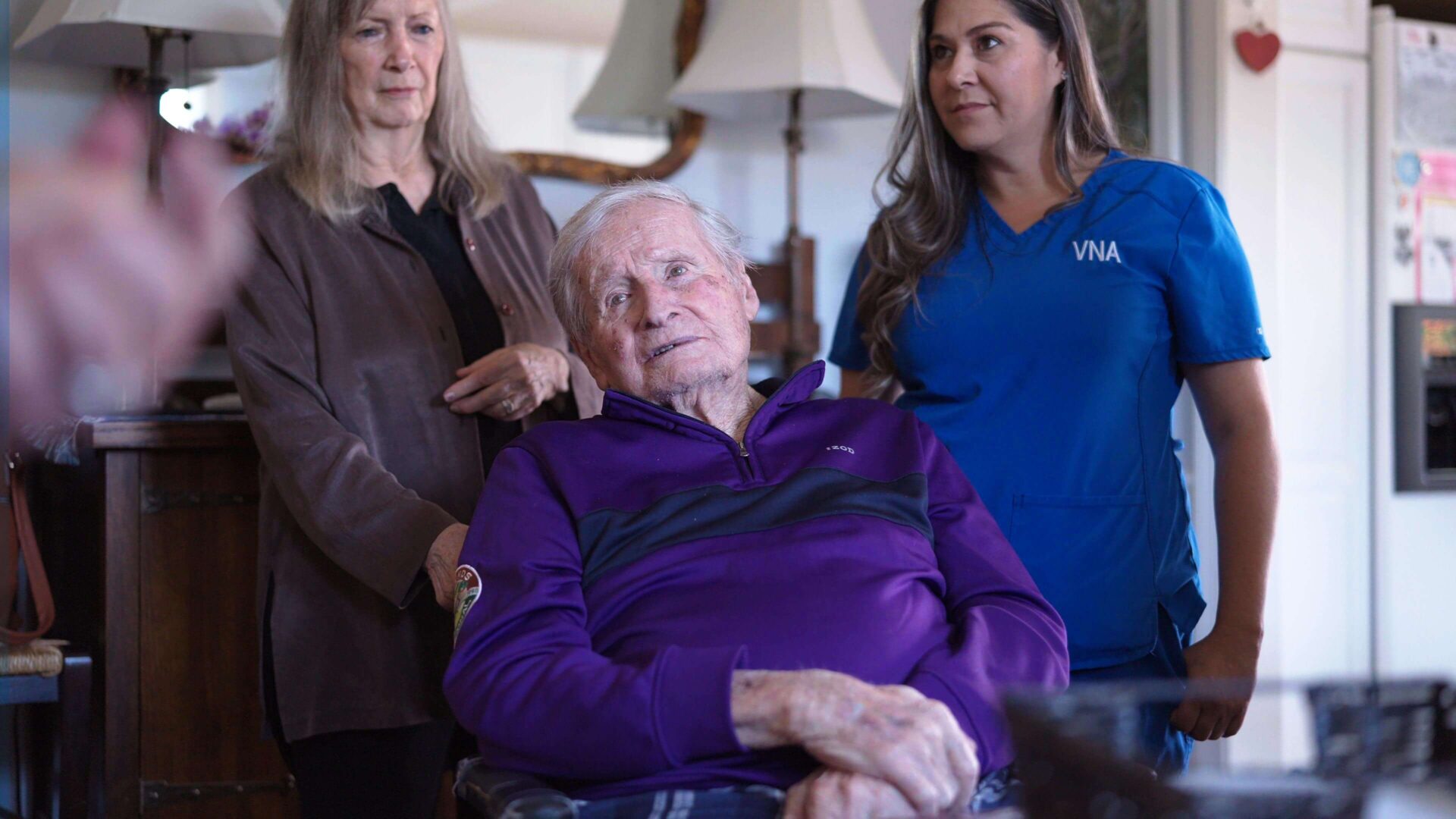
Expert Hospice Care in Monterey, CA - What Families Should Know
When a loved one faces a terminal illness, navigating hospice care options can feel overwhelming. Families in Monterey, CA, often have questions about what expert hospice care entails, how it can help, and what to expect.
Hospice care provides compassionate, end-of-life support that prioritizes comfort, dignity, and quality of life. Understanding the services available, the benefits of professional expert hospice care, and how to choose a trusted provider can make a significant difference during this emotional time.
In this guide, we’ll explore the key aspects of expert hospice care in Monterey, CA, and what families should consider when making this important decision.
Common Problems and Challenges
Understanding the Purpose of Hospice Care
One of the biggest misconceptions about hospice care is that it is only for individuals in their final days. In reality, hospice care can be introduced months before passing, offering extended comfort and support.
- Many families delay hospice care, thinking it means "giving up."
- Lack of awareness about available services leads to missed benefits.
- Emotional reluctance makes it difficult to transition from curative treatments to palliative care.
Emotional and Practical Challenges for Families
Caring for a terminally ill loved one can be emotionally exhausting and physically demanding. Families may struggle with:
- Managing pain and symptoms without medical training.
- Coping with grief and anticipatory loss.
- Coordinating care among multiple caregivers while juggling personal responsibilities.
The Solution and How It Works
How Hospice Care Supports Patients and Families
Hospice care focuses on improving quality of life by providing:
- Pain and symptom management: Skilled nurses ensure the patient remains comfortable.
- Emotional and spiritual support: Counselors and chaplains offer guidance for both patients and families.
- 24/7 Assistance: On-call medical support ensures immediate attention to urgent needs.
- Family respite care: Professional caregivers provide relief, allowing families to rest.
The Hospice Care Process
- Initial Consultation – A hospice provider assesses the patient's needs and creates a personalized care plan.
- Comprehensive Support – Medical, emotional, and spiritual care are provided in the home or facility.
- Ongoing Communication – Regular updates keep families informed about the patient’s condition.
- Bereavement Services – Hospice care extends support to families after a loved one passes.
Benefits and Outcomes
Enhanced Comfort and Quality of Life
- Personalized care plans ensure that symptoms such as pain, nausea, and anxiety are managed effectively.
- Patients can remain in familiar surroundings, surrounded by loved ones.
- Emotional and social well-being improves with structured support.
Support for Families and Caregivers
- Reduces the burden on family members by providing professional medical assistance.
- Offers grief counseling and emotional guidance to help families cope.
- Strengthens family bonds by allowing more meaningful time together.
Financial Considerations
- Hospice care is often covered by Medicare, Medicaid, and private insurance.
- Reduces costly hospital visits and unnecessary medical interventions.
- Ensures a structured care plan that aligns with the patient’s wishes.
Industry-Specific Considerations
Choosing the Right Hospice Provider
When selecting a hospice care provider in Monterey, CA, families should consider:
- Accreditation and licensing: Ensure the provider is certified by Medicare and meets state regulations.
- Range of services: Look for comprehensive care, including medical, emotional, and spiritual support.
- Reputation and testimonials: Read reviews and seek recommendations from trusted sources.
Local Resources and Support
Monterey County has various hospice care providers, support groups, and community organizations that offer additional assistance. Families can connect with local palliative care programs and senior support networks for added guidance.
Related Questions and Expert Answers
Is Hospice Care Covered by Insurance?
Yes, most hospice care services are covered by Medicare, Medicaid, and private insurance. Families should check their specific coverage details.
When Should Hospice Care Begin?
Hospice care can begin when a doctor determines that a patient has six months or less to live if the disease follows its natural course. Early enrollment can maximize comfort and support.
Can Hospice Care Be Provided at Home?
Yes, hospice care is often delivered at home, allowing patients to remain in a familiar and comfortable environment.
What Services Are Included in Hospice Care?
Hospice care includes pain management, nursing care, emotional support, spiritual counseling, respite care, and bereavement support.
How Do I Talk to My Loved One About Hospice Care?
Start the conversation with compassion, focusing on comfort, dignity, and quality of life. Involve a healthcare professional to explain medical benefits.
If your loved one needs expert Hospice care in Monterey, CA, Central Coast VNA & Hospice is here to help. Our compassionate team provides personalized, dignified end-of-life care to support both patients and their families.
📞 Call us today at 831-372-6668 to discuss your needs and learn how we can assist you. You can also visit our website at https://ccvna.com/ for more information on our hospice services.
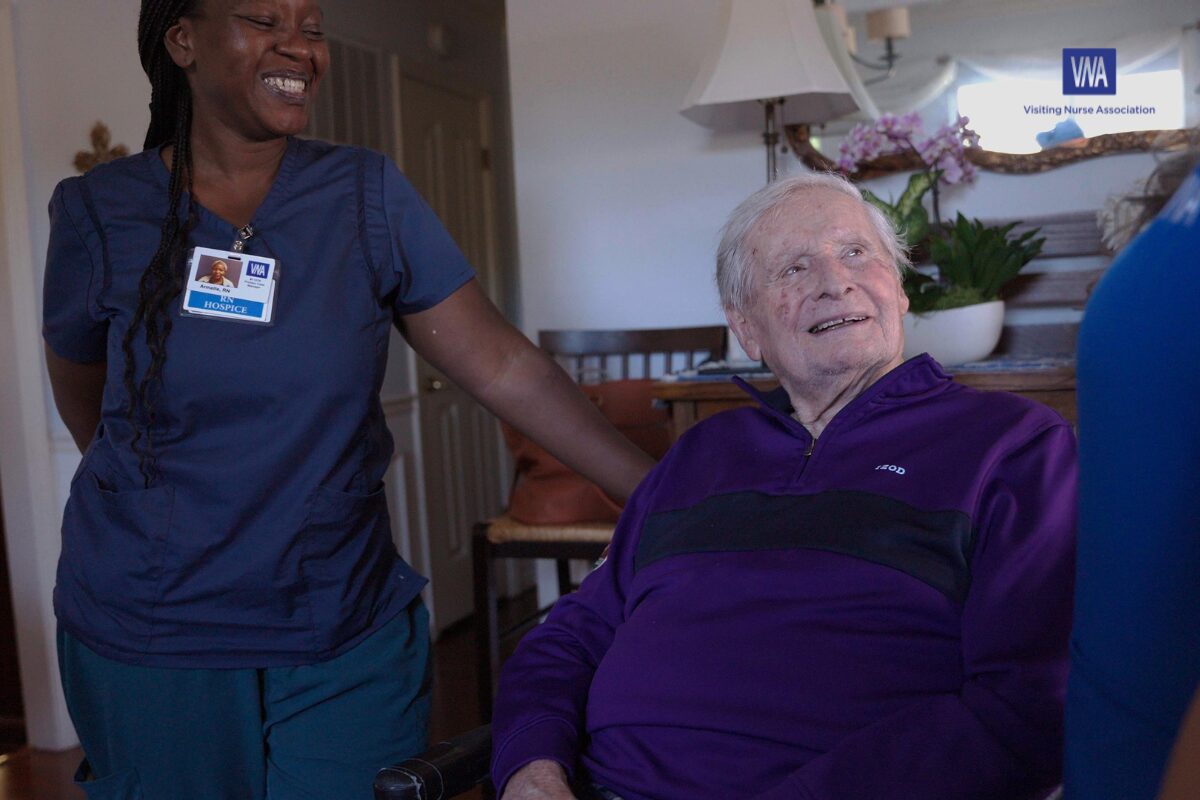
How Senior Care Services Enhance Quality of Life for Monterey’s Aging Community
Aging is a natural part of life, and for seniors in Monterey, CA, maintaining independence and well-being is a top priority. With its mild coastal climate, stunning landscapes, and strong sense of community, Monterey is an ideal place to age gracefully. However, as individuals grow older, they may require extra support to ensure they can continue living safely and comfortably at home. That’s where senior care services come in.
If you or a loved one are considering care options, you may have questions like, “What types of senior care services are available?” or “How can home health care help maintain independence?” In this guide, we’ll explore how professional senior care services enhance quality of life and provide the support Monterey’s aging community needs.
What Are Senior Care Services?
Senior care services encompass a wide range of support options designed to assist older adults with daily activities, medical needs, and overall well-being. These services can include:
- Home Health Care – Skilled nursing, physical therapy, and rehabilitation services provided in the comfort of a senior’s home.
- Personal Care Assistance – Help with daily tasks like bathing, dressing, and meal preparation.
- Medical Social Work – Support for emotional and social well-being, connecting seniors with community resources.
- Physical, Occupational, and Speech Therapy – Programs that improve mobility, safety, and communication skills.
By integrating these services into daily life, seniors can enjoy greater independence while receiving the care they need to remain healthy and active.
How Monterey Senior Care Services Improve Quality of Life
For many seniors, remaining at home is a top priority. Monterey’s aging population benefits from services that help them stay in familiar surroundings while receiving professional care. Here’s how senior care services can make a difference:
1. Promoting Independence and Safety at Home
One of the biggest concerns for seniors is the risk of falls and injuries. In Monterey, where outdoor activities like walking along Cannery Row or enjoying a day at the beach are common, maintaining mobility is essential. Home health care services provide physical therapy to improve balance and strength, reducing fall risks and enhancing mobility.
Caregivers also help modify living spaces, recommending assistive devices and safety adjustments to ensure a secure home environment. Simple changes, like installing grab bars in bathrooms or removing tripping hazards, can greatly improve safety and confidence for aging individuals.
2. Providing Personalized Medical Care
Managing chronic conditions like heart disease, diabetes, or arthritis can be challenging. In Monterey County, where nearly 20% of the population is over the age of 65, access to reliable healthcare services is crucial. Home health care ensures seniors receive skilled nursing care, medication management, and specialized treatments without frequent hospital visits.
By having nurses and therapists visit regularly, seniors receive consistent medical attention, reducing the risk of complications and hospital readmissions. This personalized approach helps seniors maintain better health while enjoying the comfort of home.
3. Emotional and Social Well-Being
Aging can sometimes lead to feelings of isolation, especially for those without nearby family members. Social connections are essential for mental health, and Monterey’s senior care services help bridge this gap.
Medical social workers offer counseling and connect seniors with local support groups, volunteer opportunities, and community programs. Activities such as senior exercise classes, book clubs, and cultural events provide engagement and companionship. These connections help seniors remain active and engaged in their community, boosting mental well-being.
4. Assistance with Daily Activities
Simple daily tasks can become difficult as mobility decreases. Whether it’s preparing meals, grooming, or running errands, having professional caregivers ensures seniors receive the help they need without losing their sense of independence.
For example, Monterey’s year-round farmers' markets offer fresh, local produce that supports heart-healthy diets. Caregivers can assist with grocery shopping, ensuring seniors have nutritious meals that align with their dietary needs.
5. Reducing the Burden on Family Caregivers
Family members often step in to help their aging loved ones, but caregiving can be overwhelming. Senior care services provide much-needed relief by offering professional assistance, allowing family caregivers to rest and focus on their own well-being.
In Monterey, where many adult children balance work and caregiving responsibilities, having professional support can make all the difference. Whether through respite care or full-time assistance, these services ensure that both seniors and their families receive the support they need.
6. Supporting Recovery and Rehabilitation
After surgery, illness, or injury, rehabilitation is essential for a full recovery. Monterey’s home health care services offer physical, occupational, and speech therapy to help seniors regain strength and independence.
Instead of staying in a rehab facility, seniors can recover at home with professional therapists guiding them through tailored exercises and treatment plans. This approach not only speeds up recovery but also provides comfort and convenience.
7. Preserving Dignity and Enhancing Quality of Life
At the heart of senior care services is a commitment to dignity and respect. Seniors deserve compassionate care that empowers them to live life on their terms. Whether it’s assistance with personal care or companionship from a caregiver, these services ensure that aging individuals feel valued, respected, and supported.
How to Get Started with Senior Care Services in Monterey
If you or a loved one are considering home health care or personal support services, here are some steps to take:
- Assess Your Needs – Determine the level of care required, whether it’s medical support, personal assistance, or rehabilitation services.
- Consult a Professional – Reach out to a local senior care provider to discuss options and create a personalized care plan.
- Explore Community Resources – Monterey offers many programs for seniors, from wellness initiatives to social activities.
- Stay Informed – Keep up with new advancements in senior care to ensure the best possible quality of life.
Finding the Right Senior Care Provider
When choosing a senior care provider, look for:
✅ Licensed and experienced staff
✅ Personalized care plans
✅ Positive reviews from families
✅ A strong reputation in the Monterey community
At Visiting Nurse Association and Hospice, we specialize in providing compassionate, high-quality senior care services tailored to the unique needs of Monterey’s aging community. Our team of skilled nurses, therapists, and caregivers is dedicated to helping seniors live independently and comfortably.
Conclusion
Aging is a journey, and with the right support, seniors in Monterey can continue to live fulfilling, independent lives. From personalized medical care to companionship and rehabilitation, senior care services play a crucial role in enhancing quality of life.
If you or a loved one are looking for compassionate, professional care in Monterey, Visiting Nurse Association and Hospice is here to help. Contact us today to learn more about how our services can support you on this journey.
📞 Call us at 831-372-6668 to discuss senior care options for you or a loved one.
Home Health Care in Monterey, CA - 7 Essential Benefits for Seniors
Aging comes with many challenges, and for seniors in Monterey, CA, maintaining independence while receiving necessary medical and personal care is crucial. Many families face the tough decision of how best to support their aging loved ones. Home health care presents an effective solution that allows seniors to receive professional medical assistance while staying in the comfort of their homes.
In this article, we’ll explore the top seven benefits of home health care for seniors in Monterey, CA. Whether you’re considering this option for yourself or a loved one, you’ll gain insights into why home health care is a valuable and compassionate choice.
1. Comfort and Familiarity
One of the most significant benefits of home health care is that seniors can remain in a familiar and comfortable environment. Being surrounded by cherished memories and personal belongings can have a positive impact on mental and emotional well-being.
- Reduces stress and anxiety associated with hospital or nursing home stays.
- Encourages better recovery and adherence to treatment plans.
- Provides a sense of independence and dignity.
2. Personalized and One-on-One Care
Unlike institutionalized care, home health services offer a personalized approach tailored to each senior’s needs.
- Individualized care plans designed around medical and personal requirements.
- One-on-one attention ensures better health monitoring and support.
- Greater flexibility in adjusting care plans as conditions change.
3. Enhanced Safety and Reduced Risk of Infections
Hospitals and nursing homes expose seniors to a higher risk of infections. Home health care minimizes this exposure, keeping them in a controlled and safer environment.
- Lower risk of hospital-acquired infections.
- Reduced chance of falls and injuries with in-home assistance.
- Medication management to prevent adverse drug interactions.
4. Cost-Effective Alternative to Facility-Based Care
Home health care is often a more affordable option than full-time nursing home or hospital care.
- Eliminates the high costs of room and board in care facilities.
- Covers only the services needed, reducing unnecessary expenses.
- Many insurance plans, including Medicare, offer home health care coverage.
5. Emotional and Social Well-Being
Isolation can be a serious issue for seniors, leading to depression and anxiety. Home health care provides companionship and emotional support, improving overall well-being.
- Caregivers provide companionship and engage seniors in meaningful activities.
- Family members can be more involved in their loved one’s care.
- Reduces feelings of loneliness and social withdrawal.
6. Assistance with Daily Living Activities
Home health aides help seniors maintain their independence by assisting with essential daily activities.
- Help with bathing, dressing, and grooming.
- Meal preparation and nutritional guidance.
- Light housekeeping and errands to maintain a safe living space.
7. Access to Skilled Medical Care
Home health care includes professional medical services from registered nurses, therapists, and certified caregivers.
- Medication management and wound care.
- Physical, occupational, and speech therapy.
- Chronic disease management (e.g., diabetes, heart disease, Alzheimer’s care).
Related Questions and Expert Answers
Is Home Health Care Covered by Insurance?
Many insurance plans, including Medicare and Medicaid, cover home health care services. It’s essential to check with your provider for specific coverage details.
How Often Should a Senior Receive Home Health Care?
The frequency of visits depends on the senior’s needs, doctor’s recommendations, and care plan. Some may require daily assistance, while others may need weekly check-ins.
What Are Signs That a Senior Needs Home Health Care?
- Difficulty managing medications.
- Frequent falls or mobility issues.
- Struggling with daily activities such as cooking and hygiene.
- Post-hospitalization recovery.
Frequently Asked Questions (FAQs)
What Services Does Home Health Care Include?
Home health care includes skilled nursing, therapy, personal care assistance, and companionship services tailored to a senior’s needs.
How Do I Choose a Reliable Home Health Care Provider?
Look for a licensed, Medicare-certified provider with positive reviews and personalized care plans, such as Central Coast VNA & Hospice.
Can Home Health Care Help with Dementia or Alzheimer’s Patients?
Yes, specialized caregivers provide memory care, structured routines, and safety measures for seniors with cognitive impairments.
Is Home Health Care Only for Seniors?
No, home health care services can also benefit younger individuals recovering from surgery, illness, or managing chronic conditions.
How Do I Get Started with Home Health Care in Monterey, CA?
Contact Central Coast VNA & Hospice to schedule an assessment and discuss personalized care plans.
If you or a loved one is considering home health care in Monterey, CA, Central Coast VNA & Hospice is here to help. Our compassionate and skilled professionals provide personalized care designed to enhance independence and quality of life.
📞 Call us today at 831-372-6668 or visit our website to learn more about our services and schedule a consultation!

How Hospice Care Offers Remarkable Comfort and Dignity for Families
Hospice care is more than just medical support; it is a compassionate approach to helping patients and families navigate one of life’s most challenging journeys. For families in Salinas, CA, choosing hospice care means providing their loved ones with a dignified, comfortable, and peaceful experience during the final stages of life. At Central Coast VNA & Hospice, we are committed to offering specialized care that meets the physical, emotional, and spiritual needs of both patients and their families. This holistic care approach helps ensure that every family member feels supported during a profoundly emotional time.
In this blog post, we’ll explore the remarkable ways hospice care offers comfort and dignity for families in Salinas, CA, and why it’s an essential service for those facing life-limiting illnesses.
What Is Hospice Care?
Hospice care is designed to improve the quality of life for individuals with terminal illnesses who are no longer seeking curative treatments. Instead of focusing on curing the illness, hospice care prioritizes comfort, pain relief, and emotional support. This specialized care is provided by a multidisciplinary team that includes doctors, nurses, social workers, chaplains, counselors, and volunteers who work together to address the unique needs of each patient and their family.
Hospice care can be provided in various settings, including at home, in nursing facilities, or hospice centers. The goal is to ensure that patients spend their remaining days in a peaceful and familiar environment, surrounded by loved ones and receiving the care they need to feel comfortable and dignified.
Remarkable Comfort: Physical and Emotional Support
Pain and Symptom Management
One of the primary goals of hospice care is to manage the patient’s pain and other distressing symptoms. Patients with life-limiting illnesses often experience physical discomfort due to their condition or treatments. Hospice teams specialize in providing relief through medications, therapies, and techniques that help patients remain as pain-free and comfortable as possible.
In Salinas, CA, where the local climate is mild and pleasant, hospice patients can enjoy the comfort of their homes or other familiar environments. The ability to stay in a peaceful setting, whether in a patient’s residence or surrounded by the natural beauty of the Central Coast, enhances the comfort of hospice care.
Emotional and Spiritual Support
Beyond physical care, hospice also emphasizes emotional and spiritual support for patients and their families. Facing a terminal diagnosis is emotionally challenging for everyone involved, and hospice care teams are trained to offer counseling and emotional support. Whether it’s helping the patient cope with their emotions or guiding family members through difficult conversations, hospice care helps provide peace of mind.
For the community in Salinas, which is known for its strong family values and close-knit relationships, hospice care serves as a vital source of comfort. Hospice chaplains offer spiritual care that aligns with the patient’s personal beliefs, while social workers provide counseling and help with the emotional complexities of end-of-life planning.
Remarkable Dignity: Preserving Identity and Autonomy
Personalized Care Plans
Hospice care is about more than just physical relief—it’s about respecting a person’s dignity during their final days. One of the remarkable aspects of hospice care is the creation of personalized care plans that are tailored to the patient’s unique needs, preferences, and values. This ensures that the care they receive aligns with their desires, allowing them to maintain control over their treatment and end-of-life decisions.
For patients in Salinas, CA, this means that hospice care honors their personal wishes, whether that includes spending time outdoors in the region’s beautiful parks or staying at home surrounded by family. Personalization allows for a meaningful and dignified experience that recognizes the individual’s identity and preferences.
Support for Families and Caregivers
The journey through a terminal illness doesn’t only affect the patient; it deeply impacts the entire family. Hospice care also prioritizes the needs of family members and caregivers, helping them navigate their emotional, psychological, and practical challenges. Hospice teams provide education and guidance on how to care for their loved ones, as well as respite care to give family caregivers a much-needed break.
In Salinas, where many families share multigenerational homes and caregiving responsibilities, hospice care offers critical relief and support. By taking some of the caregiving duties off the shoulders of family members, hospice allows them to focus on spending quality time with their loved one and sharing meaningful moments together.
The Central Coast Connection: Hospice Care in Salinas, CA
Salinas, CA, nestled in the heart of the Central Coast, is known for its rich agricultural history and vibrant community. With its beautiful weather and strong cultural ties, Salinas provides an ideal environment for hospice care. The peacefulness of the area, along with its proximity to natural beauty such as the nearby Monterey Peninsula, offers a tranquil setting for patients receiving hospice care.
In addition, Salinas boasts a diverse and caring community. Many local organizations, churches, and community groups collaborate with Central Coast VNA & Hospice to provide additional support and resources to families in need. This sense of community is especially important during times of grief and transition, when a strong support system can make all the difference.
How Hospice Care Improves Quality of Life
Focusing on What Matters Most
Hospice care allows patients to focus on what truly matters to them in their final days—whether that’s reconnecting with loved ones, reflecting on their life, or simply enjoying small moments of peace. By alleviating pain and providing emotional support, hospice care gives patients the opportunity to make the most of their remaining time, free from the burden of excessive medical interventions.
In Salinas, the mild climate and serene environment allow patients to take advantage of their surroundings. Whether they wish to spend time in their garden, sit by the window and enjoy the gentle breezes, or take part in family gatherings, hospice care makes it possible for them to live fully and meaningfully.
Preserving Dignity in All Aspects
One of the most important aspects of hospice care is ensuring that patients maintain their dignity, even as they face the end of life. This is achieved by respecting their autonomy, providing compassionate care, and treating them with the utmost respect. Hospice caregivers are trained to handle even the most sensitive situations with grace and professionalism, ensuring that patients feel valued and respected at all times.
For families in Salinas, hospice care ensures that their loved ones receive the compassionate and respectful care they deserve. Central Coast VNA & Hospice prides itself on upholding these values, making sure every patient feels honored and cared for in a way that reflects their wishes and personality.
How to Get Started with Hospice Care in Salinas, CA
If you’re considering hospice care for a loved one, it’s important to start by having open and honest conversations about their preferences and needs. Once you’ve made the decision to pursue hospice care, reaching out to Central Coast VNA & Hospice can help you navigate the process. Our team is available to answer your questions, guide you through the logistics, and provide the support you and your family need during this time.
Conclusion
Hospice care offers remarkable comfort and dignity for patients and families facing the challenges of a life-limiting illness. Through personalized care, emotional and spiritual support, and a compassionate approach, hospice helps patients live their final days in peace and comfort. In Salinas, CA, Central Coast VNA & Hospice provides this vital service to the community, ensuring that families can focus on what matters most—spending meaningful time together and preserving their loved one’s dignity.
If you or a loved one would benefit from hospice care, don’t hesitate to reach out to Central Coast VNA & Hospice. Our team is here to provide the care, support, and guidance you need during this important time.