
Understanding Home Health-A Comprehensive Care Guide
What Is Home Health and Why Does It Matter?
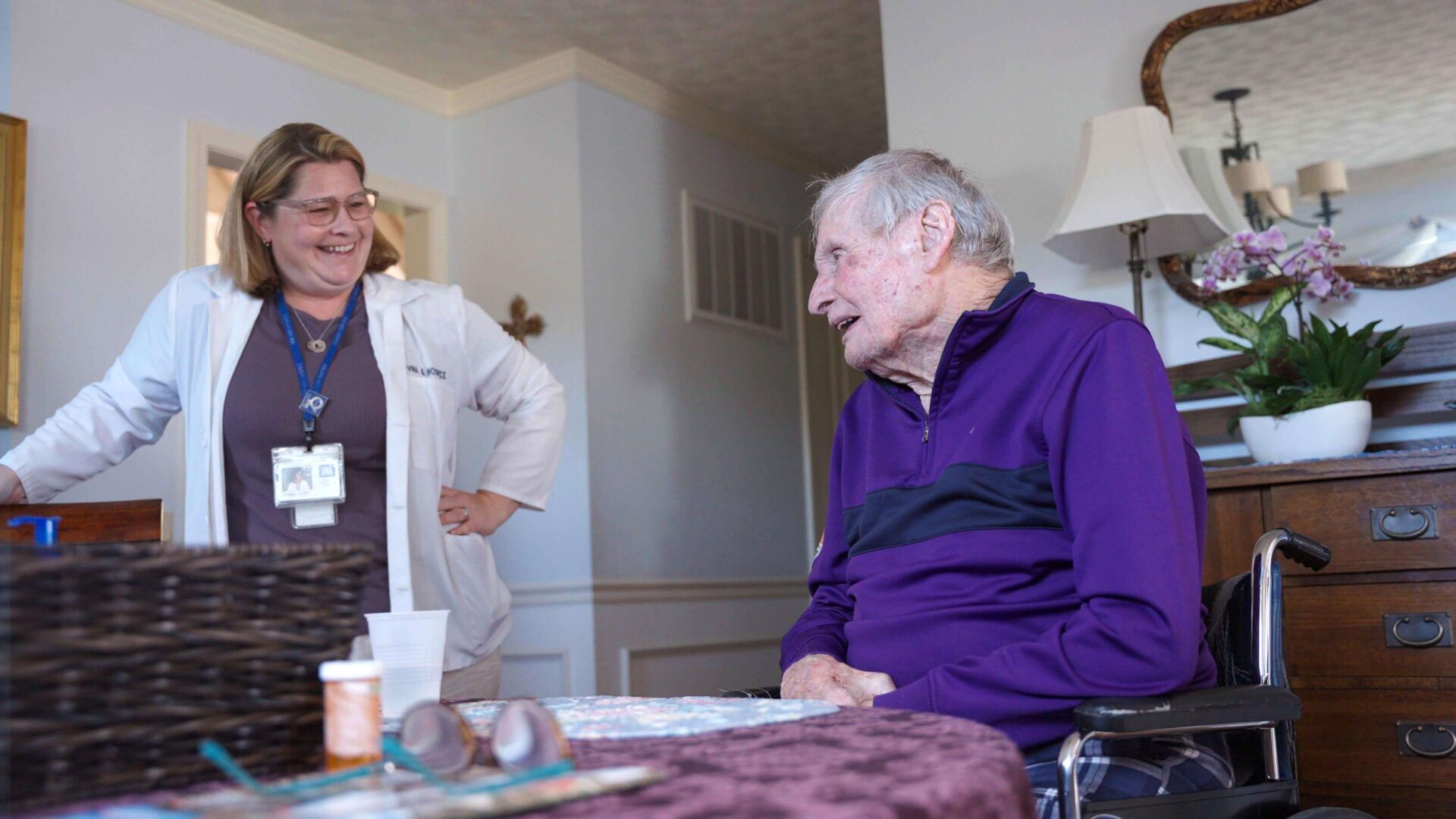
As individuals age or recover from illness, the need for quality health care at home becomes increasingly important. Understanding home health is crucial for families seeking compassionate, professional care for their loved ones. Home health care provides medical and therapeutic services in the comfort of one’s home, ensuring patients receive the personalized care they need without hospital visits.
At Central Coast VNA & Hospice, we specialize in providing top-tier home health services to patients across Monterey and surrounding areas. From skilled nursing to physical therapy, our dedicated team ensures each patient receives the highest level of care in familiar surroundings.
This guide will explore the challenges of home health, its benefits, and what to look for in a provider. Let’s dive into the essential aspects of understanding home health and how it improves patients' quality of life.
Common Challenges in Home Health Care
While home health care is an invaluable service, families often face challenges when deciding whether it is the right option. Here are some common concerns:
- Understanding Eligibility: Many people are unsure whether their loved one qualifies for home health services. Medicare and private insurance often cover home health under specific conditions, such as a physician’s order.
- Finding the Right Provider: Not all home health agencies offer the same level of care. It’s important to research providers to ensure they offer skilled nursing, therapy, and personal care services tailored to the patient’s needs.
- Ensuring Quality and Safety: Families may worry about the quality of care and whether their loved one will receive consistent, professional attention. Choosing a reputable agency with experienced professionals is key.
- Balancing Family Responsibilities: Caregivers often struggle to balance their own responsibilities with the demands of caring for a loved one. Home health care alleviates this burden by providing expert support at home.
By understanding home health, families can make informed decisions and find the best care solutions for their loved ones.
How Home Health Care Works
Home health care is designed to provide medical and rehabilitative support for individuals recovering from surgery, managing chronic conditions, or needing specialized care. Here’s what the process typically involves:
- Initial Assessment: A registered nurse or healthcare professional evaluates the patient’s condition, medical history, and care needs.
- Personalized Care Plan: Based on the assessment, a customized care plan is developed, including nursing care, therapy, and other necessary services.
- Ongoing Medical Support: Skilled professionals provide regular visits, monitor health progress, administer medications, and offer therapy as needed.
- Patient & Family Education: Home health professionals educate families on managing the patient’s condition and providing necessary support between visits.
- Coordination with Physicians: Healthcare providers maintain communication with the patient’s doctor to ensure seamless, continuous care.
At Central Coast VNA & Hospice, we offer comprehensive services, including:
- Skilled Nursing Care – Wound care, IV therapy, and chronic disease management.
- Physical, Occupational, & Speech Therapy – Rehabilitation for mobility, speech, and daily functions.
- Medical Social Services – Assistance with care coordination, community resources, and emotional support.
- Home Health Aide Services – Help with personal care such as bathing, grooming, and dressing.
The Benefits of Home Health Care
Choosing home health care provides numerous advantages for patients and their families. Some key benefits include:
- Comfort and Familiarity: Patients receive care in the comfort of their own home, reducing stress and promoting faster recovery.
- Personalized Attention: Unlike hospitals or nursing facilities, home health care offers one-on-one attention tailored to individual needs.
- Cost-Effective Alternative: Home health care is often more affordable than long-term hospital stays or assisted living facilities.
- Enhanced Independence: Patients maintain their daily routines and independence while receiving medical support.
- Reduced Risk of Infections: Staying at home minimizes exposure to hospital-acquired infections, leading to better overall health outcomes.
Key Considerations When Choosing a Home Health Provider
When selecting a home health provider, it’s essential to consider:
- Licensing & Accreditation: Ensure the provider is licensed and accredited by state and federal health organizations.
- Range of Services: Look for agencies offering comprehensive care, including nursing, therapy, and personal care services.
- Experience & Reputation: Research the provider’s history, reviews, and testimonials from other patients.
- Insurance & Payment Options: Confirm whether the provider accepts Medicare, Medicaid, or private insurance.
- Emergency Support: Inquire about after-hours or emergency care availability.
Central Coast VNA & Hospice is a trusted provider of home health care services in Monterey, offering professional, compassionate care to meet a variety of patient needs.
Frequently Asked Questions (FAQs)
- What conditions qualify for home health care?
Home health care is suitable for individuals recovering from surgery, managing chronic illnesses, or needing therapy services at home. A physician must determine medical necessity. - Does insurance cover home health care?
Medicare, Medicaid, and many private insurance plans cover home health care if prescribed by a doctor. Check with your insurance provider for specific coverage details. - How often will a home health professional visit?
Visit frequency depends on the care plan. Some patients require daily visits, while others may need weekly check-ins. - Can home health care help with medication management?
Yes, skilled nurses can administer medications, educate patients on proper usage, and monitor for side effects. - How do I get started with home health services?
Contact Central Coast VNA & Hospice to discuss eligibility, services, and next steps for setting up a personalized care plan.
Take the Next Step with Central Coast VNA & Hospice
If you or a loved one needs professional home health care in Monterey, understanding home health is the first step toward quality, compassionate care. At Central Coast VNA & Hospice, our experienced team is here to provide personalized support that enhances well-being and independence.
📞 Call us today at 831-372-6668 to schedule a consultation to learn more about our services. Let us help you find the best care solution for your family.

The Three Most Common Advance Directives-A Vital Guide
Understanding Common Advance Directives and Their Importance
Have you ever wondered what would happen if you were unable to make your own healthcare decisions? Life is unpredictable, and preparing for medical emergencies is crucial. Advance Directives are legal documents that allow you to outline your healthcare preferences in case you become incapacitated. Without these, critical medical choices could be left in the hands of doctors or family members who may not know your true wishes.
At Central Coast VNA & Hospice, we believe in empowering individuals in Monterey and beyond with the knowledge and tools to take control of their future medical care. In this guide, we’ll explore the three most common Advance Directives, debunk common misconceptions, and help you make informed decisions about your healthcare planning.
The Three Most Common Types of Advance Directives
1. Living Will
A Living Will is a document that specifies what kind of medical treatment you do or do not want if you become terminally ill or permanently unconscious.
Key aspects of a Living Will:
- Provides detailed instructions about medical interventions (e.g., ventilators, feeding tubes, resuscitation).
- Ensures your healthcare wishes are followed even when you cannot communicate them.
- Helps reduce family conflict by clarifying your preferences in advance.
2. Durable Power of Attorney for Healthcare (Healthcare Proxy)
A Healthcare Proxy, also known as a Medical Power of Attorney, allows you to designate someone to make medical decisions on your behalf.
Why it’s essential:
- Covers situations where decisions need to be made but are not outlined in a Living Will.
- Grants authority to someone you trust to make choices aligned with your values.
- Ensures continuity in care by having a dedicated decision-maker.
3. Do Not Resuscitate (DNR) Order
A DNR order tells medical professionals not to perform CPR if your heart stops or if you stop breathing.
What you need to know:
- Specifically for situations where resuscitation would not align with your health goals.
- Often included in end-of-life care planning.
- Must be discussed with a physician and signed to be legally valid.
Common Myths About Advance Directives
Many people avoid Advance Directives due to misunderstandings. Let’s clear up some common myths:
- Myth 1: “Only elderly people need an Advance Directive.”
- Accidents and medical emergencies can happen at any age. Planning ahead ensures your preferences are known.
- Myth 2: “A Living Will covers all medical situations.”
- A Living Will typically applies to end-of-life care, but a Healthcare Proxy is necessary for broader decision-making.
- Myth 3: “Advance Directives are difficult to set up.”
- The process is straightforward and can be completed with legal assistance or healthcare providers.
Why Advance Directives Matter in Monterey
In Monterey, many individuals seek quality end-of-life care and home health services. By having Advance Directives in place, patients ensure they receive care that aligns with their wishes. Central Coast VNA & Hospice provides expert guidance on Advance Directives, helping patients and families navigate this critical process.
Benefits of Advance Directives:
- Peace of mind knowing your medical choices will be honored.
- Legal clarity to prevent family disputes over medical decisions.
- Improved communication between patients, family members, and healthcare providers.
FAQs About Advance Directives
1. Are Advance Directives legally binding?
Yes, when completed correctly, Advance Directives are legal documents recognized by healthcare providers and institutions.
2. Can I update my Advance Directives?
Absolutely. You can update or revoke your directives at any time to reflect changes in your health or personal preferences.
3. Where should I keep my Advance Directives?
Store them in an easily accessible place, provide copies to family members, and ensure your doctor has a copy on file.
4. Do I need a lawyer to create an Advance Directive?
No, while legal assistance can be helpful, many states offer free forms, and healthcare providers can guide you through the process.
Take Control of Your Healthcare Decisions Today
Preparing Advance Directives is a proactive step toward ensuring your healthcare wishes are respected. If you or a loved one need assistance with Advance Directives or hospice care in Monterey, Central Coast VNA & Hospice is here to help. Our expert team provides compassionate support and guidance for all aspects of healthcare planning.
📞 Contact us today at 831-372-6668 to schedule a consultation.
Don’t wait for a crisis—plan now for peace of mind and clarity in your medical future.
By providing this informative and practical guide, we aim to help individuals and families in Monterey make informed decisions about Advance Directives and healthcare planning.
Home Health vs. Hospice - What’s the Key Difference?
Understanding the Differences Between Home Health and Hospice
When facing serious health conditions or managing chronic illnesses, families often seek care options that provide comfort and support. But what’s the difference between home health care and hospice? Many people in Monterey and beyond struggle to determine which service best suits their loved one’s needs.
Both home health and hospice provide essential medical care at home, but they serve different purposes. Understanding the distinctions can help you make the best decision for your family. In this blog, we’ll break down the key differences, address common misconceptions, and guide you toward choosing the right care option.
Common Challenges and Misconceptions
Many people assume that home health and hospice care are interchangeable, but they are quite different. Some common misconceptions include:
- Hospice is only for the last days of life. While hospice is for end-of-life care, it can be provided for months, depending on the patient's condition.
- Home health is only for post-hospital recovery. Home health services can also be for managing chronic illnesses, not just recovery.
- You must be bedridden to receive either service. Many patients receiving home health care or hospice can still move around and engage in daily activities.
- Hospice means giving up hope. Hospice focuses on improving quality of life, not hastening death. It provides comfort, pain management, and emotional support.
Understanding these misconceptions can make it easier to choose the right service for you or your loved one.
The Solution - How Home Health and Hospice Work
What is Home Health Care?
Home health care is designed for patients who need medical assistance but are still seeking curative treatments. It is commonly prescribed for:
- Recovery after surgery, illness, or hospitalization.
- Managing chronic conditions such as diabetes or heart disease.
- Physical therapy, wound care, or skilled nursing support.
Key Features of Home Health Care:
- Provided under a doctor’s prescription.
- Includes skilled nursing, physical therapy, and rehabilitation services.
- Patients can continue curative treatments while receiving care.
- Covered by Medicare, Medicaid, and many private insurances.
What is Hospice Care?
Hospice care is for patients with a terminal illness who have chosen comfort care over curative treatment. It focuses on providing relief from pain and symptoms to enhance quality of life.
Key Features of Hospice Care:
- Requires a doctor’s certification that the patient has a life expectancy of six months or less.
- Focuses on comfort, pain management, and emotional support.
- Services include nursing care, counseling, and spiritual support.
- Typically covered by Medicare, Medicaid, and most insurance providers.
Benefits of Choosing the Right Care
Benefits of Home Health Care:
- Helps patients recover in the comfort of their home.
- Encourages independence while managing chronic conditions.
- Supports family caregivers with skilled nursing assistance.
- Reduces hospital readmissions and emergency visits.
Benefits of Hospice Care:
- Provides comprehensive comfort care for terminal patients.
- Reduces pain and enhances quality of life.
- Offers emotional and spiritual support for families.
- Allows patients to remain at home surrounded by loved ones.
Understanding these benefits can help families make informed choices about their care options.
Industry-Specific Considerations for Monterey Residents
For residents of Monterey and surrounding areas, choosing the right care service is crucial. Central Coast VNA & Hospice provides compassionate, high-quality home health and hospice services tailored to the needs of our community.
Why Choose Central Coast VNA & Hospice?
- Experienced, compassionate caregivers who prioritize patient comfort.
- Comprehensive services including skilled nursing, therapy, and palliative care.
- Local expertise in Monterey County, ensuring personalized, community-based care.
- 24/7 support to assist families through every step of care.
To learn more about our services, visit Central Coast VNA & Hospice.
FAQs About Home Health vs. Hospice
1. Is home health care covered by Medicare?
Yes, Medicare covers home health care if prescribed by a doctor and if the patient meets eligibility requirements.
2. How do I know if my loved one needs hospice care?
If curative treatments are no longer effective and the focus shifts to comfort, hospice care may be the right choice. Speak with a doctor for guidance.
3. Can hospice care be provided at home?
Yes, hospice care is primarily provided at home, though inpatient options are available for those with more complex medical needs.
4. What services does Central Coast VNA & Hospice provide?
We offer home health care, hospice, palliative care, and rehabilitation services throughout Monterey County.
5. Can I switch from home health to hospice care?
Yes, if a patient’s condition changes, they can transition from home health to hospice, ensuring continuous and appropriate care.
Take the Next Step: Contact Central Coast VNA & Hospice Today
Deciding between home health vs. hospice can be challenging, but you don’t have to do it alone. Our compassionate team is here to guide you.
📞 Call us at (831) 372-6668
🌍 Visit Central Coast VNA & Hospice to learn more.
📅 Schedule a consultation today and let us help you choose the right care for your loved one.
Choosing between home health and hospice care is a significant decision, but with the right information and support, families can ensure their loved ones receive the care they deserve. If you're in Monterey and need expert guidance, Central Coast VNA & Hospice is here to help.
Finding Strength After Loss - Trusted Bereavement Support in Monterey, CA
Understanding the Journey of Grief
Losing a loved one is one of life’s most difficult experiences. The emotional toll can be overwhelming, leaving many feeling lost and unsure of how to move forward. Whether the loss was expected or sudden, grief manifests in different ways, affecting mental, emotional, and even physical health.
At Central Coast VNA & Hospice, we understand the complexities of bereavement and offer trusted bereavement support to individuals and families in Monterey, CA. This blog explores the challenges of grief, the importance of bereavement support, and how professional guidance can help you find strength after loss.
Common Challenges of Grief and Loss
The Emotional and Physical Impact of Grief
Grief is not a linear process; it varies for everyone. Some may experience intense sadness, anger, guilt, or even relief. Others might struggle with physical symptoms like fatigue, sleep disturbances, and a weakened immune system.
Misconceptions About Grieving
Many people believe that grief should follow a set timeline, but the reality is different for everyone. Some common myths include:
- “Time heals all wounds.” – While time can help, active coping strategies and support are essential.
- “Grief should last a set period.” – The grieving process is unique; there is no ‘right’ timeframe.
- “Avoiding emotions will help you heal faster.” – Suppressing grief can prolong emotional suffering.
Understanding these challenges is the first step in finding the right support system.
The Power of Bereavement Support in Monterey, CA
How Professional Support Helps
At Central Coast VNA & Hospice, our bereavement support services provide a structured, compassionate approach to coping with loss. Some of the ways we help include:
- One-on-One Counseling: Personalized sessions with trained grief counselors.
- Support Groups: Connecting with others who have experienced similar losses.
- Educational Resources: Guidance on the emotional, psychological, and practical aspects of grief.
- Memorial Events & Workshops: Creating spaces to honor loved ones and process emotions collectively.
DIY Coping Strategies vs. Professional Support
While personal coping strategies—such as journaling, exercise, and meditation—can be beneficial, professional bereavement support offers structured guidance tailored to individual needs. Seeking professional help ensures that grief does not become prolonged or complicated, leading to further emotional distress.
Key Benefits of Bereavement Support Services
Emotional and Psychological Healing
- Gain a deeper understanding of grief and its impact.
- Develop healthy coping mechanisms to navigate emotions.
- Receive validation and support from experienced professionals.
Strengthened Relationships and Support Networks
- Connecting with others in support groups reduces feelings of isolation.
- Strengthened family bonds through guided grief discussions.
Long-Term Well-being and Growth
- Reduced risk of prolonged grief disorder.
- Improved mental health through structured healing strategies.
- Development of resilience to handle future emotional challenges.
Choosing the Right Bereavement Support Provider in Monterey, CA
When selecting a grief support program, consider:
- Reputation & Experience: Look for providers with a history of compassionate care.
- Range of Services: Ensure they offer individual counseling, support groups, and additional resources.
- Accessibility & Location: Proximity and availability of in-person or virtual support.
- Personal Fit: Comfort and trust in the counselor or group facilitator are crucial.
Related Questions About Bereavement Support
1. How long should I attend bereavement support?
Grief support duration varies per individual. Some may find relief in a few months, while others benefit from ongoing support.
2. Is bereavement support covered by insurance?
Coverage depends on the provider and plan. Some hospice organizations offer free support services—check with your provider.
3. What’s the difference between grief counseling and support groups?
Counseling is one-on-one therapy with a licensed professional, while support groups offer peer-based shared experiences.
4. Can children attend bereavement support groups?
Yes, many programs offer specialized support for children experiencing loss.
5. What if I don’t feel ready to join a group?
Individual counseling can be a great starting point before transitioning to a group setting.
FAQs About Bereavement Support
Q: What is bereavement support?
A: Bereavement support includes counseling, groups, and resources designed to help individuals cope with grief.
Q: When should I seek grief support?
A: If grief affects daily life, seeking support can provide essential coping mechanisms.
Q: Are grief support services only for recent losses?
A: No, support is available for both recent and past losses.
Q: How do I find a bereavement support group in Monterey, CA?
A: Contact Central Coast VNA & Hospice or visit their website for local resources.
Q: What should I expect in a bereavement counseling session?
A: A safe space to express emotions, receive guidance, and develop coping strategies.
Take the Next Step: Get Compassionate Bereavement Support Today
You don’t have to navigate grief alone. Central Coast VNA & Hospice is here to provide the compassionate, professional bereavement support you need in Monterey, CA. Whether through one-on-one counseling or group sessions, we’re dedicated to helping you heal.
👉 Contact us today at 831-372-6668 or visit ccvna.com to learn more about our bereavement services.
How Senior Care Services Enhance Quality of Life for Monterey’s Aging Community
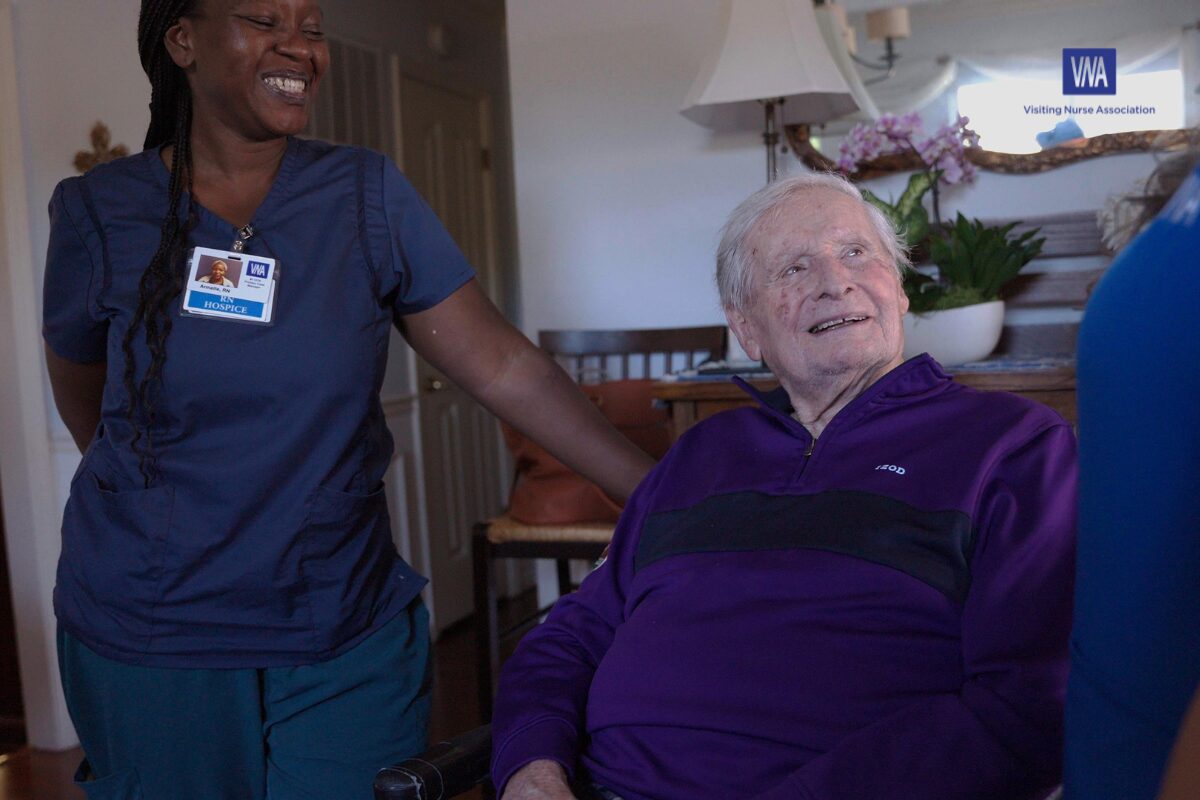
Aging is a natural part of life, and for seniors in Monterey, CA, maintaining independence and well-being is a top priority. With its mild coastal climate, stunning landscapes, and strong sense of community, Monterey is an ideal place to age gracefully. However, as individuals grow older, they may require extra support to ensure they can continue living safely and comfortably at home. That’s where senior care services come in.
If you or a loved one are considering care options, you may have questions like, “What types of senior care services are available?” or “How can home health care help maintain independence?” In this guide, we’ll explore how professional senior care services enhance quality of life and provide the support Monterey’s aging community needs.
What Are Senior Care Services?
Senior care services encompass a wide range of support options designed to assist older adults with daily activities, medical needs, and overall well-being. These services can include:
- Home Health Care – Skilled nursing, physical therapy, and rehabilitation services provided in the comfort of a senior’s home.
- Personal Care Assistance – Help with daily tasks like bathing, dressing, and meal preparation.
- Medical Social Work – Support for emotional and social well-being, connecting seniors with community resources.
- Physical, Occupational, and Speech Therapy – Programs that improve mobility, safety, and communication skills.
By integrating these services into daily life, seniors can enjoy greater independence while receiving the care they need to remain healthy and active.
How Monterey Senior Care Services Improve Quality of Life
For many seniors, remaining at home is a top priority. Monterey’s aging population benefits from services that help them stay in familiar surroundings while receiving professional care. Here’s how senior care services can make a difference:
1. Promoting Independence and Safety at Home
One of the biggest concerns for seniors is the risk of falls and injuries. In Monterey, where outdoor activities like walking along Cannery Row or enjoying a day at the beach are common, maintaining mobility is essential. Home health care services provide physical therapy to improve balance and strength, reducing fall risks and enhancing mobility.
Caregivers also help modify living spaces, recommending assistive devices and safety adjustments to ensure a secure home environment. Simple changes, like installing grab bars in bathrooms or removing tripping hazards, can greatly improve safety and confidence for aging individuals.
2. Providing Personalized Medical Care
Managing chronic conditions like heart disease, diabetes, or arthritis can be challenging. In Monterey County, where nearly 20% of the population is over the age of 65, access to reliable healthcare services is crucial. Home health care ensures seniors receive skilled nursing care, medication management, and specialized treatments without frequent hospital visits.
By having nurses and therapists visit regularly, seniors receive consistent medical attention, reducing the risk of complications and hospital readmissions. This personalized approach helps seniors maintain better health while enjoying the comfort of home.
3. Emotional and Social Well-Being
Aging can sometimes lead to feelings of isolation, especially for those without nearby family members. Social connections are essential for mental health, and Monterey’s senior care services help bridge this gap.
Medical social workers offer counseling and connect seniors with local support groups, volunteer opportunities, and community programs. Activities such as senior exercise classes, book clubs, and cultural events provide engagement and companionship. These connections help seniors remain active and engaged in their community, boosting mental well-being.
4. Assistance with Daily Activities
Simple daily tasks can become difficult as mobility decreases. Whether it’s preparing meals, grooming, or running errands, having professional caregivers ensures seniors receive the help they need without losing their sense of independence.
For example, Monterey’s year-round farmers' markets offer fresh, local produce that supports heart-healthy diets. Caregivers can assist with grocery shopping, ensuring seniors have nutritious meals that align with their dietary needs.
5. Reducing the Burden on Family Caregivers
Family members often step in to help their aging loved ones, but caregiving can be overwhelming. Senior care services provide much-needed relief by offering professional assistance, allowing family caregivers to rest and focus on their own well-being.
In Monterey, where many adult children balance work and caregiving responsibilities, having professional support can make all the difference. Whether through respite care or full-time assistance, these services ensure that both seniors and their families receive the support they need.
6. Supporting Recovery and Rehabilitation
After surgery, illness, or injury, rehabilitation is essential for a full recovery. Monterey’s home health care services offer physical, occupational, and speech therapy to help seniors regain strength and independence.
Instead of staying in a rehab facility, seniors can recover at home with professional therapists guiding them through tailored exercises and treatment plans. This approach not only speeds up recovery but also provides comfort and convenience.
7. Preserving Dignity and Enhancing Quality of Life
At the heart of senior care services is a commitment to dignity and respect. Seniors deserve compassionate care that empowers them to live life on their terms. Whether it’s assistance with personal care or companionship from a caregiver, these services ensure that aging individuals feel valued, respected, and supported.
How to Get Started with Senior Care Services in Monterey
If you or a loved one are considering home health care or personal support services, here are some steps to take:
- Assess Your Needs – Determine the level of care required, whether it’s medical support, personal assistance, or rehabilitation services.
- Consult a Professional – Reach out to a local senior care provider to discuss options and create a personalized care plan.
- Explore Community Resources – Monterey offers many programs for seniors, from wellness initiatives to social activities.
- Stay Informed – Keep up with new advancements in senior care to ensure the best possible quality of life.
Finding the Right Senior Care Provider
When choosing a senior care provider, look for:
✅ Licensed and experienced staff
✅ Personalized care plans
✅ Positive reviews from families
✅ A strong reputation in the Monterey community
At Visiting Nurse Association and Hospice, we specialize in providing compassionate, high-quality senior care services tailored to the unique needs of Monterey’s aging community. Our team of skilled nurses, therapists, and caregivers is dedicated to helping seniors live independently and comfortably.
Conclusion
Aging is a journey, and with the right support, seniors in Monterey can continue to live fulfilling, independent lives. From personalized medical care to companionship and rehabilitation, senior care services play a crucial role in enhancing quality of life.
If you or a loved one are looking for compassionate, professional care in Monterey, Visiting Nurse Association and Hospice is here to help. Contact us today to learn more about how our services can support you on this journey.
📞 Call us at 831-372-6668 to discuss senior care options for you or a loved one.
How Hospice Care in Monterey Provides Comfort and Support to Families
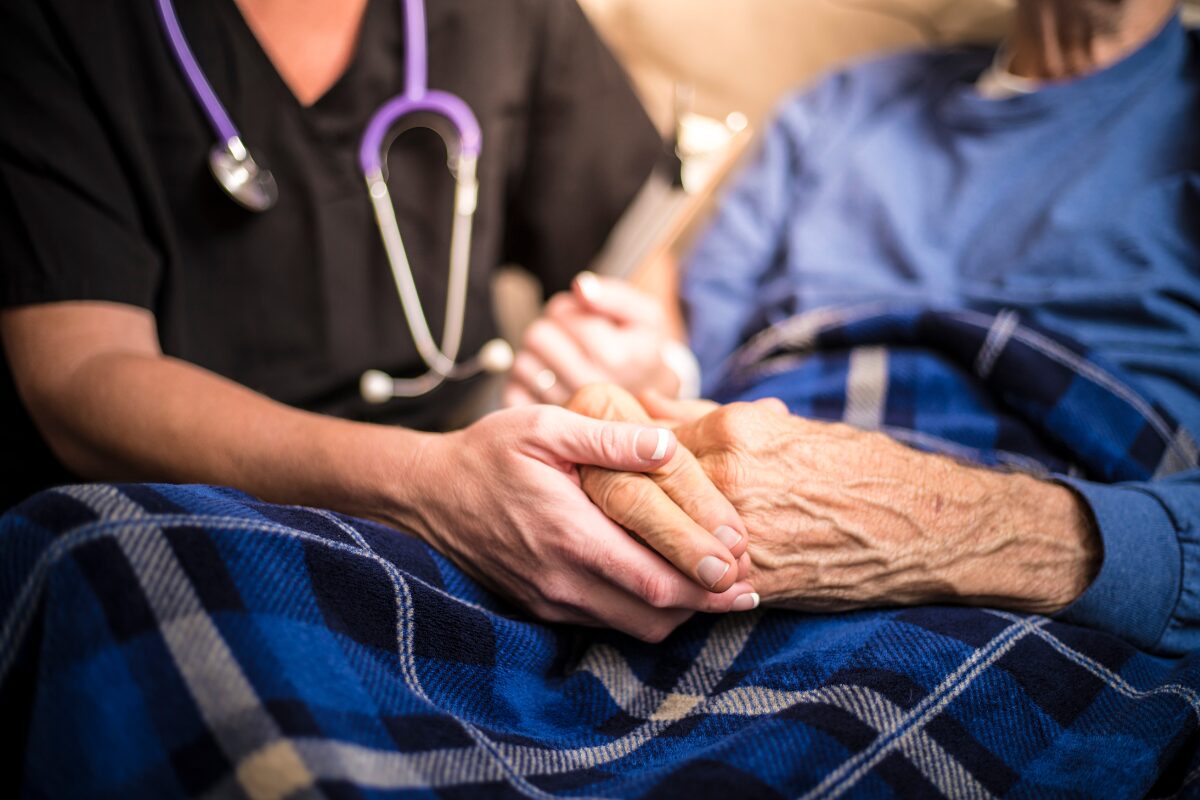
When a loved one is facing a life-limiting illness, families often have many questions and concerns. What is hospice care? How does it help both patients and their families? Where can you find compassionate hospice services in Monterey? These are common questions, and understanding how hospice care works can bring peace of mind during an emotional time.
At Visiting Nurse Association & Hospice, we provide expert hospice care in Monterey, offering not only medical support but also emotional and spiritual guidance. Our team is here to ensure that patients receive compassionate care while families feel supported every step of the way.
In this article, we’ll explore how hospice care improves quality of life, answers common concerns, and provides families with the comfort and resources they need.
What Is Hospice Care, and When Is It the Right Choice?
Hospice care is a specialized form of medical care focused on comfort, quality of life, and emotional support for individuals with terminal illnesses. Rather than seeking curative treatments, hospice emphasizes managing pain, easing symptoms, and supporting both the patient and their loved ones.
When should hospice care be considered?
Many families wonder when the right time is to consider hospice. Some key signs that hospice care may be beneficial include:
✔️ A life-limiting illness with a prognosis of six months or less
✔️ Frequent hospitalizations or emergency room visits
✔️ Increased pain, fatigue, or difficulty with daily tasks
✔️ A desire to focus on comfort rather than aggressive treatments
If you or a loved one are facing these challenges, it may be time to explore hospice care options in Monterey.
How Hospice Care Supports Families Emotionally and Spiritually
Caring for a loved one with a serious illness is emotionally overwhelming. Hospice care eases the burden on families by offering counseling, emotional support, and resources to help navigate this difficult time.
Emotional Support for Families
Grief and stress can take a toll on caregivers. Hospice care includes bereavement counseling, caregiver support groups, and one-on-one emotional guidance to help families cope with their emotions. Many people find comfort in talking to trained hospice professionals who understand the challenges they’re facing.
Spiritual Support in Monterey’s Peaceful Setting
For many, spirituality plays a crucial role in their end-of-life journey. Hospice care includes spiritual counselors who offer non-denominational support, helping patients and families find peace and meaning.
With Monterey’s breathtaking coastal views, families often find comfort in nature—whether it’s taking a quiet walk along Lovers Point Park or watching the waves at Asilomar State Beach. Hospice care allows families to cherish these moments together while receiving professional guidance.
What Services Does Hospice Care in Monterey Provide?
Hospice care is more than just medical treatment—it’s a comprehensive support system that includes:
1. Expert Pain and Symptom Management
Hospice care ensures that patients remain comfortable by managing pain, nausea, shortness of breath, and other distressing symptoms. Skilled nurses and doctors work closely to create a care plan that aligns with the patient’s wishes.
2. In-Home Care for Familiar Comfort
Most hospice care is provided in the comfort of home, allowing patients to stay in a familiar setting with loved ones nearby. In Monterey, many families appreciate being able to enjoy the beauty of their surroundings—whether it's a peaceful afternoon at home or a quiet moment in the backyard.
3. Respite Care for Family Caregivers
Caring for a loved one can be exhausting. Hospice offers respite care, giving family caregivers time to rest while professionals take over their responsibilities for a short period.
4. 24/7 Support and Guidance
Hospice teams are available 24 hours a day, 7 days a week to answer questions, provide urgent care, and ensure families feel supported at all times.
Why Choose Hospice Care in Monterey?
Monterey is known for its tight-knit community and commitment to quality healthcare. Choosing hospice care here means access to experienced professionals who provide compassionate, personalized support.
The Benefits of Choosing a Local Hospice Team
🌊 Familiarity with the local community – Hospice teams understand the needs of Monterey families.
🌞 Mild coastal climate – Ideal for keeping patients comfortable year-round.
🏡 Home-based care in a peaceful setting – Monterey’s natural beauty provides a serene environment for patients and families.
Hospice care allows families to spend meaningful time together, free from the stress of managing symptoms and navigating complex medical decisions alone.
How to Begin Hospice Care in Monterey
Starting hospice care may feel like a difficult decision, but you don’t have to do it alone. Here’s how to get started:
1️⃣ Talk to your doctor – If you or a loved one have been diagnosed with a life-limiting illness, discuss hospice care options with your healthcare provider.
2️⃣ Contact a hospice provider – At Visiting Nurse Association & Hospice, we can answer your questions and guide you through the process.
3️⃣ Schedule a consultation – Our team will evaluate your needs and create a personalized care plan.
4️⃣ Begin receiving support – Once enrolled, you’ll have access to a dedicated care team that includes nurses, social workers, chaplains, and volunteers.
Final Thoughts: Finding Comfort and Peace with Hospice Care
Hospice care is about honoring life, embracing comfort, and supporting families during a difficult time. Whether it’s relief from pain, emotional guidance, or simply having a compassionate team by your side, hospice care in Monterey provides the resources and support needed for a more peaceful journey.
If your family is navigating end-of-life care decisions, know that you’re not alone. Our compassionate team at Visiting Nurse Association & Hospice is here to provide comfort, dignity, and unwavering support every step of the way.
Reach out today to discover how hospice care can make a difference. Let’s navigate this journey together. 💙

5 Powerful Ways Skilled Nursing Care Supports Healing and Independence in Monterey
For individuals recovering from surgery, illness, or managing chronic health conditions, skilled nursing care plays a critical role in achieving both healing and independence. With personalized support and expert care, patients can remain comfortable and safe while regaining strength. In a beautiful area like Monterey, CA, skilled nursing care becomes even more valuable as patients can recover in the peaceful, inspiring surroundings that the Central Coast offers.
At Visiting Nurse Association and Hospice, our skilled nursing care is designed to deliver comprehensive and compassionate support tailored to meet individual needs. From managing medical treatments to promoting overall wellness, skilled nursing care empowers individuals to heal and live as independently as possible. In this blog, we’ll explore five powerful ways skilled nursing care supports healing and independence for residents in Monterey.
1. Personalized Medical Care at Home
One of the most significant advantages of skilled nursing care is the ability to receive high-quality medical support in the comfort of your own home. This level of care is particularly valuable in a location like Monterey, where individuals can recover in a peaceful environment surrounded by the beauty of the Central Coast. Skilled nurses provide a variety of services, including:
- Wound care and post-surgical recovery: Monitoring and treating surgical sites to prevent infections and complications.
- Medication management: Administering medications, IV therapies, and ensuring correct dosages and schedules.
- Chronic condition management: Supporting patients with heart disease, diabetes, COPD, and other long-term conditions.
With a focus on individualized care plans, skilled nurses collaborate with primary care physicians to address each patient’s unique medical needs. This ensures the best possible outcomes while allowing individuals to heal at home instead of extended hospital stays. Monterey’s calm coastal setting further enhances recovery. Imagine receiving care while looking out over the stunning Monterey Bay or feeling the fresh ocean air—a serene backdrop that promotes comfort and well-being during healing.
2. Support for Faster Recovery and Rehabilitation
Recovering from surgery or illness can be challenging, especially when mobility and strength are affected. Skilled nursing care offers vital rehabilitation support to help patients recover faster and regain independence. Key rehabilitation services include:
- Physical therapy: Helping patients rebuild strength, balance, and mobility through targeted exercises.
- Occupational therapy: Assisting with daily tasks like dressing, bathing, and cooking to promote independence.
- Fall prevention: Implementing safety strategies and exercises to reduce the risk of falls, which are a leading cause of injury among seniors.
For patients in Monterey, skilled nursing care can also involve encouraging light activity in local scenic areas, such as peaceful strolls along Del Monte Beach or visits to nearby parks like Jacks Peak County Park. These small outdoor activities, under professional guidance, promote physical health, mental well-being, and an improved quality of life. With the right support, patients can feel confident in their recovery, knowing that skilled professionals are by their side to guide their progress every step of the way.
3. Promoting Independence with Daily Living Support
Regaining independence is often a top priority for patients recovering from an illness or surgery. Skilled nursing care focuses not just on medical treatment but also on helping individuals maintain their independence through assistance with daily activities. Skilled nurses and aides provide support with tasks such as:
- Bathing, grooming, and personal hygiene.
- Mobility assistance, including transfers and walking support.
- Meal preparation and nutrition management.
These services ensure that patients can remain in their homes while recovering, which is especially comforting for Monterey residents who cherish the familiarity and beauty of the area. Whether it’s enjoying a morning coffee overlooking the coastline or engaging in a favorite hobby, skilled nursing care allows individuals to maintain as much independence as possible while receiving the support they need. The goal is to empower patients, enabling them to return to their normal routines at their own pace.
4. Emotional and Mental Health Support
Healing involves more than just physical recovery—it also includes emotional and mental well-being. For many patients, navigating the challenges of illness or recovery can feel overwhelming. Skilled nursing care provides compassionate support to address these concerns, offering encouragement, guidance, and reassurance. Key aspects of emotional support include:
- Counseling and companionship: Skilled nurses often become trusted confidants, providing emotional encouragement during recovery.
- Family education and involvement: Nurses educate family members about the patient’s condition and care needs, empowering families to provide ongoing support.
- Stress and anxiety management: Helping patients manage feelings of worry or uncertainty through relaxation techniques and holistic approaches.
For patients in Monterey, emotional well-being can be further enhanced by engaging with the natural beauty and community of the area. Simple activities like sitting in the garden, listening to the ocean waves, or enjoying a drive along the iconic 17-Mile Drive can lift spirits and foster peace during recovery. By addressing emotional health alongside physical care, skilled nursing ensures a well-rounded approach to healing.
5. Preventing Hospital Readmissions with Skilled Nursing Care
One of the most powerful benefits of skilled nursing care is its ability to reduce hospital readmissions by providing proactive, ongoing care at home. For individuals with chronic conditions or those recovering from surgery, avoiding unnecessary trips to the hospital is essential for overall well-being. Skilled nurses achieve this through:
- Regular health assessments to monitor vital signs and symptoms.
- Managing medications to ensure proper adherence and effectiveness.
- Quick intervention at the first sign of complications to prevent worsening conditions.
This continuity of care helps patients feel secure, knowing that professional support is available whenever they need it. For families in Monterey, it offers peace of mind, knowing their loved ones are receiving attentive care without the disruption of repeated hospital stays. By focusing on preventative care, skilled nursing services promote stability and long-term health for patients.
Conclusion
Skilled nursing care in Monterey, CA, offers an invaluable combination of medical expertise, emotional support, and personalized care to promote healing and independence. Whether recovering from surgery, managing a chronic condition, or needing assistance with daily activities, skilled nursing empowers individuals to maintain their health and quality of life.
At Visiting Nurse Association and Hospice, we are proud to serve the Monterey community with compassionate, professional care tailored to each individual’s unique needs. Surrounded by the beauty of the Central Coast, patients can recover and thrive in a peaceful, familiar environment. If you or a loved one could benefit from skilled nursing care, let our dedicated team guide you on the path to healing and independence.
📞 Contact us today at 831-372-6668 to learn more about our skilled nursing services and how we can help you live your best life.
Visiting Nurse Association and Hospice – Supporting Your Journey to Health and Independence.

9 Essential Home Health Care Tips for a Healthy and Happy Fall
Fall is a beautiful time of year in Monterey, CA. The cooler temperatures, vibrant colors, and peaceful coastal atmosphere create a perfect backdrop for seniors and their families to focus on wellness and enjoying the season. However, the transition into fall also brings unique challenges, particularly for seniors receiving home health care. At Visiting Nurse Association and Hospice, we are dedicated to ensuring that seniors maintain their health and happiness during this season.
In this blog, we'll cover 9 essential home health care tips to help seniors in Monterey and the surrounding areas stay healthy and happy this fall.
1. Stay Warm and Comfortable
As the temperatures in Monterey start to cool in the fall, it’s important for seniors to stay warm, especially those with chronic conditions like arthritis or respiratory issues, which can worsen in cooler weather. Ensuring your loved one has adequate warm clothing, cozy blankets, and heating options can make a big difference.
- Tip: Invest in layers like sweaters, scarves, and socks for easy adjustments to changing temperatures. Monterey’s mild climate can shift throughout the day, so being able to add or remove layers is key.
2. Maintain Physical Activity
Fall is a great time to stay active, as the cooler weather makes outdoor activities more comfortable. Physical activity is essential for maintaining strength, balance, and overall health, especially for seniors receiving home health care.
- Tip: Encourage seniors to take advantage of Monterey’s scenic coastal trails for light walks, or engage in gentle exercises indoors. Light stretches, chair yoga, or working with a physical therapist can help keep the body moving and prevent stiffness.
Visiting Nurse Association and Hospice provides physical therapy services right at home, ensuring that seniors stay active safely and under professional guidance.
3. Keep Hydrated
With cooler temperatures, it’s easy to forget to stay hydrated, but proper hydration is just as important in the fall as it is during summer. Seniors are at a higher risk of dehydration, which can lead to fatigue, confusion, and other health issues.
- Tip: Keep a water bottle handy and encourage regular sips throughout the day. For variety, offer herbal teas or infused water with fall fruits like apples and pears.
4. Prioritize Nutrition
Fall is the season for hearty meals and delicious, seasonal fruits and vegetables like pumpkins, squash, and apples. Proper nutrition is crucial for maintaining energy levels and overall health, especially for seniors. Meals rich in fiber, vitamins, and minerals help boost the immune system and prevent illness.
- Tip: Prepare meals that incorporate seasonal produce. Soups, stews, and roasted vegetables are not only comforting but packed with nutrients. If your loved one has dietary restrictions, our home health care team can work with a dietician to create a personalized meal plan that meets their needs.
5. Monitor Fall Allergies and Respiratory Health
Fall in Monterey brings beautiful scenery, but it can also bring seasonal allergies. Allergies can aggravate respiratory issues for seniors, especially those with chronic conditions like asthma or COPD. Be mindful of common allergens like pollen, mold, and dust.
- Tip: Keep windows closed on high pollen days, use air purifiers indoors, and encourage seniors to take their prescribed medications. Visiting Nurse Association and Hospice offers skilled nursing care to help manage respiratory health and ensure medications are taken properly.
6. Update Home Safety for Fall
With shorter days and cooler evenings, fall is the perfect time to update home safety measures to prevent accidents. Ensuring that your home is well-lit and free from fall hazards like loose rugs or wet leaves can prevent falls, which are a leading cause of injury among seniors.
- Tip: Install nightlights in hallways and bathrooms, and ensure all walkways are clear of obstacles. Consider adding grab bars in bathrooms for additional support. Our home health aides can help assess and update home safety measures to suit your loved one’s needs.
7. Get a Flu Shot and Stay Vaccinated
Flu season typically starts in the fall, and seniors are especially vulnerable to complications from the flu and other illnesses. It’s important to stay up-to-date on vaccinations, including the flu shot, to reduce the risk of illness during the colder months.
- Tip: Arrange for your loved one to receive a flu shot at home or at a local clinic. At Visiting Nurse Association and Hospice, we provide in-home immunizations, making it convenient and easy for seniors to stay protected against the flu.
8. Focus on Mental and Emotional Health
As the days grow shorter and darker, some seniors may feel lonely or isolated, particularly those who live alone or are unable to leave their homes frequently. Focusing on mental and emotional health is just as important as physical health, and fall is a great time to engage in activities that bring joy and connection.
- Tip: Keep seniors engaged with activities they love, whether it’s reading, knitting, or listening to music. Encourage phone calls or video chats with family members, or consider scheduling visits from volunteers who can provide companionship through Visiting Nurse Association and Hospice’s volunteer program.
9. Plan for Cozy Indoor Activities
While Monterey's fall weather can be mild, there are still days when it’s too chilly or wet to go outside. Having a variety of indoor activities available can help seniors stay entertained, mentally stimulated, and emotionally fulfilled.
- Tip: Create a list of favorite indoor hobbies such as puzzles, board games, or crafting projects. Reading books set in Monterey or even learning about local history can provide a meaningful connection to the community. Home health aides from Visiting Nurse Association and Hospice can assist with setting up activities and spending quality time with your loved one.
Conclusion
Fall in Monterey is a beautiful time to focus on health and happiness, especially for seniors receiving home health care. By incorporating these 9 essential tips, you can ensure your loved one remains comfortable, active, and engaged throughout the season. Whether it’s staying hydrated, staying active with walks along the scenic coastline, or prioritizing nutrition and vaccinations, these strategies will help your loved one thrive.
At Visiting Nurse Association and Hospice, we’re dedicated to supporting the health and well-being of seniors in Monterey and the surrounding areas. Our home health care services are designed to provide personalized, compassionate care, ensuring that your loved one receives the attention and support they need. From skilled nursing to physical therapy, we’re here to make sure this fall is a happy and healthy one.
📞 Contact us today at 831-372-6668 to learn more about how our home health care services can support your loved one this fall!
#HomeHealthCare #MontereyCA #VNACentralCoast #SeniorWellness #FallCareTips

How to Embrace Healthy Senior Living with Home Health Care
As we age, maintaining a healthy lifestyle becomes increasingly important for overall well-being. For seniors, embracing a lifestyle that promotes physical, emotional, and social health is essential for aging gracefully and comfortably. Home health care offers a supportive environment that enables seniors to enjoy the best possible quality of life while remaining in the comfort of their own homes. In Monterey, Salinas, and across the Central Coast of California, home health care services play a pivotal role in helping seniors achieve and maintain a healthy lifestyle.
In this blog post, we'll explore the key aspects of healthy senior living and how home health care can support seniors in Monterey, Salinas, and the Central Coast in their journey to wellness.
Understanding the Importance of Healthy Senior Living
Healthy senior living goes beyond just physical health; it encompasses mental, emotional, and social well-being. Seniors who prioritize a balanced lifestyle are more likely to experience enhanced quality of life, greater independence, and reduced risk of chronic illnesses. Here are the core components of healthy senior living:
1. Physical Health
Maintaining physical health is crucial for seniors to stay active, mobile, and independent. Regular exercise, a nutritious diet, and proper management of chronic conditions are vital components of physical well-being.
2. Mental and Emotional Health
Mental and emotional well-being are equally important. Staying mentally active, managing stress, and fostering positive relationships contribute to overall happiness and reduce the risk of cognitive decline.
3. Social Connections
Social interactions and a strong support network are essential for combating loneliness and isolation, which are common challenges among seniors. Engaging in social activities and maintaining relationships with family, friends, and the community are key to a fulfilling life.
4. Safety and Comfort
Creating a safe and comfortable living environment is essential for seniors. This includes making necessary home modifications to prevent falls and injuries, as well as having access to medical care when needed.
The Role of Home Health Care in Supporting Healthy Senior Living
Home health care is a vital resource that enables seniors to achieve and maintain a healthy lifestyle while remaining in their familiar surroundings. In Monterey, Salinas, and the Central Coast, home health care services are designed to meet the unique needs of seniors, providing personalized care that promotes independence, comfort, and well-being.
1. Personalized Care Plans
Home health care agencies, such as Central Coast VNA & Hospice, offer personalized care plans tailored to each senior's specific needs. These plans are developed in collaboration with the senior, their family, and their healthcare provider. Whether it's managing chronic conditions, recovering from surgery, or receiving ongoing medical care, personalized care plans ensure that seniors receive the right level of support.
2. Skilled Nursing Care
Registered nurses play a crucial role in home health care by providing skilled nursing services that support seniors' physical health. This includes medication management, wound care, monitoring vital signs, and managing chronic conditions such as diabetes or heart disease. Skilled nursing care helps seniors maintain their health and avoid unnecessary hospitalizations.
3. Physical Therapy and Rehabilitation
For seniors recovering from surgery or managing chronic pain, physical therapy is essential for regaining strength, mobility, and independence. Home health care services often include physical therapy, allowing seniors to receive treatment in the comfort of their own homes. This personalized approach to rehabilitation helps seniors achieve their recovery goals more effectively.
4. Support for Daily Activities
As seniors age, they may need assistance with daily activities such as bathing, dressing, meal preparation, and housekeeping. Home health care aides provide this support, enabling seniors to maintain their independence while ensuring their safety and comfort. By assisting with daily tasks, home health care aides help seniors focus on what matters most—enjoying life.
5. Mental and Emotional Support
Home health care providers recognize the importance of mental and emotional well-being. Caregivers offer companionship, engage in meaningful conversations, and encourage participation in hobbies and activities that promote mental stimulation. This holistic approach to care ensures that seniors' emotional and psychological needs are met.
6. Social Engagement and Community Involvement
Home health care services in Monterey, Salinas, and the Central Coast often include opportunities for social engagement and community involvement. Caregivers can accompany seniors to local events, social gatherings, and recreational activities, helping them stay connected with their community. This social engagement is vital for combating loneliness and promoting a sense of belonging.
7. Safety and Home Modifications
Creating a safe living environment is a priority for home health care providers. Caregivers assess the home for potential hazards and recommend modifications such as installing grab bars, improving lighting, and removing tripping hazards. These changes reduce the risk of falls and injuries, allowing seniors to live safely and independently.
The Local Advantage: Embracing Healthy Senior Living in Monterey, Salinas, and the Central Coast
The Central Coast of California offers a unique environment that is conducive to healthy senior living. The region's mild climate, stunning natural landscapes, and vibrant communities provide the perfect backdrop for an active and fulfilling lifestyle.
Mild Climate and Outdoor Activities
The Central Coast is known for its mild Mediterranean climate, with cool, wet winters and dry, warm summers. This comfortable weather allows seniors to enjoy outdoor activities year-round. Whether it's a leisurely walk along the scenic Monterey Bay Coastal Trail, a visit to the beautiful parks in Salinas, or exploring the historic sites in King City, the Central Coast offers endless opportunities for seniors to stay active and engaged with nature.
Community Events and Cultural Attractions
Monterey, Salinas, and the surrounding areas are rich in cultural heritage and host numerous events and festivals throughout the year. Seniors can participate in local events such as the Monterey Jazz Festival, the Salinas Valley Food & Wine Festival, and community fairs. These events provide opportunities for social interaction, cultural enrichment, and community involvement, all of which contribute to healthy senior living.
Access to Quality Healthcare
The Central Coast is home to a variety of healthcare facilities and providers that specialize in senior care. Home health care services in the region are supported by reputable hospitals, clinics, and medical professionals who collaborate to ensure that seniors receive the best possible care. This access to quality healthcare is a key factor in supporting seniors' physical health and well-being.
How to Get Started with Home Health Care
If you or a loved one are considering home health care as a way to embrace healthy senior living, it's important to choose a provider that understands the unique needs of seniors in Monterey, Salinas, and the Central Coast.
Steps to Get Started:
- Assess Your Needs: Identify the specific areas where you or your loved one need support, whether it's medical care, daily activities, or companionship.
- Research Providers: Look for reputable home health care providers in your area, such as Central Coast VNA & Hospice, that offer personalized care plans and a range of services.
- Consult with Healthcare Providers: Discuss your needs with your primary care physician or a healthcare professional who can provide recommendations and referrals for home health care services.
- Schedule a Consultation: Contact the home health care provider to schedule a consultation. During this meeting, you can discuss your needs, ask questions, and develop a personalized care plan.
- Start Care: Once a care plan is established, home health care services can begin, providing the support you need to live a healthy and fulfilling life.
Conclusion
Embracing healthy senior living with home health care is a proactive approach to aging gracefully and maintaining independence. In Monterey, Salinas, and the Central Coast, home health care services offer seniors the personalized support they need to enjoy life to the fullest. By focusing on physical health, mental and emotional well-being, social connections, and safety, home health care helps seniors achieve a balanced and fulfilling lifestyle in the comfort of their own homes.
If you're ready to explore the benefits of home health care, contact Central Coast VNA & Hospice today. Our compassionate and experienced team is here to help you or your loved one embrace healthy senior living with confidence and peace of mind.