
When a loved one faces a serious illness, medical treatments often take center stage. But what about the stress, discomfort, and emotional strain? This is where home care palliative care can help.
Palliative care is specialized medical support focused on relief. It eases the symptoms and stress of a serious illness, all in the comfort of home. Many people think it is the same as hospice, but it is not. Palliative care is available at any stage of an illness, even while you are getting treatments to cure your condition.
An Extra Layer of Comfort and Support
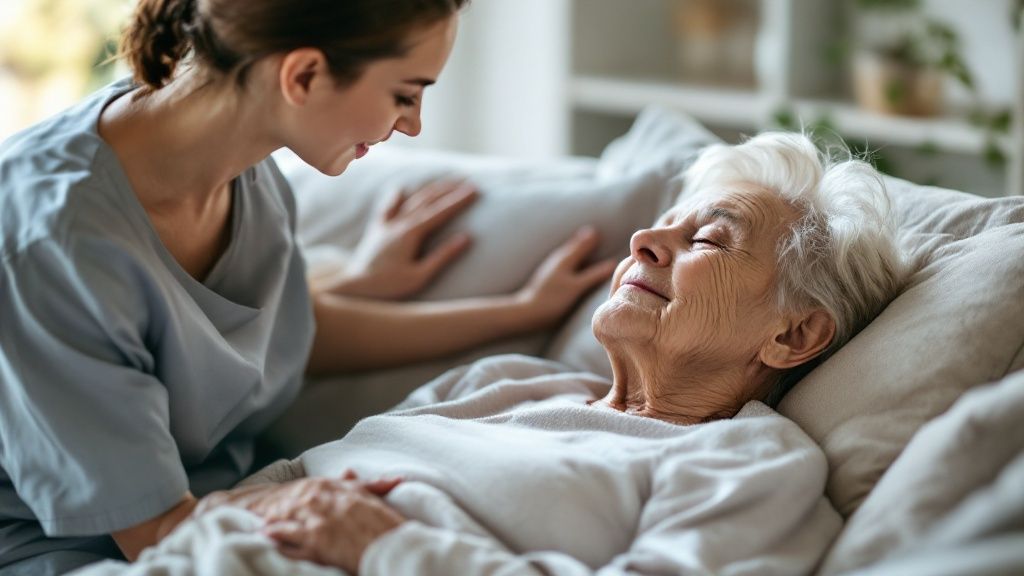
Think of it this way: your main doctor focuses on treating the disease. Palliative care adds another layer of support to improve your quality of life. The goal is to focus on what matters most to you.
For over 74 years, Central Coast VNA & Hospice has provided this kind of compassionate care. As a local nonprofit, our mission is to deliver expert medical care that honors your wishes. We proudly serve families in Monterey County, San Benito County, Santa Cruz County, and South Santa Clara County.
What Does Palliative Care Actually Do?
Palliative care treats the whole person, not just the illness. It helps with symptoms that make daily life a struggle. This frees you up to focus on your health and loved ones.
At its heart, home palliative care is a philosophy that puts you first. It shares ideas with person-centred therapy by valuing your comfort, dignity, and personal goals.
So, what does that support look like? It can include:
- Symptom Management: Helping with pain, nausea, fatigue, or shortness of breath.
- Emotional Support: Offering guidance to cope with the stress of a serious diagnosis.
- Clear Communication: Helping you and your family understand medical information and make decisions.
This special focus can make a big difference in your daily life. You can learn more about what palliative care is and how it empowers patients.
Palliative Care at a Glance
To clear up any confusion, here is a simple breakdown of what home care palliative care is and what it is not.
| Palliative Care Is… | Palliative Care Is Not… |
|---|---|
| An extra layer of support. | A replacement for your doctor. |
| Focused on quality of life. | Giving up on treatment. |
| For any stage of a serious illness. | Only for the end of life. |
| About the whole person's comfort. | Just about managing pain. |
It is about adding more life to your days, not just days to your life. This is the heart of our mission at Central Coast VNA & Hospice.
The Real Benefits of Choosing In-Home Care
Receiving palliative care at home is a choice centered on comfort and dignity. When you are dealing with a serious illness, being in your own space is powerful. It is about creating an environment where you can feel at peace.
Bringing care into the home means you can keep your own routines. You can sleep in your own bed and stay connected to your memories. This sense of normalcy helps reduce stress and anxiety.
Comfort and Familiarity
There is a special kind of healing that happens at home. Simple things, like sitting in a favorite chair or having a pet nearby, can improve your well-being. This familiar setting helps reduce stress.
In-home palliative care brings expert medical support into your personal space. The care adapts to you and your life. This approach helps you hold onto your independence and feel more in control.
Personalized Symptom Management
A big advantage of palliative care at home is personalized symptom management. Our Registered Nurses work with you and your doctors to control pain, nausea, and other symptoms. This focused attention can prevent symptoms from getting worse and reduce the need for emergency room trips.
This proactive approach keeps your quality of life as the top priority. To learn more, you can see the benefits of our palliative care services for patients and families.
Keeping Families Together
When care happens at home, the whole family is more involved. Loved ones can be present without hospital visiting hours. This strengthens family bonds during a difficult time.
Our team at CCVNA is there for the entire family. We offer education and guidance to help family members feel more confident in their roles. This creates a circle of support that nurtures everyone.
By bringing professional medical services into the home, we create an environment where patients feel secure and families feel supported.
The need for this type of care is growing. The global palliative care market was valued at USD 15.11 billion in 2023. It is expected to grow to USD 32.51 billion by 2033 (Straits Research, 2024). You can discover more about this expanding market and its trends.
Meet Your Dedicated Palliative Care Team
You should not have to face a serious illness alone. With Central Coast VNA & Hospice, a team of compassionate professionals is ready to support you. This team works together to address every part of your well-being.
Your CCVNA team is always in communication. This ensures your care is coordinated and complete. It helps manage medical needs while also supporting your emotional and spiritual health.
The Core of Your Support System
Each person on your palliative care team has unique skills. They all share one goal: improving your quality of life. They are experts at listening and creating a care plan that respects your wishes.
Your dedicated support team makes a world of difference. To help you understand their roles, we have outlined the key professionals who will be by your side.
Your CCVNA Palliative Care Support Team
This table shows the roles of each professional on your care team.
| Team Member | Primary Role and Support Provided |
|---|---|
| Registered Nurse (RN) | Your main clinical contact. The RN is an expert in managing symptoms like pain and fatigue. They work with your doctor to adjust medications for comfort at home. |
| Medical Social Worker | Your guide for practical and emotional challenges. The social worker connects you to community resources and offers counseling for you and your family. |
| Chaplain | A source of spiritual comfort, no matter your beliefs. Our chaplains offer a listening ear and support that aligns with your personal values. |
| Hospice Aide | Provides hands-on personal care. Aides can help with daily activities like bathing and dressing, ensuring you maintain your dignity and comfort at home. |
This team approach ensures you get the right care at the right time.
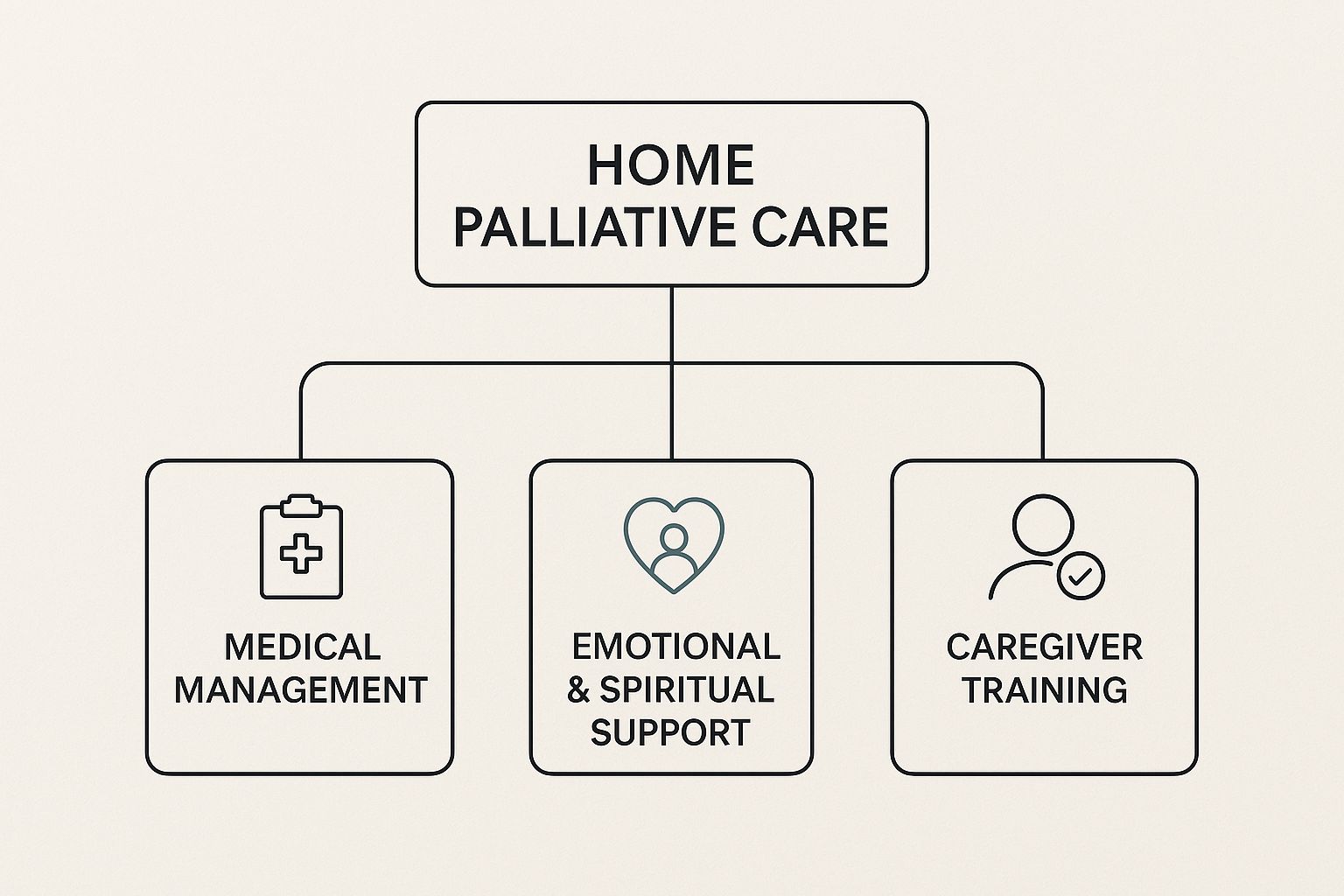
How Your Team Works Together
Think of your team as a hub with you and your family at the center.
For example, a Registered Nurse may notice a new symptom during a visit. They will talk to your physician to adjust your medication. They might also let the Medical Social Worker know, who can then check on your family.
This constant communication ensures nothing is missed. It allows for proactive care that anticipates your needs. To learn more about a nurse's duties, see what a home care nurse does.
The strength of our team is its ability to see the whole person, not just symptoms. We combine medical, emotional, and spiritual expertise to honor each individual.
What Services Our Home Care Program Includes
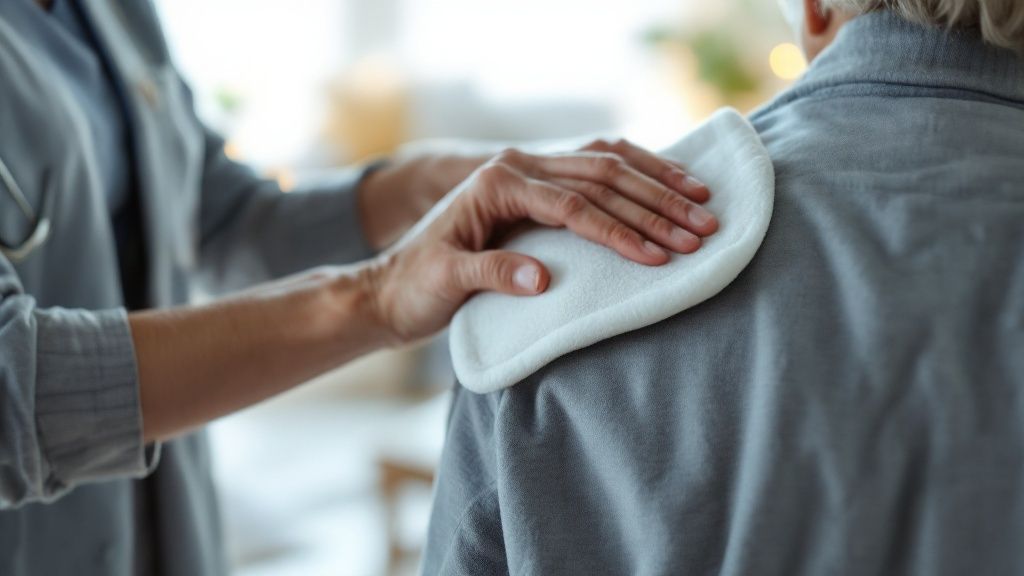
What does palliative care look like day-to-day? It is a complete system of support. It is designed to tackle physical, emotional, and practical challenges.
The goal is to improve your quality of life. Our home care palliative care program at Central Coast VNA & Hospice brings this support to you. We focus on providing practical help that makes a real difference.
Expert Pain and Symptom Management
The first priority is relief from symptoms. Pain, shortness of breath, and fatigue can drain your energy. Our skilled Registered Nurses are experts at managing these issues at home.
They work with your doctor to create a personalized plan. This proactive approach can reduce the need for emergency room visits. You can learn more about our approach to pain and symptom management.
Medication Management and Coordination
Juggling many medications can be confusing. Our team helps simplify everything. A Registered Nurse will help organize your medications and watch for side effects.
This coordination is a key part of our home care palliative care. We communicate with your doctors and pharmacy to make sure everyone is on the same page. This gives you peace of mind.
Emotional and Spiritual Support
A serious illness affects your emotional and spiritual well-being. Our team includes Medical Social Workers and Chaplains. They provide a safe space for you and your family to work through these feelings.
This support is tailored to your personal beliefs. Our compassionate professionals can help with:
- Coping Strategies: Providing tools to manage stress, anxiety, or sadness.
- Family Communication: Helping with tough conversations and empowering family members.
- Spiritual Comfort: Offering a listening ear to help you find meaning, peace, and hope.
Our commitment is to care for the whole person—body, mind, and spirit. We help patients and their families find strength and resilience.
Guidance with Difficult Decisions
Navigating the healthcare system can feel overwhelming. Your palliative care team acts as your guide. We help you understand your treatment options so you can make choices that align with your goals.
We help you clarify what is most important to you. Then, we make sure your entire medical team understands and respects your wishes. This keeps you in control of your healthcare journey.
How to Get Started with Palliative Care
Taking the first step toward getting support is simpler than you might think. The journey begins with a conversation.
Palliative care usually starts with a referral from a doctor. You can also advocate for yourself or a loved one. Just ask your doctor, "Could palliative care help us?"
Who Is Eligible for Palliative Care
Eligibility for palliative care is based on need, not prognosis. This is a big difference from hospice care. Palliative support is for anyone with a serious illness who is struggling with symptoms or stress.
You can receive palliative care at any age and at any stage of an illness. The main qualification is the need for an extra layer of support. For more details, see our referral information for healthcare professionals and families.
Understanding How Care Is Paid For
Worries about cost should not prevent you from getting support. Home palliative care services are covered by most insurance plans. This makes this vital care accessible in our community.
Here is a quick look at common coverage options:
- Medicare Part B: This usually covers palliative care services from doctors and nurse practitioners.
- Medi-Cal: California's Medicaid program also covers palliative care.
- Private Insurance: Most private health insurance plans include benefits for palliative care.
Our team at Central Coast VNA & Hospice can help you understand your insurance benefits. As a nonprofit serving our community for over 74 years, our mission is to ensure everyone has access to care.
Palliative care is a right, not a luxury. It is specialized medical care to provide relief and support so every patient can live with dignity.
However, access to this care is a global challenge. A 2024 study found that 69% of countries are in the early stages of developing palliative care services (Lupu et al., 2024). You can learn more about these global palliative care findings and see why expanding access is so important.
Taking the Next Step
Getting started is as simple as reaching out. If you or a family member live with a serious illness in Monterey County, San Benito County, Santa Cruz County, or South Santa Clara County, we are here to help.
Contact Central Coast VNA & Hospice today. Our compassionate team is ready to answer your questions about our home care palliative care program.
Understanding Palliative Care Versus Hospice

One of the biggest points of confusion for families is the difference between palliative care and hospice. Both focus on comfort, but they serve different needs at different times. Understanding this is key to making informed decisions.
A simple way to remember the difference is: all hospice care is palliative, but not all palliative care is hospice.
Both services aim to relieve symptoms and reduce stress. They are different stages of a journey, each offering unique support when it is needed most.
When Care Can Begin
The biggest difference is timing and the goals of treatment. Palliative care can start as soon as someone is diagnosed with a serious illness. A patient can receive this support for months or years while continuing curative treatments.
Hospice care begins when curative treatments are no longer working or have been stopped. It is for people with a life expectancy of six months or less. The focus of hospice shifts to ensuring comfort and peace in the final chapter of life.
Goals of Care
The goals of each type of care are also different.
- Palliative Care: The goal is to provide relief from symptoms while you continue to fight the illness. It works alongside your regular doctors.
- Hospice Care: The goal is to provide comfort and dignity when a cure is no longer the focus. It is about making the most of the time that remains.
Understanding this helps you get the right support at the right time.
A Seamless Continuum of Care
At Central Coast VNA & Hospice, we are the only organization on the Central Coast that provides home health, palliative care, and hospice. This creates a Continuum of Care. It allows for a smooth transition between services as a patient’s needs change.
By offering both palliative and hospice services, we ensure that as a patient's journey changes, their care team can remain consistent. This brings peace of mind to families.
If a patient receiving our home care palliative care decides to stop curative treatments, they can move directly to our hospice program. They keep the same familiar nurses, aides, and social workers. For families in Monterey County and our surrounding communities, this consistency is a great comfort.
Frequently Asked Questions About Home Palliative Care
Making decisions about care can feel overwhelming. It is normal to have questions. Here are some straightforward answers to questions we often hear from families.
Can I keep my own doctor if I start palliative care?
Yes, absolutely. Palliative care is an extra layer of support that works with your current doctors, not as a replacement. Our team coordinates directly with your primary physician and specialists to ensure your care is seamless.
When is the right time to start palliative care?
The best time to start palliative care is as early as possible after a serious diagnosis. Starting early helps manage symptoms from the beginning and reduces stress. Patients can receive this supportive care for many months or even years.
Is palliative care only for people who are dying?
No, this is a common misunderstanding. Palliative care is for anyone at any stage of a serious illness, regardless of their prognosis. You can receive palliative care while also getting treatments meant to cure your condition.
Does home care palliative care also support the family?
Yes, supporting the family is a core part of what we do at Central Coast VNA & Hospice. Our team provides emotional and spiritual support to family members. We also offer education and practical guidance to help them feel more prepared.
How is palliative care paid for?
Most insurance plans cover palliative care services. This includes Medicare Part B, Medi-Cal, and many private insurance policies. Our team at CCVNA is here to help you understand your benefits and navigate your coverage.
For over 74 years, Central Coast VNA & Hospice has been the trusted nonprofit provider of compassionate care for families in Monterey County, San Benito County, Santa Cruz County, and South Santa Clara County. If you have more questions or feel that our services could help your family, please reach out.
Contact us today to learn more about our home health, palliative, and hospice services at https://ccvna.com.