
When a doctor prescribes home health care for a loved one, many families feel a sense of relief. They often assume it means a skilled professional will be in the home around the clock.
However, the reality is quite different. Home health provides intermittent, skilled medical care, not 24-hour supervision. Understanding this difference is the first step to building a safe and complete support system at home.
The Misconception of Around-The-Clock Home Health Care
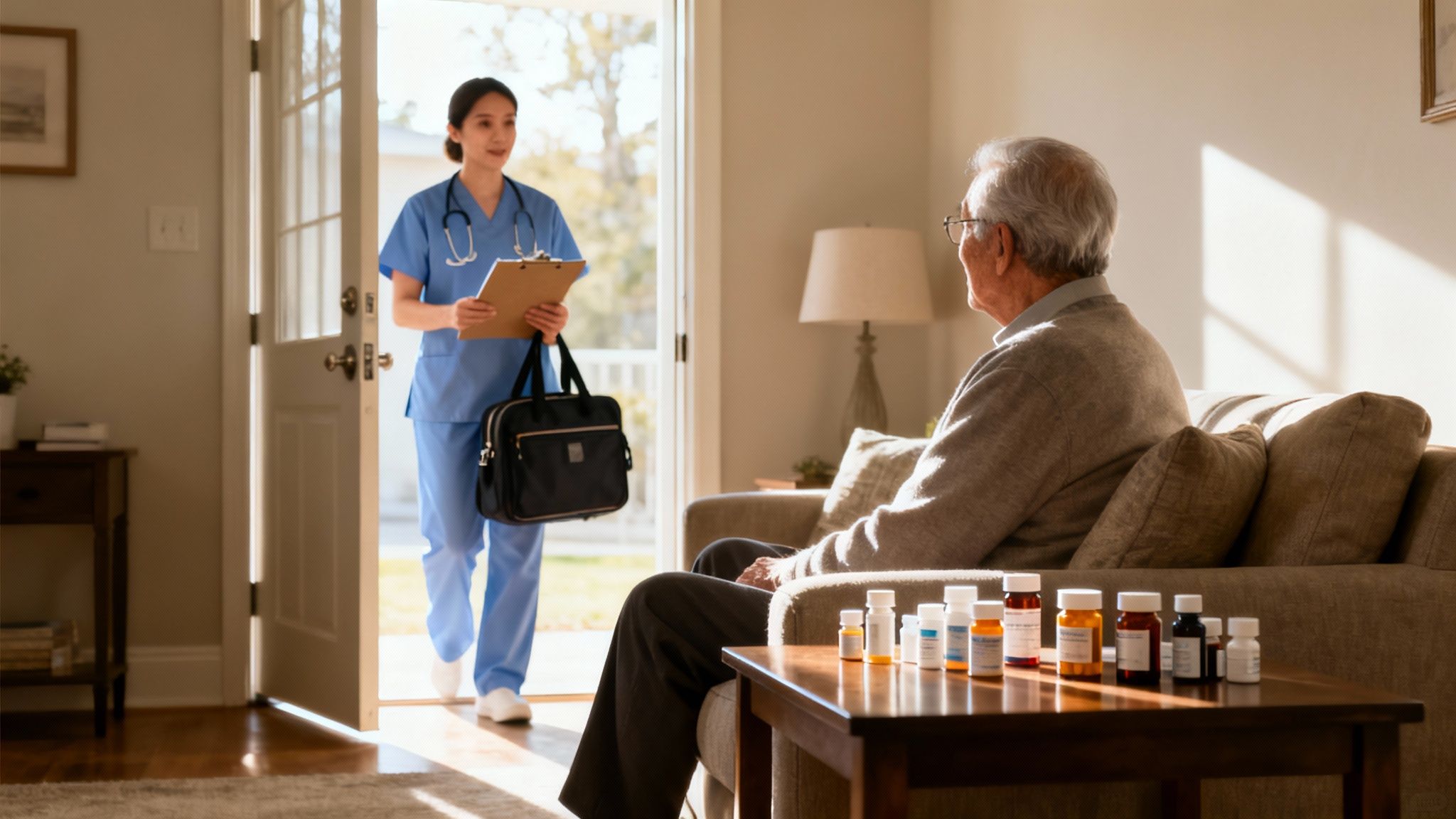
Many families assume that once home health care starts, a nurse or aide will be in the home for daily help. They might expect support with things like bathing, cleaning, and cooking every day.
But this is a common misunderstanding. Home health is designed to deliver targeted medical treatments and therapies. It helps a patient recover from an illness, injury, or surgery.
Think of a home health clinician—like a Registered Nurse or Physical Therapist—as a specialist making a focused house call. Their visit has a clear medical goal. This could be changing a surgical dressing, giving a complex injection, or guiding a patient through therapy exercises.
Scheduled Visits, Not Constant Presence
Home health visits are scheduled for specific times and are not continuous. They typically last from 30 minutes to a couple of hours, depending on the patient's care plan.
The goal is to provide expert medical support and teach the patient and family how to manage care. This model is about empowering patients to regain independence, not providing constant supervision.
The structure of home health is also defined by insurance rules. Medicare, which covers most home health services, sets clear limits. Recent insights show that home health under Medicare includes only intermittent skilled services like wound care, injections, therapy, and condition monitoring.
According to Medicare, skilled nursing is strictly limited to up to 8 hours per day or 28 hours per week. In rare cases, a doctor may request up to 35 hours, but this is for short-term recovery for homebound patients. You can learn more by exploring these home health statistics and regulations.
A Local Partner in Care Navigation
For over 74 years, Central Coast VNA & Hospice has helped families navigate these challenges. We serve communities across Monterey County, San Benito County, Santa Cruz County, and South Santa Clara County.
As a local nonprofit, our mission is to provide compassionate guidance. We help families understand that while our clinicians provide essential medical care, you may need to add other support to keep your loved one safe and comfortable.
What a Typical Home Health Plan Actually Provides
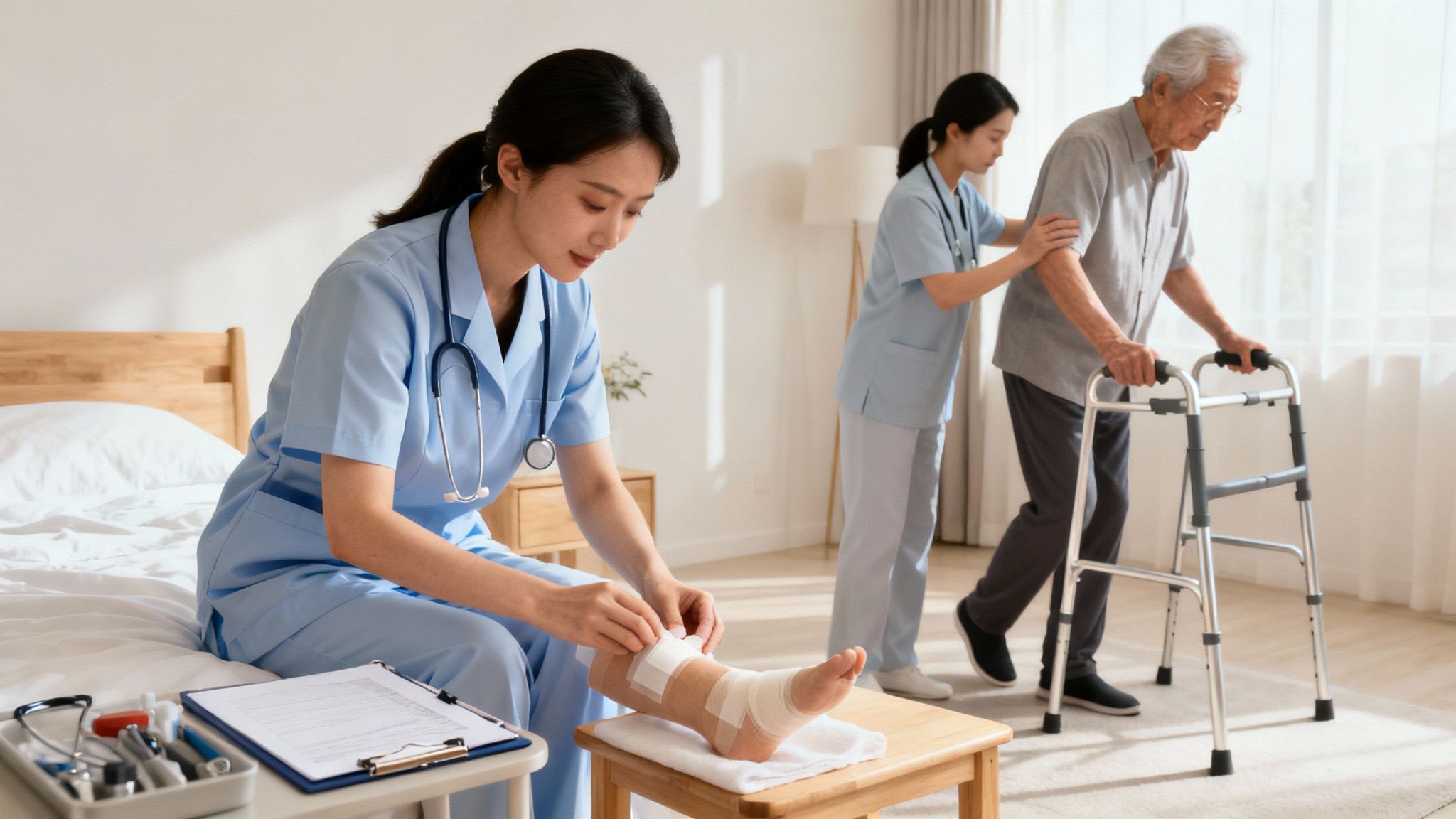
So, what does a home health plan look like day-to-day? Think of it as a team of medical specialists making house calls, not a constant companion.
A typical plan includes a series of visits from clinicians. Each visit has a specific goal to help a patient recover and regain independence at home.
This model is built on intermittent skilled care. This means clinicians visit for scheduled periods to perform tasks requiring their professional expertise. The goal is to provide medical help, track progress, and teach the family how to manage care between visits.
Meet Your Clinical Team
At Central Coast VNA & Hospice, our team works together to create a seamless care experience. Your loved one’s doctor-prescribed plan might include several specialists:
- Registered Nurse (RN): The RN often leads the team, overseeing the care plan. They handle tasks like wound care, managing IVs, and teaching you about a chronic condition.
- Physical Therapist (PT): A PT helps patients rebuild strength, improve balance, and move safely after a surgery, fall, or stroke.
- Occupational Therapist (OT): An OT helps patients regain the ability to do daily tasks like getting dressed, cooking a meal, or bathing.
- Speech-Language Pathologist (SLP): An SLP provides therapy to improve swallowing or communication after a stroke or illness.
- Home Health Aide (HHA): Working under an RN's supervision, an HHA may help with personal tasks like bathing as part of a skilled nursing care plan.
Each professional plays a vital role in recovery. To learn more about what our nurses do, you can read about what skilled nursing care entails on our website.
Focused on Recovery, Not Replacement
The purpose of home health is to prevent rehospitalization and improve health. It is not meant to replace the role of a family member.
Our clinicians teach, treat, and monitor. They do not stay to cook meals, do laundry, or provide companionship around the clock.
This table clarifies what is included in home health versus personal care.
| Service Category | Included in Home Health (Skilled Care) | Not Included in Home Health (Personal/Custodial Care) |
|---|---|---|
| Medical Tasks | Wound dressing, medication administration, IV therapy, disease management education. | Reminding to take medication, organizing pillboxes. |
| Therapy | Physical, occupational, and speech therapy sessions to restore function. | General exercise or walking assistance. |
| Personal Care | Bathing assistance if part of the skilled plan and supervised by a nurse. | Daily bathing, dressing, and grooming support. |
| Household Tasks | Not included. | Meal preparation, light housekeeping, laundry, running errands. |
| Companionship | Not included. | Social interaction, accompanying to appointments, supervision. |
Home health is strictly medical and therapeutic. For other daily needs, a different type of care is required.
What this actually means is that home health is medical care, not daily caregiving. Families may still need to coordinate transportation, meal prep, or private duty care on their own—especially for seniors living alone.
By coordinating expert visits, the Central Coast VNA & Hospice team helps patients in Monterey, Salinas, Hollister, and Santa Cruz achieve the best results. Our approach ensures every medical need is addressed, creating a strong foundation for recovery.
Understanding the Financial Reality of 24 Hour Care
Beyond the clinical reasons, the cost of continuous professional care is a major barrier. For most families, paying for 24-hour care is not realistic.
When you receive skilled home health from a Medicare-certified provider like Central Coast VNA & Hospice, the cost is often $0 out-of-pocket. This is because Medicare and other insurance plans cover these intermittent medical visits.
But the financial picture changes for continuous, non-medical support.
The True Cost of 24/7 Support
Hiring professional aides to be present 24 hours a day means covering multiple shifts. The costs add up quickly.
The numbers can be surprising. The U.S. median cost for 24/7 home care is about $30 per hour. Let's break that down:
- Daily: $720
- Weekly: $5,040
- Monthly: Over $21,000
As you can see from these insights on 24-hour care costs, this amount is often much higher than a nursing home.
For most families, paying over $260,000 annually for at-home care is not a realistic option. This is why the healthcare system separates intermittent medical care from continuous custodial support.
This highlights a key economic challenge. Skilled home health is a covered medical need, while 24-hour supervision is considered a long-term custodial need that insurance typically does not pay for.
Navigating Your Financial Options
Seeing these numbers can feel overwhelming, but it’s the first step toward a realistic care plan. The goal is to find a balance between what is medically necessary and financially possible.
Often, the solution involves blending different types of support. Families can use Medicare-covered home health for skilled needs while finding other resources for daily assistance.
At Central Coast VNA & Hospice, we understand these financial questions. As a nonprofit serving our community for over 74 years, we are committed to helping families in Monterey, San Benito, Santa Cruz, and South Santa Clara counties find practical solutions.
For a deeper look at managing these expenses, our guide on how to fund home health care costs offers more detail.
Finding Practical Alternatives for Continuous Support
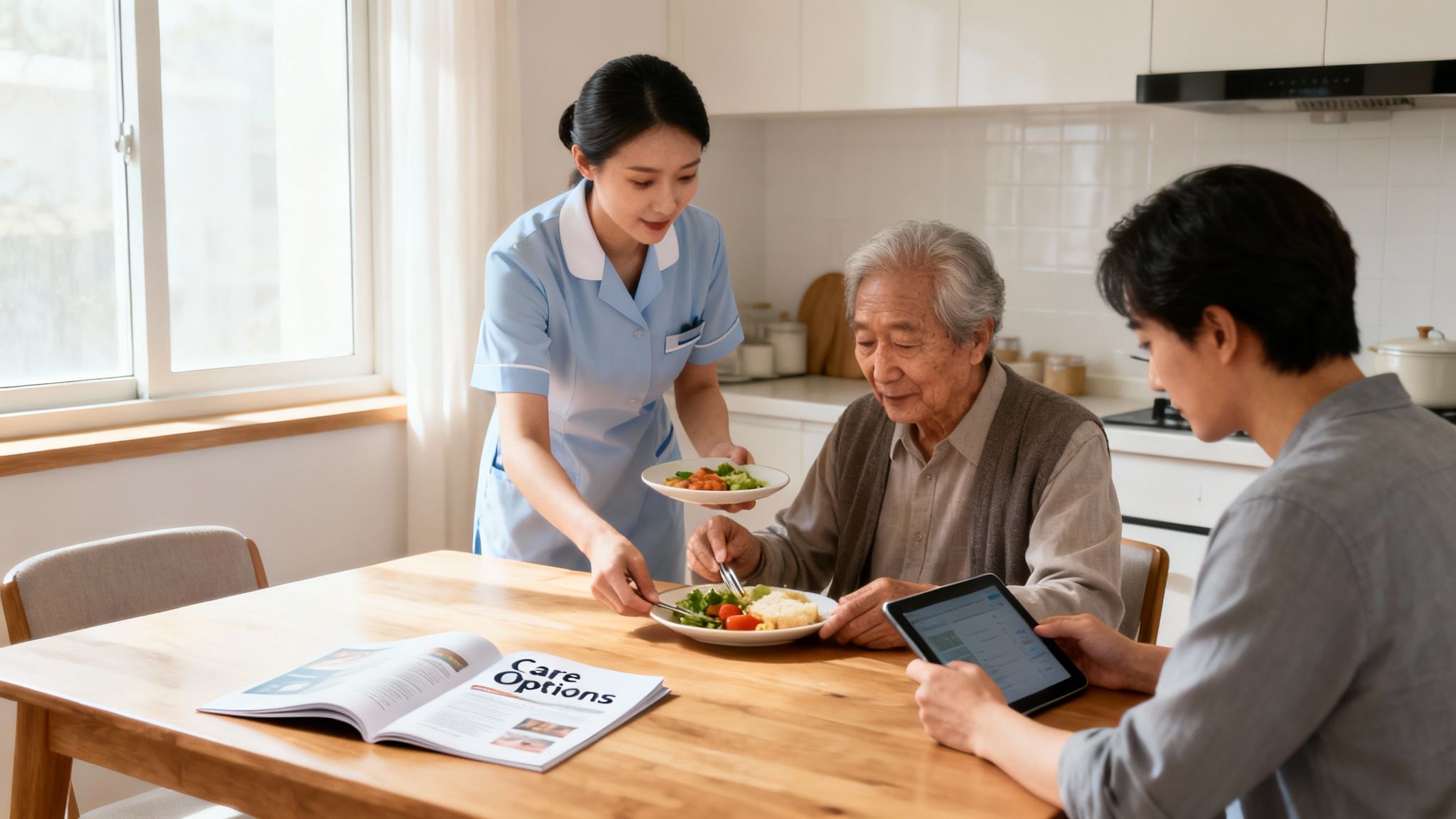
Once you realize home health is not 24-hour care, the next step is building a complete safety net. You need a solution that blends skilled medical care with hands-on daily support.
Fortunately, many excellent options can be layered on top of visits from your Central Coast VNA & Hospice clinical team. This approach ensures every need is met without gaps.
Building Your Support System
Crafting a comprehensive care plan often means combining different services. This layered approach allows you to address specific needs safely and affordably.
Here are some effective ways to fill the gaps:
- Private-Duty Aides: These aides are hired to help with non-medical tasks, or Activities of Daily Living (ADLs). They can assist with bathing, meals, light housekeeping, and companionship.
- Adult Day Programs: These centers offer a safe, supervised place for seniors during the day. They provide social activities, meals, and some health services.
- Respite Care: Family caregiving is a demanding role. Respite care provides short-term relief, allowing you to rest and recharge.
For families here in Monterey County and surrounding areas, knowing your options is key. You can learn more about respite care for family caregivers and see how it can support your well-being.
Considering Live-In and 24/7 Care
For those who need round-the-clock supervision, it's important to understand the difference between live-in and 24/7 care.
A live-in aide lives in the home and has dedicated periods for sleep and personal time. In contrast, true 24/7 care involves multiple aides working in shifts to ensure someone is always awake and available.
The cost difference is significant. While a live-in aide is a major expense, 24/7 shift care is often far more costly.
For many families, the most effective strategy is to combine skilled home health for medical needs with non-medical private aides for daily activities like meals, personal care, and companionship. This integrated approach ensures comprehensive support without the extreme costs of 24/7 skilled nursing.
For example, a live-in aide usually gets 8-12 hours off daily plus a few days off per week. On the other hand, 24/7 shift care can cost up to $24,090 per month. Blending skilled visits with private aides creates a safer and more affordable plan.
Adding Another Layer of Support with Palliative Care
When a loved one has a serious illness, managing symptoms like pain or anxiety can be challenging. This is where palliative care can make a profound difference.
Palliative care is specialized medical care focused on relief from the symptoms and stress of a serious illness. It can be provided alongside home health and curative treatments.
The goal is to improve the quality of life for both the patient and the family. At Central Coast VNA & Hospice, our palliative care team works with your primary doctor to add an extra layer of expert support. Central Coast VNA & Hospice can help you explore if palliative care is the right choice for your family.
When Hospice Is the Right Choice for 24/7 Support
For families seeking true around-the-clock support, hospice is often the answer. While routine hospice care involves intermittent visits, it includes a crucial safety net. This includes having a clinical team on call 24 hours a day, 7 days a week.
The most significant difference appears during a crisis. Hospice provides specialized care to manage intense symptoms at home, offering an alternative to a stressful hospital trip.
Continuous Home Care for Acute Symptoms
This unique service is called Continuous Home Care (CHC). It is one of the four levels of care required by Medicare for all hospice providers.
When a patient has a medical crisis—like severe pain or breathing difficulties—the hospice team can provide short-term, round-the-clock nursing care at home.
A Registered Nurse or Licensed Vocational Nurse will stay at the bedside for extended periods. They deliver skilled care until the symptoms are under control.
Continuous Home Care isn't a long-term 24/7 solution. It is a short-term, intensive intervention to stabilize a patient in their familiar surroundings, avoiding rehospitalization and bringing rapid relief.
This responsive, in-home support is a key part of hospice care and is not available through traditional home health. It is essential to know when hospice is the most appropriate choice. To help, you can learn more about end-of-life services.
More Than Just Medical Support
Beyond physical symptoms, hospice provides a complete support system for the whole person. At Central Coast VNA & Hospice, our interdisciplinary team brings this support to families across Monterey, San Benito, Santa Cruz, and South Santa Clara counties.
Our hospice services include:
- Expert Medical Care: Our physicians and nurses specialize in pain and symptom management.
- Emotional and Spiritual Support: Chaplains and Medical Social Workers help patients and families navigate complex emotions.
- Practical Assistance: Hospice Aides can assist with personal care, while volunteers provide companionship and respite.
This holistic approach brings peace of mind. Knowing when to make this decision can be tough, and our guide on when to call hospice offers clear advice.
Building a Comprehensive and Realistic Care Plan
Creating a care plan that works starts with seeing the whole picture of your loved one’s needs. Proactive planning and clear communication are your best tools.
When you start with a home health provider, ask direct questions. Good communication prevents surprises and makes sure everyone is on the same page.
Key Questions for Your Provider
To build a solid foundation, ask your home health agency these crucial questions. This is an actionable step to help you plan effectively.
- What exactly will your clinicians do? Get a specific list of what the nurse, therapist, and aide will and won't do.
- What’s the real visit schedule? Ask for the frequency and length of visits to help you plan.
- How do we handle after-hours issues? Understand the process for reaching a clinician for urgent needs.
- What should we be watching for? Ask what symptoms or changes might require a call to the team.
Facing home health's limitations is the first step. The next is building a comprehensive family care plan that covers everything.
This decision tree helps visualize the two main paths for at-home support.
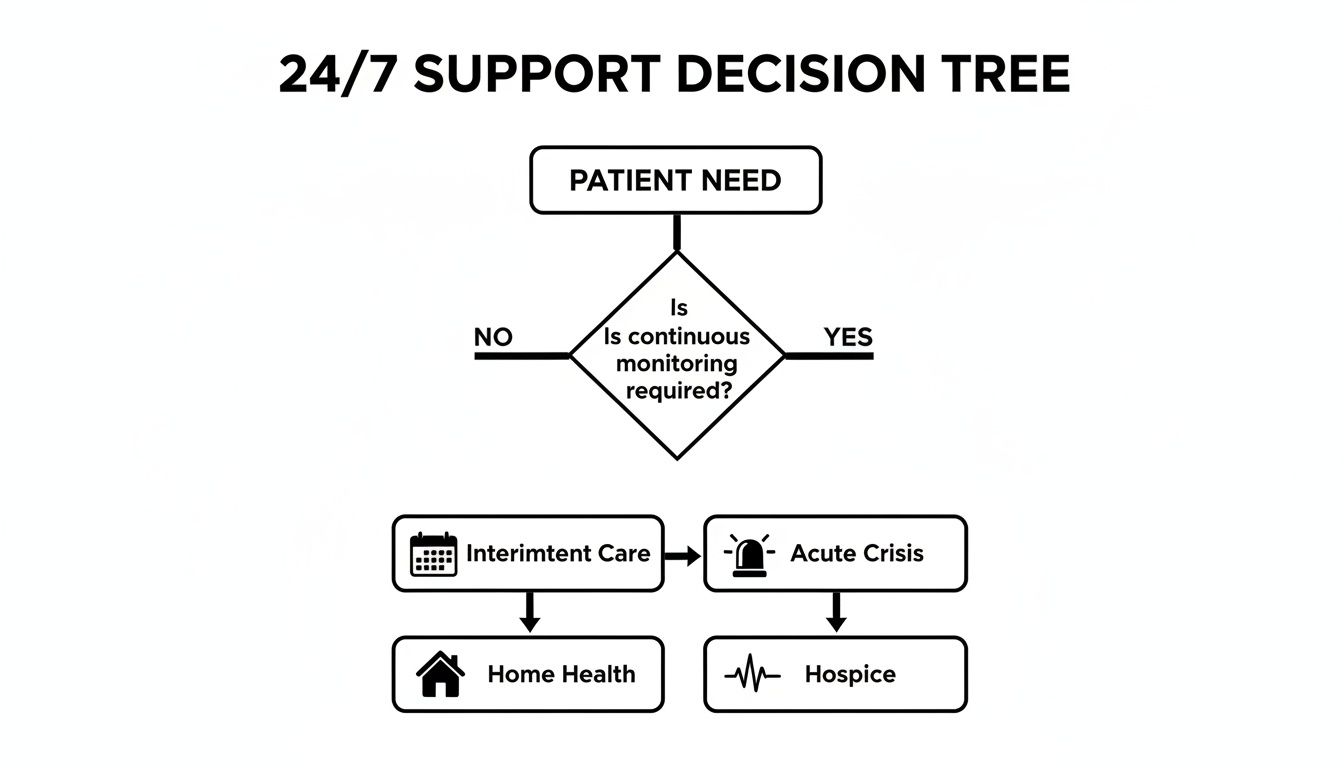
Home health is the answer for scheduled, intermittent medical needs. But for acute symptoms or an end-of-life crisis, hospice is the more appropriate choice.
Creating a Holistic Plan
True peace of mind comes from a plan that supports the whole person. Look beyond the diagnosis to your loved one’s emotional and social well-being.
At Central Coast VNA & Hospice, our role is to help families in Monterey, Salinas, Hollister, and Santa Cruz navigate this journey. With over 74 years of local service, we know great care is more than medicine. We also offer guidance on end-of-life care planning.
Ask your provider early on what's covered, how often clinicians will visit, and whether other services like palliative care are available. Planning ahead prevents gaps in care.
FAQs: Your Home Care Questions, Answered
Arranging medical support at home for a loved one can bring up many questions. Getting clear answers is the first step toward making confident decisions.
1. Does Medicare pay for 24-hour care at home?
No, Medicare generally does not cover 24-hour personal care at home. The Medicare home health benefit is designed for intermittent, skilled medical needs, like a nurse visiting for wound care. It is not set up for continuous supervision.
2. What is the difference between a Home Health Aide and a private aide?
A Home Health Aide from a certified agency like CCVNA works under a Registered Nurse's supervision. They assist with personal tasks as part of a medical care plan. A private aide is hired by you to help with daily living activities like meals, companionship, and errands.
3. How do I know if my loved one needs palliative care?
If your loved one has a serious illness and struggles with symptoms like chronic pain, fatigue, or anxiety, palliative care can help. It focuses on improving quality of life and can be provided alongside home health and other treatments.
4. Can we receive CCVNA services in an assisted living facility?
Yes, absolutely. Our teams provide home health, palliative, and hospice care wherever our patients call home. This includes private homes, assisted living communities, and skilled nursing facilities throughout Monterey, San Benito, Santa Cruz, and South Santa Clara counties.
5. What is our first step if we need more support?
Your best first step is to have an open conversation with your current home health provider. Ask for a clear breakdown of the visit schedule and covered services. This will help you identify gaps and figure out what additional support you need to arrange.
If you’re managing a loved one’s care in Monterey, Salinas, Hollister, or Santa Cruz and need help understanding what home health includes, Central Coast VNA & Hospice can guide you. Visit ccvna.com or call 831‑372‑6668 to talk to a nurse today.