
Palliative home care is an extra layer of support for anyone managing a serious illness at home. It is specialized medical care focused on relief from symptoms and stress. This care works alongside your primary treatment plan to improve quality of life for you and your family.
Understanding Palliative Care in Your Home
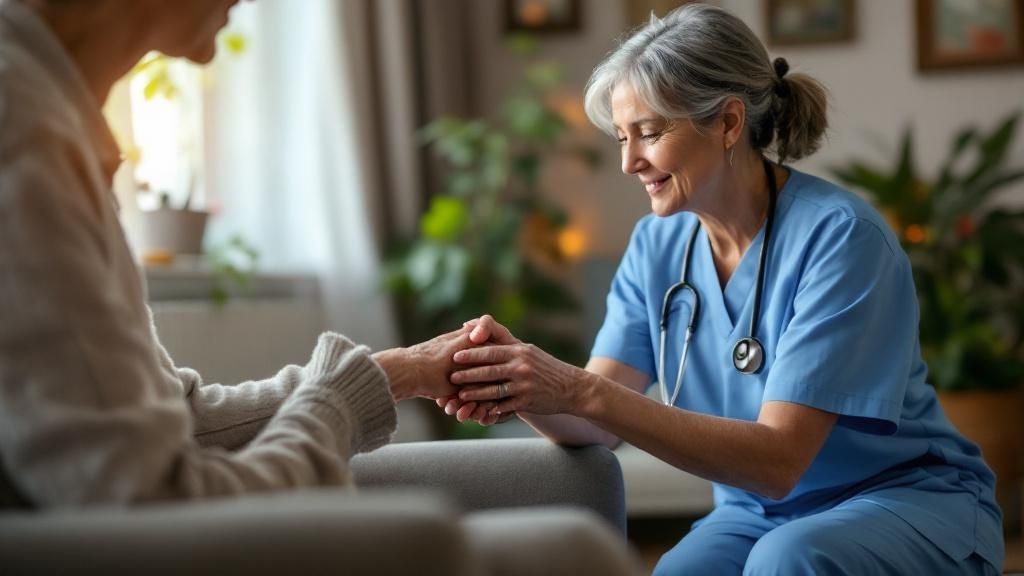
Living with a serious illness like heart disease or cancer can be stressful. It affects your body and can also be emotionally overwhelming. Palliative home care helps you face these challenges where you feel most comfortable.
Think of your doctors as specialists for different body parts. Your palliative care team is like a coach who looks at your overall well-being. They work with your other doctors to create a coordinated plan.
This team helps manage symptoms like pain, fatigue, and shortness of breath. The goal is to help you feel stronger and more in control of your health.
What Palliative Care Is Not
It is important to know that palliative care is not the same as hospice care. Many families confuse the two, but they have different purposes.
- Palliative Care: You can start this care at any stage of a serious illness. You can get it at the same time as treatments like chemotherapy. The focus is on relieving symptoms and improving daily life.
- Hospice Care: This care is for people with a life expectancy of six months or less. It begins when someone is no longer seeking treatments to cure their illness. The focus is entirely on comfort at the end of life.
Palliative care adds support to help you manage your illness. It is about living as well as possible, for as long as possible. You can get treatment and feel better at the same time.
A Mission of Compassionate Local Support
For over 74 years, Central Coast VNA & Hospice has been a nonprofit provider serving local communities. We bring this supportive care to homes across Monterey County, San Benito County, Santa Cruz County, and South Santa Clara County. Our care is built on respect for your personal goals and values.
Palliative care is a partnership. A dedicated team helps create a clear, individualized care plan that reflects your needs, preferences, and what matters most to you and your family.
By focusing on the whole person—body, mind, and spirit—we help reduce the burden of illness. To learn more about how our expert teams can support you, explore our palliative home care services. Contact us today to learn how we can help.
Who Can Benefit From Palliative Home Care
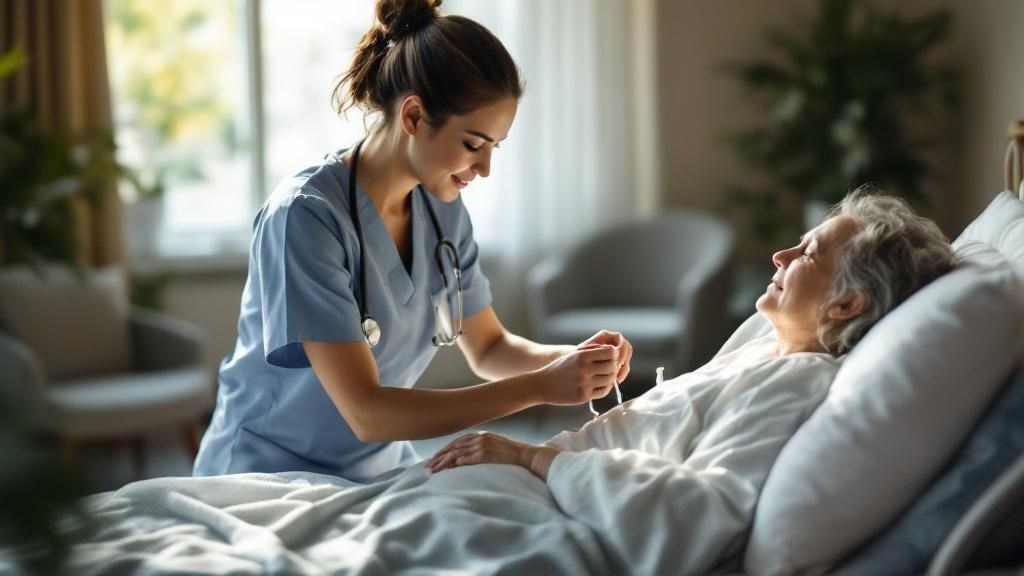
Palliative home care is for anyone dealing with a serious, long-term illness. It is for people of any age who need help managing difficult symptoms at home.
The entire focus is on improving quality of life. This care can help people with many different diagnoses, not just cancer. It is a proactive step that helps people feel stronger and more in control.
Common Conditions That Benefit From Palliative Care
Palliative care is always tailored to the person, not the illness. However, certain conditions often come with complex symptoms that this support can ease.
Some of these conditions include:
- Heart Conditions: For someone with congestive heart failure (CHF), managing shortness of breath and fatigue is key to their daily comfort.
- Cancer: Patients can receive palliative support alongside treatments like chemotherapy to help with pain and nausea.
- Lung Diseases: Chronic obstructive pulmonary disease (COPD) and other illnesses often require expert help to make breathing easier.
- Neurological Diseases: Conditions like Alzheimer's or Parkinson's bring unique challenges that palliative care is built to address.
- Kidney Disease: For those on dialysis or with advanced kidney failure, symptom management and care coordination make a big difference.
Choosing palliative home care is not about giving up. It is about adding support to live more comfortably and fully.
Recognizing When It Might Be Time for More Support
Knowing when to ask for palliative care is a personal decision. There are common signs that an extra layer of help would make a difference. If you notice frequent hospital trips or hard-to-control symptoms, it might be time.
Palliative care meets you where you are. It acknowledges the physical, emotional, and spiritual toll of a serious illness and provides a team to help carry that burden.
Think about whether you or a loved one is experiencing:
- Frequent hospitalizations or emergency room visits for the same problems.
- Uncontrolled pain, fatigue, or nausea that gets in the way of daily life.
- Emotional distress, like anxiety or depression connected to the illness.
- Difficulty with daily activities, which reduces independence.
- Family members who are feeling overwhelmed and need guidance.
These are the exact challenges palliative care is designed to solve. As a nonprofit provider with over 74 years of service, Central Coast VNA & Hospice ensures families in Monterey County and nearby areas get the compassionate care they deserve. Our mission is to bring comfort and expert support right into your home. For those exploring their options, it can be helpful to use resources that help you determine if palliative home care is right for them.
What Your Palliative Home Care Team Provides
When you choose palliative home care, you get an entire team of professionals. This team works with you, your family, and your primary doctor. They create a complete circle of support.
At Central Coast VNA & Hospice, this team-based approach is at the core of what we do. It ensures every part of your well-being is addressed. Each team member brings their expertise to improve your quality of life.
Your Core Palliative Support Professionals
The strength of palliative home care is its team. This group of specialists all focus on your comfort and goals. They work together to support you.
Here’s a look at the key professionals on your care team.
At the heart of any palliative home care plan is a dedicated expert nurse home service, providing essential medical care and compassionate support right in the comfort of a patient's home.
This table breaks down who you will be working with.
Your Palliative Home Care Team
| Team Member | Role and Responsibilities |
|---|---|
| Registered Nurse (RN) | Your main point of contact. An expert in managing pain and symptoms and coordinating your care with other doctors. |
| Medical Social Worker | Provides emotional support and helps with practical challenges. They connect you with community resources and offer counseling. |
| Chaplain | Offers spiritual comfort for people of all faiths, or no faith. They help you explore sources of peace and meaning during a difficult time. |
Together, this team makes sure your care is seamless and responsive to your changing needs.
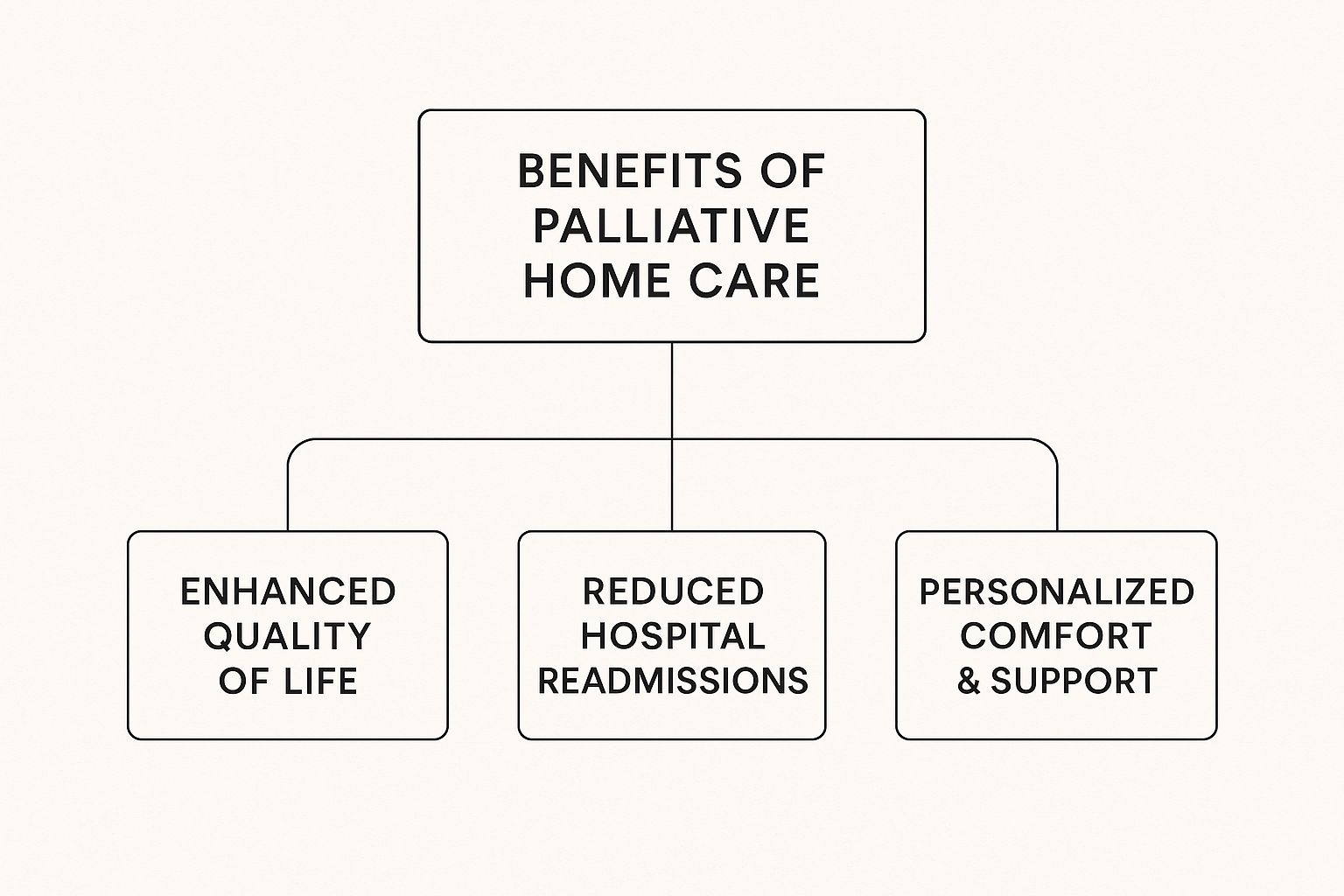
This coordinated effort directly leads to a better quality of life and comfort at home.
Comprehensive Services Delivered at Home
Your palliative care plan is built completely around you. The services are designed to bring you comfort and reduce stress. They give you more control over your life.
This approach is more important than ever.
According to the National Hospice and Palliative Care Organization (NHPCO), community-based palliative care programs have increased by 167% since 2008 (NHPCO, 2019). This shows that more people are choosing to receive this supportive care at home.
Here are some of the key services you can expect from your team:
- Expert Symptom Control: We focus on managing pain, fatigue, nausea, and other symptoms to help you feel as comfortable as possible.
- Medication Management: Your team helps you understand your medications and makes sure they are working effectively for you.
- Emotional and Spiritual Support: We provide counseling to help you and your family navigate the emotional journey of a serious illness.
- Care Coordination: Your team communicates with all of your doctors to ensure everyone is on the same page. This helps prevent unnecessary hospital visits.
- Advance Care Planning: We guide you through important conversations about your future healthcare wishes, making sure your voice is heard.
Many of these services are similar to the support provided by our home health care services. Both are part of our commitment at Central Coast VNA & Hospice to providing a full continuum of care for residents in Monterey County, San Benito County, and the surrounding areas.
The Key Benefits of Receiving Care at Home
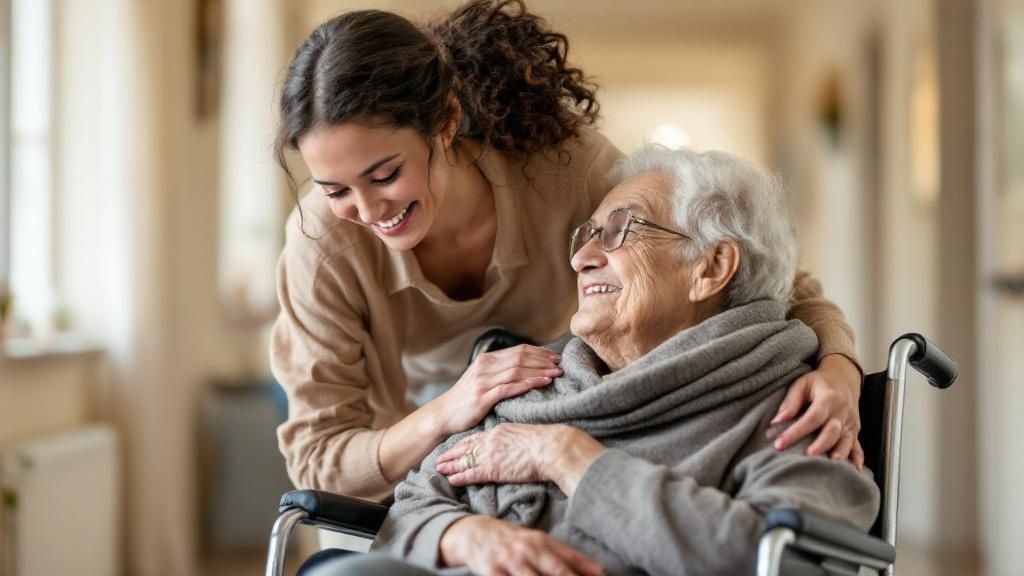
There’s a reason people say, “There’s no place like home.” Receiving palliative care in your own house has benefits that go beyond medical treatment. Being surrounded by familiar things can be powerful and healing.
For many, home is a safe and comfortable place. Bringing expert palliative home care into this space means you can keep your routines and a greater sense of independence. Your care team comes directly to you.
This approach gives you one-on-one attention focused on your needs. It also lets your family be more involved. They become active partners in your care, which brings comfort to everyone.
Promoting Comfort and Well-Being
The main goal of palliative care is to improve your quality of life. There is no better place to do that than at home. It helps you avoid hospital infections and the anxiety of clinical settings.
Your care plan is designed around your home life. This makes your daily activities as comfortable as possible.
The recognition of these benefits is driving growth in the palliative care field. One study found that patients receiving home-based palliative care had significantly lower rates of hospital admission in the last 30 days of life (Journal of Palliative Medicine, 2017). This shows how home-based models are an effective and compassionate way to meet patients' needs.
Greater Independence and Family Involvement
Receiving care at home keeps you in control. You decide your schedule and when you see visitors. This is key for maintaining dignity and a positive outlook.
It also allows family members to participate more fully in your care. They can learn from your Registered Nurse and Medical Social Worker. This helps build a stronger support system for everyone.
Here’s how home-based care supports the whole family:
- Personalized Care: Your team gets to know you in your own space, leading to a truly personal care plan.
- Reduced Stress: Avoiding travel and hospital stays lessens the strain on you and your loved ones.
- Better Communication: Regular visits from your care team ensure everyone is on the same page.
- Cost-Effectiveness: Palliative home care can often be a more affordable long-term option.
At Central Coast VNA & Hospice, we have been committed to this care model for over 74 years. Our nonprofit mission is to bring high-quality, compassionate support into homes across Monterey County, San Benito County, and our other service areas. You can learn more about the specific benefits of palliative care and how our teams make a difference every day.
How to Start the Palliative Home Care Process
Taking the first step toward getting more support can feel difficult. The good news is that starting palliative home care is usually simple. It is a gentle process designed to bring comfort, not create more stress.
The process often begins with a conversation with a doctor. Your primary doctor or a specialist can make a referral for palliative care. This ensures smooth coordination between your medical teams.
Taking the Initiative for Your Care
You and your family can be proactive. If symptoms are becoming hard to manage, you can reach out directly to a provider like Central Coast VNA & Hospice. You can call and ask to learn more about our support.
This puts you in control of exploring your options. A compassionate professional will listen to your concerns and answer your questions. There is no obligation to start care.
What to Expect During an Initial Consultation
After you connect with a provider, the next step is an initial consultation. This is a calm conversation focused on you and your needs. A Registered Nurse will usually visit you at home.
During this meeting, the team will want to understand:
- Your physical symptoms: Such as pain, fatigue, or shortness of breath.
- Your personal goals: What matters most to you right now?
- Your emotional and spiritual needs: How is the illness affecting you and your family?
- Your current medical treatments: To ensure the new plan works with them.
This assessment is the foundation for creating a personal care plan. The goal is to build a roadmap for improving your quality of life at home.
Discussing Palliative Care with a Loved One
Bringing up palliative care with a loved one requires sensitivity. It helps to frame it as a positive choice to add more expert support. Emphasize that it is not about giving up, but about living better.
You could say, "I learned about a service that can help manage your symptoms better, so you can have more energy for things you enjoy." Focusing on benefits—like more comfort and fewer hospital trips—can make the conversation feel hopeful.
As a nonprofit organization serving Monterey County and the surrounding communities for over 74 years, Central Coast VNA & Hospice is here to guide you. Learn more about our palliative care services and contact us today for a compassionate, no-obligation consultation.
Frequently Asked Questions About Palliative Home Care
When you are navigating a serious illness, having questions is normal. Getting clear answers is the first step toward feeling more in control. Here are answers to some common questions we hear from families in Monterey County and our neighboring communities.
How is palliative care different from hospice care?
Palliative care can be given at any stage of a serious illness, right alongside curative treatments like chemotherapy. Hospice care is for someone with a life expectancy of six months or less who is no longer seeking curative treatments. The focus of hospice is on comfort at the end of life.
Can I keep my own doctors?
Yes, absolutely. The palliative home care team works in partnership with your primary doctor and other specialists. They do not replace your current doctors; they add an extra layer of support.
Is palliative home care covered by insurance?
Yes, in most cases. Palliative care is often covered by Medicare Part B, Medi-Cal, and most private insurance plans. Our team at Central Coast VNA & Hospice can help you understand your specific benefits.
When is the right time to start palliative care?
The best time to start is as soon as a serious illness begins to affect your quality of life. It is better to bring in support early, before symptoms become overwhelming. This gives the team more time to help you feel comfortable and in control.
What kind of professionals are on a palliative care team?
Your team will typically include a Registered Nurse, a Medical Social Worker, and a Chaplain. The Registered Nurse manages your symptoms, the Medical Social Worker provides emotional support, and the Chaplain offers spiritual comfort. They all work together with your other doctors.
For over 74 years, Central Coast VNA & Hospice has been a trusted nonprofit provider on the Central Coast. If you have more questions or think palliative home care could be right for your family, we are here to help. Reach out to us at https://ccvna.com to start the conversation.