
When you or a loved one is dealing with a serious illness, the focus is often on treatment. But what about the person's overall well-being? That's where palliative care services come in, offering an extra layer of support focused on improving your quality of life.
It's a common misconception that palliative care is the same as hospice, but it’s not. Think of it as specialized medical care that provides relief from symptoms like pain, stress, and fatigue. It works in harmony with your primary treatments to help you feel stronger and live more comfortably.
A Deeper Look at Palliative Care Support
Palliative care is a philosophy of care, not just a service. It’s designed for people with serious illnesses, with the core goal of easing symptoms and stress. Ultimately, it’s about improving the quality of life for both the patient and their family.
This support is delivered by a dedicated team of professionals who partner with your existing doctors. It's not about replacing your current care; it's about adding to it. You can receive palliative care at any age and at any stage of a serious illness, right alongside curative treatments.
This is the biggest difference between palliative care and hospice, which is reserved for the final months of life after curative treatments have stopped.
Palliative care isn't about giving up hope; it's about gaining strength. It provides the support you need to manage symptoms, better tolerate treatments, and live as fully as possible.
To clear up any confusion, let's look at a side-by-side comparison of these two important types of care.
Palliative Care vs Hospice Care At A Glance
| Aspect | Palliative Care | Hospice Care |
|---|---|---|
| Timing | Can begin at diagnosis and be provided at any stage of illness. | Typically begins when curative treatments stop and life expectancy is 6 months or less. |
| Treatment Goal | To provide relief from symptoms and stress of a serious illness. Can be given alongside curative treatment. | To provide comfort and quality of life when a cure is no longer the goal. |
| Location | Often provided in hospitals, outpatient clinics, or at home. | Most often provided at home, but also in facilities like nursing homes or dedicated hospice houses. |
| Payment | Covered by Medicare Part B, Medicaid, and most private insurance plans, similar to other medical services. | An all-inclusive benefit covered by Medicare Part A, Medicaid, and most private insurance. |
Understanding this distinction helps families make informed choices that align with their goals and current medical needs.
Who Makes Up the Palliative Care Team?
Our palliative care team is intentionally interdisciplinary, built to address your physical, emotional, and spiritual needs. At Central Coast VNA & Hospice, our team includes professionals dedicated to your well-being. This team works hand-in-hand with your primary doctor and any specialists, making sure your care is coordinated and centered on your personal goals.
- Registered Nurses are experts in managing complex symptoms like pain, nausea, and shortness of breath.
- Medical Social Workers offer emotional support and help connect you with practical community resources.
- Chaplains provide guidance and comfort that respects and aligns with your personal beliefs.
As a nonprofit organization with over 74+ years of service to the Central Coast, CCVNA is deeply committed to this patient-first approach. We serve communities across Monterey County, San Benito County, Santa Cruz County, and South Santa Clara County.
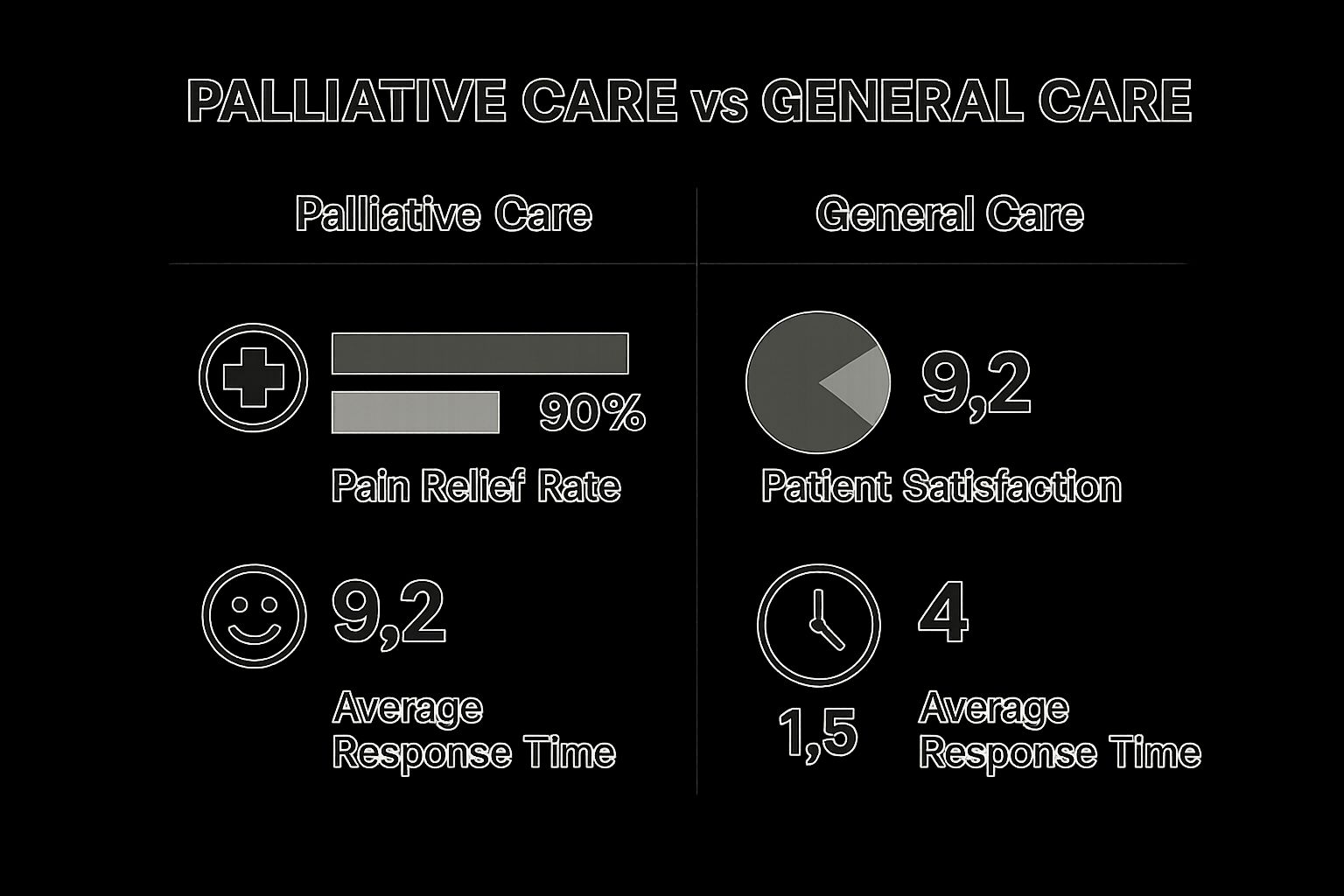
The results of this focused support speak for themselves. A dedicated focus on symptom management and well-being makes a real, positive difference in a patient's experience.
A Growing Need for Supportive Care
The importance of this specialized support is gaining recognition. The global palliative care market was valued at USD 15.11 billion in 2024 and is expected to grow significantly. This shift is driven by the rising number of people living with chronic conditions.
North America is currently the largest market, which shows a growing awareness of how these services lead to better patient outcomes. For families here on the Central Coast of California, learning about these services is the first step toward getting crucial support. You can explore our guide on how to know if palliative care is the right choice for a loved one to find more detailed insights.
Who Can Benefit From Palliative Care

One of the biggest misunderstandings about palliative care is that it's only for people in their last days. This simply isn't true. Eligibility has nothing to do with age or prognosis; it’s all about need.
Anyone living with the symptoms and stress of a serious illness can benefit from this extra layer of support. Think of it as a partnership that runs alongside your primary medical care, focusing completely on your quality of life. You can continue receiving treatments meant to cure or manage your condition while our team helps you live more comfortably.
Common Conditions That Qualify
While any serious illness can create a need for palliative support, some chronic conditions come with difficult symptoms. People living with these illnesses often find tremendous relief through specialized palliative care services.
Some of the most common conditions we see include:
- Congestive Heart Failure (CHF): Managing symptoms like shortness of breath and fluid retention.
- Chronic Obstructive Pulmonary Disease (COPD): Easing breathing difficulties and the anxiety that often comes with it.
- Cancer: Relieving pain, fatigue, and nausea from treatments like chemotherapy or radiation.
- Kidney Disease: Helping with symptom management during dialysis or as the disease advances.
- Parkinson’s Disease: Assisting with mobility challenges, tremors, and emotional well-being.
- Amyotrophic Lateral Sclerosis (ALS): Providing support for breathing, communication, and physical comfort.
- Alzheimer's and Dementia: Supporting both the patient and their family with behavioral and comfort challenges.
This is by no means a complete list. The key takeaway is simple: if an illness is causing persistent symptoms that get in the way of you enjoying your life, you are a candidate for palliative care.
Palliative care is appropriate at any age and at any stage in a serious illness and can be provided along with curative treatment. Its main purpose is to relieve the symptoms and stress of a serious illness. The goal is to improve quality of life for both the patient and the family.
Central Coast VNA & Hospice is dedicated to bringing this specialized support to individuals across Monterey, San Benito, Santa Cruz, and South Santa Clara counties. As a trusted nonprofit with deep local roots spanning 74+ years, our team works to make each day better for our neighbors.
Relatable Scenarios and How Palliative Care Helps
To see the impact, let's look at a few real-world scenarios. These examples show how palliative care services make a tangible difference in people's lives.
Example 1: A Patient with COPD
Imagine a person with COPD who feels constantly breathless and anxious, causing them to miss out on activities. A palliative care Registered Nurse from CCVNA can visit them at home to:
- Teach breathing techniques to reduce panic and improve oxygen flow.
- Adjust medications, in coordination with their primary doctor, to better manage symptoms.
- Provide emotional support to help them cope with the anxiety that often accompanies breathing difficulties.
This support helps them get back their confidence and start participating more fully in life again.
Example 2: A Patient Undergoing Cancer Treatment
Now, picture someone receiving chemotherapy who is struggling with severe nausea and fatigue. The exhaustion makes it hard to keep up with treatments. Our team can step in by:
- Developing a proactive plan to manage nausea before it becomes overwhelming.
- Offering nutritional guidance to help maintain strength and energy levels.
- Coordinating with their oncologist to ensure the palliative plan complements their cancer treatment.
By easing these side effects, the patient can better tolerate their life-saving treatments. You can explore more about the benefits of palliative care in our detailed guide on the topic.
At Central Coast VNA & Hospice, our mission for over 74+ years has been to provide this exact kind of compassionate care at home. We partner with your doctors and build a plan to help you achieve your goals.
How a Palliative Care Team Supports You

When you’re facing a serious illness, you need more than just medical treatment—you need a circle of support. Think of palliative care as a dedicated team focused on your whole person, not just your diagnosis. It’s an extra layer of care that wraps around you and your family to address your complete well-being.
At Central Coast VNA & Hospice, our professionals work hand-in-hand with you, your family, and your primary doctors. This keeps everyone on the same page and focused on your goals. With over 74+ years of service across Monterey, San Benito, Santa Cruz, and South Santa Clara counties, our team brings expert, compassionate care right to your home.
The Pillars of Palliative Support
How does it all work in practice? The best way to understand the value of palliative care is to look at the roles of the people on your team. Each member brings a unique skill set, but they’re all united by a single mission: to bring you comfort.
1. Expert Symptom Management
The first and most immediate goal is to get difficult symptoms under control. This is about more than just pain. It’s about relieving the fatigue, nausea, shortness of breath, anxiety, and depression that make daily life a struggle.
Our Registered Nurses are specialists in symptom relief. They collaborate with your doctor to adjust medications and suggest non-medical strategies. They are experts in managing chemotherapy side effects and treatment complications, improving your ability to tolerate ongoing treatments.
2. Emotional and Practical Guidance
A serious illness doesn’t just affect the body; it creates a host of practical hurdles. That’s where our Medical Social Workers step in to provide essential support.
They act as your guide and advocate, helping you and your family navigate emotional stress. They can also connect you with community resources and help with advance care planning, lifting a huge burden from families.
"The palliative care team’s goal is to ensure that your values and preferences for care are known, understood, and honored. They become your voice when you need it most, ensuring communication between you, your family, and your doctors is clear and consistent."
3. Spiritual Comfort and Support
Facing a major health challenge often raises big questions about meaning and hope. Our Chaplains are here to offer support that honors your individual beliefs and values, whether you’re religious or not. Their role is to listen without judgment and provide comfort to both you and your loved ones. This kind of spiritual care is a vital part of treating the whole person.
4. Clear Communication and Coordination
One of the most powerful benefits of CCVNA’s palliative care is simply better communication. The team becomes a central hub, making sure all your providers are in the loop about your condition, symptoms, and wishes. This coordination helps put an end to fragmented care and can reduce stressful trips to the hospital.
How Palliative Care and Curative Treatment Work Together
One of the biggest misunderstandings about palliative care is that you have to choose it instead of curative treatments. That couldn't be further from the truth. Palliative care works hand-in-hand with your main medical plan.
Think of it this way: your primary doctors are focused on treating the disease. The palliative care team is the expert pit crew. They are essential for keeping you fueled and strong enough to stay in the race.
Strengthening Your Ability to Heal
That "pit crew" approach has a direct impact on your health. When symptoms like pain, nausea, or fatigue aren't managed well, they wear you down. This can make it tough to stick with necessary treatments like chemotherapy.
Palliative care makes a tangible difference. By zeroing in on symptom relief, the team helps you feel stronger and more resilient. That extra strength often makes it easier to tolerate your medical treatments and avoid unexpected hospital trips.
Palliative care is not about giving up; it is about gaining strength. It provides the support needed to endure rigorous treatments, preserve your energy, and maintain your quality of life throughout your health journey.
This specialized support is becoming a crucial part of modern medicine. Managing health-related suffering leads to better care overall.
Real-World Examples of Collaborative Care
So what does this partnership look like in real life? Here are a couple of common scenarios for patients in Monterey County or San Benito County.
Managing Chemotherapy Side Effects at Home
Imagine a patient going through chemotherapy who is struggling with severe nausea. Their oncologist is focused on fighting the cancer. At the same time, a palliative care Registered Nurse from Central Coast VNA & Hospice can visit them at home.
The nurse can:
- Work with the oncologist to set up a proactive anti-nausea medication schedule.
- Suggest dietary changes and hydration tips to keep their strength up.
- Teach relaxation techniques to help ease anxiety.
This coordinated effort helps the patient feel well enough to continue their life-saving chemo. It’s a perfect example of two teams working together.
Improving Breathing for a Patient with Heart Failure
Here's another example: a person with congestive heart failure (CHF) who struggles with shortness of breath. Their cardiologist is busy managing their heart medications. A palliative care team can provide support at home to make their daily life more comfortable.
This support might involve teaching them to spot early signs of fluid retention and helping manage the anxiety from breathing difficulties. By improving their quality of life, the palliative team helps the patient stay stable. This dual approach is fundamental to good care.
For a clearer understanding, you can review the difference between palliative care and hospice in our detailed article. According to the National Hospice and Palliative Care Organization (NHPCO), over 1.72 million Medicare beneficiaries received hospice care in 2020, but the need for palliative support at earlier stages is growing rapidly. As a trusted nonprofit with over 74+ years of history on the Central Coast, CCVNA is committed to meeting this need.
Accessing Palliative Care on the Central Coast

For families living on the Central Coast, asking for extra support can feel like a difficult step. The good news is that starting with palliative care is a straightforward process designed to reduce stress. At Central Coast VNA & Hospice, our mission is to make this journey as clear and supportive as possible.
It all starts with a simple conversation. Whether you're in Monterey County, San Benito County, Santa Cruz County, or South Santa Clara County, our team is here to guide you. We work directly with you, your family, and your doctor to bring support right to your home.
Starting the Conversation and Getting a Referral
Most often, palliative care begins with a referral from a physician. This ensures our team can work hand-in-hand with your existing doctors from day one.
The first step is talking to your primary doctor about the challenges you're facing. Be open about symptoms like persistent pain, fatigue, or anxiety. You can simply ask them, "Would a referral for palliative care be right for me?"
A referral doesn’t have to come from a doctor. They can also come from a hospital case manager, a skilled nursing facility, or directly from you or a family member. Our team at Central Coast VNA & Hospice will always coordinate with your doctor to ensure a seamless plan.
What to Expect During the Initial Consultation
Once we receive a referral, our team will schedule an initial consultation. Think of this first meeting as a conversation, not a medical exam. It’s our chance to listen, learn about your personal goals, and explain how we can help.
During this visit, one of our Registered Nurses will sit down with you and your family. We want to hear about what matters most to you. This conversation is what we build your personalized care plan on.
Our commitment is to meet you where you are, both physically and emotionally. The initial consultation is about building trust and creating a partnership focused entirely on improving your comfort and well-being.
This person-centered, in-home approach is a cornerstone of the continuum of care that Central Coast VNA & Hospice has provided for over 74+ years.
Where Palliative Care Is Provided
One of the biggest advantages of our palliative care program is that it comes directly to you. The point is to provide expert support in the comfort of your own environment. This helps you avoid draining trips to the hospital.
For our patients across the Central Coast, we deliver care wherever you call home, including:
- A private residence
- An assisted living community
- A board and care home
- A long-term nursing facility
By bringing palliative care at home to your doorstep, we help you save your energy for living well. This model of care is becoming more vital. The global market is projected to grow significantly, which you can read more about the growth of palliative care services.
Understanding How Services Are Covered
Worrying about cost should never stop you from getting the care you need. Thankfully, most major insurance plans recognize the value of palliative care.
Palliative care services are typically covered by:
- Medicare Part B
- Medi-Cal
- The Department of Veterans Affairs (VA)
- Most private insurance plans
Our team at Central Coast VNA & Hospice is here to help you navigate your specific coverage. As a local nonprofit, we are committed to making sure everyone in our community can access the support they deserve.
Frequently Asked Questions About Palliative Care Services
It's normal to have questions when looking into new types of healthcare. Thinking about palliative care often brings up a lot of them. As a nonprofit that’s been part of the Central Coast community for over 74+ years, we believe good information is empowering.
Do I have to give up my own doctor?
Absolutely not. This is a crucial point: palliative care is an addition to your care team, not a replacement. Our team at Central Coast VNA & Hospice works hand-in-hand with your primary doctor and specialists, keeping everyone on the same page.
Is palliative care only for people at the end of life?
No, and this is a very common misunderstanding. Palliative care is for anyone of any age, at any stage of a serious illness, often starting right from diagnosis. You can continue curative treatments while receiving palliative support to improve your quality of life.
Where are palliative care services provided?
One of the best parts of our program at Central Coast VNA & Hospice is that we bring the care to you. We provide palliative care at home, in an assisted living facility, or a board and care home throughout Monterey, San Benito, Santa Cruz, and South Santa Clara counties.
How is palliative care paid for?
Palliative care is a recognized medical specialty covered by most major insurance plans. This includes Medicare Part B, Medi-Cal, the VA, and most private insurance. Our team can help you understand your specific benefits.
What is the first step to get started?
It all starts with a simple conversation. Talk to your doctor or specialist about the symptoms and stress you’re dealing with and ask if a referral for palliative care services might be a good idea. You or a family member can also call Central Coast VNA & Hospice directly to ask questions.
What makes palliative care different from regular medical care?
While your primary doctor focuses on treating your disease, our palliative team focuses on treating you as a whole person. We address the pain, symptoms, and stress that come with the illness itself. It’s a partnership approach designed to support your complete well-being.
At Central Coast VNA & Hospice, our mission is to provide compassionate, high-quality care that honors your wishes and improves your quality of life. If you believe our palliative care services could help you or a loved one, please do not hesitate to reach out.