
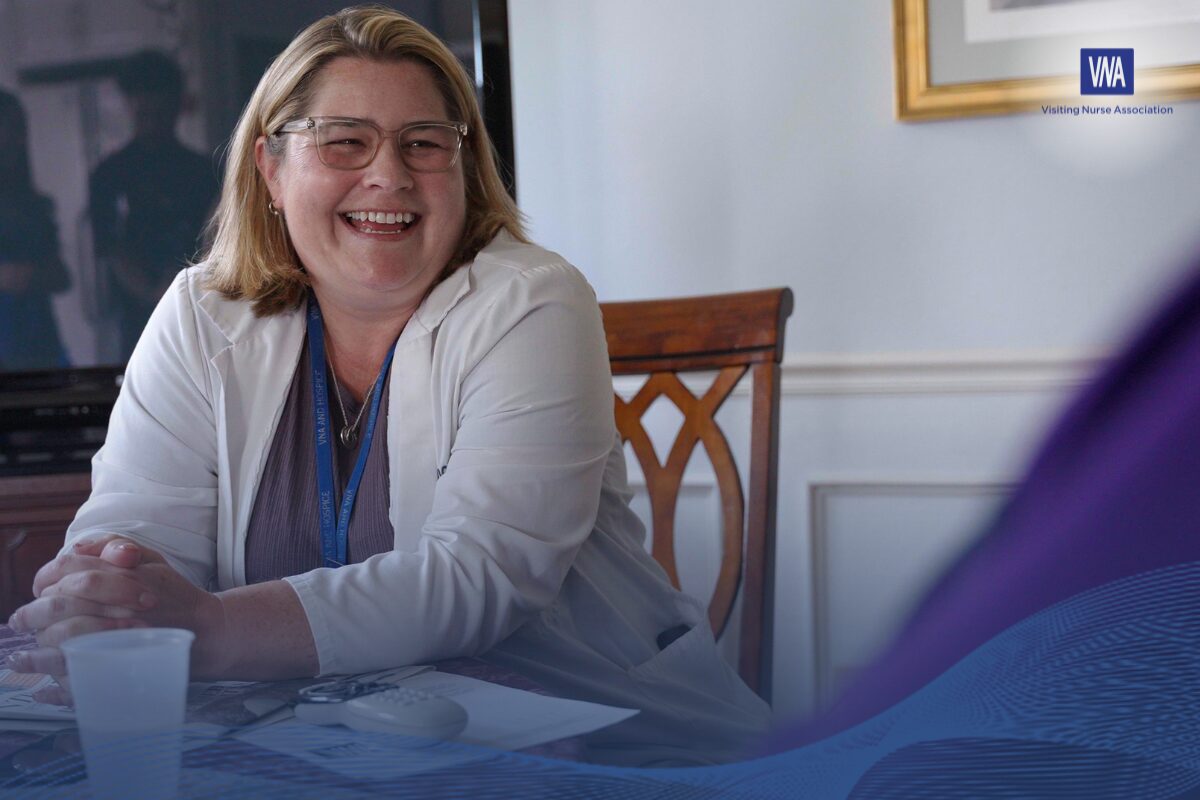
Understanding the Compassionate Care of Hospice Services on the Central Coast

When someone we love is facing the final chapter of life, the journey can feel overwhelming, uncertain, and emotionally complex. Families are often filled with questions: What does hospice really mean? How can I make sure my loved one is comfortable? Where can I turn for guidance and support that understands what we’re going through?
Here on California’s Central Coast, many families are finding those answers—and a deep sense of peace—through the compassionate, thoughtful care provided by hospice services. This blog aims to help you better understand what hospice care involves, how it supports families, and why this kind of care can be one of the most meaningful decisions you’ll make.
Understanding Hospice Services on the Central Coast
What Is Hospice Care?
Hospice care is a specialized form of medical and emotional support provided to individuals with life-limiting illnesses. Unlike treatments aimed at curing disease, hospice focuses on comfort, dignity, and quality of life in the time that remains.
Hospice care includes:
-
Pain and symptom management
-
Emotional and spiritual support
-
Help with daily tasks and caregiving
-
Counseling for both the patient and their family
-
Bereavement services after a loved one has passed
One of the most common questions people ask is, "Does hospice mean giving up?" The answer is no. Hospice is not about giving up; it’s about shifting focus—from cure to comfort, from treatment to time together.
Who Is Hospice Care For?
Hospice care is for individuals who have been diagnosed with a life-limiting illness and are no longer pursuing curative treatment. This includes people with conditions such as:
-
Advanced cancer
-
Late-stage Alzheimer’s or dementia
-
End-stage liver or kidney disease
Hospice services are available to anyone with a prognosis of six months or less if the illness follows its natural course, as determined by a physician.
Why Families Choose Hospice on the Central Coast
The Central Coast of California, known for its temperate climate, scenic coastline, and close-knit communities, offers more than just beauty—it offers a sense of peace and groundedness that many families seek during emotionally difficult times.
At Central Coast VNA & Hospice, we’ve seen firsthand how meaningful it is when individuals can spend their final days surrounded by familiar views, caring hands, and the comforts of home. Whether it's a quiet home in Pacific Grove or a hillside residence in Salinas, the setting itself becomes part of the care.
Families often tell us that what they remember most isn't the illness—it’s the moments: the ocean breeze coming through the window, a family member’s laughter in the next room, or the steady support of a hospice nurse during a hard day.
For those wondering where to find compassionate hospice of the Central Coast, trusted care is closer than you might think.
What Services Does Hospice Provide?
Hospice services are designed to support the whole person—not just their illness, but their emotional, spiritual, and relational needs. Here’s a breakdown of the key services provided:
1. Medical Care and Pain Management
Trained hospice nurses and physicians work together to manage pain and symptoms so that the individual can experience as much comfort as possible. This may include medications, equipment, and support for mobility or breathing.
2. Caregiver Support
Family caregivers are often under tremendous stress. Hospice services provide education, respite care, and in-home visits to support family members as they provide day-to-day care.
3. Emotional and Spiritual Support
Social workers and chaplains are available to help with everything from grief and anxiety to spiritual questions and life reflection. These specialized hospice services are offered with sensitivity to each person’s background and beliefs.
4. Bereavement Counseling
Support doesn't end when a loved one passes. Hospice programs offer grief counseling, support groups, and resources to help families heal in the months that follow.
5. Personal Care Services
Hospice aides help with daily living activities such as bathing, dressing, and grooming—helping patients maintain dignity and comfort.
How to Know When It's Time for Hospice
One of the most difficult decisions families face is knowing when to begin hospice care. People often wait too long, thinking they must wait until the very end. But in truth, starting hospice earlier allows more time to manage symptoms, build relationships with the care team, and experience meaningful moments with loved ones.
Signs it may be time to consider hospice:
-
Frequent hospital visits or ER trips
-
Difficulty managing pain or symptoms at home
-
Significant weight loss or weakness
-
Increased emotional distress or confusion
-
Caregiver exhaustion or burnout
If you're unsure, you can always ask your loved one’s doctor or reach out to Central Coast VNA & Hospice directly for guidance and an evaluation.
What Makes Hospice on the Central Coast Unique?
Every hospice organization shares a commitment to comfort and dignity—but care on the Central Coast comes with a distinct sense of place and purpose.
🌿 Community Roots
Central Coast VNA & Hospice has been a trusted part of the community for generations. Many of our staff live in the same neighborhoods as the families we serve. That local connection brings warmth, familiarity, and a true sense of community care.
🌊 A Calming Environment
The region’s natural beauty plays an unexpected role in care. From coastal sunsets in Monterey to the golden hills of Carmel Valley, many patients find comfort in being able to look outside and feel connected to the place they call home.
👪 Diverse Family Needs
Monterey County is home to a wide mix of families—multigenerational households, caregivers balancing work and family, and people who’ve retired here for peace and beauty. Our care teams understand the unique challenges and cultural values that shape each family’s experience.
Common Questions About Hospice Care
Is hospice only for people with cancer?
No. While hospice services originally served many cancer patients, today it supports individuals with a wide range of conditions including heart, lung, liver, and neurological illnesses.
Can hospice services happen at home?
Yes. In fact, most people receive hospice services in the comfort of their own home. Care teams come to you—bringing medical, emotional, and practical support right where you live.
How are hospice services paid for?
Hospice care is covered by Medicare, Medi-Cal, and most private insurance plans. There are no out-of-pocket costs for services covered under the hospice benefit.
Can I still see my regular doctor?
Yes. Hospice teams coordinate with your loved one’s existing physicians to ensure care is consistent and personalized.
Final Thoughts: A Compassionate Choice
Facing the end of life is never easy—but choosing hospice services can bring peace, comfort, and a renewed focus on what matters most. It’s about making the most of each day, honoring the wishes of your loved one, and being supported by people who truly care.
If you’ve been wondering whether it’s time—or even just what to expect—we hope this helped bring clarity and comfort. Hospice isn’t just about the end of life. It’s about living that life with grace, dignity, and love.
To learn more about hospice services offered by Central Coast VNA & Hospice, including trusted hospice of the Central Coast care, visit www.ccvna.com.
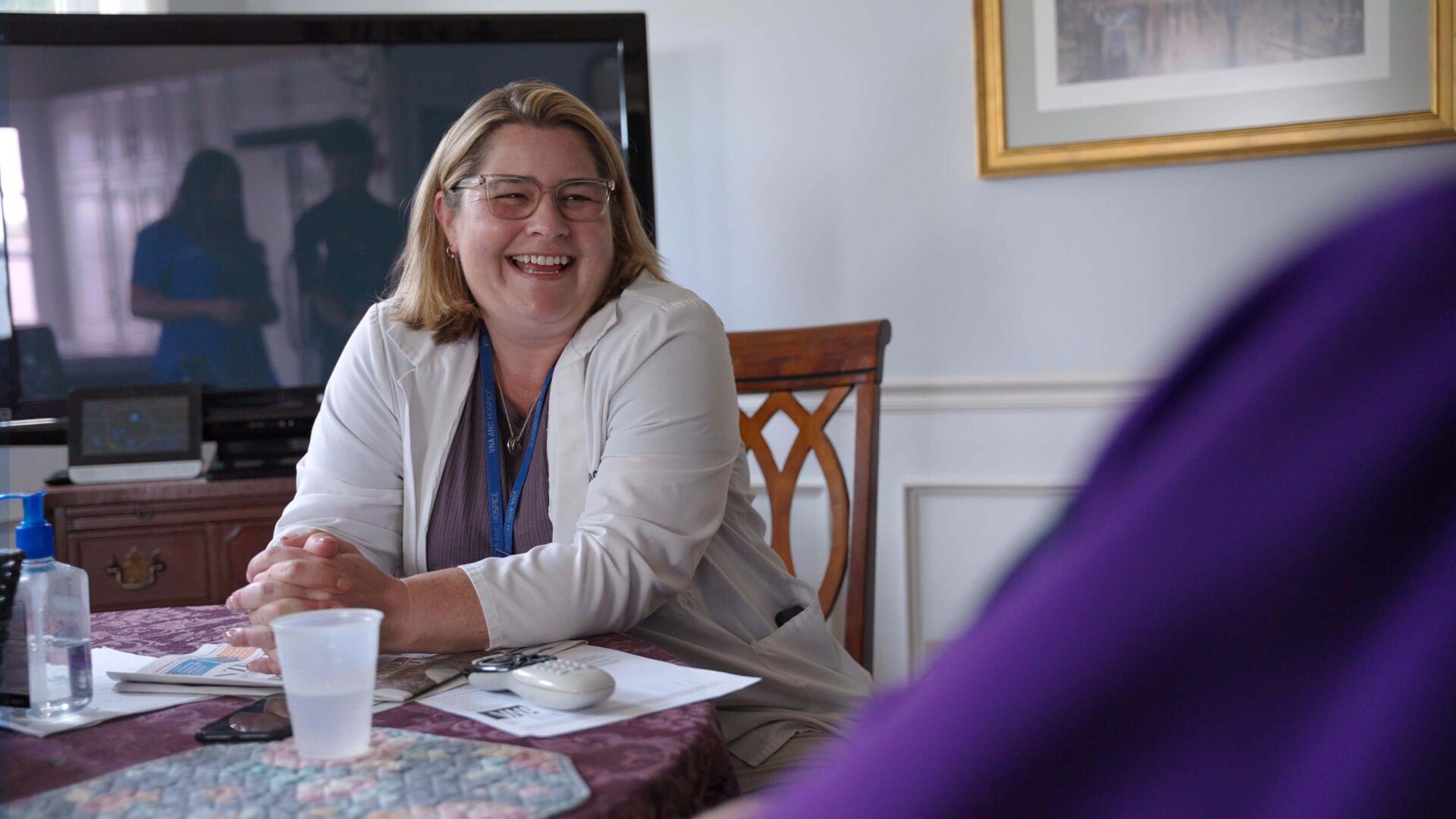
Missed the Flu Shot? Central Coast VNA Has You Covered
Flu season may be well underway, but missed the flu shot doesn't have to mean missed protection. If you're in Monterey or surrounding areas and think it might be too late to get vaccinated, think again. At Central Coast VNA & Hospice, we understand that life gets busy. Between work, family, and everything else, it’s easy to let things like flu shots fall through the cracks. But here’s the good news: it’s not too late—and we’re here to help.
In this article, you'll learn:
- Why getting a flu shot is still important—even late in the season
- How Central Coast VNA offers convenient flu shot services across Monterey
- The real risks of skipping vaccination
- Common misconceptions about flu shots and timing
- What to do now if you’ve missed it so far
Let’s dive into the details and get you the protection you need.
Common Challenges: Why People Miss the Flu Shot
It’s more common than you think to have missed the flu shot. In fact, millions of Americans delay or avoid it altogether each year. But why?
Misconceptions About Timing
Many people believe that if they didn’t get vaccinated by October or November, it’s already too late. That’s simply not true. According to the CDC, flu activity can last well into May.
Other Common Reasons Include:
- Busy schedules or long work hours
- Difficulty accessing clinics or pharmacies
- Transportation issues, especially for seniors
- Concerns about side effects or efficacy
- A belief that they “never get sick”
These challenges are real—but so are the risks of skipping the flu shot. At Central Coast VNA, we’re breaking down these barriers every day in Monterey and surrounding communities.
How Central Coast VNA Makes It Easy to Get Vaccinated
If you missed the flu shot, you’re not alone—and you’re not out of options. Central Coast VNA offers convenient, professional, and compassionate flu vaccination services right here in Monterey County.
Our Flu Shot Services Include:
- In-home vaccinations for seniors, disabled individuals, and anyone with limited mobility
- Community flu shot clinics throughout Monterey, Salinas, Hollister, and Santa Cruz
- Flexible scheduling to fit your lifestyle
- Staffed by licensed nurses who prioritize safety and comfort
We’ve been providing trusted public health services for over 70 years. From preventative care like flu shots to compassionate hospice and home health care, we’re here for our community every step of the way.
Why It’s Still Worth Getting the Flu Shot—Even Late in the Season
Even if you missed the flu shot earlier in the year, getting vaccinated now still offers powerful protection. Here’s why:
Tangible Benefits:
- Reduces your risk of getting sick or being hospitalized
- Protects vulnerable family members like children, elderly parents, or immunocompromised individuals
- Minimizes work and school absences due to illness
- Boosts community immunity, slowing the spread
Flu Season Isn’t Over Yet
In Monterey County, flu cases can peak as late as March or April. And with some strains circulating well into May, a late-season shot is far better than no shot at all.
Bonus: COVID-19 & Flu Protection
Central Coast VNA can also offer dual vaccination opportunities, so you can get both your flu and COVID-19 vaccines conveniently and safely from trusted healthcare providers.
Industry-Specific Considerations: Why VNA Is the Right Choice
Choosing the right provider matters. When it comes to catching up on your flu shot, Central Coast VNA brings unmatched local expertise and patient-centered care to the Monterey region.
What Sets Central Coast VNA Apart:
- Deep roots in the community: Serving Monterey County since 1951
- Mobile healthcare solutions: We come to you when you can’t come to us
- Licensed and experienced nurses: Trustworthy, compassionate professionals
- Services beyond flu shots:
- Hospice and palliative care
- Skilled home health nursing
- Rehabilitation therapy
- Volunteer opportunities to support community health
Regional Considerations:
Monterey’s large senior population and rural communities often face accessibility challenges. VNA bridges this gap by offering mobile and home-based healthcare services tailored to the region’s needs.
FAQs: Expert Answers for Your Flu Shot Concerns
1. Is it really too late to get a flu shot?
No! As long as flu viruses are circulating, vaccination is beneficial. It’s better to get protected late than not at all.
2. Does insurance cover late flu shots?
Yes—most major insurance plans, including Medicare, fully cover the cost of flu vaccinations regardless of timing. Check with your provider for details.
3. Can I still get the flu after the shot?
Yes, but the shot significantly reduces severity and risk of complications. It also lowers your chances of spreading the virus to others.
4. Where can I get a flu shot in Monterey if I missed it earlier?
Central Coast VNA offers flu shots in-home, at community clinics, and through public events across Monterey County. Contact us or visit https://ccvna.com to find out where we’ll be next.
5. Can I get a flu shot if I’m already feeling sick?
It depends. If you have a mild illness (like a cold), vaccination is usually still okay. For fever or more serious symptoms, it’s best to wait. Talk to a nurse for guidance.
Stay Protected with Central Coast VNA
If you missed the flu shot, don’t wait any longer. Flu season is still active in Monterey, and protection is just a phone call away. Central Coast VNA makes it easy with:
- Convenient, in-home or community-based flu vaccinations
- Friendly, professional nurses you can trust
- Flexible scheduling that fits your life
Call us today at (831) 372-6668 or visit https://ccvna.com to schedule your flu shot or learn more about our other services.
Don't miss the chance to protect yourself and your loved ones. Your health—and your peace of mind—are worth it.
Central Coast VNA & Hospice Your local partner for flu shots, home health, and compassionate care in Monterey County.
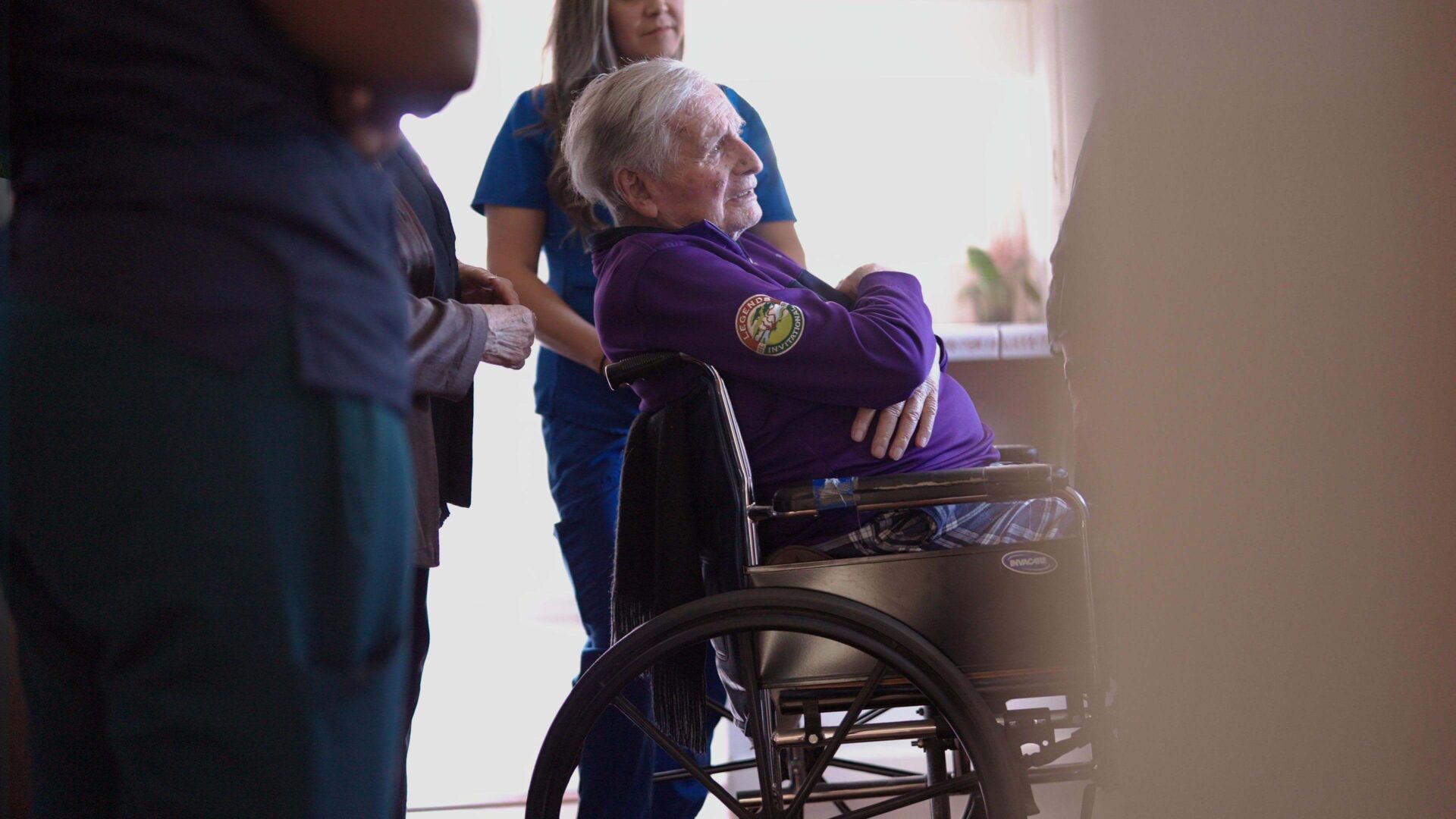
What’s the Difference Between Palliative Care and Hospice? A Comprehensive Breakdown
Understanding Palliative Care and Hospice
When facing a serious illness, understanding the options available for supportive care is essential. Palliative care and hospice are two vital services designed to improve quality of life, yet they serve different purposes. Many families in Monterey struggle to determine which is best suited for their loved ones.
In this guide, we’ll break down the key differences between palliative care and hospice, dispel common misconceptions, and help you decide which care option aligns with your needs.
Common Problems and Challenges
Many people assume that palliative care and hospice are interchangeable. However, these services differ in eligibility, goals, and timing.
Common Misconceptions:
- Myth: Palliative care is only for end-of-life care.
- Reality: It can be provided at any stage of a serious illness.
- Myth: Hospice is just a place.
- Reality: It’s a type of care that can be given at home, in a hospital, or in a facility.
- Myth: You must stop treatment to receive palliative care.
- Reality: Palliative care works alongside curative treatments.
Understanding these differences can prevent unnecessary stress and ensure that patients receive appropriate care.
Palliative Care vs. Hospice: How They Work
What Is Palliative Care?
Palliative care focuses on improving the quality of life for individuals with serious illnesses such as cancer, heart disease, or dementia. It aims to relieve symptoms like pain, fatigue, and nausea while the patient continues medical treatments.
Key Features of Palliative Care:
- Available at any stage of illness, not just end-of-life.
- Can be provided alongside curative treatments.
- Focuses on pain management, emotional support, and symptom relief.
- Available in hospitals, outpatient clinics, and sometimes at home.
What Is Hospice Care?
Hospice care is specifically designed for individuals in the final months of life, typically when curative treatments are no longer effective. The goal is to provide comfort, dignity, and support for both patients and their families.
Key Features of Hospice Care:
- For patients with a life expectancy of six months or less.
- Focuses on comfort rather than cure.
- Provides emotional and spiritual support for patients and families.
- Available in homes, hospice centers, nursing homes, and hospitals.
Benefits of Choosing the Right Care
Selecting the appropriate care service ensures that patients receive the right support at the right time.
Benefits of Palliative Care:
- Improves quality of life while managing symptoms.
- Reduces hospital visits and medical complications.
- Helps patients and families navigate complex medical decisions.
Benefits of Hospice Care:
- Provides compassionate, end-of-life care.
- Reduces unnecessary medical interventions.
- Offers grief support for families after a loved one passes.
Choosing the Right Provider in Monterey
When selecting a provider, consider factors such as experience, range of services, and patient testimonials. At Central Coast VNA & Hospice, we offer both palliative care and hospice services tailored to the needs of Monterey residents.
Why Choose Central Coast VNA & Hospice?
- Expert Team: Our professionals include doctors, nurses, and social workers.
- Comprehensive Support: We provide medical, emotional, and spiritual care.
- Flexible Care Options: Services are available in homes, hospitals, and nursing facilities.
- Local Commitment: Proudly serving Monterey, Salinas, Hollister, and Santa Cruz.
Frequently Asked Questions (FAQs)
1. Is palliative care covered by insurance?
Yes, most insurance plans, including Medicare and Medicaid, cover palliative care. Always check with your provider for details.
2. When should someone consider hospice care?
Hospice care is recommended when a physician determines that a patient has six months or less to live and treatment is no longer effective.
3. Can I receive palliative care at home?
Yes, palliative care can often be provided at home, depending on the patient’s needs and the provider’s services.
4. How do I know which service is right for my loved one?
Consulting with a healthcare provider or Central Coast VNA & Hospice can help determine the best care option based on medical needs and goals.
Take the Next Step
If you or a loved one need palliative care or hospice in Monterey, Central Coast VNA & Hospice is here to help. Our compassionate team provides personalized support tailored to your needs.
📞 Call us today at 831-372-6668 or visit our website to learn more.
By understanding the differences between palliative care and hospice, you can make informed choices that prioritize comfort, dignity, and quality of life.
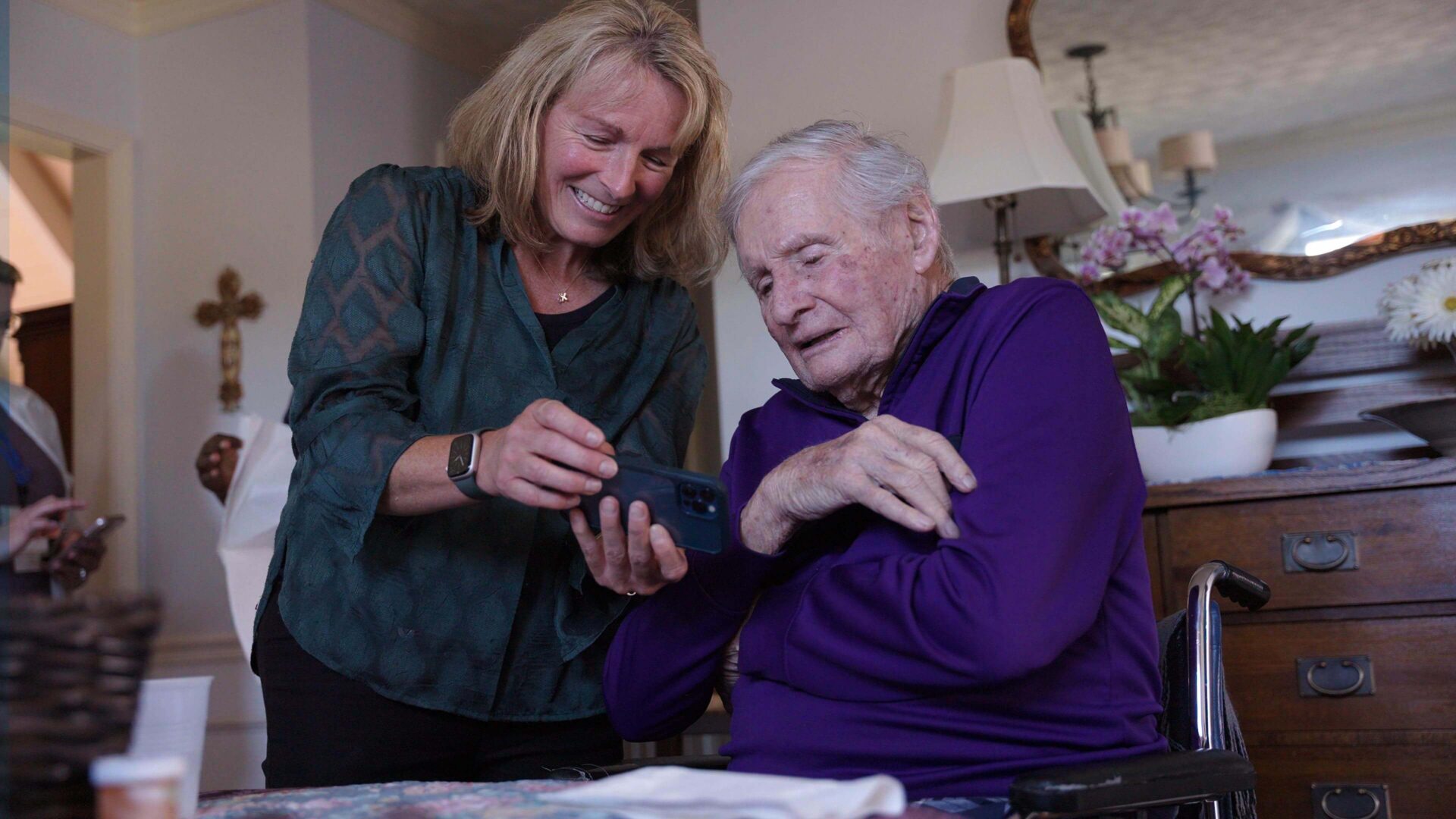
Compassionate Senior Care Services in Monterey—Your Options
As our loved ones age, ensuring they receive the best possible care becomes a priority. Many families in Monterey face the difficult decision of choosing the right compassionate senior care services for their elderly relatives. With various options available, it can be overwhelming to decide what’s best. Should you opt for in-home care, assisted living, or hospice services? Understanding these choices can help you make an informed decision that aligns with your loved one’s needs and comfort.
In this blog, we’ll explore the different senior care services available in Monterey, CA, the benefits of each, and how to determine which is the best fit for your family. Whether you’re looking for skilled nursing, hospice care, or in-home assistance, Central Coast VNA & Hospice is here to support you.
Common Problems and Challenges
Caring for a senior loved one comes with a unique set of challenges. Many families face:
- Time constraints – Balancing work, personal life, and caregiving can be stressful.
- Medical complexities – Seniors often have chronic conditions requiring professional attention.
- Emotional stress – Watching a loved one decline in health can be emotionally taxing.
- Financial concerns – The cost of senior care varies widely, making affordability a key factor.
- Limited availability of care providers – Finding the right fit in a timely manner can be difficult.
Misconceptions About Senior Care
- “Nursing homes are the only option.” – Many seniors thrive with in-home care.
- “Hospice means giving up.” – Hospice focuses on comfort and quality of life, not just end-of-life care.
- “Medicare covers everything.” – While Medicare covers some costs, out-of-pocket expenses still apply.
- “Family caregivers can handle everything alone.” – Professional help is often necessary for medical and emotional well-being.
The Solution and How It Works
In-Home Care Services
For seniors who wish to stay in their own homes, in-home care is a flexible and personalized option. Central Coast VNA & Hospice offers:
- Companion care – Assistance with daily activities, meal preparation, and companionship.
- Personal care – Help with bathing, dressing, and mobility.
- Skilled nursing – Medical care administered by licensed nurses, including wound care and medication management.
- Physical and occupational therapy – Services aimed at improving mobility and independence.
Hospice and Palliative Care
For those facing terminal illnesses or chronic conditions, hospice and palliative care provide:
- Pain management – Focused on relief and improving quality of life.
- Emotional and spiritual support – Support for both patients and their families.
- 24/7 availability – Caregivers and nurses available to assist when needed.
- Coordination with medical professionals – Ensuring seamless care and communication between providers.
Assisted Living and Skilled Nursing Facilities
If staying at home is not an option, assisted living and skilled nursing facilities offer:
- Social engagement – Activities and community support.
- Medical supervision – On-site nursing staff for those requiring ongoing care.
- Specialized memory care – For seniors with Alzheimer’s or dementia.
- Emergency medical response – Immediate access to medical care in case of urgent situations.
Benefits and Outcomes
Choosing the right senior care service provides:
- Enhanced quality of life – Seniors remain comfortable and engaged.
- Family peace of mind – Knowing your loved one is in good hands reduces stress.
- Improved health outcomes – Professional care helps manage chronic conditions effectively.
- Increased safety and supervision – Reducing the risk of falls and health emergencies.
Industry-Specific Considerations
When selecting a senior care provider in Monterey, consider:
- Accreditation and licensing – Ensure the provider meets state and federal standards.
- Personalized care plans – Each senior’s needs are unique.
- Affordability and insurance coverage – Understand costs and available financial assistance.
- Availability of specialized care – Ensuring that medical and therapeutic needs are met.
Related Questions and Expert Answers
Is in-home senior care covered by insurance?
Medicare may cover skilled nursing services, but non-medical home care often requires private payment or long-term care insurance.
How do I know when my loved one needs hospice care?
If they have a life-limiting illness and require symptom management rather than curative treatment, hospice may be appropriate.
What’s the difference between palliative care and hospice care?
Palliative care focuses on symptom relief at any stage of an illness, while hospice care is for those in the final months of life.
How can I choose the best senior care provider in Monterey?
Look for licensed professionals, read reviews, and ensure they offer services that match your loved one’s needs.
What are signs my elderly parent needs additional care?
Increased falls, forgetfulness, trouble with daily tasks, and frequent hospital visits are key indicators.
If you’re searching for compassionate, high-quality senior care services in Monterey, Central Coast VNA & Hospice is here to help. Our dedicated team offers personalized in-home care, hospice services, and skilled nursing to ensure your loved one receives the best possible support. Contact us today to learn more about our services and find the best care plan for your family.
📞 Call us at 831-372-6668 or visit our website to get started.
By providing compassionate, expert care, Central Coast VNA & Hospice ensures your loved one’s golden years are filled with dignity and comfort.
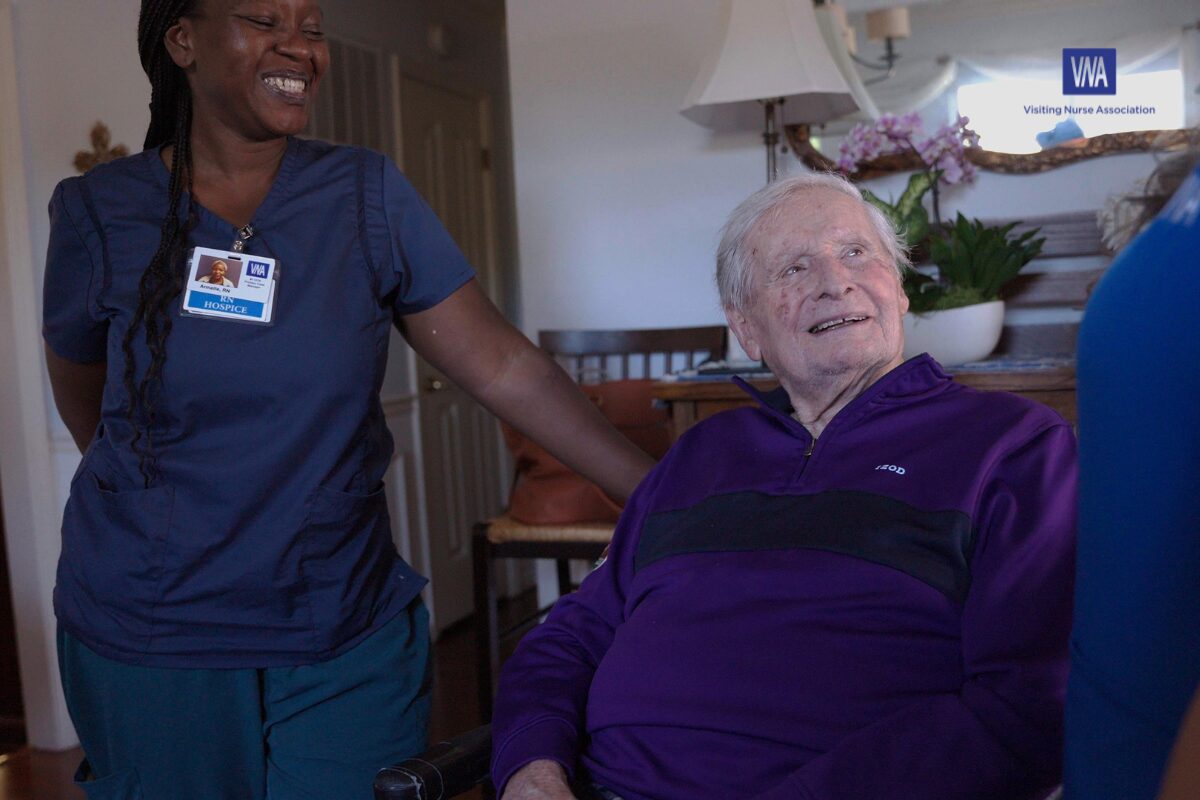
How Senior Care Services Enhance Quality of Life for Monterey’s Aging Community
Aging is a natural part of life, and for seniors in Monterey, CA, maintaining independence and well-being is a top priority. With its mild coastal climate, stunning landscapes, and strong sense of community, Monterey is an ideal place to age gracefully. However, as individuals grow older, they may require extra support to ensure they can continue living safely and comfortably at home. That’s where senior care services come in.
If you or a loved one are considering care options, you may have questions like, “What types of senior care services are available?” or “How can home health care help maintain independence?” In this guide, we’ll explore how professional senior care services enhance quality of life and provide the support Monterey’s aging community needs.
What Are Senior Care Services?
Senior care services encompass a wide range of support options designed to assist older adults with daily activities, medical needs, and overall well-being. These services can include:
- Home Health Care – Skilled nursing, physical therapy, and rehabilitation services provided in the comfort of a senior’s home.
- Personal Care Assistance – Help with daily tasks like bathing, dressing, and meal preparation.
- Medical Social Work – Support for emotional and social well-being, connecting seniors with community resources.
- Physical, Occupational, and Speech Therapy – Programs that improve mobility, safety, and communication skills.
By integrating these services into daily life, seniors can enjoy greater independence while receiving the care they need to remain healthy and active.
How Monterey Senior Care Services Improve Quality of Life
For many seniors, remaining at home is a top priority. Monterey’s aging population benefits from services that help them stay in familiar surroundings while receiving professional care. Here’s how senior care services can make a difference:
1. Promoting Independence and Safety at Home
One of the biggest concerns for seniors is the risk of falls and injuries. In Monterey, where outdoor activities like walking along Cannery Row or enjoying a day at the beach are common, maintaining mobility is essential. Home health care services provide physical therapy to improve balance and strength, reducing fall risks and enhancing mobility.
Caregivers also help modify living spaces, recommending assistive devices and safety adjustments to ensure a secure home environment. Simple changes, like installing grab bars in bathrooms or removing tripping hazards, can greatly improve safety and confidence for aging individuals.
2. Providing Personalized Medical Care
Managing chronic conditions like heart disease, diabetes, or arthritis can be challenging. In Monterey County, where nearly 20% of the population is over the age of 65, access to reliable healthcare services is crucial. Home health care ensures seniors receive skilled nursing care, medication management, and specialized treatments without frequent hospital visits.
By having nurses and therapists visit regularly, seniors receive consistent medical attention, reducing the risk of complications and hospital readmissions. This personalized approach helps seniors maintain better health while enjoying the comfort of home.
3. Emotional and Social Well-Being
Aging can sometimes lead to feelings of isolation, especially for those without nearby family members. Social connections are essential for mental health, and Monterey’s senior care services help bridge this gap.
Medical social workers offer counseling and connect seniors with local support groups, volunteer opportunities, and community programs. Activities such as senior exercise classes, book clubs, and cultural events provide engagement and companionship. These connections help seniors remain active and engaged in their community, boosting mental well-being.
4. Assistance with Daily Activities
Simple daily tasks can become difficult as mobility decreases. Whether it’s preparing meals, grooming, or running errands, having professional caregivers ensures seniors receive the help they need without losing their sense of independence.
For example, Monterey’s year-round farmers' markets offer fresh, local produce that supports heart-healthy diets. Caregivers can assist with grocery shopping, ensuring seniors have nutritious meals that align with their dietary needs.
5. Reducing the Burden on Family Caregivers
Family members often step in to help their aging loved ones, but caregiving can be overwhelming. Senior care services provide much-needed relief by offering professional assistance, allowing family caregivers to rest and focus on their own well-being.
In Monterey, where many adult children balance work and caregiving responsibilities, having professional support can make all the difference. Whether through respite care or full-time assistance, these services ensure that both seniors and their families receive the support they need.
6. Supporting Recovery and Rehabilitation
After surgery, illness, or injury, rehabilitation is essential for a full recovery. Monterey’s home health care services offer physical, occupational, and speech therapy to help seniors regain strength and independence.
Instead of staying in a rehab facility, seniors can recover at home with professional therapists guiding them through tailored exercises and treatment plans. This approach not only speeds up recovery but also provides comfort and convenience.
7. Preserving Dignity and Enhancing Quality of Life
At the heart of senior care services is a commitment to dignity and respect. Seniors deserve compassionate care that empowers them to live life on their terms. Whether it’s assistance with personal care or companionship from a caregiver, these services ensure that aging individuals feel valued, respected, and supported.
How to Get Started with Senior Care Services in Monterey
If you or a loved one are considering home health care or personal support services, here are some steps to take:
- Assess Your Needs – Determine the level of care required, whether it’s medical support, personal assistance, or rehabilitation services.
- Consult a Professional – Reach out to a local senior care provider to discuss options and create a personalized care plan.
- Explore Community Resources – Monterey offers many programs for seniors, from wellness initiatives to social activities.
- Stay Informed – Keep up with new advancements in senior care to ensure the best possible quality of life.
Finding the Right Senior Care Provider
When choosing a senior care provider, look for:
✅ Licensed and experienced staff
✅ Personalized care plans
✅ Positive reviews from families
✅ A strong reputation in the Monterey community
At Visiting Nurse Association and Hospice, we specialize in providing compassionate, high-quality senior care services tailored to the unique needs of Monterey’s aging community. Our team of skilled nurses, therapists, and caregivers is dedicated to helping seniors live independently and comfortably.
Conclusion
Aging is a journey, and with the right support, seniors in Monterey can continue to live fulfilling, independent lives. From personalized medical care to companionship and rehabilitation, senior care services play a crucial role in enhancing quality of life.
If you or a loved one are looking for compassionate, professional care in Monterey, Visiting Nurse Association and Hospice is here to help. Contact us today to learn more about how our services can support you on this journey.
📞 Call us at 831-372-6668 to discuss senior care options for you or a loved one.