

The 4 Stages of Palliative Care—Explained by VNA Experts
Navigating a serious illness can be overwhelming—not just for patients, but also for families. Knowing what to expect, especially when it comes to care planning, can provide immense comfort. That’s where The 4 Stages of Palliative Care come into play. These stages offer a compassionate, structured approach to care that evolves with the patient’s needs, from diagnosis through the end of life.
At Central Coast VNA & Hospice, our expert care team delivers palliative services in Monterey and surrounding areas with dignity, empathy, and skill. We often hear people asking: What is palliative care? and What are the 4 stages?—and today, we’re answering those questions clearly.
Bonus insight: If you’ve missed the flu shot this season, VNA can help with that too—just one of many essential healthcare services we provide.
In this blog, you’ll learn:
- What palliative care means and how it differs from hospice
- A breakdown of the four stages of care
- How VNA’s programs support each stage in Monterey County
- Key benefits, FAQs, and how to get started
Let’s dive in.
Understanding the Challenges: Why Families Need Clarity
Palliative care is often misunderstood. Some people think it’s only for the final days of life. Others assume it replaces curative treatment. Neither is true.
Common Misconceptions We Hear:
- Isn’t palliative care the same as hospice?"
- "My loved one isn’t dying yet—so it’s not time for this."
- "Will this mean stopping treatment?"
According to the National Institute on Aging, palliative care can—and should—begin at the time of diagnosis of a serious illness. It focuses on relief from symptoms, emotional support, and improved quality of life, whether the illness is terminal or not.
For families in Monterey County, not knowing where to turn adds unnecessary stress. That’s why VNA offers real help—including guidance through each stage of care, plus services like:
- In-home flu shots (because yes, many have missed the flu shot)
- Grief counseling and bereavement support
- Home health for recovery and mobility support
- Hospice for comfort-focused end-of-life care
- Advanced care planning
The Solution: The 4 Stages of Palliative Care
Stage 1: Early Stage – Stable and Proactive Support
This stage begins at diagnosis of a serious condition (like cancer, heart failure, or COPD). Care is focused on managing symptoms while the patient continues curative treatments.
Key Features:
- Pain and symptom management
- Emotional and psychological support
- Assistance with navigating the healthcare system
- Advanced care planning conversations
VNA’s Role in Monterey: Our team partners with physicians to provide specialty programs that offer supportive care without interrupting treatment.
Stage 2: Late Stage – Increased Needs and Coordination
As the illness progresses, care becomes more intensive. The patient may need additional support managing side effects or daily routines.
Key Features:
- Home visits from nurses and social workers
- Medication and pain management
- Emotional and spiritual counseling
- Enhanced caregiver education
VNA Offers Real Help with in-home services, offering critical relief to caregivers across Monterey County.
Stage 3: Terminal Stage – Hospice Consideration
When curative treatments are no longer effective or desired, the focus may shift to hospice. This is where hospice and palliative care often intersect.
Key Features:
- Transition planning to hospice if needed
- Emotional preparation for families
- Palliative support continues until hospice begins
VNA seamlessly transitions patients from palliative care to compassionate hospice services, ensuring no interruption in support.
Stage 4: Bereavement – Support After Loss
After a loved one passes, support doesn’t end. Grief counseling, family therapy, and follow-up services are vital.
Key Features:
- Individual and group grief counseling
- Children’s and family programs
- Memorial services and remembrance events
VNA’s Bereavement Team continues to support Monterey families for up to 13 months after loss.
Benefits of Choosing VNA for Palliative Care
At Central Coast VNA & Hospice, we take a holistic approach to each stage. Here’s why families choose us:
Tangible Benefits:
- Consistent, coordinated care through every stage
- Reduced hospitalizations through better symptom control
- Greater comfort at home with in-home care options
- Peace of mind for families and caregivers
What Sets VNA Apart:
- 70+ years serving Monterey County
- Trusted network of nurses, counselors, and support staff
- Culturally competent and bilingual support
- Local programs like flu shot clinics (perfect if you’ve missed the flu shot) and volunteer opportunities to give back
Testimonial:
“VNA made the hardest time in our lives manageable. They walked us through each step and gave my father peace—and us, clarity.”
Local Considerations: What Monterey Families Should Know
Why Monterey-Specific Care Matters:
Monterey County has:
- A large senior population
- A mix of rural and urban areas
- Many families caring for loved ones at home
That’s why VNA offers real help where it’s needed most—with mobile nurses, home health services, and advanced care planning tailored to this unique region.
Key Questions When Choosing a Palliative Provider:
- Do they offer home-based care?
- Are services coordinated across stages?
- Is emotional and spiritual support available?
- Can I reach them easily in my area?
VNA answers ‘yes’ to all these questions. And we’re based right here in Monterey.
FAQs: Common Questions About the 4 Stages of Palliative Care
1. Is palliative care the same as hospice?
No. Palliative care can begin at diagnosis and be delivered alongside curative treatment. Hospice begins when treatment stops and life expectancy is six months or less.
2. Is palliative care covered by insurance?
Yes. Most insurance plans, including Medicare and Medicaid, cover palliative care services. VNA can help verify coverage.
3. How long can someone receive palliative care?
There’s no time limit. Care continues as long as needed, evolving with the patient’s condition.
4. Can I get palliative care at home?
Yes. VNA provides in-home services throughout Monterey County.
5. What’s the difference between VNA and a hospital palliative team?
VNA provides community-based care, focusing on support in the home and local community settings. This allows for greater comfort and continuity of care.
Ready to Learn More or Get Started?
Whether you’re planning ahead or facing urgent decisions, VNA offers real help at every step. Our team provides personalized, compassionate palliative care in Monterey and beyond, helping families face serious illness with strength and support.
📞 Call Central Coast VNA & Hospice today at (831) 372-6668
📍 Schedule a free consultation to discuss your family’s needs
Central Coast VNA & Hospice: Trusted care, local compassion, and expert support for every stage of life.

Why Choosing Palliative Care in Monterey Could Be the Most Loving Decision You Make
When someone close to you is living with a serious or life-limiting illness, the decisions you make as a family become deeply emotional, sometimes overwhelming. You want comfort. You want clarity. And above all, you want your loved one to feel supported, respected, and safe. That’s where palliative care can offer something truly meaningful.
In Monterey, CA, families are discovering that palliative care isn’t just a medical service—it’s a compassionate partnership that helps patients live with dignity while giving their families much-needed peace of mind. If you’ve ever found yourself wondering, “Where can I find palliative care in Monterey that truly understands what we’re going through?”—you’re not alone. And you’re in the right place to start understanding your options.
What Is Palliative Care, and How Is It Different from Hospice?
Palliative care is specialized medical care for people living with serious illnesses such as cancer, heart failure, COPD, or advanced kidney disease. Unlike hospice, which typically begins when curative treatment has ended, palliative care can be introduced at any stage of illness—even while other treatments are ongoing.
In simple terms, palliative care focuses on relieving symptoms, managing stress, and improving quality of life. It’s a support system not just for the patient, but for the entire family. Think of it as an added layer of care that works alongside your loved one’s other treatments or doctors.
In Monterey County, where many residents are navigating both aging parents and their own busy midlife responsibilities, this kind of support can make all the difference.
Why Families Are Turning to Palliative Care in Monterey
Monterey is a unique place. With its mild coastal climate, small-town feel, and vibrant community of retirees, it’s no surprise that many older adults choose to age here. But while the scenery is serene, navigating complex healthcare decisions can still be overwhelming.
That’s where local palliative care services step in. When families in the Monterey Peninsula start looking for guidance—whether it's how to ease a parent’s pain or how to manage medications—they often discover that choosing palliative care is one of the most compassionate steps they can take.
Here are just a few reasons why:
1. Comfort and Relief, Right at Home
Whether your loved one lives in Pacific Grove, Carmel, Salinas, or tucked away in a quiet corner of Monterey, palliative care providers often come directly to them. This means fewer stressful trips to doctor’s offices and more time spent in the comfort of home.
Care teams help manage symptoms like nausea, shortness of breath, fatigue, and pain—common but difficult aspects of many illnesses. And because they work collaboratively with your existing doctors, the approach remains coordinated and holistic.
2. Support for the Whole Family
Serious illness affects everyone in the family. From managing medications to making tough decisions, caregivers can often feel like they’re carrying the world on their shoulders.
Palliative care helps lighten that load. Care teams often include nurses, social workers, chaplains, and specialists who not only support the patient but offer guidance and emotional support to caregivers as well. If you’ve ever felt unsure or alone in this journey, you’ll find comfort in knowing someone is there to walk alongside you.
3. Clearer Communication, Less Confusion
One of the hardest parts of navigating advanced illness is trying to understand medical information. What’s happening? What are the treatment options? What does this diagnosis really mean?
Palliative care providers are trained to communicate in ways that are straightforward and compassionate. They help families understand what to expect and how to make decisions that reflect the patient’s wishes. In a time that can feel like a whirlwind of appointments and medical jargon, this clarity is a breath of fresh coastal air.
How to Know If Palliative Care Is Right for Your Family
People often ask, “When should we consider palliative care?” The answer may surprise you: the earlier, the better.
If your loved one is dealing with a serious illness and you’ve noticed any of the following, it may be time to consider palliative support:
-
Frequent hospitalizations or ER visits
-
Difficulty managing symptoms like pain, fatigue, or breathlessness
-
Confusion about treatment options or goals of care
-
Increased stress or burnout among family caregivers
-
A desire to focus more on comfort and quality of life
Palliative care doesn’t mean giving up—it means choosing to live as well and as fully as possible, no matter the diagnosis.
Local Support You Can Trust
If you’re wondering where can I find palliative care in Monterey, the answer lies close to home. Central Coast VNA & Hospice has been serving the Monterey Bay area for over 70 years, providing trusted home-based care to families throughout the region.
With deep roots in the community and a commitment to preserving dignity and choice, Central Coast VNA & Hospice is uniquely equipped to offer thoughtful, individualized care. Their palliative care program is designed to meet patients where they are—literally and emotionally—by offering visits at home and tailoring support to each family’s needs.
Living in a region like Monterey, where natural beauty is part of everyday life, many families want their loved ones to enjoy those precious moments: the smell of the ocean, the comfort of their garden, the familiar sounds of home. Palliative care helps preserve those moments by minimizing suffering and maximizing meaningful time together.
Common Questions About Palliative Care in Monterey
Is palliative care covered by insurance?
Yes, most insurance plans—including Medicare and Medi-Cal—cover palliative care services. It's always a good idea to talk directly with the provider to understand coverage specifics for your family.
Can palliative care be provided at home?
Absolutely. In fact, many families in Monterey choose home-based palliative care to keep their loved ones in familiar surroundings.
How does palliative care work with my loved one’s current doctor?
Palliative care teams collaborate with your loved one’s other healthcare providers to ensure that everyone is aligned in the plan of care. It’s a team effort, focused entirely on the patient’s comfort and goals.
Is palliative care only for older adults?
While many palliative care patients are older, the service is available to anyone living with a serious illness—regardless of age. What matters most is the individual’s needs, not just their age.
Final Thoughts: Love in the Form of Care
At its core, choosing palliative care is an act of love. It says: We see you. We hear you. And we want you to be comfortable, respected, and surrounded by support.
For families in Monterey and beyond, palliative care offers a way to navigate illness without losing sight of what matters most—connection, comfort, and time together.
If you’ve been feeling unsure about what comes next, or if you simply want to explore compassionate options for your loved one, learning more about local services may be the first step toward peace of mind.
To explore trusted palliative care options in Monterey, visit the Central Coast VNA & Hospice website at www.ccvna.com.
Because sometimes, the most loving decision you make isn’t about doing more—it’s about choosing the care that truly matters.
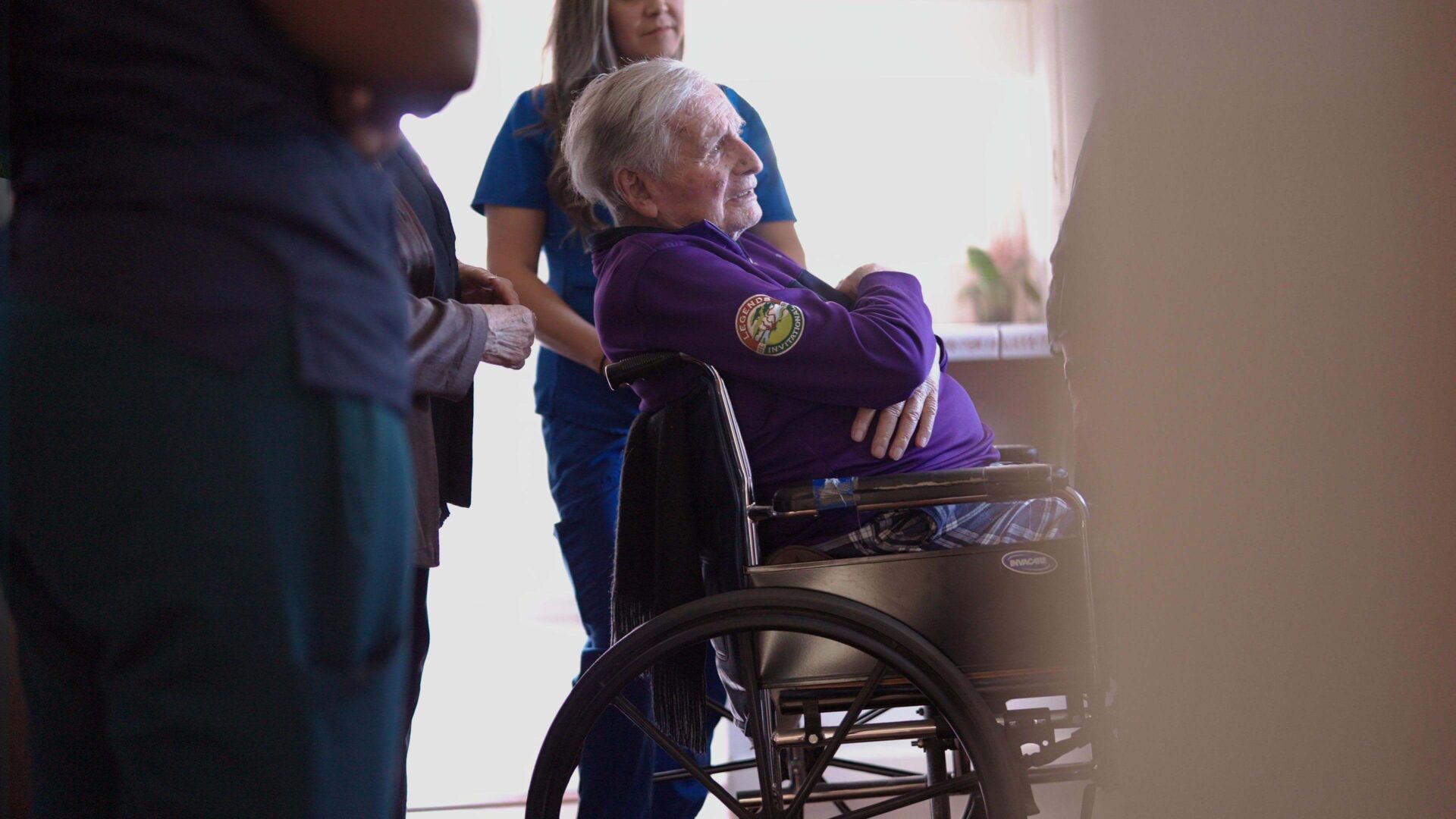
What’s the Difference Between Palliative Care and Hospice? A Comprehensive Breakdown
Understanding Palliative Care and Hospice
When facing a serious illness, understanding the options available for supportive care is essential. Palliative care and hospice are two vital services designed to improve quality of life, yet they serve different purposes. Many families in Monterey struggle to determine which is best suited for their loved ones.
In this guide, we’ll break down the key differences between palliative care and hospice, dispel common misconceptions, and help you decide which care option aligns with your needs.
Common Problems and Challenges
Many people assume that palliative care and hospice are interchangeable. However, these services differ in eligibility, goals, and timing.
Common Misconceptions:
- Myth: Palliative care is only for end-of-life care.
- Reality: It can be provided at any stage of a serious illness.
- Myth: Hospice is just a place.
- Reality: It’s a type of care that can be given at home, in a hospital, or in a facility.
- Myth: You must stop treatment to receive palliative care.
- Reality: Palliative care works alongside curative treatments.
Understanding these differences can prevent unnecessary stress and ensure that patients receive appropriate care.
Palliative Care vs. Hospice: How They Work
What Is Palliative Care?
Palliative care focuses on improving the quality of life for individuals with serious illnesses such as cancer, heart disease, or dementia. It aims to relieve symptoms like pain, fatigue, and nausea while the patient continues medical treatments.
Key Features of Palliative Care:
- Available at any stage of illness, not just end-of-life.
- Can be provided alongside curative treatments.
- Focuses on pain management, emotional support, and symptom relief.
- Available in hospitals, outpatient clinics, and sometimes at home.
What Is Hospice Care?
Hospice care is specifically designed for individuals in the final months of life, typically when curative treatments are no longer effective. The goal is to provide comfort, dignity, and support for both patients and their families.
Key Features of Hospice Care:
- For patients with a life expectancy of six months or less.
- Focuses on comfort rather than cure.
- Provides emotional and spiritual support for patients and families.
- Available in homes, hospice centers, nursing homes, and hospitals.
Benefits of Choosing the Right Care
Selecting the appropriate care service ensures that patients receive the right support at the right time.
Benefits of Palliative Care:
- Improves quality of life while managing symptoms.
- Reduces hospital visits and medical complications.
- Helps patients and families navigate complex medical decisions.
Benefits of Hospice Care:
- Provides compassionate, end-of-life care.
- Reduces unnecessary medical interventions.
- Offers grief support for families after a loved one passes.
Choosing the Right Provider in Monterey
When selecting a provider, consider factors such as experience, range of services, and patient testimonials. At Central Coast VNA & Hospice, we offer both palliative care and hospice services tailored to the needs of Monterey residents.
Why Choose Central Coast VNA & Hospice?
- Expert Team: Our professionals include doctors, nurses, and social workers.
- Comprehensive Support: We provide medical, emotional, and spiritual care.
- Flexible Care Options: Services are available in homes, hospitals, and nursing facilities.
- Local Commitment: Proudly serving Monterey, Salinas, Hollister, and Santa Cruz.
Frequently Asked Questions (FAQs)
1. Is palliative care covered by insurance?
Yes, most insurance plans, including Medicare and Medicaid, cover palliative care. Always check with your provider for details.
2. When should someone consider hospice care?
Hospice care is recommended when a physician determines that a patient has six months or less to live and treatment is no longer effective.
3. Can I receive palliative care at home?
Yes, palliative care can often be provided at home, depending on the patient’s needs and the provider’s services.
4. How do I know which service is right for my loved one?
Consulting with a healthcare provider or Central Coast VNA & Hospice can help determine the best care option based on medical needs and goals.
Take the Next Step
If you or a loved one need palliative care or hospice in Monterey, Central Coast VNA & Hospice is here to help. Our compassionate team provides personalized support tailored to your needs.
📞 Call us today at 831-372-6668 or visit our website to learn more.
By understanding the differences between palliative care and hospice, you can make informed choices that prioritize comfort, dignity, and quality of life.
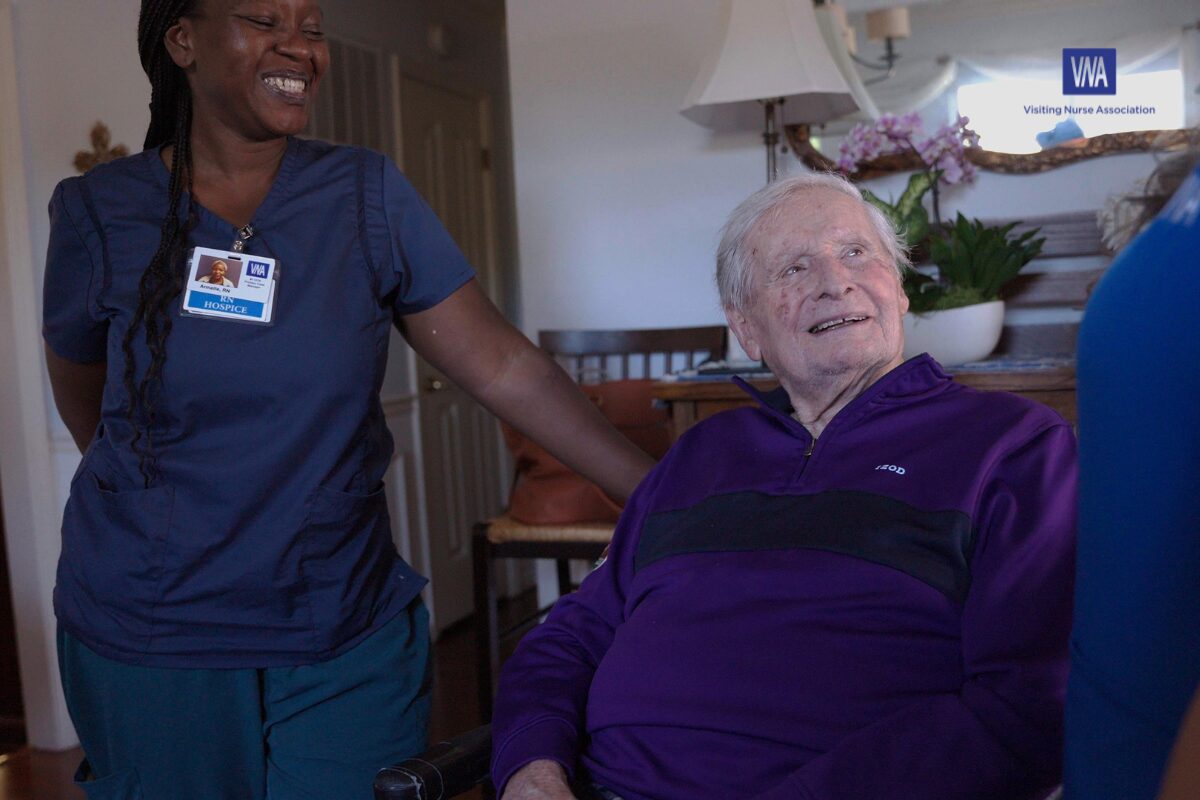
How Senior Care Services Enhance Quality of Life for Monterey’s Aging Community
Aging is a natural part of life, and for seniors in Monterey, CA, maintaining independence and well-being is a top priority. With its mild coastal climate, stunning landscapes, and strong sense of community, Monterey is an ideal place to age gracefully. However, as individuals grow older, they may require extra support to ensure they can continue living safely and comfortably at home. That’s where senior care services come in.
If you or a loved one are considering care options, you may have questions like, “What types of senior care services are available?” or “How can home health care help maintain independence?” In this guide, we’ll explore how professional senior care services enhance quality of life and provide the support Monterey’s aging community needs.
What Are Senior Care Services?
Senior care services encompass a wide range of support options designed to assist older adults with daily activities, medical needs, and overall well-being. These services can include:
- Home Health Care – Skilled nursing, physical therapy, and rehabilitation services provided in the comfort of a senior’s home.
- Personal Care Assistance – Help with daily tasks like bathing, dressing, and meal preparation.
- Medical Social Work – Support for emotional and social well-being, connecting seniors with community resources.
- Physical, Occupational, and Speech Therapy – Programs that improve mobility, safety, and communication skills.
By integrating these services into daily life, seniors can enjoy greater independence while receiving the care they need to remain healthy and active.
How Monterey Senior Care Services Improve Quality of Life
For many seniors, remaining at home is a top priority. Monterey’s aging population benefits from services that help them stay in familiar surroundings while receiving professional care. Here’s how senior care services can make a difference:
1. Promoting Independence and Safety at Home
One of the biggest concerns for seniors is the risk of falls and injuries. In Monterey, where outdoor activities like walking along Cannery Row or enjoying a day at the beach are common, maintaining mobility is essential. Home health care services provide physical therapy to improve balance and strength, reducing fall risks and enhancing mobility.
Caregivers also help modify living spaces, recommending assistive devices and safety adjustments to ensure a secure home environment. Simple changes, like installing grab bars in bathrooms or removing tripping hazards, can greatly improve safety and confidence for aging individuals.
2. Providing Personalized Medical Care
Managing chronic conditions like heart disease, diabetes, or arthritis can be challenging. In Monterey County, where nearly 20% of the population is over the age of 65, access to reliable healthcare services is crucial. Home health care ensures seniors receive skilled nursing care, medication management, and specialized treatments without frequent hospital visits.
By having nurses and therapists visit regularly, seniors receive consistent medical attention, reducing the risk of complications and hospital readmissions. This personalized approach helps seniors maintain better health while enjoying the comfort of home.
3. Emotional and Social Well-Being
Aging can sometimes lead to feelings of isolation, especially for those without nearby family members. Social connections are essential for mental health, and Monterey’s senior care services help bridge this gap.
Medical social workers offer counseling and connect seniors with local support groups, volunteer opportunities, and community programs. Activities such as senior exercise classes, book clubs, and cultural events provide engagement and companionship. These connections help seniors remain active and engaged in their community, boosting mental well-being.
4. Assistance with Daily Activities
Simple daily tasks can become difficult as mobility decreases. Whether it’s preparing meals, grooming, or running errands, having professional caregivers ensures seniors receive the help they need without losing their sense of independence.
For example, Monterey’s year-round farmers' markets offer fresh, local produce that supports heart-healthy diets. Caregivers can assist with grocery shopping, ensuring seniors have nutritious meals that align with their dietary needs.
5. Reducing the Burden on Family Caregivers
Family members often step in to help their aging loved ones, but caregiving can be overwhelming. Senior care services provide much-needed relief by offering professional assistance, allowing family caregivers to rest and focus on their own well-being.
In Monterey, where many adult children balance work and caregiving responsibilities, having professional support can make all the difference. Whether through respite care or full-time assistance, these services ensure that both seniors and their families receive the support they need.
6. Supporting Recovery and Rehabilitation
After surgery, illness, or injury, rehabilitation is essential for a full recovery. Monterey’s home health care services offer physical, occupational, and speech therapy to help seniors regain strength and independence.
Instead of staying in a rehab facility, seniors can recover at home with professional therapists guiding them through tailored exercises and treatment plans. This approach not only speeds up recovery but also provides comfort and convenience.
7. Preserving Dignity and Enhancing Quality of Life
At the heart of senior care services is a commitment to dignity and respect. Seniors deserve compassionate care that empowers them to live life on their terms. Whether it’s assistance with personal care or companionship from a caregiver, these services ensure that aging individuals feel valued, respected, and supported.
How to Get Started with Senior Care Services in Monterey
If you or a loved one are considering home health care or personal support services, here are some steps to take:
- Assess Your Needs – Determine the level of care required, whether it’s medical support, personal assistance, or rehabilitation services.
- Consult a Professional – Reach out to a local senior care provider to discuss options and create a personalized care plan.
- Explore Community Resources – Monterey offers many programs for seniors, from wellness initiatives to social activities.
- Stay Informed – Keep up with new advancements in senior care to ensure the best possible quality of life.
Finding the Right Senior Care Provider
When choosing a senior care provider, look for:
✅ Licensed and experienced staff
✅ Personalized care plans
✅ Positive reviews from families
✅ A strong reputation in the Monterey community
At Visiting Nurse Association and Hospice, we specialize in providing compassionate, high-quality senior care services tailored to the unique needs of Monterey’s aging community. Our team of skilled nurses, therapists, and caregivers is dedicated to helping seniors live independently and comfortably.
Conclusion
Aging is a journey, and with the right support, seniors in Monterey can continue to live fulfilling, independent lives. From personalized medical care to companionship and rehabilitation, senior care services play a crucial role in enhancing quality of life.
If you or a loved one are looking for compassionate, professional care in Monterey, Visiting Nurse Association and Hospice is here to help. Contact us today to learn more about how our services can support you on this journey.
📞 Call us at 831-372-6668 to discuss senior care options for you or a loved one.

How Palliative Cardiac Care Improves Heart Health – 7 Key Benefits
Heart disease affects millions of people across the U.S., and in Salinas, CA, the story is no different. Managing heart conditions like congestive heart failure or chronic coronary artery disease can feel overwhelming for both patients and their families. Fortunately, palliative cardiac care offers a compassionate and effective approach to managing these challenges.
Palliative cardiac care focuses on relieving symptoms, improving quality of life, and addressing the emotional, physical, and psychological impact of heart disease. It’s not just about managing heart conditions; it’s about empowering patients to live better lives.
In this blog, we’ll explore 7 key benefits of palliative cardiac care and how it can support heart health.
1. Reduces Symptoms for Better Daily Comfort
Living with heart disease often involves symptoms like shortness of breath, fatigue, and chest pain. Palliative cardiac care uses a holistic approach to help manage and reduce these discomforts.
In Salinas, where the climate is mild year-round, symptom relief can mean the difference between enjoying an afternoon stroll through local parks or staying indoors. Palliative care teams work closely with patients to develop customized treatment plans, which may include medications, therapies, or lifestyle adjustments to address specific symptoms.
By focusing on comfort, palliative cardiac care helps patients regain their ability to enjoy daily activities, whether it’s spending time with family, gardening, or visiting nearby attractions like the Salinas River National Wildlife Refuge.
2. Offers Personalized Support for Emotional and Mental Health
Heart disease doesn’t just affect the body—it also takes a toll on emotional and mental well-being. Feelings of anxiety, depression, and fear are common for those managing chronic conditions.
Palliative cardiac care provides emotional support to help patients and their families navigate these challenges. This can include counseling, relaxation techniques, and mindfulness exercises tailored to individual needs.
The supportive environment in Salinas, known for its strong sense of community, makes it easier for individuals to connect with their care teams and support groups. Palliative care programs often encourage involvement in community activities, like local farmer’s markets, which can promote both mental and physical well-being.
3. Provides Holistic Pain and Symptom Management
What are the best ways to manage heart-related pain and discomfort? This is a common question for individuals living with heart disease. Palliative cardiac care emphasizes a whole-person approach, addressing not just the symptoms but the underlying factors contributing to pain.
Whether through medication management, dietary guidance, or gentle physical therapy, care teams ensure that every aspect of a patient’s health is considered. In Salinas, the abundance of fresh produce and local resources makes it easier to implement heart-healthy diets that complement medical treatments.
Holistic care helps reduce pain while enhancing overall well-being, allowing patients to focus on what truly matters: living a fulfilling life.
4. Encourages a Heart-Healthy Lifestyle

Why does lifestyle matter in managing heart disease? Because small changes can lead to significant improvements in heart health. Palliative cardiac care includes education and resources to encourage heart-healthy habits, such as maintaining a balanced diet, staying active, and managing stress.
In Salinas, where fresh, locally grown fruits and vegetables are abundant, adopting a heart-healthy diet becomes easier. Care teams can guide patients in making dietary changes that support heart health without feeling restrictive. Additionally, the mild weather provides opportunities for safe outdoor activities like walking or yoga, which are essential for cardiovascular fitness.
5. Reduces Hospital Visits and Readmissions
Hospital visits can be stressful and disruptive for individuals managing heart conditions. Frequent trips to the emergency room for symptom management or complications can take a toll on both patients and their families.
Palliative cardiac care focuses on proactive management, preventing hospital readmissions by addressing potential issues before they escalate. Regular check-ins with care providers ensure that symptoms are monitored and medications are adjusted as needed.
In Salinas, with its accessible healthcare resources, palliative care services make it easier for patients to stay in the comfort of their homes while receiving professional support.
6. Strengthens Communication and Care Coordination
How can families stay informed and involved in a loved one’s care? Palliative cardiac care emphasizes open communication and collaboration between patients, families, and healthcare providers.
This approach ensures that everyone is on the same page regarding treatment plans, goals, and expectations. In Salinas, where family ties and cultural values play an important role, this collaborative model helps families feel empowered to support their loved ones.
Palliative care teams also act as advocates, coordinating with primary care physicians, specialists, and other providers to streamline care. This ensures that patients receive consistent, high-quality treatment.
7. Focuses on Quality of Life and Living Fully
One of the most important questions patients ask is: How can I live a full and meaningful life despite my heart condition? Palliative cardiac care focuses on helping individuals do just that.
Rather than solely concentrating on the medical aspects of heart disease, palliative care emphasizes quality of life. This includes fostering independence, encouraging social connections, and helping patients achieve personal goals.
In Salinas, the sense of community and access to enriching activities—like the annual California Rodeo Salinas or visits to Steinbeck House Museum—offers opportunities for patients to stay engaged and connected.
How to Get Started with Palliative Cardiac Care in Salinas
If you or a loved one is managing heart disease, palliative cardiac care could be the key to improving heart health and quality of life. At Visiting Nurse Association and Hospice, our experienced team is dedicated to providing compassionate, personalized care that addresses both medical and emotional needs.
By focusing on symptom management, emotional support, and proactive care, we help patients and families navigate the challenges of heart disease with confidence.
📞 Contact us today at 831-375-9882 to learn more about how our palliative cardiac care services can benefit you or your loved one.
Embrace the comfort, support, and expert care you deserve this season in Salinas.

7 Heart-Healthy Reasons to Consider Palliative Cardiac Care in Monterey This Fall
As the season changes in Monterey, CA, the cool autumn air and vibrant scenery encourage many of us to reflect on our health, well-being, and time with loved ones. For those managing heart conditions, this time of year offers a valuable opportunity to consider palliative cardiac care. Palliative care for cardiac patients is designed to ease the symptoms and stress of living with heart disease, focusing on comfort, quality of life, and holistic support.
At Visiting Nurse Association and Hospice in Monterey, we specialize in providing comprehensive palliative care, addressing both physical and emotional needs for those facing chronic cardiac conditions. Here are seven heart-healthy reasons to consider palliative cardiac care this fall.
1. Improved Quality of Life with Symptom Management
For those with advanced heart disease, managing symptoms like shortness of breath, chest pain, and fatigue can significantly improve day-to-day comfort. Palliative cardiac care focuses on alleviating these symptoms through medication, lifestyle adjustments, and supportive therapies.
In Monterey’s peaceful setting, a palliative care plan can help individuals take in the beautiful sights, whether it’s a walk along the coastline or enjoying the crisp autumn views in local parks like Jacks Peak. A personalized care plan makes it easier to engage in activities that bring joy and connection, tailored to each patient's level of ability.
2. Personalized Nutrition and Lifestyle Support
Heart health heavily depends on diet and lifestyle, but making the right changes can feel overwhelming for patients and their families. Palliative cardiac care includes guidance from dietitians who help create heart-friendly meal plans, emphasizing fresh, seasonal produce like those available at the Old Monterey Farmers Market.
Focusing on nutrient-dense foods that support cardiac health, such as leafy greens, whole grains, and lean proteins, helps manage symptoms and promotes overall wellness. Monterey’s local produce offers an abundance of heart-healthy options, making it easier to incorporate fresh, seasonal ingredients into meals.
3. Mental and Emotional Support for Patients and Families
Living with heart disease often brings about stress and anxiety, not only for the patient but also for their loved ones. Palliative cardiac care includes counseling and emotional support, helping patients process their feelings and manage stress effectively. This support often involves mindfulness techniques, stress-relief exercises, and even outdoor therapy to leverage Monterey’s serene natural environment for mental well-being.
Family support is also a key part of palliative care, offering resources and counseling to help them navigate the journey alongside their loved one. By creating an emotionally supportive environment, palliative care fosters a sense of peace and empowerment during what can be a challenging time.
4. Cardiac Care Coordination with Your Healthcare Team
One of the biggest benefits of palliative cardiac care is the coordinated approach taken by a multidisciplinary team, including nurses, social workers, dietitians, and the patient's cardiologists. At Visiting Nurse Association and Hospice, we ensure seamless communication between all providers, so patients receive consistent and comprehensive care.
In Monterey’s community-focused healthcare setting, having a dedicated team working together makes it easier to receive the most effective treatments and navigate the healthcare system. By centralizing communication, palliative care relieves families from the burden of managing multiple appointments and providers.
5. Preventative Measures to Reduce Hospitalizations
Heart conditions can sometimes lead to frequent hospital visits due to the progression of symptoms or complications. Palliative cardiac care emphasizes preventive measures that minimize hospitalizations, focusing on proactive symptom management, timely medication adjustments, and regular health check-ups.
During the fall season, with flu and other illnesses circulating, it’s particularly important for those with heart conditions to avoid unnecessary hospital visits.
By receiving palliative care support at home, patients benefit from expert attention without leaving the comfort of their familiar environment. This not only reduces exposure to potential illness but also allows patients to feel safer and more comfortable in their own space.
6. Encouragement of Safe Physical Activity
Physical activity is essential for heart health, but it’s important to approach exercise carefully, especially with advanced cardiac conditions. Palliative care teams can develop a safe, gentle exercise routine tailored to each patient’s specific needs.
Light exercises like stretching or guided walks can support cardiovascular function and strengthen muscles, enhancing overall well-being.
In Monterey, there are several accessible outdoor spaces like Dennis the Menace Park or the scenic waterfront, which provide safe places for light activity. These natural environments contribute to both physical health and emotional balance, allowing patients to enjoy the beauty of Monterey while staying active safely under professional guidance.
7. Spiritual and Holistic Support
Palliative cardiac care also focuses on holistic wellness, addressing not just the physical symptoms but the emotional and spiritual needs of the patient. For many, spirituality can be a profound source of comfort and strength. Monterey’s natural beauty offers a peaceful setting for reflection, meditation, and connection with one’s values.
At Visiting Nurse Association and Hospice, we understand that heart health is connected to the mind and spirit, which is why our palliative care program includes spiritual counseling and resources for patients and families. This support encourages a sense of fulfillment and peace, helping individuals approach their health journey with resilience.
Choosing Palliative Cardiac Care in Monterey
For those in Monterey and the surrounding areas, choosing palliative cardiac care is a way to receive specialized, compassionate support during the fall season and beyond.
Whether it’s symptom management, emotional support, or preventive measures, the Visiting Nurse Association and Hospice team is dedicated to providing comprehensive care that helps patients live comfortably and meaningfully.
This fall, as the colors change and the air cools, consider the benefits that palliative cardiac care can bring to you or your loved one. With the right support, managing a cardiac condition doesn’t have to limit the joy of each day.
📞 Contact Visiting Nurse Association and Hospice at 831-372-6668 to learn more about our palliative cardiac care services and how we can support you and your family this season.


The 7 Most Common Palliative Care Questions Addressed
Palliative care is a topic that is often misunderstood and surrounded by misconceptions. In this article, we aim to address the nine most common palliative care questions to provide clarity and understanding to those who may be seeking this type of care for themselves or their loved ones.
Understanding Palliative Care
Palliative care is a specialized approach to providing care for individuals with serious illnesses. Its main focus is to improve the quality of life for patients and their families by addressing physical, emotional, and spiritual needs.
When it comes to serious illnesses, the impact goes beyond just the physical symptoms. Patients often experience emotional distress, such as anxiety, depression, and fear. Palliative care recognizes the importance of addressing these emotional needs, providing support and counseling to help patients cope with the challenges they face.
In addition to addressing physical and emotional needs, palliative care also acknowledges the significance of spiritual well-being. For many individuals, spirituality plays a vital role in their lives, providing comfort and meaning. Palliative care professionals work closely with patients to understand their spiritual beliefs and provide the necessary support to nurture their spiritual well-being.
Defining Palliative Care
One of the most common palliative care questions, is that palliative care is often misunderstood as end-of-life care. However, it is important to note that palliative care is not restricted to individuals who are nearing the end of their lives. Rather, it can be implemented at any stage of a serious illness, regardless of the prognosis.
One of the key aspects of palliative care is its focus on holistic care. It takes into account the physical, emotional, and spiritual aspects of a patient's life, recognizing that all these elements are interconnected and contribute to their overall well-being. By addressing these different dimensions, palliative care aims to provide comprehensive support that goes beyond just managing symptoms.
Another important aspect of palliative care is its emphasis on open and honest communication. Palliative care professionals work closely with patients and their families to ensure that they are well-informed about their condition, treatment options, and potential outcomes. This shared decision-making process allows patients to actively participate in their care and make choices that align with their values and goals.
The Purpose of Palliative Care
The primary goal of palliative care is to provide relief from the symptoms and stresses that come with serious illnesses. It aims to improve the patient's overall well-being and support them in making informed decisions about their care. Palliative care also focuses on providing support to family members and loved ones during this challenging time.
By addressing physical symptoms such as pain, nausea, and shortness of breath, palliative care helps to enhance the patient's comfort and quality of life. This may involve the use of medications, therapies, and other interventions tailored to the individual's needs.
Furthermore, palliative care recognizes the importance of psychosocial support. Patients and their families often experience significant emotional and psychological distress when dealing with a serious illness. Palliative care professionals provide counseling, support groups, and other resources to help individuals navigate these challenges and maintain their mental well-being.
Lastly, palliative care acknowledges the crucial role of family and loved ones in the patient's care journey. It provides support and guidance to family members, helping them cope with the emotional and practical aspects of caregiving. By addressing the needs of both the patient and their loved ones, palliative care aims to create a supportive and compassionate environment for all those involved.
The Process of Palliative Care
The process of palliative care involves a multidisciplinary team of healthcare professionals who work together to provide holistic care. Palliative care is a specialized approach that focuses on improving the quality of life for patients facing serious illnesses. It aims to provide relief from symptoms, pain, and stress, while also addressing the emotional, social, and spiritual needs of the patient and their family.
When a patient's illness begins to impact their quality of life, palliative care can be initiated. This can happen at any point during the course of the illness, regardless of whether the patient is receiving curative treatments. Palliative care is not limited to end-of-life care; it can be provided alongside other treatments to help manage symptoms and improve overall well-being.
Initiation of Palliative Care
Palliative care can be initiated at any point during a patient's illness. It is often recommended when the symptoms of the illness begin to impact the patient's quality of life. Patients may experience physical symptoms such as pain, nausea, or shortness of breath, as well as emotional and psychological distress. Palliative care aims to alleviate these symptoms and improve the patient's comfort and well-being.
When palliative care is initiated, a comprehensive assessment is conducted to determine the patient's needs and goals. This assessment takes into account the physical, emotional, social, and spiritual aspects of the patient's life. The palliative care team works closely with the patient and their family to develop a personalized care plan that addresses their unique needs and preferences.
Throughout the course of the illness, the palliative care team provides ongoing support and guidance. They work collaboratively to ensure that the patient's physical symptoms are managed effectively, using a combination of medications, therapies, and other interventions. They also provide emotional support to help patients and their families cope with the challenges of living with a serious illness.
The Role of the Palliative Care Team
The palliative care team consists of healthcare professionals such as doctors, nurses, social workers, and chaplains, who work collaboratively to address the physical, emotional, and spiritual needs of the patient. Each member of the team brings a unique set of skills and expertise to provide comprehensive care.
Doctors play a crucial role in palliative care by managing the patient's medical needs. They assess and treat physical symptoms, prescribe medications, and coordinate with other healthcare providers to ensure that the patient receives the best possible care. Nurses provide hands-on care and support, monitoring the patient's symptoms, administering medications, and providing education and guidance to the patient and their family.
Social workers play an important role in palliative care by providing emotional support and counseling to patients and their families. They help patients navigate through the healthcare system, connect them with community resources, and assist with advance care planning. Chaplains provide spiritual support and guidance, respecting the patient's individual beliefs and values.
Together, the palliative care team works collaboratively to ensure that the patient's physical, emotional, and spiritual needs are addressed. They provide ongoing support and guidance to help patients and their families navigate through the complex healthcare system, make informed decisions, and find meaning and comfort in their journey.
Common Misconceptions about Palliative Care
There are several misconceptions surrounding palliative care that often prevent individuals from seeking this type of care when they need it the most. Let's debunk some of these myths.
Debunking Palliative Care Myths
One common myth is that palliative care is only for individuals with cancer. In reality, palliative care is available for individuals with any serious illness, such as heart disease, lung disease, or neurological conditions.
Palliative Care vs Hospice Care
Another misconception is that palliative care and hospice care are the same. While both focus on providing comfort and support, palliative care can be offered alongside curative treatments, whereas hospice care is typically provided when curative treatments are no longer pursued and end-of-life care is the primary focus.
Addressing the Most Common Palliative Care Questions
When Should Palliative Care Start?
Palliative care can start at any point after the diagnosis of a serious illness. It is not limited to the end stages of the disease. In fact, early initiation of palliative care has been shown to improve quality of life and patient outcomes.
Who Provides Palliative Care?
Palliative care is provided by a team of healthcare professionals, as mentioned earlier. The team works together to provide comprehensive care that addresses the physical, emotional, and spiritual needs of the patient.
Is Palliative Care Only for the Elderly?
Contrary to popular belief, palliative care is not just for the elderly. It is suitable for individuals of any age who are facing a serious illness. The focus of palliative care is on improving the quality of life and providing support regardless of the age of the patient.
Can Palliative Care Happen at Home?
Yes, palliative care can be provided in various settings, including the patient's home. Home-based palliative care allows patients to receive the necessary support and care in the comfort of their own familiar surroundings.
How is Pain Managed in Palliative Care?
Pain management is a crucial aspect of palliative care. The palliative care team works closely with patients to develop an individualized plan for managing pain and other symptoms. Medications, therapies, and non-pharmacological interventions are utilized to ensure optimal pain relief and comfort.
Does Insurance Cover Palliative Care?
Most health insurance plans cover palliative care services. However, it is advisable to check with your insurance provider to determine the specific coverage and any potential out-of-pocket expenses. Financial assistance programs may also be available for those who qualify.
Can Palliative Care Extend Life?
Palliative care is not aimed at curing the underlying illness. However, it can improve the patient's quality of life, manage symptoms effectively, and potentially extend their life by addressing their physical and emotional needs comprehensively.
In conclusion, palliative care plays a crucial role in providing support and improving the quality of life for individuals with serious illnesses. By addressing the nine most common questions surrounding palliative care, we hope to dispel misconceptions and provide clarity on the benefits and availability of this specialized form of care.