


A Beginner's Guide to Understanding Hospice Care Eligibility

A Beginner's Guide to Understanding Hospice Care Eligibility
Hospice care is an invaluable resource for individuals and families facing the advanced stages of a serious illness. It focuses on providing comfort, dignity, and quality of life rather than curative treatments. However, determining eligibility for hospice care can be confusing for many. This guide aims to clarify the criteria and processes involved in qualifying for hospice care, particularly for residents of Monterey, CA, and the surrounding areas.
What is Hospice Care?
Hospice care is a type of care designed to provide comprehensive support to patients who are nearing the end of life. This care includes managing symptoms, providing emotional and spiritual support, and offering assistance to families. Hospice care can be provided in various settings, including the patient’s home, a hospice center, or a hospital.
Understanding Hospice Care Eligibility
Medical Eligibility Criteria
- Terminal Illness Diagnosis: The primary criterion for hospice care eligibility is a diagnosis of a terminal illness with a prognosis of six months or less if the disease follows its natural course. This prognosis must be certified by a physician.
- Focus on Comfort Care: The patient and their family must choose comfort care over curative treatments. Hospice care emphasizes palliative treatment aimed at managing symptoms rather than attempting to cure the illness.
- Declining Health: Eligibility often requires evidence of declining health despite medical treatment. This can include frequent hospitalizations, significant weight loss, increased pain, and other signs that the illness is progressing.
Common Conditions for Hospice Eligibility
Several conditions commonly qualify for hospice care, including but not limited to:
- Cancer: Patients with advanced stages of cancer who have decided to stop curative treatments.
- Heart Disease: Individuals with severe heart failure or other advanced cardiac conditions.
- Lung Disease: Patients with advanced chronic obstructive pulmonary disease (COPD) or other severe respiratory conditions.
- Neurological Diseases: Conditions such as advanced Alzheimer’s, Parkinson’s, or Amyotrophic Lateral Sclerosis (ALS).
- Liver Disease: Patients with end-stage liver disease.
The Process of Determining Eligibility
Initial Assessment
The first step in determining hospice care eligibility involves an initial assessment by healthcare professionals. In Monterey, CA, and the surrounding areas, this often involves a visit from a hospice nurse or physician who evaluates the patient’s condition and reviews their medical history.
Certification by Physicians
Two physicians typically need to certify that the patient’s life expectancy is six months or less. This includes the patient’s primary care physician and a hospice medical director. This dual certification ensures that the patient’s condition meets the hospice care criteria.
Development of a Care Plan
Once eligibility is established, a personalized care plan is developed. This plan addresses the patient’s specific needs and preferences, focusing on pain management, symptom control, and emotional and spiritual support. The care plan is regularly reviewed and adjusted as needed to ensure it continues to meet the patient’s needs.
The Role of the Local Community
Monterey’s close-knit community and abundant resources play a vital role in supporting those in hospice care. Various local organizations and community groups offer additional support services, such as meal delivery, transportation, and companionship, enhancing the overall quality of hospice care.
Community Events and Support Groups
Monterey is home to numerous community events and support groups that can be beneficial for hospice patients and their families. For example, local senior centers and churches often host support groups for caregivers and families, providing a space to share experiences and find emotional support.
Cultural and Recreational Activities
The region’s cultural and recreational activities also contribute to the well-being of hospice patients. Visits to the peaceful beaches, scenic drives along the Pacific Coast Highway, or simple strolls in local parks can offer moments of joy and relaxation for both patients and their families. Monterey, known for its stunning coastal views and moderate Mediterranean climate, provides a serene environment ideal for those receiving hospice care.
Financial Considerations and Insurance
Medicare and Medicaid
Hospice care is covered by Medicare under the Medicare Hospice Benefit, which includes services such as nursing care, pain management, medical equipment, and support services. Medicaid also covers hospice care for eligible individuals.
Private Insurance
Most private insurance plans provide coverage for hospice care. It’s important to review the specific benefits and coverage details with your insurance provider to understand what services are included.
Financial Assistance Programs
For those without insurance or with limited financial resources, many hospice organizations offer financial assistance programs. These programs are designed to ensure that everyone who needs hospice care can access it, regardless of their financial situation.
The Importance of Early Planning
Early planning for hospice care can significantly improve the quality of life for patients and ease the emotional burden on families. Discussing hospice care options with your healthcare provider before a crisis occurs allows for a smoother transition when the time comes.
Advance Directives
Creating advance directives, such as a living will and a durable power of attorney for healthcare, ensures that your wishes regarding end-of-life care are respected. These legal documents guide healthcare providers and family members in making decisions that align with your preferences.
Family Discussions
Having open and honest discussions with family members about your wishes for end-of-life care can prevent misunderstandings and conflicts. It’s important to communicate your values, goals, and preferences clearly to your loved ones.
Conclusion
Understanding hospice care eligibility is crucial for ensuring that patients receive the compassionate and comprehensive care they need during the final stages of life. In Monterey, CA, and the surrounding areas, hospice care is supported by a dedicated medical community and a wealth of local resources that enhance the quality of life for patients and their families.
By recognizing the medical criteria, engaging with local support systems, and planning early, you can navigate the complexities of hospice care eligibility with confidence. Remember, hospice care is not just about end-of-life; it’s about enriching the final chapter of life with comfort, dignity, and peace.
For more information on hospice care eligibility and services in Monterey, CA, contact VNA & Hospice. Our team is here to support you every step of the way.

A Patient's Guide to Understanding and Managing Cardiac Diseases
Cardiac diseases are a complex group of conditions that can have a significant impact on your health and well-being. Understanding what these diseases are, their symptoms, risk factors, and treatment options is crucial for effectively managing your heart health. In this guide, we will discuss the various aspects of cardiac diseases and provide you with useful information to help you navigate this journey towards a healthier heart.
Understanding Cardiac Diseases
Cardiac diseases, also known as heart diseases, refer to a range of conditions that affect the structure and function of the heart. These diseases can manifest in various ways and can have a profound impact on your cardiovascular system. From coronary artery disease to heart failure, there are several common types of heart diseases that you should be familiar with.
What are Cardiac Diseases?
Cardiac diseases are conditions that affect the heart and the blood vessels connected to it. They can be caused by multiple factors, including lifestyle choices, genetic predisposition, and aging. These diseases can range from mild to severe and can have a significant impact on your quality of life if left untreated.
Common Types of Heart Diseases
There are several common types of heart diseases that you should be aware of. These include:
- Coronary Artery Disease: This condition occurs when the coronary arteries, which supply oxygen-rich blood to the heart muscle, become narrow or blocked.
- Heart Failure: Heart failure happens when the heart is unable to pump enough blood to meet the body's needs.
- Arrhythmias: Arrhythmias are abnormal heart rhythms that can cause the heart to beat too fast, too slow, or irregularly.
- Valvular Heart Diseases: Valvular heart diseases involve abnormalities in the heart's valves, which can affect blood flow through the heart.
- Cardiomyopathy: This condition refers to diseases of the heart muscle, leading to reduced heart function.
Symptoms and Warning Signs
Recognizing the symptoms and warning signs of cardiac diseases is crucial for early detection and prompt medical intervention. While the specific symptoms may vary depending on the type of heart disease, some common signs include:
- Chest pain or discomfort
- Shortness of breath
- Fatigue and weakness
- Irregular heartbeat
- Dizziness or fainting
- Swelling in the legs, ankles, or feet
It's important to remember that not everyone will experience the same symptoms, and some symptoms may be subtle or easily overlooked. If you experience any of these symptoms or are concerned about your heart health, it's essential to seek medical advice promptly.
Risk Factors for Cardiac Diseases
Several risk factors can contribute to the development of cardiac diseases. By understanding these risk factors, you can take proactive steps to manage them and reduce your chances of developing heart problems.
Genetic Factors
Family history plays a significant role in your risk of developing cardiac diseases. If you have close relatives, such as parents or siblings, who have had heart problems, you may have a higher risk. While you can't change your genetics, being aware of your family history can help you and your healthcare provider develop a plan to monitor and manage your heart health effectively.
Lifestyle Choices and Heart Health
Your lifestyle choices play a critical role in determining your heart health. Unhealthy habits such as smoking, a sedentary lifestyle, poor diet, excessive alcohol consumption, and chronic stress can increase your risk of developing heart diseases. Making positive changes to your lifestyle, such as quitting smoking, adopting a balanced diet, incorporating regular physical activity, and managing stress effectively, can significantly improve your heart health.
Age and Gender Considerations
As you age, your risk of developing cardiac diseases increases. Additionally, gender can also influence your risk. For example, men are more likely to develop heart disease earlier in life compared to women. However, after menopause, a woman's risk of heart disease catches up due to hormonal changes. Being aware of these age and gender-related risk factors can help you and your healthcare provider tailor preventive measures specific to your needs.
Diagnosing Cardiac Diseases
Medical History and Physical Examination
Diagnosing cardiac diseases typically begins with a thorough medical history and physical examination. Your healthcare provider will ask you questions about your symptoms, medical history, and lifestyle habits. They will also conduct a physical examination, including listening to your heart, checking your blood pressure, and assessing other vital signs. This initial evaluation helps your healthcare provider understand your specific situation and guide further diagnostic testing.
Diagnostic Tests for Heart Diseases
In addition to the medical history and physical examination, various diagnostic tests may be used to help diagnose cardiac diseases. These tests can include:
- Electrocardiogram (ECG): This test records the electrical activity of your heart and can detect irregular heart rhythms and other abnormalities.
- Echocardiogram: An echocardiogram uses sound waves to produce detailed images of your heart. It helps assess the structure and function of your heart.
- Stress Tests: Stress tests involve monitoring your heart's activity during physical exertion, such as walking on a treadmill or riding a stationary bike.
- Cardiac Catheterization: This invasive procedure involves inserting a catheter into a blood vessel and guiding it to your heart to evaluate blood flow and identify potential blockages.
Your healthcare provider will recommend specific tests based on your symptoms, medical history, and physical examination findings. These tests provide critical information that helps in accurately diagnosing your condition and developing an appropriate treatment plan.
Treatment Options for Cardiac Diseases
Medications for Heart Diseases
Medications play a crucial role in managing cardiac diseases. Depending on your specific condition, your healthcare provider may prescribe medications to:
- Control blood pressure
- Improve heart function
- Reduce cholesterol levels
- Prevent blood clots
- Manage arrhythmias
- Relieve symptoms
It's important to follow your healthcare provider's instructions carefully when taking medications and to communicate any concerns or side effects you may experience.
Surgical Procedures and Interventions
In some cases, surgical procedures or interventions may be necessary to treat cardiac diseases. These can include:
- Coronary artery bypass grafting (CABG): In this procedure, blocked or narrowed coronary arteries are bypassed using blood vessels from other parts of the body to improve blood flow to the heart.
- Angioplasty and stenting: This procedure involves opening up blocked coronary arteries by inserting a balloon and placing a stent to keep the artery open.
- Heart valve repair or replacement: In cases of valvular heart diseases, surgical repair or replacement of the affected valve may be necessary.
- Implantable devices: Devices such as pacemakers or defibrillators may be implanted to help regulate your heart's rhythm and prevent life-threatening arrhythmias.
Each surgical procedure or intervention carries its own risks and benefits, and your healthcare provider will carefully consider these factors when determining the most appropriate treatment option for you.
Role of Diet and Exercise in Treatment
In addition to medications and surgical interventions, lifestyle modifications play a crucial role in managing cardiac diseases. A heart-healthy diet and regular exercise can help improve your heart function, lower cholesterol levels, control blood pressure, and maintain a healthy weight. Your healthcare provider or a registered dietitian can provide guidance on dietary changes and exercise programs that are appropriate for your specific needs.
Managing cardiac diseases requires a comprehensive approach that includes understanding the condition, recognizing risk factors, early diagnosis, and appropriate treatment. By staying informed and actively participating in your heart health management, you can improve your quality of life and reduce the impact of cardiac diseases on your overall well-being. Remember, it's never too late to start taking steps towards a healthier heart.
The Comprehensive Approach of a Cardiac Care Program From Diagnosis to Heart Failure Treatment
Welcome to a comprehensive exploration of cardiac care – an approach that encompasses everything from early diagnosis to daily management. This article will delve into the various aspects of cardiac care, including the importance of comprehensive care, the journey from diagnosis to daily management, the multidisciplinary team involved, and the technological advancements in this field.
Understanding the Importance of Comprehensive Cardiac Care
Comprehensive cardiac care goes beyond mere treatment; it focuses on the holistic well-being of individuals with heart conditions. It recognizes that successful management involves not only medical interventions but also lifestyle modifications and emotional support. By taking a comprehensive approach, patients can build a solid foundation for their cardiac health and improve their quality of life.
When it comes to comprehensive cardiac care, it's essential to understand that it encompasses a multidisciplinary approach. This means that a team of healthcare professionals, including cardiologists, nurses, dietitians, and mental health specialists, work together to provide personalized care to each patient. This collaborative effort ensures that all aspects of the patient's well-being are addressed, leading to better treatment outcomes and overall satisfaction.
The Role of Early Diagnosis in Cardiac Care
Early diagnosis plays a pivotal role in cardiac care. Detecting heart conditions at their earliest stages enables healthcare professionals to initiate prompt intervention and prevent further complications. Through a combination of medical history assessments, physical examinations, and advanced diagnostic tests, professionals can accurately identify cardiac conditions and tailor treatment plans accordingly.
Moreover, early diagnosis not only allows for timely treatment but also empowers patients with knowledge about their condition. Understanding their diagnosis can motivate individuals to actively participate in their care plan, leading to better adherence to treatment recommendations and lifestyle changes. This patient empowerment is a crucial aspect of holistic cardiac care.
The Significance of Daily Management in Cardiac Health
While diagnosis is crucial, daily management is equally important in maintaining cardiac health. Through a strategic combination of medication adherence, physical activity, a heart-healthy diet, stress management, and regular check-ups, individuals can significantly mitigate the risks associated with cardiac conditions. By making these lifestyle modifications, patients can enjoy a better quality of life and reduce the chances of recurrence or deterioration.
Furthermore, daily management also involves ongoing monitoring of cardiac health indicators. This may include tracking blood pressure, cholesterol levels, and heart rate, among other parameters. Regular monitoring allows healthcare providers to assess the effectiveness of the treatment plan and make adjustments as needed, ensuring that patients receive optimal care tailored to their evolving needs.
The Journey of Cardiac Care: From Diagnosis to Daily Management
Initial Steps: Diagnosis and Assessment
The journey of heart failure treatment is a comprehensive process that begins with accurate diagnosis and thorough assessment. Healthcare professionals utilize a range of sophisticated diagnostic tools and techniques to evaluate the condition of the heart. These include electrocardiograms to assess the heart's electrical activity, stress tests to evaluate its performance under exertion, echocardiograms to visualize its structure and function, and cardiac catheterization to directly assess blood flow and pressure within the heart's chambers. These tests provide crucial insights into the underlying cardiac issues, guiding the development of a personalized treatment plan tailored to the individual's needs and circumstances.
Furthermore, the initial assessment phase involves not only the physical aspects of cardiac health but also an evaluation of the patient's medical history, risk factors, and overall well-being. This holistic approach ensures that healthcare providers have a comprehensive understanding of the patient's cardiac health status, enabling them to make informed decisions regarding the most appropriate course of action.
Heart Failure Treatment Options and Procedures
Once a definitive diagnosis is established, healthcare professionals collaborate with patients to explore and recommend the most suitable treatment options. These recommendations are tailored to address the specific cardiac condition, taking into account factors such as the severity of the disease, the individual's overall health, and their personal preferences. Treatment modalities may encompass a spectrum of interventions, including medication regimens to manage symptoms and improve heart function, lifestyle modifications to promote cardiovascular health, surgical procedures such as angioplasty or bypass surgery to restore blood flow, or the implantation of advanced devices like pacemakers or defibrillators to regulate heart rhythm and prevent life-threatening complications.
Each treatment modality is carefully selected with the goal of optimizing the patient's quality of life, enhancing cardiac function, and mitigating the risks of future cardiovascular events. By tailoring treatment plans to the unique needs of each individual, healthcare providers strive to empower patients in their journey towards improved cardiac health and overall well-being.
Daily Management and Lifestyle Modifications
Effective cardiac care extends far beyond medical procedures and interventions; it encompasses a commitment to ongoing daily management and the adoption of heart-healthy habits. This proactive approach to cardiovascular health involves integrating lifestyle modifications into one's daily routine. These may include engaging in regular physical activity to strengthen the heart and improve circulation, adhering to a balanced diet rich in fruits, vegetables, and whole grains while limiting salt and saturated fats, practicing stress-reduction techniques such as mindfulness or yoga to promote emotional well-being, and abstaining from smoking to reduce the risk of heart disease and complications.
Moreover, consistent monitoring of cardiac health through regular check-ups, blood pressure measurements, and adherence to prescribed medications is essential for long-term management and prevention of cardiovascular issues. By embracing a holistic approach that combines medical expertise with patient education and self-care practices, individuals can take proactive steps towards maintaining optimal cardiac health and enjoying a fulfilling, heart-healthy lifestyle.
The Multidisciplinary Team in a Cardiac Care Program
The Role of Cardiologists in Heart Failure Treatment
Cardiologists serve as the central figure in a cardiac care program. They specialize in the prevention, diagnosis, and treatment of heart conditions. Cardiologists collaborate closely with patients, assessing their overall cardiac health, prescribing appropriate medications, and recommending further interventions or consultations with other specialists based on individual needs.
The Importance of Cardiac Nurses and Therapists
Cardiac nurses and therapists form an indispensable part of the multidisciplinary team. They provide patient education, assist in the administration of medications, offer emotional support, and monitor patients' progress. Moreover, therapists guide patients through cardiac rehabilitation programs, helping them regain strength and adjust to lifestyle modifications.
The Contribution of Dietitians and Psychologists
Dietitians play a crucial role in cardiac care by providing personalized nutrition plans that support heart health. They educate patients on making informed dietary choices and develop strategies to achieve and maintain a healthy weight. Psychologists, on the other hand, address the emotional well-being of patients, helping them cope with the stress and anxiety associated with cardiac conditions.
Technological Advancements in Cardiac Care
Modern Diagnostic Tools and Techniques
The field of cardiac care continues to benefit from rapid technological advancements. Sophisticated diagnostic tools and techniques, such as magnetic resonance imaging (MRI), computed tomography (CT) scans, and coronary angiography, enable healthcare professionals to visualize the heart's intricate structures and diagnose conditions with greater precision.
Innovations in Heart Failure Treatment Procedures
The field of cardiac care constantly explores innovative treatment procedures. Minimally invasive techniques, such as transcatheter aortic valve replacement (TAVR) and robotic-assisted surgeries, offer patients more options and reduced recovery times. Additionally, advancements in percutaneous coronary interventions have revolutionized the treatment of coronary artery diseases.
Technology in Daily Heart Failure Treatment and Monitoring
Technology plays a key role in daily management and monitoring of cardiac health. Portable electrocardiogram devices, blood pressure monitors, and smartphone applications allow individuals to track vital signs and share the data with healthcare professionals. This enhances communication, ensures timely interventions, and facilitates tailored care plans for optimal management of cardiac conditions.
In conclusion, a comprehensive approach to cardiac care encompasses early diagnosis, effective treatment, daily management, and supportive care. By involving a multidisciplinary team and leveraging technological advancements, individuals can achieve optimal cardiac health and live fulfilling lives. Remember, investing in your heart health today will yield benefits that last a lifetime.
Comprehensive Heart Failure Care in Monterey, CA - Your Best Options
Understanding Heart Failure and Its Impact
Heart failure is a chronic condition affecting millions of Americans, including many in Monterey, CA. It occurs when the heart cannot pump blood efficiently, leading to symptoms like fatigue, shortness of breath, and fluid retention. While heart failure can be life-threatening, proper treatment and management can significantly improve quality of life.
At Central Coast VNA & Hospice, we provide expert heart failure care to help patients navigate their treatment options, manage symptoms, and improve overall well-being. In this guide, we’ll explore the challenges of heart failure, the best care solutions, and how professional support can make a difference.
Common Challenges of Heart Failure
Symptoms and Daily Struggles
Patients with heart failure often experience:
- Shortness of breath (especially during physical activity or at night)
- Fatigue and weakness
- Swelling in legs, ankles, and feet
- Rapid or irregular heartbeat
- Persistent coughing or wheezing
Managing these symptoms requires lifestyle changes, medical treatment, and ongoing monitoring.
Misconceptions About Heart Failure
- “Heart failure means my heart has stopped working.” – It means the heart isn’t pumping efficiently, but it still functions.
- “There’s no treatment for heart failure.” – Many effective treatment options can help manage symptoms and improve life expectancy.
- “I should avoid all exercise.” – Light to moderate physical activity, under medical supervision, can strengthen the heart and improve stamina.
Understanding these challenges is key to seeking the right treatment and support.
The Best Treatment Options for Heart Failure
Medical Treatments and Interventions
Heart failure treatment typically includes:
- Medications: Beta-blockers, ACE inhibitors, diuretics, and more to manage symptoms and improve heart function.
- Lifestyle Changes: A low-sodium diet, regular exercise, and weight management.
- Medical Devices: Pacemakers or implantable defibrillators for advanced cases.
- Surgical Procedures: In severe cases, treatments like coronary bypass surgery or heart transplants may be considered.
Home-Based Heart Failure Management
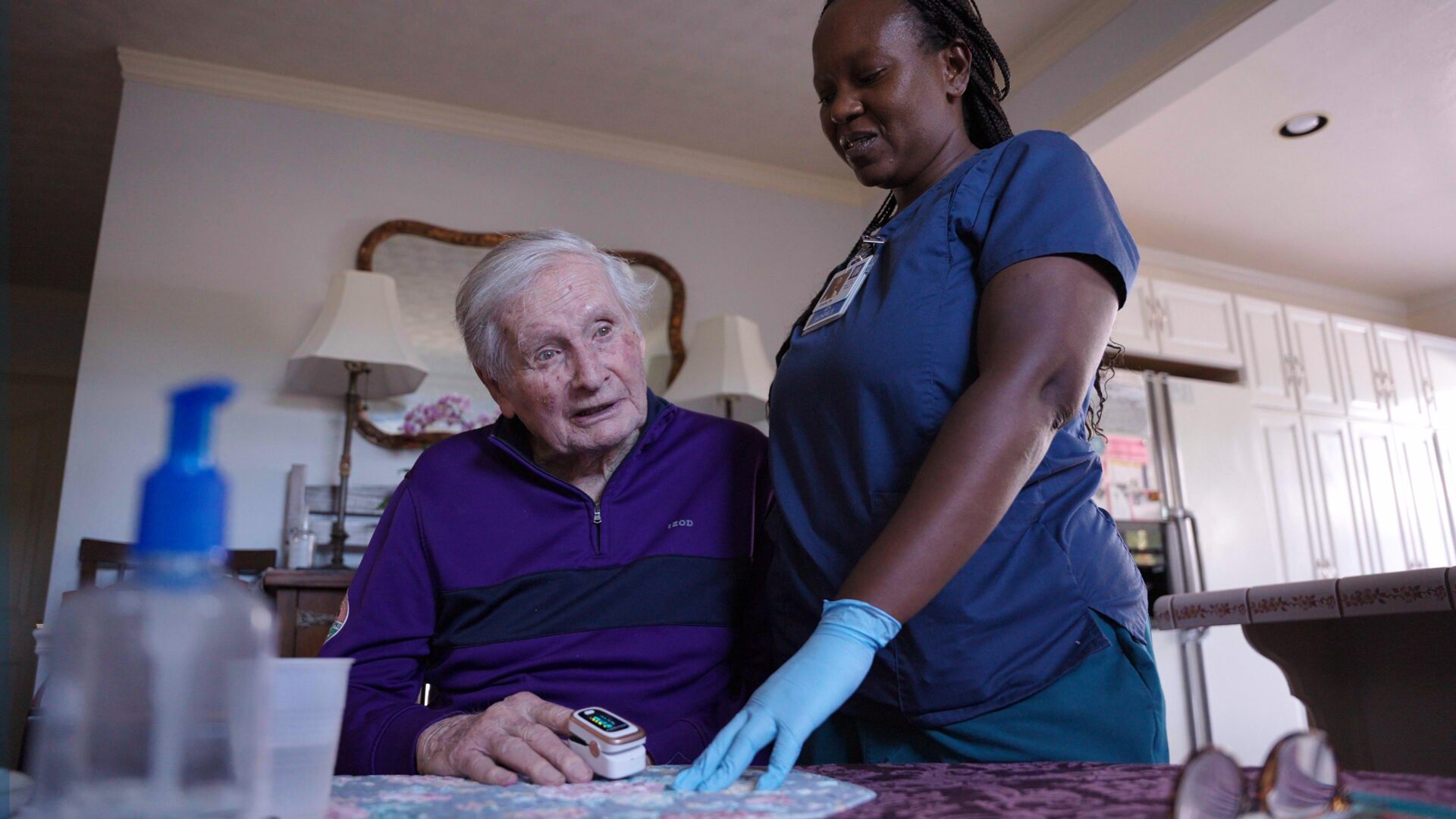
At Central Coast VNA & Hospice, we offer in-home heart failure management, including:
- Monitoring vital signs and symptoms to detect early complications.
- Medication management to ensure proper adherence.
- Nutritional guidance to help with heart-healthy meal planning.
- Education and support for patients and caregivers.
Choosing a comprehensive heart failure care program ensures the best long-term outcomes for patients.
Benefits of Professional Heart Failure Care
Improved Quality of Life
- Symptom relief and better daily functioning
- Fewer hospitalizations due to proactive management
- Enhanced emotional well-being through support networks
Personalized and Compassionate Support
- Customized treatment plans tailored to individual needs
- Access to trained nurses and caregivers for ongoing monitoring
- Educational resources for patients and families
Receiving professional care ensures that patients receive consistent, expert guidance, leading to better health outcomes.
Choosing the Right Heart Failure Care Provider in Monterey, CA
Key Factors to Consider
When selecting a provider, look for:
- Experience and credentials of the healthcare team
- Range of services offered, including in-home care
- Accessibility and patient-centered approach
- Insurance and affordability considerations
At Central Coast VNA & Hospice, we prioritize compassionate, high-quality care tailored to the needs of each patient.
Related Questions About Heart Failure Treatment
1. How long can you live with heart failure?
With proper management, many individuals live for years with heart failure, maintaining an active and fulfilling life.
2. Is heart failure treatment covered by insurance?
Most insurance plans cover heart failure treatment, but coverage varies. Check with your provider for details.
3. What dietary changes help manage heart failure?
A low-sodium diet rich in fruits, vegetables, lean proteins, and whole grains can support heart health.
4. Can heart failure be reversed?
While heart failure is typically chronic, proper treatment can improve heart function and slow progression.
5. What’s the role of hospice in heart failure care?
For advanced cases, hospice provides comfort-focused care, ensuring dignity and quality of life.
FAQs About Heart Failure Treatment
Q: What are the warning signs that heart failure is worsening?
A: Increased shortness of breath, swelling, sudden weight gain, and persistent fatigue may indicate worsening heart failure.
Q: Can heart failure patients exercise?
A: Yes, moderate activity like walking or yoga can improve heart health, but always consult a doctor first.
Q: What role does stress play in heart failure?
A: High stress levels can worsen symptoms. Stress management techniques like meditation and deep breathing can help.
Q: Are there alternative therapies for heart failure?
A: Some patients find benefits from acupuncture, massage therapy, and dietary supplements, but always discuss with a healthcare provider.
Q: How does in-home care help heart failure patients?
A: In-home care offers personalized monitoring, medication management, and emotional support, reducing hospital visits.
Take Action - Get Expert Heart Failure Care Today
Managing heart failure requires a comprehensive, patient-centered approach. At Central Coast VNA & Hospice, we provide expert heart failure care in Monterey, CA, ensuring you or your loved one receives the best possible treatment.
👉 Contact us today at 831-372-6668 or visit ccvna.com to learn more about our heart failure care services.

Navigate Your New Normal with 3 Lifestyle Changes for Effective Heart Failure Management
Living with heart failure can be a challenge, but with the right lifestyle changes, you can effectively manage your condition and navigate your new normal. By understanding heart failure and its impact on daily life, accepting your new reality, and implementing key lifestyle modifications, you can improve your heart health and overall quality of life. In this article, we will explore five essential lifestyle changes that can make a significant difference in your heart failure management.
Understanding Heart Failure: A Brief Overview
Heart failure is a chronic condition in which the heart is unable to pump enough blood to meet the body's needs. It can result from various factors, such as underlying heart disease, high blood pressure, or damaged heart valves. Common symptoms include shortness of breath, fatigue, and fluid retention.
While heart failure cannot be cured, proper management can help control symptoms and slow down its progression. Lifestyle changes play a crucial role in managing heart failure and improving overall heart health.
The Impact of Heart Failure on Daily Life
Living with heart failure can significantly impact one's daily life. Simple tasks that were once effortless may now require extra effort and attention. Activities like climbing stairs, carrying groceries, or even getting dressed can become challenging. The fatigue and shortness of breath experienced can be both physically and emotionally exhausting.
Heart failure can also disrupt your ability to engage in your favorite hobbies and activities. Imagine not being able to go for a leisurely bike ride or play a game of tennis with friends. These limitations can be frustrating and disheartening. However, it's important to acknowledge the impact heart failure can have on your life and make the necessary adjustments to adapt and manage your condition effectively.
With the right support and resources, many individuals with heart failure are able to find alternative ways to enjoy their hobbies and stay active. For example, swimming can be a great low-impact exercise option that puts less strain on the heart while still providing a cardiovascular workout. Additionally, joining support groups or participating in cardiac rehabilitation programs can help individuals connect with others facing similar challenges and learn coping strategies.
The Importance of Lifestyle Changes in Heart Failure Management
Lifestyle changes are an integral part of heart failure management. They help minimize symptoms, prevent complications, and improve overall well-being. By making these changes, you take control of your health and enhance your quality of life.
One important lifestyle change is maintaining a heart-healthy diet. This means consuming a variety of nutrient-rich foods, such as fruits, vegetables, whole grains, lean proteins, and healthy fats. Limiting sodium intake is also crucial, as excessive sodium can lead to fluid retention and worsen heart failure symptoms. Working with a registered dietitian can provide personalized guidance and meal planning to ensure you're making the best choices for your heart.
In addition to a healthy diet, regular physical activity is essential. Engaging in moderate-intensity exercises, such as brisk walking or cycling, for at least 150 minutes per week can help strengthen the heart and improve overall cardiovascular fitness. It's important to consult with your healthcare provider before starting any exercise program to ensure it is safe and appropriate for your individual condition.
Other lifestyle changes that can make a difference include managing stress levels, quitting smoking if you're a smoker, and limiting alcohol consumption. Stress can have a negative impact on heart health, so finding healthy ways to cope, such as practicing relaxation techniques or engaging in hobbies you enjoy, is important. Smoking and excessive alcohol intake can both contribute to heart disease and worsen heart failure symptoms, so quitting smoking and drinking in moderation are crucial steps towards better heart health.
By incorporating these lifestyle changes into your daily routine, you can optimize your heart failure management and improve your overall well-being. Remember, small steps can lead to significant improvements, and you don't have to face heart failure alone. Reach out to your healthcare team for guidance and support as you navigate this journey.
Accepting Your New Normal
Coming to terms with your heart failure diagnosis is crucial for effective management. Acceptance allows you to move forward and take the necessary steps to improve your health and well-being. Embracing your new normal can be challenging, but it sets the foundation for positive lifestyle changes.
When faced with a heart failure diagnosis, it's natural to experience a range of emotions, including fear, uncertainty, and even grief. It's important to give yourself the time and space to process these feelings and come to a place of acceptance. Remember, accepting your new normal doesn't mean giving up hope; rather, it signifies a shift towards proactive self-care and a commitment to living your best life despite the challenges.
Embracing Change for Better Health
Adopting a positive mindset and embracing the necessary changes is vital for heart health management. Recognize that these changes are not restrictions but opportunities to improve your overall well-being. By adopting a proactive approach, you can navigate your new normal with confidence and resilience.
Embracing change is a journey that involves small, consistent steps towards a healthier lifestyle. Whether it's incorporating more physical activity into your daily routine, making mindful dietary choices, or prioritizing stress management techniques, each positive change contributes to your overall well-being. Remember, every effort you make towards better health is a step in the right direction.
The Role of Positivity and Acceptance in Heart Failure Management
Maintaining a positive attitude is key to effectively managing heart failure. Positivity helps reduce stress, improve mental health, and enhance overall well-being. Acceptance of your condition also allows you to stay focused on implementing lifestyle changes and seeking necessary medical support.
Positivity and acceptance go hand in hand in the journey of heart failure management. By cultivating a positive outlook, you empower yourself to face the challenges ahead with resilience and determination. Remember, you are not alone in this journey, and with the right mindset and support system, you can navigate the complexities of heart failure management with strength and grace.
Lifestyle Change 1: Adopting a Heart-Healthy Diet
A heart-healthy diet is essential for heart failure management. A diet rich in fruits, vegetables, whole grains, lean proteins, and low-fat dairy products can help you maintain a healthy weight, control blood pressure, and manage cholesterol levels.
When it comes to adopting a heart-healthy diet, it's not just about what you eat but also how you prepare your meals. Cooking methods such as grilling, baking, or steaming can help retain the nutrients in your food while minimizing the use of added fats. Additionally, incorporating plant-based oils like olive oil can provide healthy fats that are beneficial for heart health.
The Basics of a Heart-Healthy Diet
A heart-healthy diet emphasizes consuming nutrient-dense foods while limiting sodium, saturated fats, and added sugars. Focus on incorporating fresh, unprocessed foods and be mindful of portion sizes. Opt for lean proteins like poultry and fish, and include a variety of colorful fruits and vegetables in your meals.
Hydration plays a crucial role in heart health. Alongside a balanced diet, staying well-hydrated by drinking an adequate amount of water throughout the day can support overall cardiovascular function and help maintain healthy blood pressure levels.
Tips for Implementing Dietary Changes
Implementing dietary changes can be challenging, but with a few simple tips, you can make it easier. Start by gradually incorporating healthier food choices into your meals. Experiment with herbs and spices to add flavor without relying on excessive salt. Plan your meals in advance and involve your healthcare team or a registered dietitian for guidance and support.
In addition to focusing on what you eat, paying attention to when you eat can also impact heart health. Eating smaller, more frequent meals throughout the day can help prevent overeating and support better digestion, ultimately contributing to overall heart health.
Lifestyle Change 2: Incorporating Regular Exercise
Regular exercise is crucial for heart health and managing heart failure. Exercise strengthens the heart muscle, improves circulation, and enhances overall cardiovascular fitness. However, it's essential to approach exercise with caution and follow guidelines suited to your specific health condition.
Safe and Effective Exercises for Heart Failure Patients
When it comes to exercise for heart failure management, it's important to start slowly and gradually increase intensity and duration. Low-impact exercises such as walking, swimming, cycling, and light strength training can be suitable for most heart failure patients. Always consult your healthcare provider before starting an exercise routine to ensure it's safe and appropriate for you.
Setting Realistic Exercise Goals
Setting realistic exercise goals helps keep you motivated and accountable. Start by identifying activities you enjoy and incorporate them into your routine. Gradually increase the duration and intensity of your workouts as your fitness level improves. Remember to listen to your body and pace yourself accordingly.
Lifestyle Change 3: Managing Stress and Emotions
Stress and emotional well-being play a significant role in heart failure management and treatment. Chronic stress can contribute to increased blood pressure and heart rate, potentially exacerbating heart failure symptoms.
The Connection Between Stress and Heart Health
Stress impacts the body in various ways and can have detrimental effects on heart health. Being mindful of stress triggers and finding healthy coping mechanisms is essential for effective heart failure management. Taking steps to manage stress can also positively impact other areas of your life, including sleep quality and overall well-being.
Techniques for Stress Management
Various techniques can help manage stress and promote emotional well-being. Practice deep breathing exercises, engage in relaxation techniques such as yoga or meditation, and ensure you allocate time for activities that bring you joy and relaxation. Seeking support from friends, family, or a mental health professional can also make a notable difference in managing stress and emotions.
Celebrating Heart Health Month With 3 Steps to Better Cardiovascular Health
February is Heart Health Month, a time to focus on taking care of your cardiovascular health. With heart disease being the leading cause of death worldwide, it's crucial to understand the importance of maintaining a healthy heart. In this article, we will explore the history and purpose of Heart Health Month, the connection between this awareness month and cardiovascular wellness, and provide you with three steps to better heart health.
Understanding the Importance of Heart Health Month
Heart Health Month, also known as American Heart Month, was established to raise awareness about heart disease and encourage individuals to take proactive steps towards cardiovascular wellness. It serves as a reminder for all of us to prioritize our heart health and make positive lifestyle changes.
Heart disease is the leading cause of death worldwide, accounting for millions of deaths each year. It encompasses a range of conditions, including coronary artery disease, heart attacks, and heart failure. The good news is that many of these conditions can be prevented or managed through lifestyle modifications and early detection.
During Heart Health Month, various organizations, healthcare professionals, and communities come together to educate the public about the risks of heart disease and the importance of preventive measures. They organize events, workshops, and campaigns to spread awareness and provide resources for individuals to make healthier choices.
The History and Purpose of Heart Health Month
Heart Health Month was first observed in February 1963, thanks to a proclamation by President Lyndon B. Johnson. Since then, it has become an annual initiative to educate people about the risks of heart disease and the importance of preventive measures. The goal is to reduce the prevalence of cardiovascular diseases by encouraging individuals to make healthier choices.
Heart Health Month coincides with Valentine's Day, a day dedicated to love and affection. This connection serves as a reminder that taking care of our hearts is an act of self-love and a way to show love to our loved ones. It emphasizes the importance of maintaining a healthy heart not only for ourselves but also for the people we care about.
Throughout the years, Heart Health Month has gained significant recognition and support from various organizations, including the American Heart Association, medical institutions, and government agencies. Their collaborative efforts have helped raise awareness and improve cardiovascular health outcomes.
The Connection Between Heart Health Month and Cardiovascular Wellness
Heart Health Month plays a vital role in raising awareness about cardiovascular diseases and promoting heart-healthy habits. By highlighting the importance of a healthy heart and providing valuable information, it empowers individuals to make informed choices in their daily lives.
During this month, individuals are encouraged to adopt heart-healthy habits such as regular exercise, maintaining a balanced diet, managing stress, and avoiding tobacco use. These lifestyle changes can significantly reduce the risk of heart disease and improve overall cardiovascular wellness.
Heart Health Month also serves as a reminder to prioritize regular check-ups and screenings to detect any potential issues early. Regular visits to healthcare professionals allow for the monitoring of blood pressure, cholesterol levels, and other risk factors associated with heart disease. Early detection and intervention can prevent the progression of heart disease and improve outcomes.
Furthermore, Heart Health Month provides an opportunity for individuals to learn about the warning signs of heart disease and how to respond in case of an emergency. Knowledge of CPR (cardiopulmonary resuscitation) and the use of automated external defibrillators (AEDs) can save lives in critical situations.
By actively participating in Heart Health Month activities and incorporating heart-healthy practices into our lives, we can contribute to the overall improvement of cardiovascular wellness in our communities. Together, we can make a significant impact in reducing the burden of heart disease and promoting a healthier future for all.
The Basics of Cardiovascular Health
Before we dive into the three steps to better cardiovascular health, let's discuss the fundamentals of maintaining a healthy heart.
When it comes to cardiovascular health, it is essential to understand the role of the cardiovascular system in your body. The cardiovascular system consists of the heart, blood vessels, and blood. Its primary function is to transport oxygen and nutrients to all organs and tissues, ensuring their proper functioning. By pumping blood throughout the body, the heart supplies oxygen and nutrients while removing waste products.
Now that we have a better understanding of the cardiovascular system, let's explore the common cardiovascular diseases and their impact on our health.
The Role of the Cardiovascular System in Your Body
The cardiovascular system plays a vital role in maintaining overall health and well-being. It is responsible for delivering oxygen and nutrients to every cell in the body, ensuring their proper functioning. Without a healthy cardiovascular system, the body's organs and tissues would not receive the necessary resources to perform their functions optimally.
When the heart contracts, it pumps oxygen-rich blood to the rest of the body through a network of blood vessels. These blood vessels, including arteries, veins, and capillaries, act as highways, transporting blood to various organs and tissues. The arteries carry oxygenated blood away from the heart, while veins bring deoxygenated blood back to the heart for oxygenation.
The heart, being the central organ of the cardiovascular system, plays a crucial role in maintaining blood flow. It consists of four chambers: two atria and two ventricles. The atria receive blood from the body and lungs, while the ventricles pump blood out to the rest of the body. This continuous pumping action ensures that oxygen and nutrients reach every cell, while waste products are efficiently removed.
Common Cardiovascular Diseases and Their Impact
Unfortunately, cardiovascular diseases are prevalent and can have a significant impact on our health and well-being. These diseases encompass a range of conditions that affect the heart and blood vessels.
One of the most common cardiovascular diseases is coronary artery disease. It occurs when the arteries that supply blood to the heart become narrow or blocked due to the buildup of plaque. This can lead to chest pain, heart attacks, and even heart failure if left untreated.
Heart failure is another cardiovascular disease that affects the heart's ability to pump blood effectively. It occurs when the heart becomes weak or damaged, leading to a reduced blood flow to the rest of the body. This can result in fatigue, shortness of breath, and fluid retention.
Stroke is a severe cardiovascular disease that occurs when the blood supply to the brain is interrupted or reduced. It can lead to permanent brain damage and even death. Common symptoms of a stroke include sudden weakness or numbness on one side of the body, difficulty speaking or understanding speech, and severe headaches.
Arrhythmias, or irregular heart rhythms, are also common cardiovascular diseases. They can cause the heart to beat too fast, too slow, or irregularly. This can disrupt the normal blood flow and lead to various symptoms, such as palpitations, dizziness, and fainting.
The impact of these cardiovascular diseases can be severe, leading to disability and increased mortality rates. It is crucial to prioritize cardiovascular health and take steps to prevent these conditions through lifestyle modifications and regular medical check-ups.
Step 1: Adopting a Heart-Healthy Diet
One of the key steps to improving cardiovascular health is adopting a heart-healthy diet.
Foods to Include in Your Diet for Better Heart Health
Incorporating certain foods into your meals can significantly benefit your heart health. These include fruits and vegetables, whole grains, lean proteins, and sources of healthy fats like avocados and nuts. Consuming a variety of nutrient-rich foods provides essential vitamins and minerals for optimal cardiovascular function.
Foods to Avoid for Optimal Cardiovascular Health
While there are foods that are beneficial for heart health, it is equally important to reduce the consumption of certain items. Processed foods high in trans fats, saturated fats, and added sugars should be limited as they contribute to an increased risk of heart disease. Monitoring sodium intake is also important for managing blood pressure levels.
Step 2: Incorporating Regular Exercise into Your Routine
Regular physical activity is a cornerstone of cardiovascular health.
The Benefits of Exercise for Cardiovascular Health
Engaging in regular exercise offers numerous benefits for your heart. It helps maintain a healthy weight, lowers blood pressure, improves circulation, and reduces the risk of developing heart diseases. Exercise also promotes the release of endorphins, which can help alleviate stress and enhance overall well-being.
Recommended Types of Exercise for Heart Health
To improve cardiovascular health, it is recommended to engage in aerobic exercises like brisk walking, jogging, swimming, or cycling. Aim for at least 150 minutes of moderate-intensity aerobic activity each week, combined with strength training exercises two or more days a week to further enhance your heart health.
Step 3: Managing Stress for Heart Health
Stress has a significant impact on cardiovascular health and should not be underestimated.
The Link Between Stress and Cardiovascular Disease
Chronic stress can contribute to the development and progression of cardiovascular diseases. It can elevate blood pressure, disrupt heart rhythm, and increase the risk of heart attacks. Managing stress is essential for maintaining heart health.
Effective Stress Management Techniques for Heart Health
There are various stress management techniques that can positively impact your cardiovascular health. These include deep breathing exercises, meditation, yoga, regular exercise, adequate sleep, and engaging in activities that bring you joy and relaxation. Finding healthy outlets to manage stress can significantly reduce its negative impact on your heart.
In conclusion, Heart Health Month provides an opportunity to focus on cardiovascular wellness. By understanding the importance of maintaining heart health, you can take proactive steps towards a healthier and stronger heart. By adopting a heart-healthy diet, incorporating regular exercise into your routine, and managing stress effectively, you can pave the way to better cardiovascular health. Celebrate Heart Health Month by prioritizing your heart and embracing these three steps to improve your overall well-being.
Navigate End-Stage Cardiac Care for Your Loved One with These 4 Empowering Insights
Understanding End-Stage Cardiac Care
When a loved one is facing end-stage cardiac disease, it can be overwhelming and confusing. Understanding the basics of end-stage cardiac care is crucial to providing the best support and advocacy.
End-stage cardiac disease refers to the advanced stage of heart disease where treatments are no longer able to provide a cure. It is important to recognize the signs and symptoms of end-stage cardiac disease, such as severe shortness of breath, fatigue, and fluid retention.
During this stage, the heart's ability to pump blood effectively is significantly reduced, causing a decline in overall health and quality of life. It is essential to work closely with healthcare professionals to understand the prognosis and available treatment options.
End-stage cardiac disease can have a profound impact on both the individual and their loved ones. It is a time filled with uncertainty and emotional distress. However, it is important to remember that there are resources and support systems available to help navigate this challenging journey.
The Role of Palliative Care in Cardiac Disease
Palliative care is a specialized form of medical care aimed at improving the quality of life for individuals with serious illnesses, including end-stage cardiac disease. It focuses on managing symptoms, providing emotional support, and enhancing overall well-being.
Integrating palliative care into end-stage cardiac care can help address pain, breathlessness, anxiety, and depression. It is important to discuss with healthcare providers the possibility of palliative care involvement to ensure comprehensive support for your loved one.
Palliative care teams consist of healthcare professionals, such as doctors, nurses, social workers, and counselors, who work together to provide holistic care. They collaborate with the patient, their family, and other healthcare providers to develop a personalized care plan that aligns with the individual's goals and values.
One of the key benefits of palliative care is its focus on open communication and shared decision-making. The palliative care team ensures that patients and their families are well-informed about the available treatment options, potential risks, and benefits. This empowers individuals to make informed choices that align with their values and preferences.
In addition to symptom management and emotional support, palliative care also addresses the spiritual and psychosocial needs of individuals with end-stage cardiac disease. This comprehensive approach recognizes the importance of addressing the whole person, not just their physical symptoms.
It is important to note that palliative care is not limited to end-of-life care. It can be provided alongside curative treatments and is available at any stage of a serious illness. By integrating palliative care early on in the management of end-stage cardiac disease, individuals can experience an improved quality of life and better symptom control.
Conclusion
Understanding end-stage cardiac care is essential for providing optimal support and advocacy for loved ones facing this challenging stage of heart disease. Recognizing the signs and symptoms, exploring the role of palliative care, and engaging in open communication with healthcare professionals can help ensure comprehensive and compassionate care for individuals with end-stage cardiac disease.
Empowering Insight 1: Advocating for Your Loved One
Being an advocate for your loved one is crucial in navigating end-stage cardiac care. Effective communication and active involvement in medical discussions and decisions can significantly impact their overall well-being.
The Importance of Communication in Care
Open and honest communication with your loved one's healthcare team is essential for ensuring that their needs and wishes are heard and addressed. Regularly discussing their symptoms, concerns, and treatment options can help tailor the care plan to their specific needs.
Furthermore, it is important to establish a strong rapport with the healthcare professionals involved in your loved one's care. Building trust and fostering a collaborative relationship can enhance the effectiveness of communication and promote a more comprehensive understanding of your loved one's condition.
Moreover, effective communication extends beyond the healthcare team. Engaging in open dialogue with your loved one and other family members can provide emotional support and foster a sense of unity during this challenging time. By sharing information and updates, you can ensure that everyone is on the same page regarding your loved one's health status and any changes in their care plan.
Navigating Medical Discussions and Decisions
When faced with complex medical discussions and decisions, it is essential to gather as much information as possible. Seek clarification from healthcare professionals about the risks and benefits of different treatment options.
Additionally, consider seeking a second opinion from another qualified healthcare provider. This can provide you with a broader perspective and help you make more informed decisions about your loved one's care.
Furthermore, understanding your loved one's goals and preferences is crucial in making decisions that align with their wishes. Engage in thoughtful conversations with them, taking into account their quality of life, comfort, and personal values. By involving your loved one in these discussions, you empower them to actively participate in decisions regarding their care.
It is also important to be aware of any legal documents, such as advance directives or living wills, that your loved one may have in place. These documents outline their healthcare preferences and can serve as a guide when making decisions on their behalf.
Remember, advocating for your loved one involves being their voice and ensuring that their best interests are always at the forefront of medical discussions and decisions. By actively participating in their care, you can help improve their overall well-being and provide them with the support they need during this challenging time.
Empowering Insight 2: Understanding Medications and Treatments
Knowing the medications and treatments commonly used in end-stage cardiac care can help you better understand their purpose and potential side effects.
When it comes to end-stage cardiac care, medications play a crucial role in managing symptoms, improving heart function, and preventing complications. Three commonly prescribed medications in this context are diuretics, beta-blockers, and ACE inhibitors.
Diuretics, also known as water pills, help the body get rid of excess fluid, reducing swelling and relieving symptoms such as shortness of breath. These medications work by increasing urine production, which helps decrease the workload on the heart.
Beta-blockers, on the other hand, work by blocking the effects of adrenaline, a hormone that increases heart rate and blood pressure. By slowing down the heart rate and reducing the force of contractions, beta-blockers help improve heart function and decrease the workload on the heart.
ACE inhibitors, short for angiotensin-converting enzyme inhibitors, are medications that relax blood vessels, making it easier for the heart to pump blood. They also help reduce the levels of certain hormones that can contribute to heart failure. By improving blood flow and reducing strain on the heart, ACE inhibitors can significantly improve symptoms and overall quality of life.
While these medications can be highly effective, it's important to be aware of their potential side effects. Diuretics, for example, can cause electrolyte imbalances, leading to low potassium levels. Beta-blockers may cause fatigue, dizziness, or even depression in some individuals. ACE inhibitors can sometimes lead to a persistent dry cough or low blood pressure.
Common Medications for End-Stage Cardiac Care
Medications such as diuretics, beta-blockers, and ACE inhibitors are commonly prescribed to manage symptoms, improve heart function, and prevent complications. Understanding how these medications work and their potential side effects can help you support your loved one in adhering to their prescribed regimen.
It's important to note that every individual may respond differently to these medications, and healthcare professionals closely monitor their effects to ensure optimal results. Regular check-ups and open communication with the healthcare team are essential to address any concerns or adjust the treatment plan if necessary.
Non-Medical Therapies and Their Role
In addition to medications, non-medical therapies can play a significant role in managing symptoms and improving overall well-being. These therapies focus on lifestyle modifications and complementary approaches that can complement the medical treatment plan.
Lifestyle modifications, such as dietary changes and exercise, are key components of non-medical therapies. A heart-healthy diet, low in sodium and saturated fats, can help reduce fluid retention and maintain a healthy weight. Regular exercise, under the guidance of healthcare professionals, can improve cardiovascular fitness, strengthen the heart, and enhance overall well-being.
Complementary therapies, such as acupuncture or relaxation techniques, can also provide additional support in end-stage cardiac care. Acupuncture, an ancient practice originating from traditional Chinese medicine, involves the insertion of thin needles into specific points on the body to promote healing and balance. Relaxation techniques, such as deep breathing exercises or meditation, can help reduce stress, lower blood pressure, and improve overall mental and emotional well-being.
Discuss with healthcare professionals the potential benefits and risks of non-medical therapies to determine which ones may be appropriate for your loved one's specific situation. They can provide guidance based on the individual's overall health, preferences, and any potential interactions with medications.
Remember, a comprehensive approach that combines both medical and non-medical therapies can provide the best outcomes in end-stage cardiac care. By understanding the medications and treatments available, as well as the potential benefits of non-medical therapies, you can actively support your loved one's journey towards improved heart health and well-being.
Empowering Insight 3: Managing Symptoms and Comfort
End-stage cardiac care often involves managing symptoms and ensuring your loved one's comfort. Recognizing and addressing pain and other discomforts are essential in providing the best possible care.
Recognizing and Addressing Pain
Pain is a common symptom in end-stage cardiac disease, and it can significantly impact your loved one's quality of life. Pay close attention to any signs of pain or discomfort they may exhibit and communicate this information to their healthcare team.
Together with healthcare professionals, you can develop a pain management plan that may include medications, relaxation techniques, and other interventions to alleviate pain and improve overall comfort.
Ensuring Comfort and Quality of Life
In addition to pain management, other measures can help ensure your loved one's comfort. These may include optimizing their living environment, providing emotional and psychological support, and involving them in activities they enjoy.
By focusing on their comfort and quality of life, you can help create a nurturing and supportive environment that promotes overall well-being.
Empowering Insight 4: Emotional and Psychological Support
End-stage cardiac disease not only affects the physical health of your loved one but can also take a toll on their emotional and psychological well-being. Providing support in these areas is crucial for their overall care.
Dealing with Emotional Challenges
Witnessing your loved one's decline in health can be emotionally challenging for both them and you. It is important to acknowledge and address these emotions, seeking support from friends, family, or mental health professionals when needed.
Encouraging open communication and allowing your loved one to express their fears, anxieties, and hopes can help them cope with the emotional challenges they may face during end-stage cardiac care.
The Role of Mental Health in Cardiac Care
Mental health plays a significant role in overall well-being, especially when dealing with end-stage cardiac disease. Consider seeking support from mental health professionals who can help address anxiety, depression, and other psychological factors that may arise during this challenging time.
By prioritizing mental health, you can support your loved one in maintaining a positive outlook, reducing stress, and enhancing their overall emotional well-being.
By understanding the basics of end-stage cardiac care, advocating for your loved one, and understanding medications, treatments, and symptom management, you can navigate the challenges of end-stage cardiac care more effectively. Additionally, providing emotional and psychological support is integral to fostering their overall well-being during this difficult time. Remember, being an active participant in your loved one's care journey can make a significant difference in their comfort, quality of life, and final moments.

The 7 Most Common Palliative Care Questions Addressed
Palliative care is a topic that is often misunderstood and surrounded by misconceptions. In this article, we aim to address the nine most common palliative care questions to provide clarity and understanding to those who may be seeking this type of care for themselves or their loved ones.
Understanding Palliative Care
Palliative care is a specialized approach to providing care for individuals with serious illnesses. Its main focus is to improve the quality of life for patients and their families by addressing physical, emotional, and spiritual needs.
When it comes to serious illnesses, the impact goes beyond just the physical symptoms. Patients often experience emotional distress, such as anxiety, depression, and fear. Palliative care recognizes the importance of addressing these emotional needs, providing support and counseling to help patients cope with the challenges they face.
In addition to addressing physical and emotional needs, palliative care also acknowledges the significance of spiritual well-being. For many individuals, spirituality plays a vital role in their lives, providing comfort and meaning. Palliative care professionals work closely with patients to understand their spiritual beliefs and provide the necessary support to nurture their spiritual well-being.
Defining Palliative Care
One of the most common palliative care questions, is that palliative care is often misunderstood as end-of-life care. However, it is important to note that palliative care is not restricted to individuals who are nearing the end of their lives. Rather, it can be implemented at any stage of a serious illness, regardless of the prognosis.
One of the key aspects of palliative care is its focus on holistic care. It takes into account the physical, emotional, and spiritual aspects of a patient's life, recognizing that all these elements are interconnected and contribute to their overall well-being. By addressing these different dimensions, palliative care aims to provide comprehensive support that goes beyond just managing symptoms.
Another important aspect of palliative care is its emphasis on open and honest communication. Palliative care professionals work closely with patients and their families to ensure that they are well-informed about their condition, treatment options, and potential outcomes. This shared decision-making process allows patients to actively participate in their care and make choices that align with their values and goals.
The Purpose of Palliative Care
The primary goal of palliative care is to provide relief from the symptoms and stresses that come with serious illnesses. It aims to improve the patient's overall well-being and support them in making informed decisions about their care. Palliative care also focuses on providing support to family members and loved ones during this challenging time.
By addressing physical symptoms such as pain, nausea, and shortness of breath, palliative care helps to enhance the patient's comfort and quality of life. This may involve the use of medications, therapies, and other interventions tailored to the individual's needs.
Furthermore, palliative care recognizes the importance of psychosocial support. Patients and their families often experience significant emotional and psychological distress when dealing with a serious illness. Palliative care professionals provide counseling, support groups, and other resources to help individuals navigate these challenges and maintain their mental well-being.
Lastly, palliative care acknowledges the crucial role of family and loved ones in the patient's care journey. It provides support and guidance to family members, helping them cope with the emotional and practical aspects of caregiving. By addressing the needs of both the patient and their loved ones, palliative care aims to create a supportive and compassionate environment for all those involved.
The Process of Palliative Care
The process of palliative care involves a multidisciplinary team of healthcare professionals who work together to provide holistic care. Palliative care is a specialized approach that focuses on improving the quality of life for patients facing serious illnesses. It aims to provide relief from symptoms, pain, and stress, while also addressing the emotional, social, and spiritual needs of the patient and their family.
When a patient's illness begins to impact their quality of life, palliative care can be initiated. This can happen at any point during the course of the illness, regardless of whether the patient is receiving curative treatments. Palliative care is not limited to end-of-life care; it can be provided alongside other treatments to help manage symptoms and improve overall well-being.
Initiation of Palliative Care
Palliative care can be initiated at any point during a patient's illness. It is often recommended when the symptoms of the illness begin to impact the patient's quality of life. Patients may experience physical symptoms such as pain, nausea, or shortness of breath, as well as emotional and psychological distress. Palliative care aims to alleviate these symptoms and improve the patient's comfort and well-being.
When palliative care is initiated, a comprehensive assessment is conducted to determine the patient's needs and goals. This assessment takes into account the physical, emotional, social, and spiritual aspects of the patient's life. The palliative care team works closely with the patient and their family to develop a personalized care plan that addresses their unique needs and preferences.
Throughout the course of the illness, the palliative care team provides ongoing support and guidance. They work collaboratively to ensure that the patient's physical symptoms are managed effectively, using a combination of medications, therapies, and other interventions. They also provide emotional support to help patients and their families cope with the challenges of living with a serious illness.
The Role of the Palliative Care Team
The palliative care team consists of healthcare professionals such as doctors, nurses, social workers, and chaplains, who work collaboratively to address the physical, emotional, and spiritual needs of the patient. Each member of the team brings a unique set of skills and expertise to provide comprehensive care.
Doctors play a crucial role in palliative care by managing the patient's medical needs. They assess and treat physical symptoms, prescribe medications, and coordinate with other healthcare providers to ensure that the patient receives the best possible care. Nurses provide hands-on care and support, monitoring the patient's symptoms, administering medications, and providing education and guidance to the patient and their family.
Social workers play an important role in palliative care by providing emotional support and counseling to patients and their families. They help patients navigate through the healthcare system, connect them with community resources, and assist with advance care planning. Chaplains provide spiritual support and guidance, respecting the patient's individual beliefs and values.
Together, the palliative care team works collaboratively to ensure that the patient's physical, emotional, and spiritual needs are addressed. They provide ongoing support and guidance to help patients and their families navigate through the complex healthcare system, make informed decisions, and find meaning and comfort in their journey.
Common Misconceptions about Palliative Care
There are several misconceptions surrounding palliative care that often prevent individuals from seeking this type of care when they need it the most. Let's debunk some of these myths.
Debunking Palliative Care Myths
One common myth is that palliative care is only for individuals with cancer. In reality, palliative care is available for individuals with any serious illness, such as heart disease, lung disease, or neurological conditions.
Palliative Care vs Hospice Care
Another misconception is that palliative care and hospice care are the same. While both focus on providing comfort and support, palliative care can be offered alongside curative treatments, whereas hospice care is typically provided when curative treatments are no longer pursued and end-of-life care is the primary focus.
Addressing the Most Common Palliative Care Questions
When Should Palliative Care Start?
Palliative care can start at any point after the diagnosis of a serious illness. It is not limited to the end stages of the disease. In fact, early initiation of palliative care has been shown to improve quality of life and patient outcomes.
Who Provides Palliative Care?
Palliative care is provided by a team of healthcare professionals, as mentioned earlier. The team works together to provide comprehensive care that addresses the physical, emotional, and spiritual needs of the patient.
Is Palliative Care Only for the Elderly?
Contrary to popular belief, palliative care is not just for the elderly. It is suitable for individuals of any age who are facing a serious illness. The focus of palliative care is on improving the quality of life and providing support regardless of the age of the patient.
Can Palliative Care Happen at Home?
Yes, palliative care can be provided in various settings, including the patient's home. Home-based palliative care allows patients to receive the necessary support and care in the comfort of their own familiar surroundings.
How is Pain Managed in Palliative Care?
Pain management is a crucial aspect of palliative care. The palliative care team works closely with patients to develop an individualized plan for managing pain and other symptoms. Medications, therapies, and non-pharmacological interventions are utilized to ensure optimal pain relief and comfort.
Does Insurance Cover Palliative Care?
Most health insurance plans cover palliative care services. However, it is advisable to check with your insurance provider to determine the specific coverage and any potential out-of-pocket expenses. Financial assistance programs may also be available for those who qualify.
Can Palliative Care Extend Life?
Palliative care is not aimed at curing the underlying illness. However, it can improve the patient's quality of life, manage symptoms effectively, and potentially extend their life by addressing their physical and emotional needs comprehensively.
In conclusion, palliative care plays a crucial role in providing support and improving the quality of life for individuals with serious illnesses. By addressing the nine most common questions surrounding palliative care, we hope to dispel misconceptions and provide clarity on the benefits and availability of this specialized form of care.
Top 7 Tips for Seniors to Maintain Wellness Amid Holiday Festivities
The holiday season is a joyous time, filled with family gatherings, delicious feasts, and cherished traditions. However, for seniors, it can also bring some health challenges. As we age, our bodies may become more susceptible to illnesses, and the hustle and bustle of the holidays can take a toll on our well-being. That's why it's crucial for seniors to prioritize their health during this festive time. In this article, we'll explore 7 essential tips to help seniors maintain wellness amid holiday festivities, ensuring a happy and healthy season.
1. Prioritize Hand Hygiene for Infection Prevention
With the colder months come the risk of colds and the flu, which can be especially concerning for seniors. One of the most effective ways to prevent illness is proper hand hygiene. Encourage seniors to wash their hands regularly with soap and warm water for at least 20 seconds, especially before meals and after being in public places. If soap and water are not available, they should use hand sanitizer with at least 60% alcohol.
2. Seniors Should Stay Updated with Flu Vaccinations
Getting an annual flu vaccine is one of the best defenses against influenza. Seniors should ensure they receive their flu shot before the holiday season kicks off.
Many healthcare providers and flu clinics in Monterey, recognizing the increased vulnerability of seniors to the flu, provide specialized vaccines that offer enhanced protection for this age group. By taking this proactive step and getting vaccinated early, seniors can significantly reduce their risk of falling ill during the holiday season, allowing them to fully enjoy the festivities with peace of mind.
3. Maintain a Balanced Diet
Amid all the tempting holiday treats, it's essential for seniors to maintain a balanced diet to support their overall health and well-being. Encourage them to load up on fruits and vegetables, which provide essential vitamins and minerals while being low in calories. Additionally, by limiting their consumption of sugary and high-sodium foods, they can effectively manage their blood pressure and blood sugar levels, contributing to a healthier and more enjoyable holiday season.
4. Stay Active, Even Indoors
Cold weather and busy schedules can make it challenging for seniors to stay active during the holiday season. However, it's important to emphasize that regular exercise remains crucial for maintaining their overall health and well-being. Encourage them to consider enjoyable indoor activities like yoga, gentle stretching routines, or even dancing to lively holiday tunes. Staying active not only helps keep their bodies in good shape but can also significantly boost their mood and energy levels, making the holiday season more enjoyable.
5. Get Sufficient Rest
Adequate sleep is not just a luxury but a fundamental requirement for maintaining health and well-being, especially for seniors. Encourage them to prioritize getting enough rest during the holiday season by establishing a regular sleep schedule and creating a peaceful bedtime routine. Emphasize that a good night's sleep can have a profound impact on their mood, cognitive function, and immune system function, enabling them to fully enjoy the festivities and stay in good health.
6. Manage Stress Through Relaxation Techniques
The holiday season can be stressful, with added pressures like gift shopping and social gatherings. Seniors should be encouraged to manage stress through relaxation techniques such as deep breathing exercises, meditation, or mindfulness. These practices can help reduce stress levels and promote mental clarity.
7. Stay Connected and Seek Support
For many seniors, the holidays can also be a lonely time. It's crucial to stay connected with loved ones and friends, even if it's through virtual means. Loneliness can contribute to poor health outcomes, so encourage seniors to reach out for support if needed.
In conclusion, seniors can enjoy a healthy and happy holiday season by prioritizing their well-being. These 7 tips, from maintaining good hand hygiene to managing stress, can make a significant difference in their health and overall enjoyment of the holidays. By staying proactive and making health-conscious choices, seniors can create lasting memories with their loved ones during this special time of year.
Remember that the holiday season is a time for celebrating, and it should be enjoyed to the fullest. By following these tips, seniors can navigate the festivities with confidence, knowing that they are taking steps to safeguard their health and make the most of this wonderful season.