
For many families on California's Central Coast, the word "hospice" can bring up feelings of fear. It is often associated with loss and the end of hope.
However, the reality of modern hospice care is vastly different. It is about maximizing the quality of life and providing compassionate support. As we look toward 2026, it is important to understand what hospice truly is.
Central Coast VNA & Hospice has served Monterey County, San Benito County, Santa Cruz County, and South Santa Clara County for over 74 years. We have seen how outdated beliefs can prevent families from accessing comfort and dignity. Misinformation can lead to delayed care and unnecessary suffering.
This article addresses the top 4 misconceptions about hospice with clear facts for 2026. We will debunk common myths to help you see hospice as care focused on living fully. Our goal is to empower you with knowledge to make informed decisions.
1. Myth: Hospice Means Giving Up
One of the most damaging views is that choosing hospice means surrendering. Many families believe enrolling a loved one means giving up hope. This could not be further from the truth.
Hospice care is a shift in focus, not an end to it. It moves away from aggressive treatments toward a philosophy of living comfortably. It is an active choice to prioritize dignity and meaningful moments.
The Reality: Hospice is About Living Well
Hospice is about living well, not giving up. Patients can receive hospice care for months. They have access to pain relief, emotional support, and personalized care at home.
At Central Coast VNA & Hospice, our focus is on comfort, dignity, and patient goals—not surrender. Our interdisciplinary team creates a care plan that honors what matters most. This is about redefining hope to focus on connection and peace.
Hospice is not the absence of hope. It is the practice of hoping for a peaceful passing, meaningful time with family, and a life free from pain.
What This Looks Like in Our Community
- A patient in Salinas with end-stage heart failure receives hospice care at home. A CCVNA Registered Nurse manages her pain. This allows her to spend afternoons gardening, an activity she loves.
- A Monterey County family was hesitant about hospice for their father. After enrolling, a Hospice Aide provided gentle personal care. A volunteer read to him, bringing moments of peace they thought were gone forever.
Ultimately, hospice empowers patients to live their final chapter on their own terms. To understand how our team provides this support, you can learn more about our hospice care services.
2. Myth: Hospice is Only for the Final Days
Many assume hospice is a last resort for the final days of life. This misconception can prevent people from receiving support when they need it most.
The fact is, hospice is designed to provide care for six months or longer, if the illness continues its expected course. Choosing it earlier means more time for families to connect meaningfully.
The Reality: Early Hospice Improves Quality of Life
Studies show that early hospice care results in better symptom control. For some patients, it may even lead to a longer life. The goal is to maximize quality of life for as long as possible.
When a patient enrolls sooner, our team has more time to manage symptoms. We can provide emotional and spiritual support to the entire family. This proactive approach adds life to days, not just days to life.
Hospice eligibility is based on a prognosis of six months or less, but the focus is always on the quality of each day, not counting them.
What This Looks Like in Our Community
- A man in Aptos with advanced COPD enrolls in hospice. Our team manages his breathing, allowing him to enjoy visits from his grandchildren without stressful hospital trips.
- A woman in Hollister with late-stage cancer begins hospice sooner. This gives her months of quality time with her family, free from the harsh side effects of curative treatments.
To see if you or a loved one might be eligible, you can learn more about our hospice eligibility requirements.
3. Myth: Hospice Means Leaving My Doctor
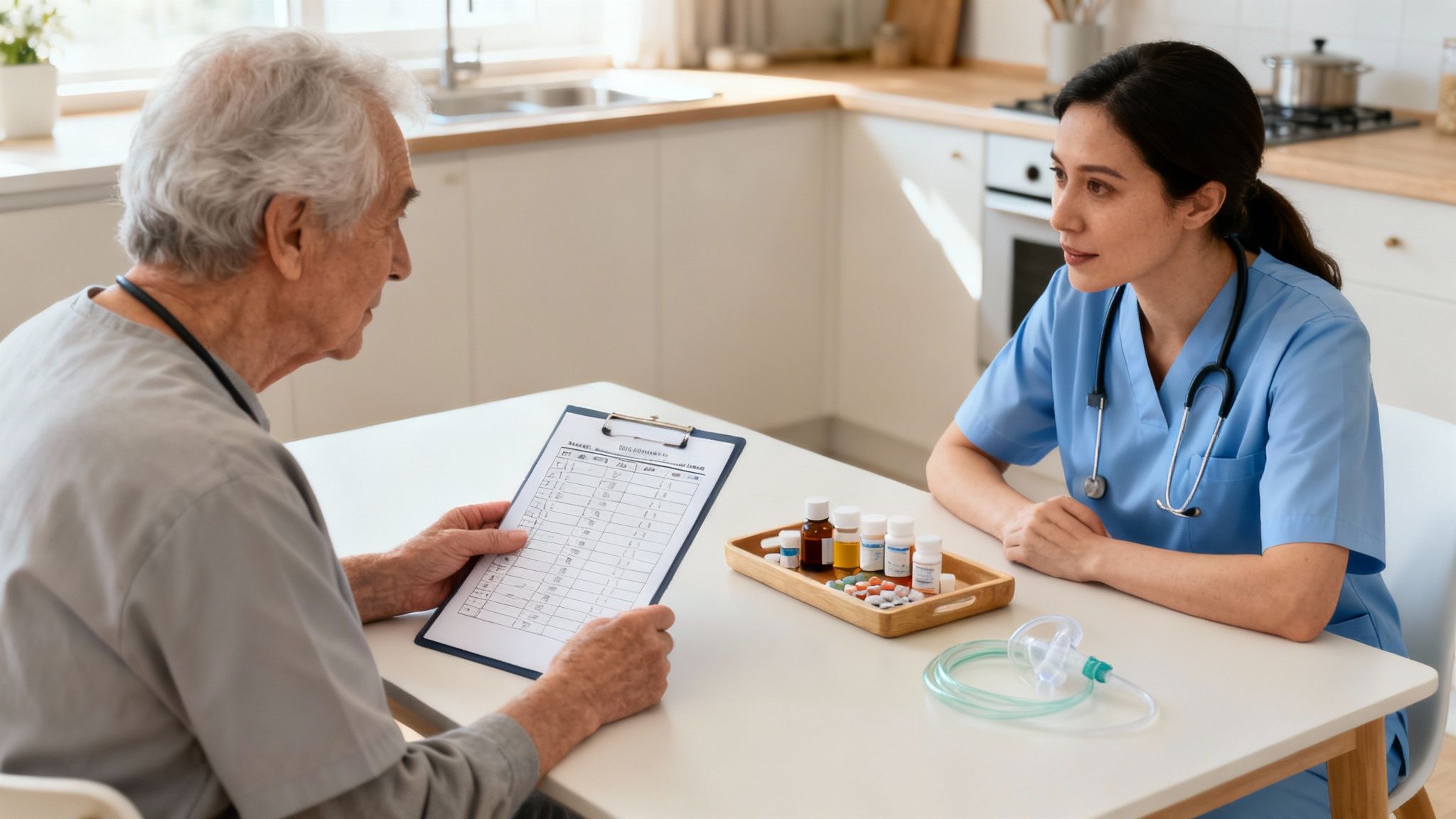
A common fear is that starting hospice means cutting ties with a trusted primary physician. This is not true. Patients can continue seeing their doctor while receiving hospice services.
Hospice care is designed to be a collaborative effort. Your doctor remains an important part of the care team.
The Reality: Hospice Care is Coordinated with Your Physician
At Central Coast VNA & Hospice, care is coordinated with your existing providers. Our team works alongside them to ensure a seamless experience. We value the relationship you have with your doctor.
We also provide a full interdisciplinary team. This includes a Registered Nurse, social workers, chaplains, Hospice Aides, and volunteers. This team adds an extra layer of support without replacing your primary doctor.
Hospice does not eliminate medical care; it re-centers it on the patient’s well-being. The question changes from "Can this cure me?" to "Will this improve my comfort today?"
What This Looks Like in Our Community
- A patient in Santa Cruz County continues to see her long-time family doctor for consultations. Our CCVNA hospice team communicates with the doctor to align the care plan.
- A man in San Benito County has a complex condition. His primary physician and our hospice medical director collaborate on his pain management plan.
Our approach ensures you get comprehensive, coordinated support. To learn more, you can learn more about our approach to hospice pain management.
4. Myth: Hospice is Only for Cancer Patients or Happens in a Facility
Two outdated beliefs often merge into one. People think hospice is only for cancer patients and that it takes place in a special building. Both of these ideas are incorrect.
In reality, most hospice care is delivered right at home. Hospice also supports people with many conditions, not just cancer.
The Reality: Hospice is for Many Illnesses, Wherever You Call Home
Hospice supports people with heart failure, dementia, COPD, ALS, and more. If someone is facing a life-limiting illness, hospice may be the right choice regardless of diagnosis.
Central Coast VNA & Hospice brings expert care to where patients feel most comfortable. This includes private homes, assisted living communities, and skilled nursing facilities. We serve patients across the Central Coast.
Hospice eligibility is based on prognosis, not diagnosis. It's about when a person needs comfort care, not just what illness they have.
What This Looks Like in Our Community
- An 85-year-old Hollister resident with advanced dementia receives hospice care at home. A CCVNA Hospice Aide helps with personal care to maintain his dignity.
- A 62-year-old in Santa Cruz with end-stage COPD lives in an assisted living facility. Our hospice team coordinates with facility staff to manage his breathing difficulties.
Ultimately, understanding the true scope of hospice empowers families to seek support. To learn more, you can learn more about our in-home hospice care.
Bringing Peace of Mind with Compassionate Hospice Care
Navigating end-of-life decisions is a profound challenge. By addressing the top 4 misconceptions about hospice, we can replace fear with clarity. The truth is that hospice is about choosing to live with dignity and comfort.
The most critical takeaway is that hospice is about living well. It reframes the journey from one of medical crisis to one of meaningful connection. This earlier access to support allows for better symptom management and more cherished time together.
Taking the Next Step with Confidence
Moving forward, the best action you can take is to start conversations early. Discussing wishes before a crisis occurs is invaluable. To bring peace of mind, it's essential to plan for future medical care with documents like healthcare directives.
For over 74 years, Central Coast VNA & Hospice has been the region's trusted nonprofit provider. We are deeply rooted in the communities of Monterey, San Benito, Santa Cruz, and South Santa Clara counties. Our compassionate teams are dedicated to honoring your wishes.
Confused about what hospice really is? Central Coast VNA & Hospice offers clear, compassionate guidance for families throughout Monterey, Santa Cruz, Salinas, Hollister, and nearby areas. Contact us to learn how hospice can bring peace—not fear—in 2026.
Ready to learn more about how hospice care can support your family? Visit us at VNA and Hospice to start the conversation today.
Frequently Asked Questions (FAQs)
1. How long can a person receive hospice care?
A patient is eligible for hospice with a prognosis of six months or less if the illness runs its normal course. However, care can continue for much longer than six months as long as a physician recertifies that the patient remains terminally ill.
2. Is hospice care covered by insurance?
Yes, hospice is covered by Medicare, Medicaid, and most private insurance plans. The Medicare Hospice Benefit is an all-inclusive package covering services, medications, and equipment related to the terminal illness, often with no out-of-pocket costs for the patient.
3. Where is hospice care provided?
The vast majority of hospice care is provided in the place the patient calls home. This can be a private residence, an assisted living facility, or a skilled nursing facility. Central Coast VNA & Hospice brings expert care directly to patients throughout Monterey, San Benito, Santa Cruz, and South Santa Clara counties.
4. What services does a hospice team provide?
A hospice team is interdisciplinary and includes a Registered Nurse, Hospice Aide, social worker, chaplain, and volunteers. They provide expert pain and symptom management, personal care assistance, emotional and spiritual support for the patient and family, and bereavement counseling.
5. Can I still see my own doctor if I am on hospice?
Absolutely. Hospice care is provided in collaboration with your primary physician. The Central Coast VNA & Hospice team will coordinate with your doctor to ensure your care plan aligns with your goals and needs.