
Understanding Home Health-A Comprehensive Care Guide
What Is Home Health and Why Does It Matter?
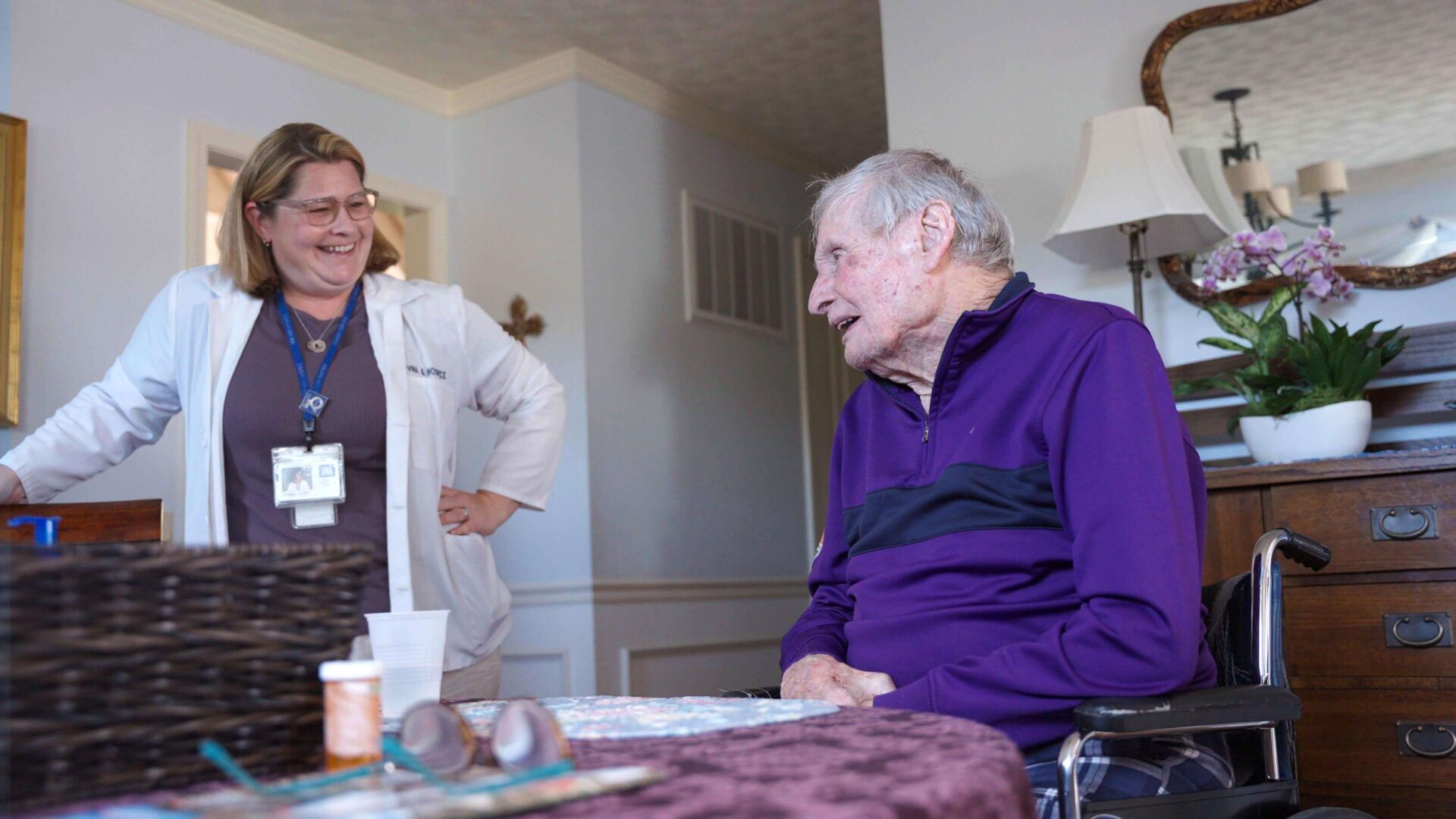
As individuals age or recover from illness, the need for quality health care at home becomes increasingly important. Understanding home health is crucial for families seeking compassionate, professional care for their loved ones. Home health care provides medical and therapeutic services in the comfort of one’s home, ensuring patients receive the personalized care they need without hospital visits.
At Central Coast VNA & Hospice, we specialize in providing top-tier home health services to patients across Monterey and surrounding areas. From skilled nursing to physical therapy, our dedicated team ensures each patient receives the highest level of care in familiar surroundings.
This guide will explore the challenges of home health, its benefits, and what to look for in a provider. Let’s dive into the essential aspects of understanding home health and how it improves patients' quality of life.
Common Challenges in Home Health Care
While home health care is an invaluable service, families often face challenges when deciding whether it is the right option. Here are some common concerns:
- Understanding Eligibility: Many people are unsure whether their loved one qualifies for home health services. Medicare and private insurance often cover home health under specific conditions, such as a physician’s order.
- Finding the Right Provider: Not all home health agencies offer the same level of care. It’s important to research providers to ensure they offer skilled nursing, therapy, and personal care services tailored to the patient’s needs.
- Ensuring Quality and Safety: Families may worry about the quality of care and whether their loved one will receive consistent, professional attention. Choosing a reputable agency with experienced professionals is key.
- Balancing Family Responsibilities: Caregivers often struggle to balance their own responsibilities with the demands of caring for a loved one. Home health care alleviates this burden by providing expert support at home.
By understanding home health, families can make informed decisions and find the best care solutions for their loved ones.
How Home Health Care Works
Home health care is designed to provide medical and rehabilitative support for individuals recovering from surgery, managing chronic conditions, or needing specialized care. Here’s what the process typically involves:
- Initial Assessment: A registered nurse or healthcare professional evaluates the patient’s condition, medical history, and care needs.
- Personalized Care Plan: Based on the assessment, a customized care plan is developed, including nursing care, therapy, and other necessary services.
- Ongoing Medical Support: Skilled professionals provide regular visits, monitor health progress, administer medications, and offer therapy as needed.
- Patient & Family Education: Home health professionals educate families on managing the patient’s condition and providing necessary support between visits.
- Coordination with Physicians: Healthcare providers maintain communication with the patient’s doctor to ensure seamless, continuous care.
At Central Coast VNA & Hospice, we offer comprehensive services, including:
- Skilled Nursing Care – Wound care, IV therapy, and chronic disease management.
- Physical, Occupational, & Speech Therapy – Rehabilitation for mobility, speech, and daily functions.
- Medical Social Services – Assistance with care coordination, community resources, and emotional support.
- Home Health Aide Services – Help with personal care such as bathing, grooming, and dressing.
The Benefits of Home Health Care
Choosing home health care provides numerous advantages for patients and their families. Some key benefits include:
- Comfort and Familiarity: Patients receive care in the comfort of their own home, reducing stress and promoting faster recovery.
- Personalized Attention: Unlike hospitals or nursing facilities, home health care offers one-on-one attention tailored to individual needs.
- Cost-Effective Alternative: Home health care is often more affordable than long-term hospital stays or assisted living facilities.
- Enhanced Independence: Patients maintain their daily routines and independence while receiving medical support.
- Reduced Risk of Infections: Staying at home minimizes exposure to hospital-acquired infections, leading to better overall health outcomes.
Key Considerations When Choosing a Home Health Provider
When selecting a home health provider, it’s essential to consider:
- Licensing & Accreditation: Ensure the provider is licensed and accredited by state and federal health organizations.
- Range of Services: Look for agencies offering comprehensive care, including nursing, therapy, and personal care services.
- Experience & Reputation: Research the provider’s history, reviews, and testimonials from other patients.
- Insurance & Payment Options: Confirm whether the provider accepts Medicare, Medicaid, or private insurance.
- Emergency Support: Inquire about after-hours or emergency care availability.
Central Coast VNA & Hospice is a trusted provider of home health care services in Monterey, offering professional, compassionate care to meet a variety of patient needs.
Frequently Asked Questions (FAQs)
- What conditions qualify for home health care?
Home health care is suitable for individuals recovering from surgery, managing chronic illnesses, or needing therapy services at home. A physician must determine medical necessity. - Does insurance cover home health care?
Medicare, Medicaid, and many private insurance plans cover home health care if prescribed by a doctor. Check with your insurance provider for specific coverage details. - How often will a home health professional visit?
Visit frequency depends on the care plan. Some patients require daily visits, while others may need weekly check-ins. - Can home health care help with medication management?
Yes, skilled nurses can administer medications, educate patients on proper usage, and monitor for side effects. - How do I get started with home health services?
Contact Central Coast VNA & Hospice to discuss eligibility, services, and next steps for setting up a personalized care plan.
Take the Next Step with Central Coast VNA & Hospice
If you or a loved one needs professional home health care in Monterey, understanding home health is the first step toward quality, compassionate care. At Central Coast VNA & Hospice, our experienced team is here to provide personalized support that enhances well-being and independence.
📞 Call us today at 831-372-6668 to schedule a consultation to learn more about our services. Let us help you find the best care solution for your family.

The Vital Role of RNs - What Do They Do in Home Care?
Registered Nurses (RNs) play a vital role in home care, providing essential medical services and compassionate support to patients in the comfort of their homes. Whether caring for seniors, individuals recovering from surgery, or those with chronic illnesses, RNs ensure high-quality care tailored to each patient’s needs. But what exactly do RNs do in home care, and why are they so crucial to healthcare in Monterey and beyond?
In this blog, we’ll explore:
- The common challenges patients face without home care support.
- The vital role of RNs in home healthcare.
- The benefits of choosing professional home care services.
- What to consider when selecting a home healthcare provider in Monterey.
Common Problems and Challenges Without RN Home Care
Many individuals and families face difficulties managing healthcare needs at home. Without the expertise of an RN, common challenges include:
- Medication Management Issues: Patients may struggle to take the correct dosage at the right time, leading to complications.
- Post-Surgical Recovery Risks: Without professional wound care, infections and delayed healing can occur.
- Chronic Disease Management: Conditions such as diabetes, COPD, or heart disease require ongoing monitoring and skilled care.
- Lack of Personalized Care: Families may not have the medical knowledge to properly care for their loved ones at home.
- Limited Mobility Support: Patients with mobility challenges may be at a higher risk for falls or complications from immobility.
Without professional RN home care, these challenges can reduce a patient’s quality of life and increase hospital readmissions.
The Solution: The Vital Role of RNs in Home Healthcare
At Central Coast VNA & Hospice, our Registered Nurses (RNs) provide comprehensive in-home care services to address these challenges. Their role includes:
1. Skilled Medical Care
- Administering medications, injections, and IV therapies.
- Providing post-surgical wound care and infection prevention.
- Monitoring vital signs and adjusting care plans accordingly.
2. Chronic Disease Management
- Helping manage conditions like diabetes, heart disease, and respiratory illnesses.
- Educating patients and families on symptom management and medication adherence.
- Offering pain management strategies for comfort and well-being.
3. Patient & Family Education
- Teaching family members how to provide ongoing care.
- Offering guidance on diet, exercise, and daily living activities.
- Ensuring patients understand their treatment plans and healthcare options.
4. Preventative & Palliative Care
- Reducing the risk of hospital readmission through proactive monitoring.
- Providing palliative care support for those with serious illnesses.
- Enhancing patient comfort and dignity in hospice care settings.
Benefits of Choosing RN Home Care Services
Choosing RN home care provides numerous advantages for patients and families, including:
- Personalized Treatment Plans: Care is tailored to meet individual needs and conditions.
- Enhanced Comfort & Independence: Patients receive professional care in the familiar surroundings of their home.
- Reduced Hospital Visits: Skilled RNs help prevent complications that may require hospitalization.
- Emotional & Psychological Support: Patients and families receive compassionate guidance and reassurance.
- Cost-Effective Care: Home healthcare is often more affordable than long-term hospital stays or assisted living facilities.
What to Look for in a Home Healthcare Provider in Monterey
When choosing a home healthcare provider, consider the following:
- Accreditation & Licensing: Ensure the provider is certified and employs qualified RNs.
- Range of Services: Look for comprehensive care, including skilled nursing, therapy, and hospice care.
- Local Reputation: Read reviews and testimonials from patients in Monterey.
- Customized Care Plans: The best providers tailor services to meet unique patient needs.
- 24/7 Availability: Healthcare needs don’t follow a schedule—choose a provider that offers round-the-clock support.
Central Coast VNA & Hospice meets all these criteria, ensuring the highest standard of RN home care in Monterey.
FAQs About RN Home Care
1. Is RN home care covered by insurance?
Yes, many home healthcare services are covered by Medicare, Medicaid, and private insurance plans. Coverage depends on medical necessity and provider qualifications.
2. How often do RNs visit patients at home?
The frequency of visits depends on the patient’s needs. Some require daily care, while others may need weekly check-ins for medication management or chronic disease monitoring.
3. Can an RN provide end-of-life care at home?
Yes, RNs play a crucial role in hospice care, ensuring comfort and dignity for patients in their final stages of life. They provide pain management, emotional support, and coordination with hospice teams.
4. What are signs that a loved one may need home care services?
- Frequent hospital visits or worsening health conditions.
- Difficulty managing medications or following treatment plans.
- Increased falls, weakness, or mobility issues.
- Signs of neglect or difficulty with daily self-care activities.
Take the Next Step: Contact Central Coast VNA & Hospice Today
The vital role of RNs in home healthcare cannot be overstated. Whether your loved one needs post-surgical care, chronic disease management, or hospice support, our skilled RNs provide compassionate, expert care right in your home.
📞 Call us at: 831-372-6668
📍 Visit us at: 5 Lower Ragsdale Dr. Monterey, CA 93940
Don’t wait—give your loved ones the best care possible in the comfort of their home. Schedule a consultation today!

How Doctors Determine Hospice Eligibility - A Complete Guide
Understanding Hospice Eligibility
Making the decision to transition to hospice care can be overwhelming for families. How do doctors determine hospice eligibility? What factors influence their decision? Understanding these criteria can help patients and their loved ones navigate this emotional process with clarity.
At Central Coast VNA & Hospice, we provide compassionate hospice care for patients in Monterey County, Salinas, Hollister, and Santa Cruz. Our team works closely with families to ensure a smooth transition into hospice when the time is right. In this guide, we’ll explore how doctors assess hospice eligibility, common challenges, and what families should consider when seeking hospice care.
Common Challenges in Determining Hospice Eligibility
Deciding whether a patient qualifies for hospice care can be complex. Here are some common challenges families and doctors face:
- Uncertainty About Timing – Many families wait too long before considering hospice, unsure if their loved one qualifies.
- Misconceptions About Hospice – Some believe hospice is only for the final days of life, but it can provide comfort for months.
- Varying Medical Conditions – Eligibility is based on different criteria depending on the illness. Cancer patients may have different benchmarks than those with heart disease or dementia.
- Emotional Barriers – Families may struggle to accept the transition to hospice, fearing it means “giving up.”
- Lack of Knowledge About Hospice Services – Many are unaware that hospice offers pain management, emotional support, and spiritual care.
How Doctors Determine Hospice Eligibility
Doctors follow specific medical guidelines to determine hospice eligibility, focusing on these key factors:
1. Terminal Illness Diagnosis
- Patients must have a life expectancy of six months or less if the disease follows its normal course.
- This prognosis is certified by a physician and regularly reassessed.
2. Declining Functional Status
- Patients who require more assistance with daily activities, such as:
- Dressing and bathing
- Walking and eating
- Increased hospitalizations or emergency visits.
3. Disease-Specific Guidelines
Each condition has unique hospice criteria. For example:
- Cancer: Metastatic disease or declining despite treatment.
- Heart Disease: Symptoms of heart failure despite optimal therapy.
- Dementia: Severe cognitive decline, limited speech, and inability to walk.
- Lung Disease: Severe shortness of breath, oxygen dependence.
4. Weight Loss and Nutritional Decline
- Unintentional weight loss of more than 10% in six months.
- Difficulty swallowing or loss of appetite.
5. Increased Pain and Symptom Burden
- Chronic pain, fatigue, shortness of breath, and frequent infections indicate worsening health.
Benefits of Hospice Care with Central Coast VNA & Hospice
Once a patient meets hospice eligibility, they can experience the many benefits hospice care provides:
- Pain and Symptom Management – Our team ensures comfort through tailored care plans.
- Emotional and Spiritual Support – Social workers and chaplains provide guidance.
- In-Home Care – Patients receive care in their preferred setting, whether at home or in a facility.
- 24/7 On-Call Support – Families have access to nurses and caregivers around the clock.
- Reduced Hospital Visits – Hospice care helps prevent unnecessary ER trips.
Industry-Specific Considerations for Hospice Eligibility in Monterey
Choosing the right hospice provider is crucial. Here’s what families in Monterey County should consider:
- Local Experience – CCVNA has served Monterey communities for decades.
- Insurance and Coverage – Hospice is often covered by Medicare, Medicaid, and private insurance.
- Bilingual Support – Language barriers should never be an obstacle to care.
- Comprehensive Services – Our team provides skilled nursing, therapy, and grief counseling.
FAQs: Common Questions About Hospice Eligibility
1. Can hospice care be extended beyond six months?
Yes. If a patient outlives the initial prognosis but still meets eligibility criteria, hospice care continues.
2. Is hospice only for cancer patients?
No. Hospice supports patients with heart disease, lung disease, dementia, and other terminal illnesses.
3. How do I know when it’s time for hospice?
If your loved one is experiencing significant decline, frequent hospitalizations, or unmanaged pain, hospice may be appropriate.
4. Does hospice mean stopping all treatments?
Hospice focuses on comfort care, but patients continue receiving medications and treatments for symptom relief.
5. How can I start the hospice process in Monterey?
Contact Central Coast VNA & Hospice for a consultation. Our team will guide you through eligibility and enrollment.
Get Expert Hospice Care with CCVNA
If you’re considering hospice care in Monterey County, Central Coast VNA & Hospice is here to help. Our compassionate team provides expert end-of-life care, ensuring dignity and comfort for patients and families. Contact us today at (831) 372-6668 to discuss hospice eligibility and learn how we can support your loved one’s journey.

The Three Most Common Advance Directives-A Vital Guide
Understanding Common Advance Directives and Their Importance
Have you ever wondered what would happen if you were unable to make your own healthcare decisions? Life is unpredictable, and preparing for medical emergencies is crucial. Advance Directives are legal documents that allow you to outline your healthcare preferences in case you become incapacitated. Without these, critical medical choices could be left in the hands of doctors or family members who may not know your true wishes.
At Central Coast VNA & Hospice, we believe in empowering individuals in Monterey and beyond with the knowledge and tools to take control of their future medical care. In this guide, we’ll explore the three most common Advance Directives, debunk common misconceptions, and help you make informed decisions about your healthcare planning.
The Three Most Common Types of Advance Directives
1. Living Will
A Living Will is a document that specifies what kind of medical treatment you do or do not want if you become terminally ill or permanently unconscious.
Key aspects of a Living Will:
- Provides detailed instructions about medical interventions (e.g., ventilators, feeding tubes, resuscitation).
- Ensures your healthcare wishes are followed even when you cannot communicate them.
- Helps reduce family conflict by clarifying your preferences in advance.
2. Durable Power of Attorney for Healthcare (Healthcare Proxy)
A Healthcare Proxy, also known as a Medical Power of Attorney, allows you to designate someone to make medical decisions on your behalf.
Why it’s essential:
- Covers situations where decisions need to be made but are not outlined in a Living Will.
- Grants authority to someone you trust to make choices aligned with your values.
- Ensures continuity in care by having a dedicated decision-maker.
3. Do Not Resuscitate (DNR) Order
A DNR order tells medical professionals not to perform CPR if your heart stops or if you stop breathing.
What you need to know:
- Specifically for situations where resuscitation would not align with your health goals.
- Often included in end-of-life care planning.
- Must be discussed with a physician and signed to be legally valid.
Common Myths About Advance Directives
Many people avoid Advance Directives due to misunderstandings. Let’s clear up some common myths:
- Myth 1: “Only elderly people need an Advance Directive.”
- Accidents and medical emergencies can happen at any age. Planning ahead ensures your preferences are known.
- Myth 2: “A Living Will covers all medical situations.”
- A Living Will typically applies to end-of-life care, but a Healthcare Proxy is necessary for broader decision-making.
- Myth 3: “Advance Directives are difficult to set up.”
- The process is straightforward and can be completed with legal assistance or healthcare providers.
Why Advance Directives Matter in Monterey
In Monterey, many individuals seek quality end-of-life care and home health services. By having Advance Directives in place, patients ensure they receive care that aligns with their wishes. Central Coast VNA & Hospice provides expert guidance on Advance Directives, helping patients and families navigate this critical process.
Benefits of Advance Directives:
- Peace of mind knowing your medical choices will be honored.
- Legal clarity to prevent family disputes over medical decisions.
- Improved communication between patients, family members, and healthcare providers.
FAQs About Advance Directives
1. Are Advance Directives legally binding?
Yes, when completed correctly, Advance Directives are legal documents recognized by healthcare providers and institutions.
2. Can I update my Advance Directives?
Absolutely. You can update or revoke your directives at any time to reflect changes in your health or personal preferences.
3. Where should I keep my Advance Directives?
Store them in an easily accessible place, provide copies to family members, and ensure your doctor has a copy on file.
4. Do I need a lawyer to create an Advance Directive?
No, while legal assistance can be helpful, many states offer free forms, and healthcare providers can guide you through the process.
Take Control of Your Healthcare Decisions Today
Preparing Advance Directives is a proactive step toward ensuring your healthcare wishes are respected. If you or a loved one need assistance with Advance Directives or hospice care in Monterey, Central Coast VNA & Hospice is here to help. Our expert team provides compassionate support and guidance for all aspects of healthcare planning.
📞 Contact us today at 831-372-6668 to schedule a consultation.
Don’t wait for a crisis—plan now for peace of mind and clarity in your medical future.
By providing this informative and practical guide, we aim to help individuals and families in Monterey make informed decisions about Advance Directives and healthcare planning.
Hospice Care Explained-What Does It Mean When Someone Is Hospice?
Understanding When Someone Is Hospice
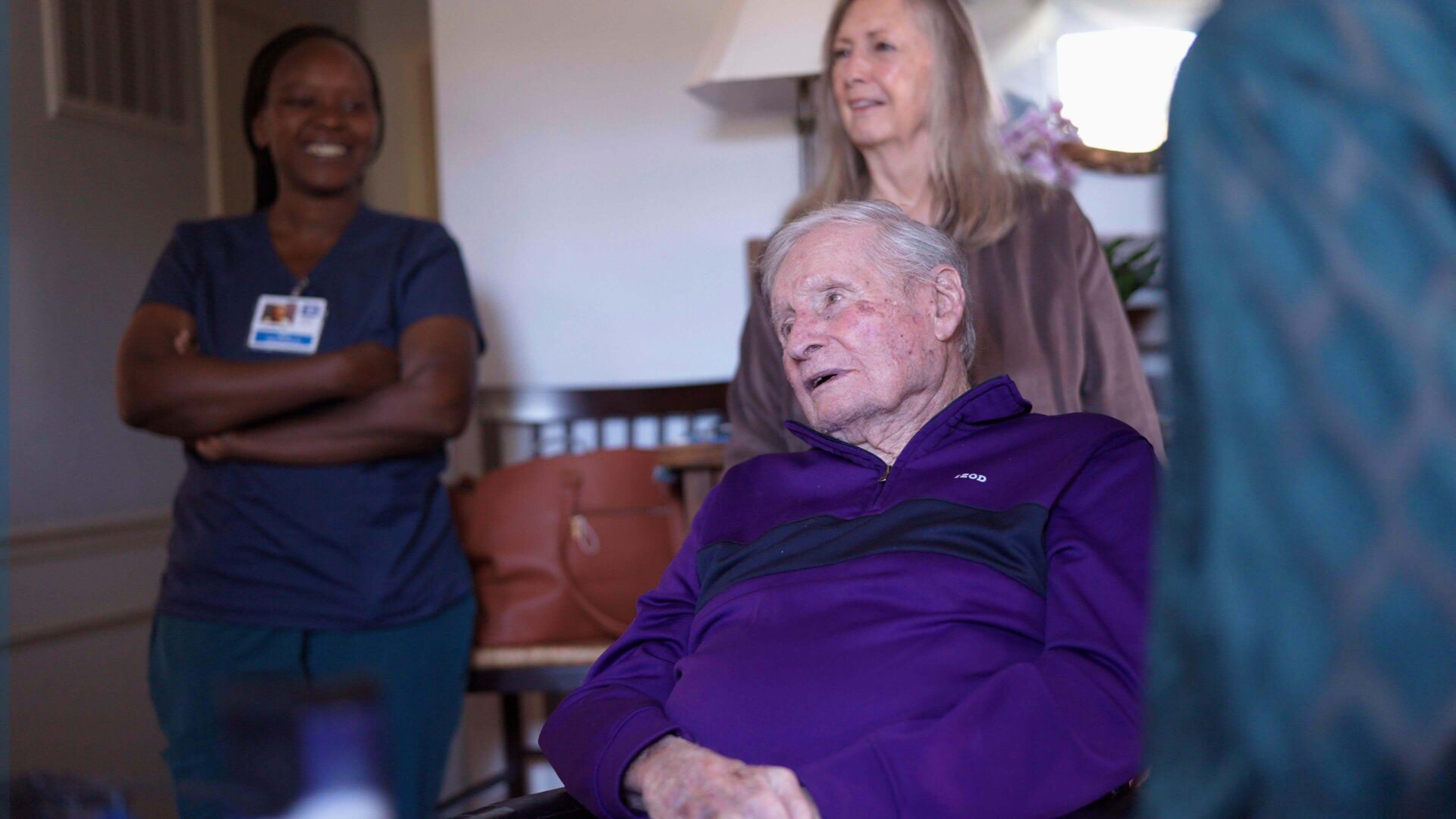
Facing a terminal illness is never easy, and families often struggle to make the right decisions about care. When someone is hospice, it means they are receiving specialized end-of-life care that prioritizes comfort, dignity, and support. But what does this truly involve? How does hospice care work, and when is the right time to consider it?
In this guide, we’ll break down what it means when someone is hospice, address common concerns, and explain how Central Coast VNA & Hospice provides compassionate care in Monterey and surrounding areas. This is hospice care explained to help families make informed choices.
Common Misconceptions About Hospice Care
Despite its benefits, hospice care is often misunderstood. Let’s address some common myths and clarify the realities:
- Myth: Hospice means giving up.
- Reality: Hospice focuses on quality of life, ensuring patients live comfortably in their final months.
- Myth: Hospice is only for the last few days.
- Reality: Patients can receive hospice care for months if they meet eligibility criteria.
- Myth: Hospice care is only available in hospitals.
- Reality: Hospice care can be provided at home, in nursing facilities, or inpatient hospice centers.
Many families hesitate to explore hospice due to these misconceptions. However, understanding what it means when someone is hospice can help loved ones make informed and compassionate decisions.
How Hospice Care Works: A Step-by-Step Guide
When someone is hospice, they receive a holistic care plan that includes:
- Medical Care & Pain Management
- Nurses and doctors monitor symptoms and adjust treatment for comfort.
- Pain relief and symptom control are prioritized over aggressive treatments.
- Emotional & Spiritual Support
- Social workers, chaplains, and counselors provide support for patients and families.
- Bereavement counseling helps loved ones navigate grief.
- Personalized Home Care Services
- Hospice allows patients to stay at home with professional medical support.
- Family caregivers receive training and assistance from hospice professionals.
- 24/7 On-Call Assistance
- Hospice teams are available around the clock for emergencies or concerns.
By choosing Central Coast VNA & Hospice, families in Monterey can ensure their loved ones receive compassionate and professional end-of-life care in a familiar environment.
Benefits of Choosing Hospice Care
When someone is hospice, they and their families experience numerous benefits:
- Enhanced Quality of Life
- Focuses on comfort and dignity rather than curative treatments.
- Relief for Family Caregivers
- Provides respite and support, reducing caregiver burnout.
- Cost-Effective Care
- Medicare, Medicaid, and most private insurance plans cover hospice services.
- Holistic Support for the Whole Family
- Helps families cope with the emotional and logistical challenges of end-of-life care.
Many families in Monterey choose Central Coast VNA & Hospice
When to Consider Hospice Care
Knowing when to transition to hospice can be difficult. Here are some key signs that hospice may be the right choice:
- Frequent hospitalizations or ER visits
- Declining ability to perform daily activities (e.g., eating, bathing, walking)
- Increased pain or symptom burden despite treatments
- Physician prognosis of six months or less to live
If you recognize these signs in a loved one, Central Coast VNA & Hospice can help assess their needs and provide guidance on the next steps.
FAQs About Hospice Care
1. Is hospice care covered by insurance?
Yes, Medicare, Medicaid, and most private insurance plans cover hospice services, including medical care, medications, and support services.
2. How long can someone stay on hospice care?
Hospice care is available for individuals with a prognosis of six months or less. However, if the patient’s condition stabilizes, they may be discharged and reevaluated later.
3. Can someone leave hospice if their condition improves?
Yes. If a patient’s health improves or they choose to pursue curative treatments, they can transition out of hospice and re-enter if needed.
4. What services does Central Coast VNA & Hospice provide?
- In-home hospice care
- Pain management
- Emotional and spiritual support
- Bereavement counseling
- 24/7 nurse availability
Take the Next Step with Central Coast VNA & Hospice
If you or a loved one are considering hospice care, Central Coast VNA & Hospice is here to help. Our compassionate team serves Monterey and surrounding areas, providing expert end-of-life care that prioritizes dignity and comfort.
📞 Call us today at 831-372-6668
📍 Visit our website for more information: Central Coast VNA & Hospice
Choosing hospice is never an easy decision, but you don’t have to navigate it alone. Contact us today to learn how we can support you and your loved ones.
Home Health vs. Hospice - What’s the Key Difference?
Understanding the Differences Between Home Health and Hospice
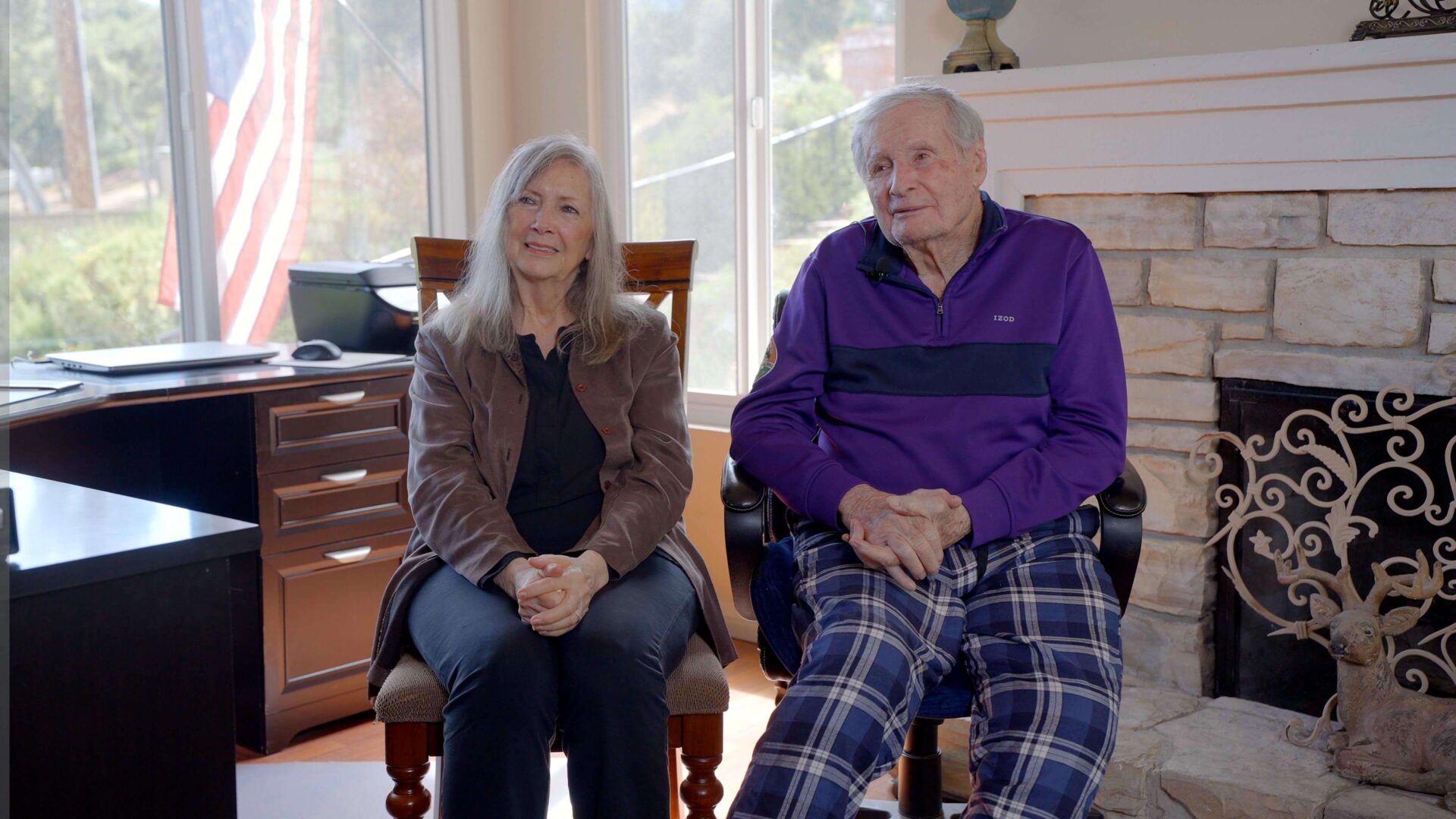
When facing serious health conditions or managing chronic illnesses, families often seek care options that provide comfort and support. But what’s the difference between home health care and hospice? Many people in Monterey and beyond struggle to determine which service best suits their loved one’s needs.
Both home health and hospice provide essential medical care at home, but they serve different purposes. Understanding the distinctions can help you make the best decision for your family. In this blog, we’ll break down the key differences, address common misconceptions, and guide you toward choosing the right care option.
Common Challenges and Misconceptions
Many people assume that home health and hospice care are interchangeable, but they are quite different. Some common misconceptions include:
- Hospice is only for the last days of life. While hospice is for end-of-life care, it can be provided for months, depending on the patient's condition.
- Home health is only for post-hospital recovery. Home health services can also be for managing chronic illnesses, not just recovery.
- You must be bedridden to receive either service. Many patients receiving home health care or hospice can still move around and engage in daily activities.
- Hospice means giving up hope. Hospice focuses on improving quality of life, not hastening death. It provides comfort, pain management, and emotional support.
Understanding these misconceptions can make it easier to choose the right service for you or your loved one.
The Solution - How Home Health and Hospice Work
What is Home Health Care?
Home health care is designed for patients who need medical assistance but are still seeking curative treatments. It is commonly prescribed for:
- Recovery after surgery, illness, or hospitalization.
- Managing chronic conditions such as diabetes or heart disease.
- Physical therapy, wound care, or skilled nursing support.
Key Features of Home Health Care:
- Provided under a doctor’s prescription.
- Includes skilled nursing, physical therapy, and rehabilitation services.
- Patients can continue curative treatments while receiving care.
- Covered by Medicare, Medicaid, and many private insurances.
What is Hospice Care?
Hospice care is for patients with a terminal illness who have chosen comfort care over curative treatment. It focuses on providing relief from pain and symptoms to enhance quality of life.
Key Features of Hospice Care:
- Requires a doctor’s certification that the patient has a life expectancy of six months or less.
- Focuses on comfort, pain management, and emotional support.
- Services include nursing care, counseling, and spiritual support.
- Typically covered by Medicare, Medicaid, and most insurance providers.
Benefits of Choosing the Right Care
Benefits of Home Health Care:
- Helps patients recover in the comfort of their home.
- Encourages independence while managing chronic conditions.
- Supports family caregivers with skilled nursing assistance.
- Reduces hospital readmissions and emergency visits.
Benefits of Hospice Care:
- Provides comprehensive comfort care for terminal patients.
- Reduces pain and enhances quality of life.
- Offers emotional and spiritual support for families.
- Allows patients to remain at home surrounded by loved ones.
Understanding these benefits can help families make informed choices about their care options.
Industry-Specific Considerations for Monterey Residents
For residents of Monterey and surrounding areas, choosing the right care service is crucial. Central Coast VNA & Hospice provides compassionate, high-quality home health and hospice services tailored to the needs of our community.
Why Choose Central Coast VNA & Hospice?
- Experienced, compassionate caregivers who prioritize patient comfort.
- Comprehensive services including skilled nursing, therapy, and palliative care.
- Local expertise in Monterey County, ensuring personalized, community-based care.
- 24/7 support to assist families through every step of care.
To learn more about our services, visit Central Coast VNA & Hospice.
FAQs About Home Health vs. Hospice
1. Is home health care covered by Medicare?
Yes, Medicare covers home health care if prescribed by a doctor and if the patient meets eligibility requirements.
2. How do I know if my loved one needs hospice care?
If curative treatments are no longer effective and the focus shifts to comfort, hospice care may be the right choice. Speak with a doctor for guidance.
3. Can hospice care be provided at home?
Yes, hospice care is primarily provided at home, though inpatient options are available for those with more complex medical needs.
4. What services does Central Coast VNA & Hospice provide?
We offer home health care, hospice, palliative care, and rehabilitation services throughout Monterey County.
5. Can I switch from home health to hospice care?
Yes, if a patient’s condition changes, they can transition from home health to hospice, ensuring continuous and appropriate care.
Take the Next Step: Contact Central Coast VNA & Hospice Today
Deciding between home health vs. hospice can be challenging, but you don’t have to do it alone. Our compassionate team is here to guide you.
📞 Call us at (831) 372-6668
🌍 Visit Central Coast VNA & Hospice to learn more.
📅 Schedule a consultation today and let us help you choose the right care for your loved one.
Choosing between home health and hospice care is a significant decision, but with the right information and support, families can ensure their loved ones receive the care they deserve. If you're in Monterey and need expert guidance, Central Coast VNA & Hospice is here to help.
What Is the Meaning of Advance Care Planning? A Vital Guide
Understanding The Meaning of Advance Care Planning and Its Importance
Imagine facing a sudden medical crisis where you cannot communicate your healthcare wishes. Who would make those decisions for you? Advance Care Planning (ACP) ensures that your preferences for medical treatment are known and respected, even if you cannot speak for yourself. For individuals and families in Monterey and surrounding areas, understanding ACP is crucial for peace of mind and preparedness.
In this guide, we'll explore:
- The definition and purpose of Advance Care Planning
- Common challenges and misconceptions
- How to create an advance care plan
- The benefits of having a plan in place
- Frequently asked questions and expert insights
By the end of this blog, you'll have the knowledge to take proactive steps toward planning your future healthcare decisions.
Common Challenges and Misconceptions About Advance Care Planning
Why Do Many People Avoid Advance Care Planning?
Despite its importance, many people delay or avoid Advance Care Planning due to:
- Discomfort with discussing end-of-life care – Conversations about serious illness and death can be emotionally challenging.
- Misconceptions about age and health status – Many believe ACP is only for the elderly or those with chronic illnesses, but unexpected health crises can affect anyone.
- Lack of awareness – Many individuals do not realize that without an advance directive, medical decisions may be made by default procedures or family members who may not know their true wishes.
- Fear of losing control – Some worry that making a plan means they are giving up control, but in reality, it ensures they maintain authority over their healthcare choices.
The Legal and Ethical Importance of ACP
Advance Care Planning is not just a personal decision; it also carries legal and ethical considerations:
- Having a legally documented Advance Directive ensures that healthcare providers follow your instructions.
- Without a designated Healthcare Proxy, family members may face difficult, emotional decisions without clear guidance.
- States like California have specific laws regarding living wills and power of attorney for healthcare, making ACP crucial for Monterey residents.
How Advance Care Planning Works: A Step-by-Step Guide
Steps to Creating an Advance Care Plan
- Reflect on Your Values and Preferences
- Consider the types of medical interventions you would want or avoid.
- Think about quality of life and what matters most to you.
- Discuss Your Wishes with Loved Ones
- Open a conversation with family members and close friends.
- Ensure they understand your healthcare preferences.
- Appoint a Healthcare Proxy
- Choose someone you trust to make decisions on your behalf if necessary.
- Ensure they are comfortable with the responsibility and understand your wishes.
- Complete an Advance Directive
- Document your decisions in a legally recognized form.
- This includes a Living Will and Durable Power of Attorney for Healthcare.
- Review and Update Periodically
- Life circumstances change, so revisit your plan regularly.
- Update it after major life events like marriage, diagnosis of a serious illness, or relocation.
How Central Coast VNA & Hospice Can Help
Central Coast VNA & Hospice offers Advance Care Planning services to help Monterey residents navigate this essential process. Our team provides:
- Guidance on healthcare directives
- Support in discussing care preferences
- Assistance with legal documentation
- Resources for families making care decisions
Benefits of Advance Care Planning
Advance Care Planning offers numerous advantages, including:
1. Empowerment and Peace of Mind
- Ensures your medical care aligns with your values.
- Reduces stress and uncertainty for family members.
2. Better Healthcare Outcomes
- Avoids unwanted or unnecessary treatments.
- Allows for more patient-centered care.
3. Reduced Burden on Loved Ones
- Eliminates guesswork for family members.
- Provides clarity and reduces potential conflicts.
4. Legal and Financial Security
- Ensures compliance with California laws.
- Helps prevent costly legal battles or unwanted medical bills.
FAQs: Everything You Need to Know About Advance Care Planning
1. Is Advance Care Planning Only for the Elderly?
No. ACP is beneficial for adults of all ages because unexpected medical emergencies can happen at any time.
2. What Happens If I Don’t Have an Advance Directive?
Without an Advance Directive, healthcare providers may follow default medical protocols, and decision-making may fall to family members or legal representatives.
3. Can I Change My Advance Directive?
Yes, you can update your Advance Directive at any time to reflect new preferences, diagnoses, or life changes.
4. Does Advance Care Planning Include Financial Planning?
No, ACP primarily focuses on medical decisions. However, working with an estate planner or attorney can ensure your financial affairs align with your care plan.
5. Where Can I Get Help with Advance Care Planning in Monterey?
Central Coast VNA & Hospice offers expert guidance to help Monterey residents complete their Advance Care Planning with confidence.
Take Control of Your Future Today
Advance Care Planning is a gift to yourself and your loved ones. By making your wishes known, you ensure that your healthcare aligns with your values while relieving stress for your family.
Are you ready to create your Advance Care Plan? Contact Central Coast VNA & Hospice today for expert guidance and support. Call us at 831-372-6668 or visit our website to learn more.
Take the first step—because planning today means peace of mind for tomorrow.
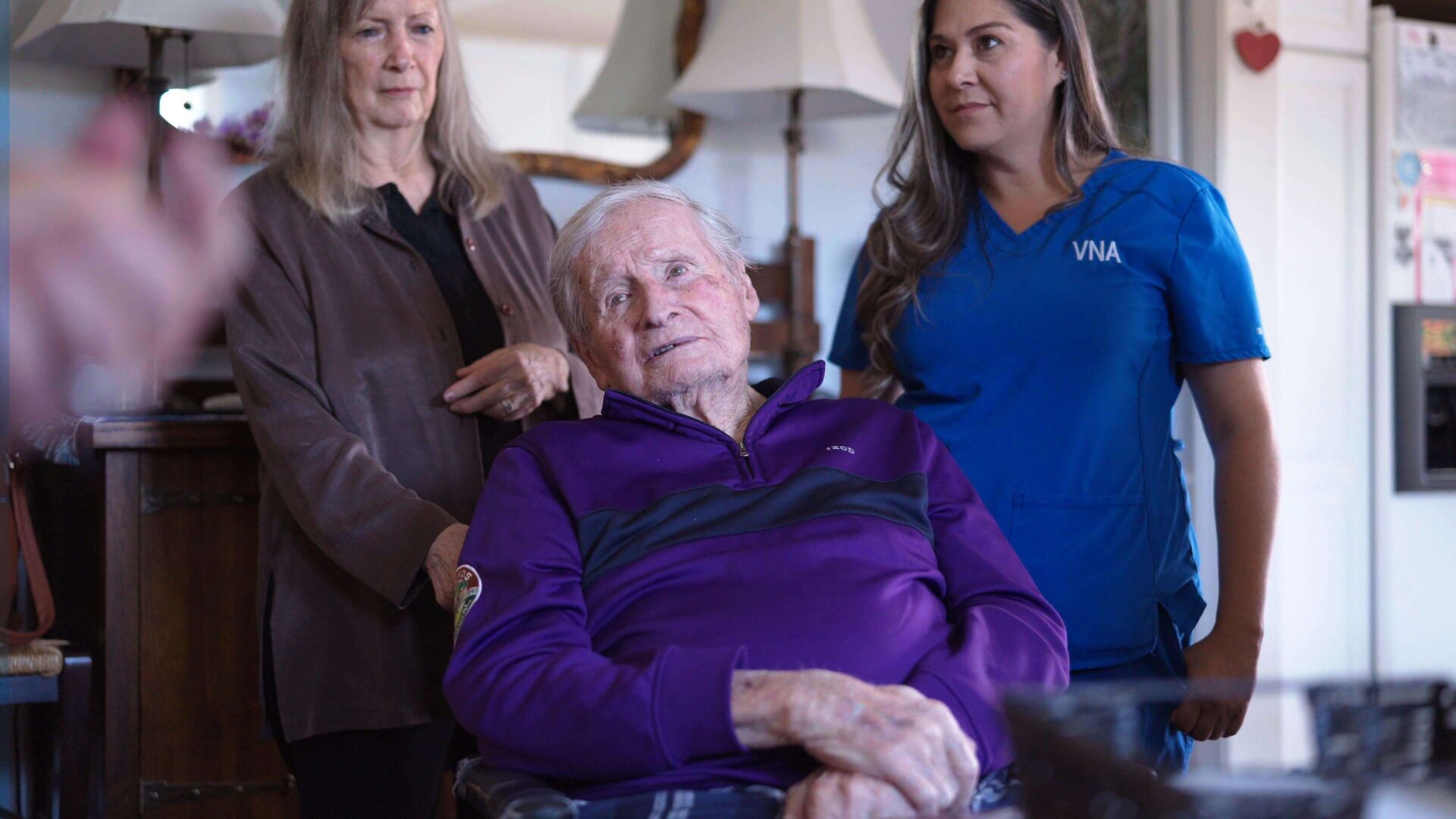
Expert Hospice Care in Monterey, CA - What Families Should Know
When a loved one faces a terminal illness, navigating hospice care options can feel overwhelming. Families in Monterey, CA, often have questions about what expert hospice care entails, how it can help, and what to expect.
Hospice care provides compassionate, end-of-life support that prioritizes comfort, dignity, and quality of life. Understanding the services available, the benefits of professional expert hospice care, and how to choose a trusted provider can make a significant difference during this emotional time.
In this guide, we’ll explore the key aspects of expert hospice care in Monterey, CA, and what families should consider when making this important decision.
Common Problems and Challenges
Understanding the Purpose of Hospice Care
One of the biggest misconceptions about hospice care is that it is only for individuals in their final days. In reality, hospice care can be introduced months before passing, offering extended comfort and support.
- Many families delay hospice care, thinking it means "giving up."
- Lack of awareness about available services leads to missed benefits.
- Emotional reluctance makes it difficult to transition from curative treatments to palliative care.
Emotional and Practical Challenges for Families
Caring for a terminally ill loved one can be emotionally exhausting and physically demanding. Families may struggle with:
- Managing pain and symptoms without medical training.
- Coping with grief and anticipatory loss.
- Coordinating care among multiple caregivers while juggling personal responsibilities.
The Solution and How It Works
How Hospice Care Supports Patients and Families
Hospice care focuses on improving quality of life by providing:
- Pain and symptom management: Skilled nurses ensure the patient remains comfortable.
- Emotional and spiritual support: Counselors and chaplains offer guidance for both patients and families.
- 24/7 Assistance: On-call medical support ensures immediate attention to urgent needs.
- Family respite care: Professional caregivers provide relief, allowing families to rest.
The Hospice Care Process
- Initial Consultation – A hospice provider assesses the patient's needs and creates a personalized care plan.
- Comprehensive Support – Medical, emotional, and spiritual care are provided in the home or facility.
- Ongoing Communication – Regular updates keep families informed about the patient’s condition.
- Bereavement Services – Hospice care extends support to families after a loved one passes.
Benefits and Outcomes
Enhanced Comfort and Quality of Life
- Personalized care plans ensure that symptoms such as pain, nausea, and anxiety are managed effectively.
- Patients can remain in familiar surroundings, surrounded by loved ones.
- Emotional and social well-being improves with structured support.
Support for Families and Caregivers
- Reduces the burden on family members by providing professional medical assistance.
- Offers grief counseling and emotional guidance to help families cope.
- Strengthens family bonds by allowing more meaningful time together.
Financial Considerations
- Hospice care is often covered by Medicare, Medicaid, and private insurance.
- Reduces costly hospital visits and unnecessary medical interventions.
- Ensures a structured care plan that aligns with the patient’s wishes.
Industry-Specific Considerations
Choosing the Right Hospice Provider
When selecting a hospice care provider in Monterey, CA, families should consider:
- Accreditation and licensing: Ensure the provider is certified by Medicare and meets state regulations.
- Range of services: Look for comprehensive care, including medical, emotional, and spiritual support.
- Reputation and testimonials: Read reviews and seek recommendations from trusted sources.
Local Resources and Support
Monterey County has various hospice care providers, support groups, and community organizations that offer additional assistance. Families can connect with local palliative care programs and senior support networks for added guidance.
Related Questions and Expert Answers
Is Hospice Care Covered by Insurance?
Yes, most hospice care services are covered by Medicare, Medicaid, and private insurance. Families should check their specific coverage details.
When Should Hospice Care Begin?
Hospice care can begin when a doctor determines that a patient has six months or less to live if the disease follows its natural course. Early enrollment can maximize comfort and support.
Can Hospice Care Be Provided at Home?
Yes, hospice care is often delivered at home, allowing patients to remain in a familiar and comfortable environment.
What Services Are Included in Hospice Care?
Hospice care includes pain management, nursing care, emotional support, spiritual counseling, respite care, and bereavement support.
How Do I Talk to My Loved One About Hospice Care?
Start the conversation with compassion, focusing on comfort, dignity, and quality of life. Involve a healthcare professional to explain medical benefits.
If your loved one needs expert Hospice care in Monterey, CA, Central Coast VNA & Hospice is here to help. Our compassionate team provides personalized, dignified end-of-life care to support both patients and their families.
📞 Call us today at 831-372-6668 to discuss your needs and learn how we can assist you. You can also visit our website at https://ccvna.com/ for more information on our hospice services.
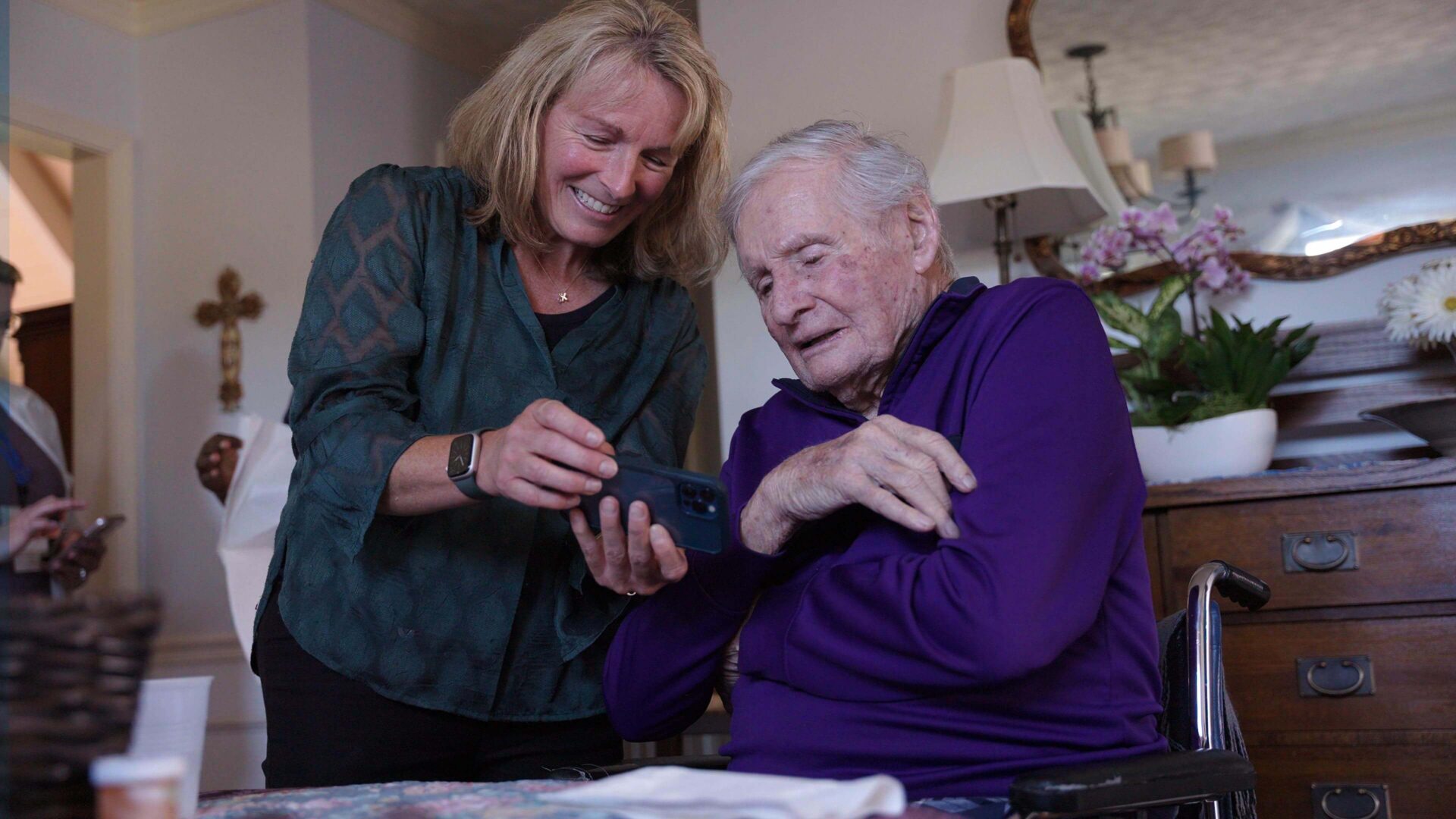
Compassionate Senior Care Services in Monterey—Your Options
As our loved ones age, ensuring they receive the best possible care becomes a priority. Many families in Monterey face the difficult decision of choosing the right compassionate senior care services for their elderly relatives. With various options available, it can be overwhelming to decide what’s best. Should you opt for in-home care, assisted living, or hospice services? Understanding these choices can help you make an informed decision that aligns with your loved one’s needs and comfort.
In this blog, we’ll explore the different senior care services available in Monterey, CA, the benefits of each, and how to determine which is the best fit for your family. Whether you’re looking for skilled nursing, hospice care, or in-home assistance, Central Coast VNA & Hospice is here to support you.
Common Problems and Challenges
Caring for a senior loved one comes with a unique set of challenges. Many families face:
- Time constraints – Balancing work, personal life, and caregiving can be stressful.
- Medical complexities – Seniors often have chronic conditions requiring professional attention.
- Emotional stress – Watching a loved one decline in health can be emotionally taxing.
- Financial concerns – The cost of senior care varies widely, making affordability a key factor.
- Limited availability of care providers – Finding the right fit in a timely manner can be difficult.
Misconceptions About Senior Care
- “Nursing homes are the only option.” – Many seniors thrive with in-home care.
- “Hospice means giving up.” – Hospice focuses on comfort and quality of life, not just end-of-life care.
- “Medicare covers everything.” – While Medicare covers some costs, out-of-pocket expenses still apply.
- “Family caregivers can handle everything alone.” – Professional help is often necessary for medical and emotional well-being.
The Solution and How It Works
In-Home Care Services
For seniors who wish to stay in their own homes, in-home care is a flexible and personalized option. Central Coast VNA & Hospice offers:
- Companion care – Assistance with daily activities, meal preparation, and companionship.
- Personal care – Help with bathing, dressing, and mobility.
- Skilled nursing – Medical care administered by licensed nurses, including wound care and medication management.
- Physical and occupational therapy – Services aimed at improving mobility and independence.
Hospice and Palliative Care
For those facing terminal illnesses or chronic conditions, hospice and palliative care provide:
- Pain management – Focused on relief and improving quality of life.
- Emotional and spiritual support – Support for both patients and their families.
- 24/7 availability – Caregivers and nurses available to assist when needed.
- Coordination with medical professionals – Ensuring seamless care and communication between providers.
Assisted Living and Skilled Nursing Facilities
If staying at home is not an option, assisted living and skilled nursing facilities offer:
- Social engagement – Activities and community support.
- Medical supervision – On-site nursing staff for those requiring ongoing care.
- Specialized memory care – For seniors with Alzheimer’s or dementia.
- Emergency medical response – Immediate access to medical care in case of urgent situations.
Benefits and Outcomes
Choosing the right senior care service provides:
- Enhanced quality of life – Seniors remain comfortable and engaged.
- Family peace of mind – Knowing your loved one is in good hands reduces stress.
- Improved health outcomes – Professional care helps manage chronic conditions effectively.
- Increased safety and supervision – Reducing the risk of falls and health emergencies.
Industry-Specific Considerations
When selecting a senior care provider in Monterey, consider:
- Accreditation and licensing – Ensure the provider meets state and federal standards.
- Personalized care plans – Each senior’s needs are unique.
- Affordability and insurance coverage – Understand costs and available financial assistance.
- Availability of specialized care – Ensuring that medical and therapeutic needs are met.
Related Questions and Expert Answers
Is in-home senior care covered by insurance?
Medicare may cover skilled nursing services, but non-medical home care often requires private payment or long-term care insurance.
How do I know when my loved one needs hospice care?
If they have a life-limiting illness and require symptom management rather than curative treatment, hospice may be appropriate.
What’s the difference between palliative care and hospice care?
Palliative care focuses on symptom relief at any stage of an illness, while hospice care is for those in the final months of life.
How can I choose the best senior care provider in Monterey?
Look for licensed professionals, read reviews, and ensure they offer services that match your loved one’s needs.
What are signs my elderly parent needs additional care?
Increased falls, forgetfulness, trouble with daily tasks, and frequent hospital visits are key indicators.
If you’re searching for compassionate, high-quality senior care services in Monterey, Central Coast VNA & Hospice is here to help. Our dedicated team offers personalized in-home care, hospice services, and skilled nursing to ensure your loved one receives the best possible support. Contact us today to learn more about our services and find the best care plan for your family.
📞 Call us at 831-372-6668 or visit our website to get started.
By providing compassionate, expert care, Central Coast VNA & Hospice ensures your loved one’s golden years are filled with dignity and comfort.
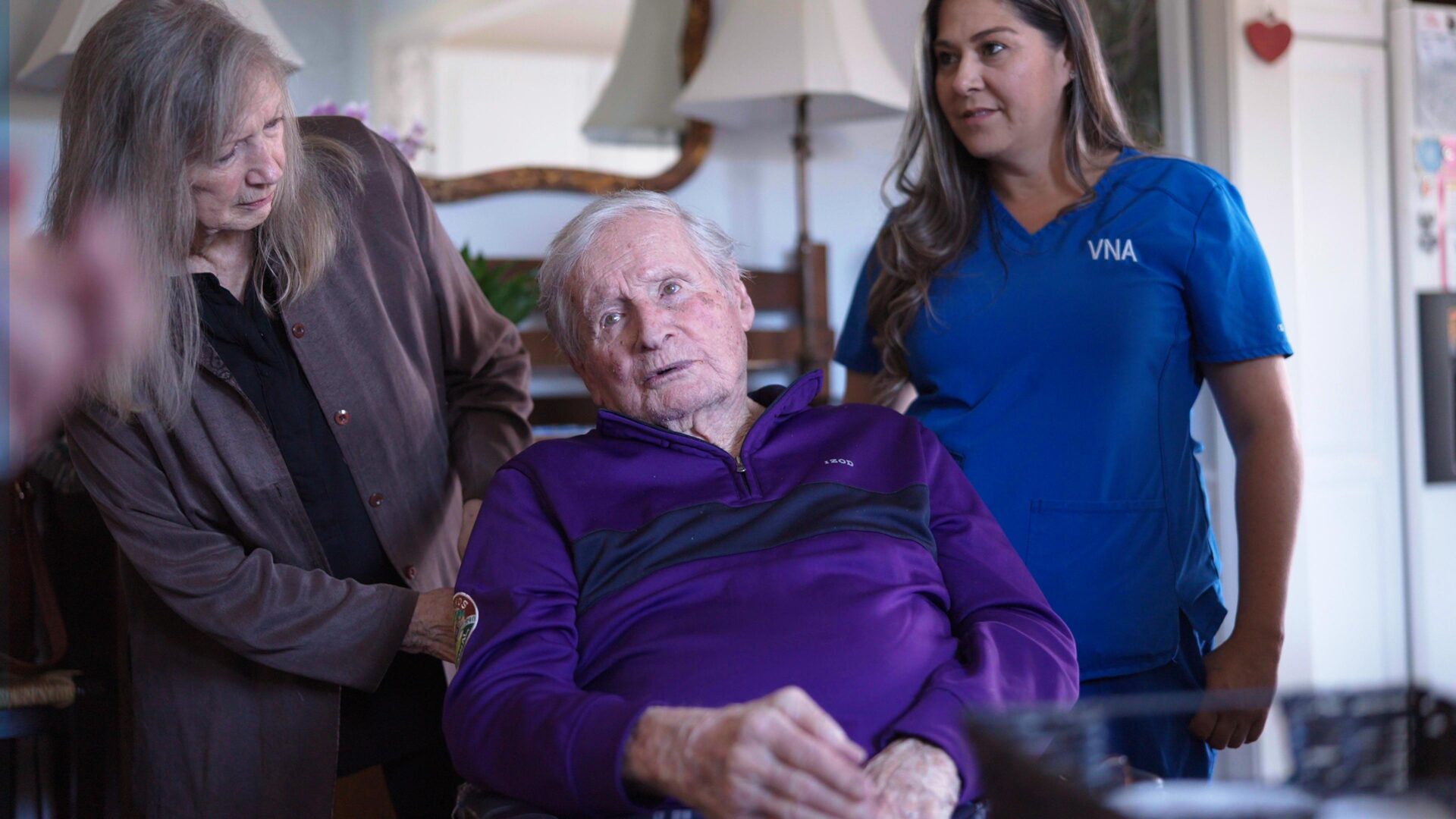
Can You Leave Hospice Care? What Families Need to Know
Understanding Hospice Care and Patient Recovery
Hospice care provides compassionate, end-of-life support for individuals facing terminal illnesses. But can you leave hospice care if a patient’s condition improves? The answer is yes—some patients do stabilize or even show significant improvement, allowing for discharge from hospice services. Families often wonder about this possibility, and knowing the process can help ease uncertainty.
In this guide, we will explore:
- The circumstances under which a patient may leave hospice care
- The steps involved in hospice discharge
- What options are available after leaving hospice
- How Central Coast VNA & Hospice supports families through these transitions
When Can a Patient Leave Hospice Care?
While hospice care is designed for those with a life expectancy of six months or less, some patients experience unexpected recovery. Hospice discharge may occur if:
- The patient’s condition stabilizes or improves significantly.
- A new treatment becomes available that changes the prognosis.
- The patient no longer meets Medicare or insurance eligibility criteria for hospice.
- The patient or family decides to pursue curative treatment instead of palliative care.
The Process of Leaving Hospice Care
If a healthcare provider determines that a patient no longer qualifies for hospice, they will guide families through the transition. The process generally involves:
- Medical Evaluation: The hospice care team will assess the patient’s condition and discuss possible discharge.
- Notification of Medicare or Insurance: If the patient is covered under Medicare, Medicaid, or private insurance, their eligibility status must be updated.
- Transition Planning: The hospice team will help coordinate post-hospice care options, such as home health services or skilled nursing.
- Follow-up Support: Some patients may still need palliative or home-based healthcare, which Central Coast VNA & Hospice provides.
What Happens After Hospice Discharge?
Once a patient leaves hospice, they may transition to:
- Home Health Care: If the patient requires ongoing medical care but is not in critical condition, they may receive skilled nursing or therapy services.
- Palliative Care: For patients with chronic illnesses who still need pain and symptom management but are not terminally ill.
- Independent Living: If the patient recovers enough to resume daily activities without medical intervention.
- Readmission to Hospice: If the patient’s condition declines again, they may return to hospice care.
Common Myths About Leaving Hospice Care
There are many misconceptions about hospice discharge. Here are some clarifications:
- Myth: Once admitted to hospice, you can’t leave.
- Truth: Patients can leave hospice if their condition improves or if they choose another form of care.
- Myth: Hospice discharge means full recovery.
- Truth: While some patients recover significantly, others may still require ongoing medical care.
- Myth: Insurance won’t cover hospice care again if a patient leaves and later needs to return.
- Truth: Medicare and many insurance providers allow patients to re-enroll in hospice if their condition worsens again.
How Central Coast VNA & Hospice Supports Families
Central Coast VNA & Hospice offers a wide range of services to help families navigate hospice and post-hospice care, including:
- Hospice Care: Providing comfort-focused, end-of-life care at home or in a facility.
- Palliative Care: Supporting patients with serious illnesses by managing pain and symptoms.
- Home Health Services: Assisting with skilled nursing, physical therapy, and recovery after hospice discharge.
- Bereavement Support: Helping families cope with the emotional aspects of illness and loss.
FAQs About Leaving Hospice Care
- Can you leave hospice care and then return later?
Yes, patients can be readmitted if they meet hospice eligibility criteria again. - Does insurance cover post-hospice care?
It depends on the patient’s coverage. Medicare, Medicaid, and private insurance may cover home health or palliative care. - What if my loved one wants to continue treatment?
Patients can choose to stop hospice care and pursue curative treatments if they wish. - How do we know if hospice discharge is the right decision?
A healthcare provider will assess the patient’s condition and discuss the best options with the family. - What support is available after hospice discharge?
Services like home health care, palliative care, and skilled nursing can provide ongoing support after leaving hospice.
Take the Next Step
If you or a loved one is considering hospice care or transitioning out of it, Central Coast VNA & Hospice in Monterey, CA is here to help. Our team offers expert guidance, compassionate care, and support through every stage of the journey. Contact us today to learn more about your options.
📞 Call us at 831-372-6668
📍 Visit us at 5 Lower Ragsdale Dr., Monterey, CA