
Safety Benefits of Aging at Home
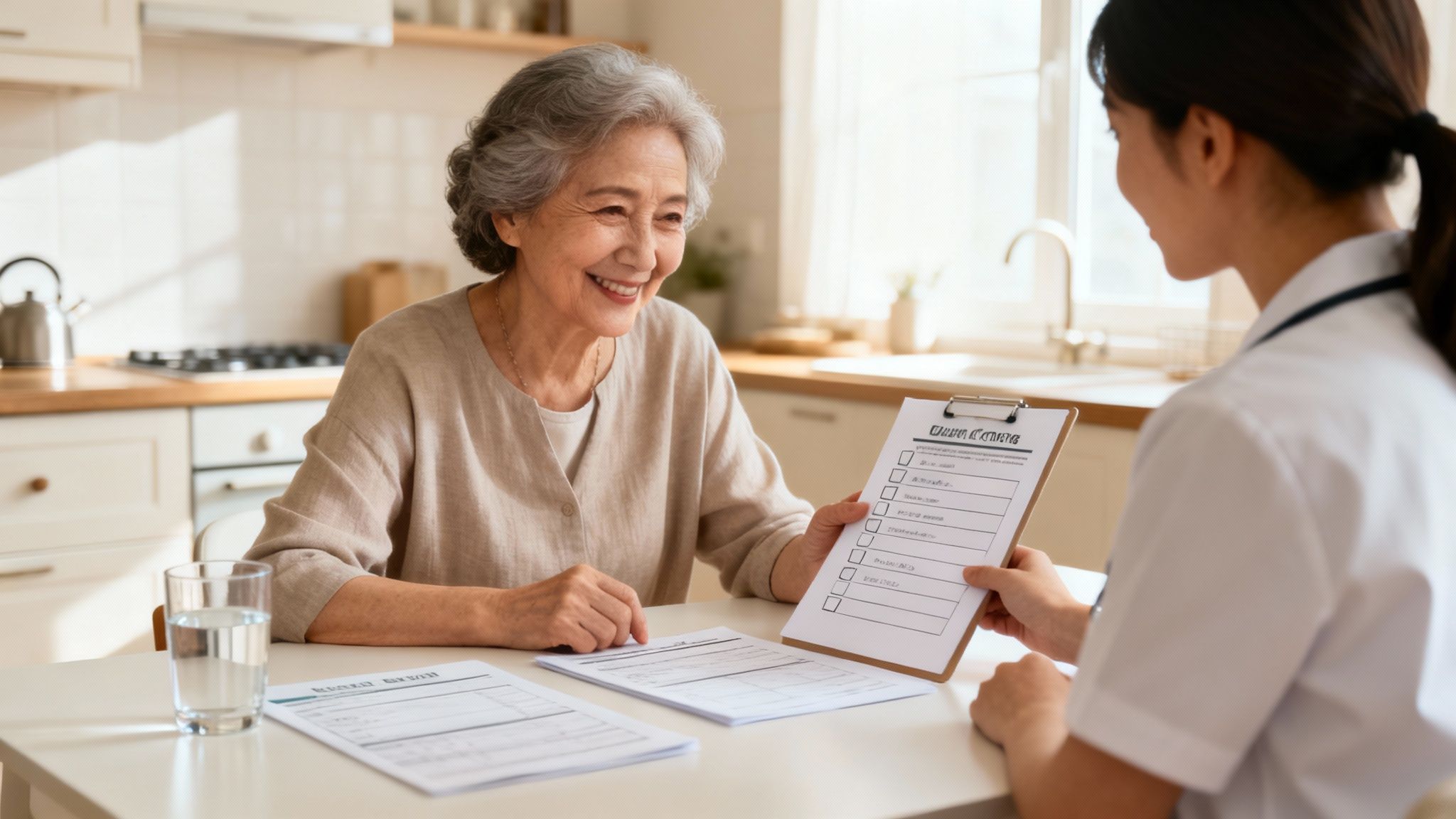
Aging at home with skilled support can lower many hidden risks. Personalized visits by a Registered Nurse, real-time fall reporting, and hands-on medication checks add up to safer daily life.
- Transparent Fall Reporting tracks every incident.
- Tailored Care Visits adjust as health needs change.
- Medication Reviews catch dosage issues early.
- Familiar Surroundings reduce confusion and stress.
A 2025 report from the U.S. Department of Health and Human Services Office of Inspector General found nursing homes failed to report 43% of serious falls among Medicare residents (Read the full study on fall reporting transparency). Real-time home health data gives families immediate insight and action steps.
Contact Central Coast VNA & Hospice today to explore home safety options.
Current Safety Statistics
Families often compare real numbers before choosing a care setting:
- Nursing homes host about 1.24 million residents in 14,742 CMS-certified facilities, averaging 9.5 deficiencies per survey with 27% flagged as serious (Discover insights about nursing facility characteristics on KFF).
- Home health care teams logged 424 million visits in 2020 and report a 91% satisfaction rate (home health statistics on BoostHomeHealth).
That snapshot shows how home health nursing can surface hazards faster than intermittent facility surveys. Seniors at home benefit from deeper data and personalized plans.
Key Insight
Skilled home visits and targeted environmental changes often reduce emergency trips and improve peace of mind.
How to Choose Between Home and Facility Care
Deciding whether to age in place or move to a nursing home depends on four core factors:
-
Clinical Needs
- Can scheduled RN visits handle wound care, IV therapy, and medication management?
- Is 24/7 nursing essential for stability?
-
Functional Abilities
- Does the person need help dressing, bathing, or moving safely?
- Could physical therapy and adaptive equipment meet those needs at home?
-
Social Engagement
- Are family meals, volunteer visits, or virtual support groups available?
- Does isolation raise fall or depression risks?
-
Home Environment
- Are grab bars in place?
- Is lighting bright and layouts clear of trip hazards?
Often a hybrid plan works best: short facility stays for acute care, combined with ongoing in-home therapy and nursing.
Learn more about in-home nursing in Monterey County: Whether In-Home Nursing Is Right For Your Loved One In Monterey.
Making Home Safer for Aging
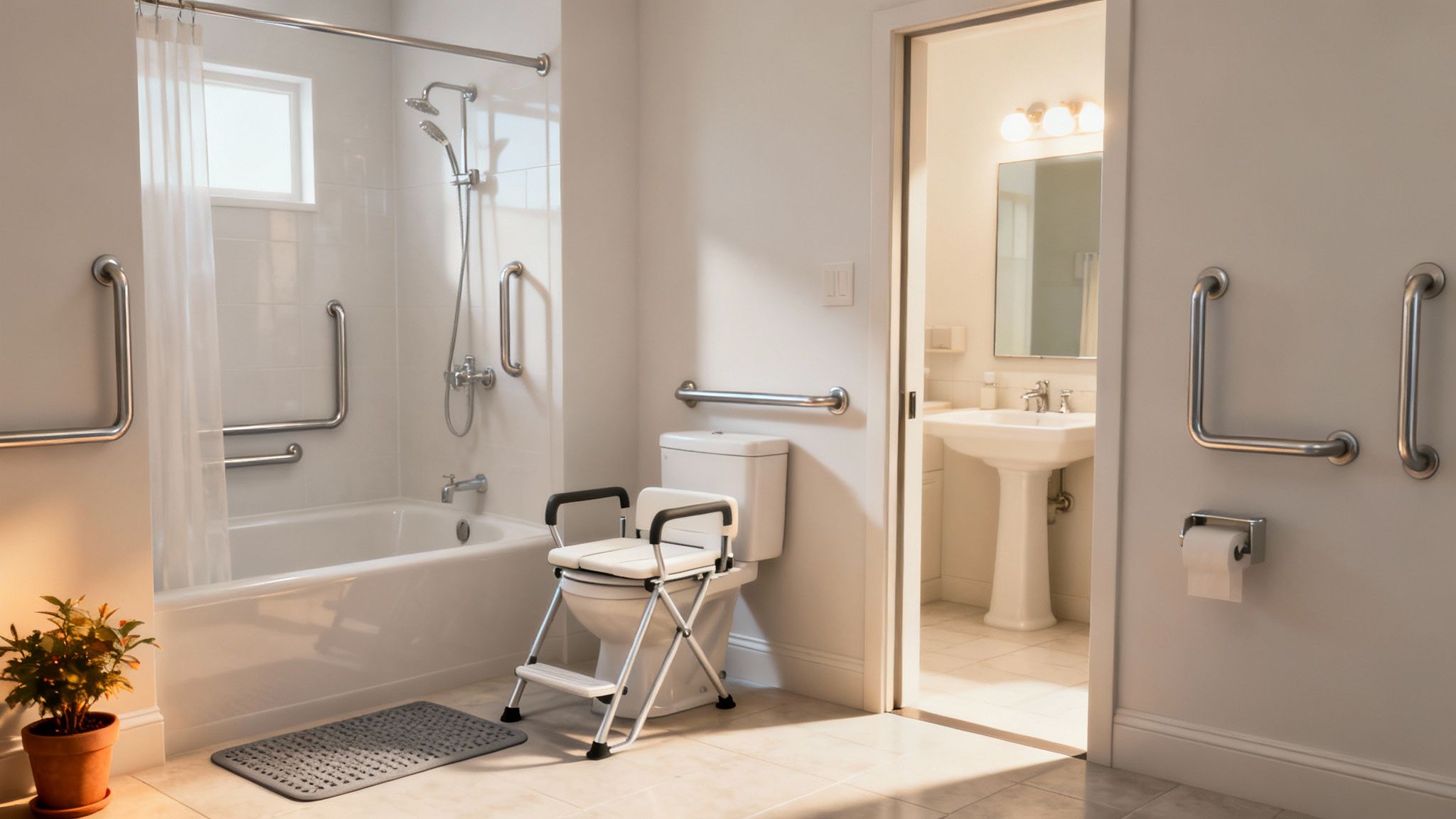
Simple upgrades can match many facility safety features. Focus on high-traffic areas and pair fixes with clinical support.
- Install grab bars in bathrooms and hallways.
- Secure loose rugs and remove cords from floors.
- Add motion-sensor lighting by stairs and entrances.
- Widen doorways for walkers or wheelchairs.
- Use non-slip mats in showers and by sinks.
Pair these changes with professional care:
- Registered Nurses monitor vitals, adjust medications, and flag concerns.
- Physical and Occupational Therapists build balance, strength, and teach safe routines.
- Telehealth check-ins solve issues quickly.
- Hospice Aide support helps with light chores and errands to reduce clutter.
Case Example: Mrs. Smith saw a 30% reduction in falls after eight weeks of balance training and home modifications. Her confidence grew as injuries fell.
For more tips, see our guide on preventing falls in the home.
Central Coast VNA & Hospice Support Services

With over 74 years as a nonprofit, mission-driven provider, Central Coast VNA & Hospice brings home health nursing, therapy, and palliative care to Monterey, San Benito, Santa Cruz, and South Santa Clara counties.
Their full continuum of care includes:
- Skilled Home Health Nursing for medication management and post-hospital recovery
- Physical & Occupational Therapy to boost strength and prevent falls
- Palliative Care Consultations for symptom relief and comfort at home
- Social Work Coordination for equipment loans, meal services, and transportation
- Compassionate Hospice Support led by physicians, Chaplains, and Hospice Aides
- Call CCVNA at 831-372-6668 to discuss needs.
- Schedule a no-cost in-home assessment with a Registered Nurse.
- Receive a personalized care plan.
- Begin visits that support safe, dignified aging in place.
Learn more: guide to home health and hospice services or Read more about our community impact here.
Frequently Asked Questions
Q1. What home changes cut fall risks?
Install grab bars, brighten lighting, and secure rugs. An Occupational Therapist will spot hidden hazards.
Q2. How does home health nursing compare to facility care?
Home visits offer real-time incident reports and tailored medication reviews. Facilities rely on scheduled inspections that may miss day-to-day events.
Q3. Can palliative care at home manage chronic symptoms?
Yes. Palliative consults focus on pain control, emotional support, and care coordination, just as in a facility.
Q4. What costs should families compare?
Compare in-home visit fees, equipment rentals, and renovations versus facility room rates and care-level charges. Factor in Medicare, Medi-Cal, and private insurance.
Q5. When should care decisions be revisited?
Review every 3–6 months or after a fall or hospital stay. Check clinical indicators, functional ability, and family support capacity.
Contact us today to explore how aging at home can be safer and more comfortable.
Central Coast VNA & Hospice