
Preventing falls at home isn't just about avoiding a scraped knee. It's about taking proactive steps to safeguard independence and ensure a loved one can continue living safely and confidently in their own space.
This starts with simple but powerful changes to the home environment and daily habits, like improving lighting, securing loose rugs, and installing safety aids such as grab bars.
Why Preventing Falls at Home Matters So Much
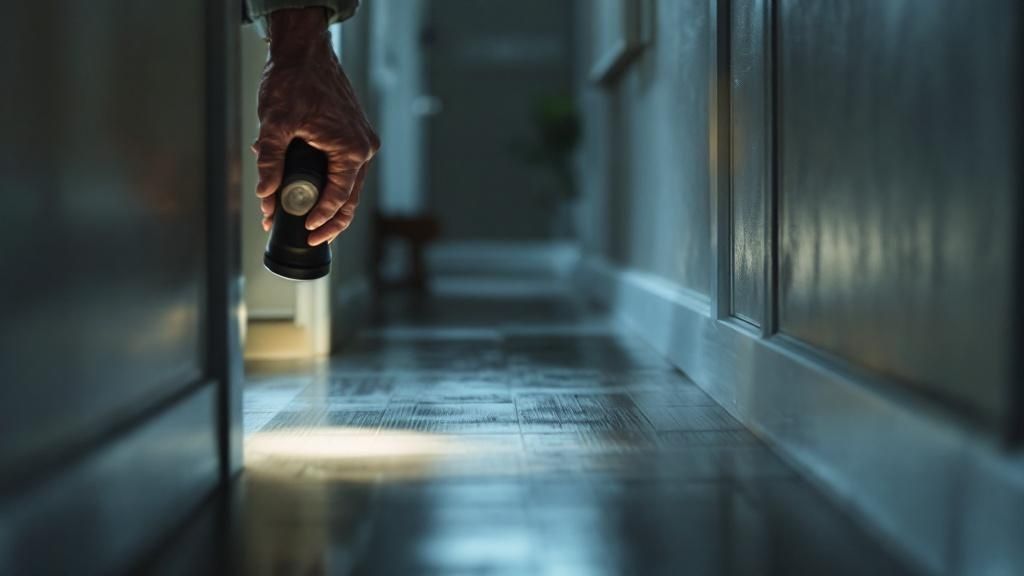
Before we get into the how, it's essential to understand the why. Making a home safer is about so much more than preventing an accident. It’s about preserving a person's independence, their confidence, and their overall quality of life.
A fall can have consequences that linger long after the physical injury has healed. It often creates a deep-seated fear of everyday activities, which can lead to a person moving less and becoming socially isolated. That emotional toll is exactly why taking proactive steps is one of the most loving things a family can do.
Preserving Independence and Well-being
Creating a secure home environment is an achievable goal. A few thoughtful adjustments can make a significant difference.
These changes aren't about limiting freedom—they're about enabling it. They empower your loved one to move around their home with greater assurance.
A safe home fosters confidence, allowing individuals to continue engaging in the daily routines and activities that bring them joy and fulfillment. It is a cornerstone of maintaining dignity and autonomy.
The statistics are sobering. According to the World Health Organization, falls are a major public health issue, with an estimated 37.3 million falls annually that are serious enough to require medical attention (WHO, 2021). These incidents often lead to significant long-term disability and steep healthcare costs.
For over 74 years, our team at Central Coast VNA & Hospice has been committed to supporting families across Monterey County, San Benito County, Santa Cruz County, and South Santa Clara County. As a local, nonprofit organization, we have a deep understanding of how important it is to feel safe at home.
Our compassionate teams, which include Registered Nurses and Occupational Therapists, provide expert guidance that’s tailored to each person's unique situation. Through our home health care services, we help families pinpoint hazards and put effective, practical strategies in place. Our mission is to ensure every person we serve can live safely and comfortably, supported by a continuum of care that adapts as their needs change.
Your Room-by-Room Home Safety Walkthrough
The best way to create a safer home is to walk through it with fresh eyes. This isn’t a sterile inspection, but a practical tour to spot hazards that are easy to overlook.
By tackling the risks room by room, making a home safer becomes a much more manageable and empowering process. This walkthrough is about understanding how you or your loved one actually moves through and uses a space. We'll start with the areas where falls happen most often, pointing out specific issues and offering real-world, compassionate advice.
Navigating Hallways and Stairways
Hallways and stairs are the main highways of a home, but they’re also prime spots for trips and falls. The first thing to check is lighting.
Are light switches easy to find at both the top and bottom of the stairs? Good lighting is non-negotiable, and it might be worth considering installing motion sensor lights so the path is always illuminated.
Next, take a hard look at the pathways themselves.
- Clear the way: Get rid of anything on the floor that doesn't need to be there—shoes, books, stray decorative items.
- Secure the rugs: Any throw rugs or runners need a solid non-slip backing. If they still slide, use rug tape to secure them firmly to the floor.
- Check the handrails: Are there sturdy handrails on both sides of the staircase? Give them a good shake to make sure they can support a person's full weight.
Creating a Safer Bathroom
With its mix of hard surfaces and water, the bathroom is one of the most common places for a fall to happen. Thankfully, a few small changes here can make a world of difference in safety.
For starters, installing grab bars inside the shower and next to the toilet provides a stable handhold exactly where it's needed most. This isn't a minor tweak; it's a game-changer for stability.
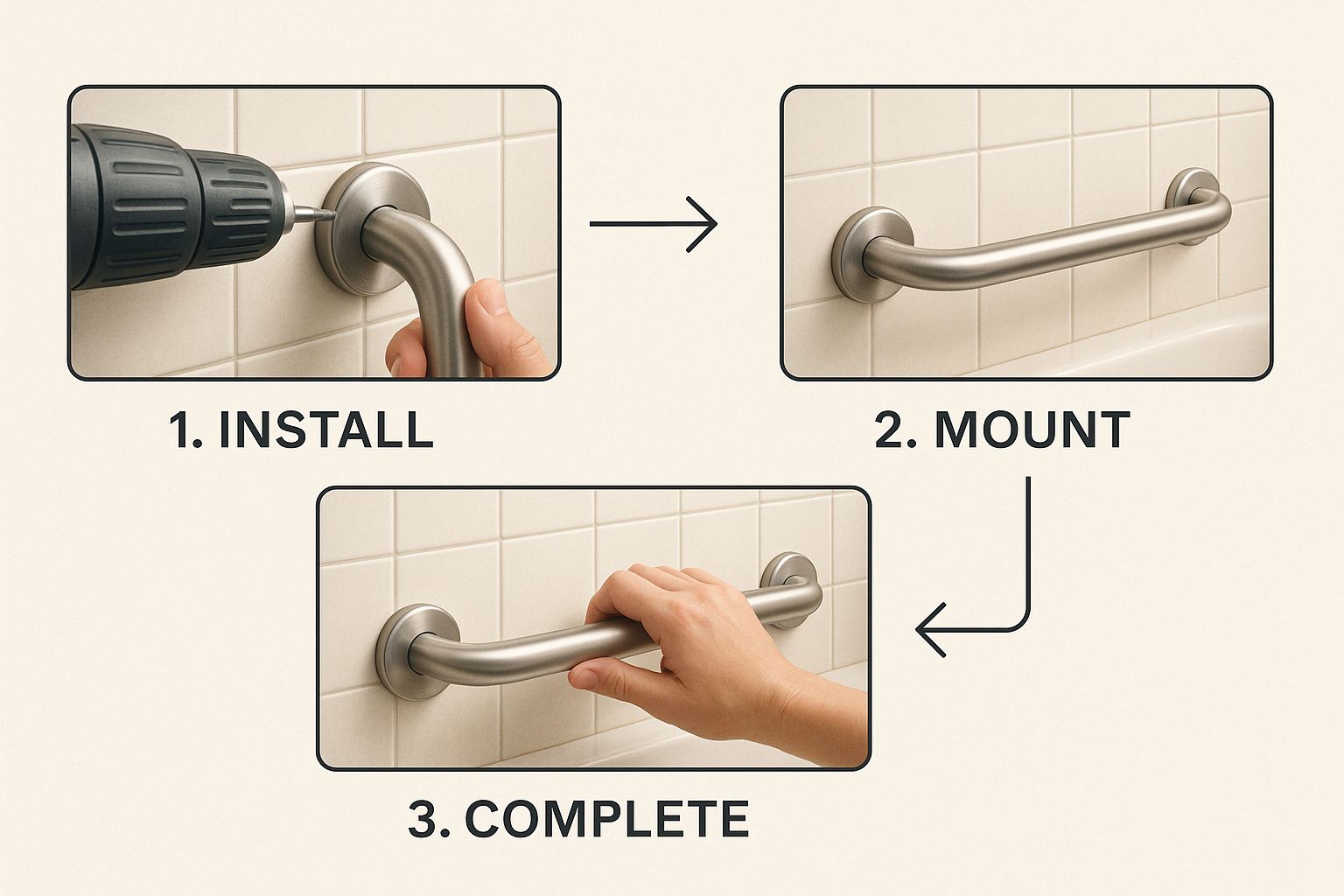
As the image shows, professionally installed grab bars are a straightforward way to add security. Don't forget to place non-slip mats both inside the tub or shower and on the bathroom floor to give feet better traction on wet surfaces.
Optimizing Bedrooms and Living Areas
The bedroom and living room should be spaces for rest and relaxation, not sources of worry. Look at the furniture layout.
Are the paths clear and wide enough to walk through easily, even in the dark? Cords and cables from lamps, TVs, or medical equipment are major tripping hazards and should be tucked away or secured along the walls.
A critical detail that often gets missed is the height of chairs and beds. Seating should be high enough that a person can sit down and stand up while keeping their feet flat on the floor for leverage and support.
This isn't just a local issue. A 2022 meta-analysis found that around 26.5% of older adults across the globe experience a fall each year, with that number climbing to 27.9% in the Americas. These aren't just statistics; they represent millions of preventable injuries.
For families here on the Central Coast, from Monterey to Santa Cruz County, getting help is easy. The professional team at Central Coast VNA & Hospice can provide expert guidance during a home care visit, offering personalized advice to make your home as safe as it can possibly be.
Making High-Impact Home Modifications
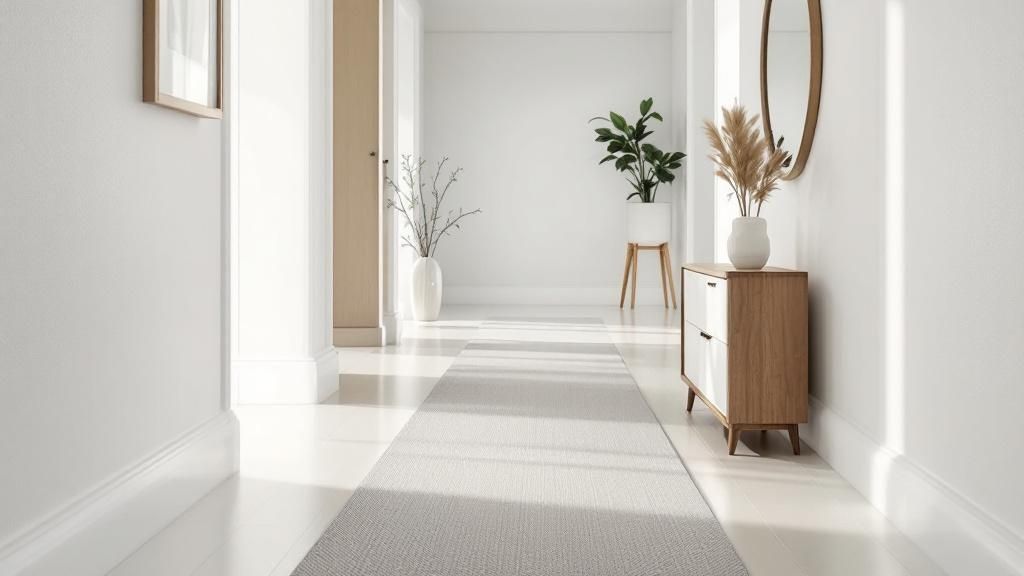
Once you've pinpointed the potential fall hazards in a home, it's time to take decisive action. Making a few targeted modifications can transform a high-risk environment into a safe, empowering space.
These aren't just about tidying up; they are strategic adjustments that support independence and bring peace of mind to families across the Central Coast. Many of these changes are surprisingly straightforward, but their impact on day-to-day safety is massive.
Prioritizing Bathroom and Stairway Safety
Bathrooms and stairways are hotspots for serious falls. In the bathroom, you have a dangerous combination of wet surfaces, hard flooring, and the need to step in and out of a tub.
Simply installing properly anchored grab bars inside the shower and next to the toilet is one of the most effective changes you can make. They provide a sturdy, reliable handhold right when balance is most precarious.
Here are a few other essential updates to consider:
- Non-slip mats are a must. Place them inside the tub or shower and on the main bathroom floor to add crucial traction.
- A shower seat or bench makes bathing safer by allowing someone to sit, which reduces fatigue and the risk of slipping.
- Make sure sturdy handrails are installed on both sides of every staircase to offer continuous support.
These modifications do more than just add hardware; they build confidence back into daily routines. For more comprehensive ideas, guides on home modifications for elderly safety and comfort offer a wealth of valuable insights.
Enhancing Lighting and Securing Pathways
Poor visibility is a major culprit behind trips and stumbles, especially at night. One of the simplest yet most powerful ways to boost safety is by improving the lighting throughout the home.
A good first step is to swap out dim bulbs for brighter ones, paying special attention to hallways, stairwells, and entryways. Placing nightlights in bedrooms, bathrooms, and connecting hallways creates a safe path for anyone who gets up during the night.
Key Takeaway: Good lighting removes the guesswork from navigating a home. This is especially critical for anyone with vision challenges or those who need to get up frequently during the night.
This isn't just common sense—the evidence backs it up. One community-based study showed that personalized home modifications, guided by occupational therapists, can slash in-home falls by nearly 40%. The most effective fixes were installing grab bars, improving lighting, and adding handrails.
The team here at Central Coast VNA & Hospice, including our skilled Registered Nurses and therapists, helps families apply these principles. Our professionals serve both Monterey and San Benito Counties, assessing homes and recommending effective modifications. For more advice, be sure to check out our home health care tips for fall prevention.
Boosting Stability Through Health and Activity
A fall-proof home is only half of the equation. True, lasting stability comes from within—from maintaining your own health, strength, and daily activity levels.
We all lose some muscle and balance as we get older. But with gentle, targeted physical activity, you can slow that decline and even build back strength. You don't need a fancy gym membership; some of the most effective exercises can be done right in your living room.
Building Strength and Balance at Home
Even small movements can make a huge difference in your stability. The key is to focus on exercises that strengthen your core and leg muscles.
Here are a few safe and simple ideas to get you started:
- Chair-Based Strength Training: While seated, try doing simple leg lifts or marching in place. You can also do bicep curls with light hand weights or a can of soup.
- Gentle Tai Chi: This ancient practice is highly recommended for older adults. Its slow, graceful movements are incredible for improving balance, flexibility, and body awareness.
- Standing Balance Exercises: Hold onto a sturdy countertop and practice standing on one foot for a few seconds. Or, try walking heel-to-toe, like you're on a balance beam.
These activities aren't just about physical strength; they're about building confidence. You can find more ideas and motivation by exploring the importance of staying active and how it fits into a healthy life.
The Role of Medication, Nutrition, and Vision
Beyond exercise, your overall health has a direct line to your risk of falling. Things like dizziness, weakness, or feeling disoriented can dramatically increase your chances of an accident.
Proactive health management isn't just about treating sickness. It's about building a strong foundation for physical stability and stopping accidents before they happen.
First, review all medications. Some prescriptions—or a combination of several—can have side effects like drowsiness or dizziness. It is crucial to have a doctor or pharmacist review everything you take at least once a year.
Don't overlook the basics, either. Proper nutrition and hydration are non-negotiable. Finally, you can't navigate your home safely if you can't see it clearly. This essential guide to eye tests for the elderly explains why regular check-ups are so important.
For families in Monterey County and the surrounding areas, the expert team at Central Coast VNA & Hospice can bring this support right to your door. Our home health Registered Nurses and therapists work with patients to manage medications, create safe exercise routines, and address every aspect of health that keeps you stable and independent at home.
Knowing When to Ask for Professional Help
Sometimes you need to call in an expert. Recognizing that you might need a professional’s eye is one of the smartest things you can do to prevent falls.
A professional brings a new level of expertise to the table. They can create a personalized plan that matches your loved one’s specific health needs and home layout.
This is especially critical if your loved one has complex health conditions or has already experienced a fall. A professional assessment can uncover hidden risks and give you a clear, actionable plan. It’s about more than a checklist; it’s about getting an expert who understands the dance between health, mobility, and the home environment.
The Experts Who Can Help
When it comes to fall prevention, a few key professionals can make a world of difference. Each one brings a unique and vital skill set to the team.
- Occupational Therapists (OTs): Think of an OT as a specialist in daily living. They are experts at helping people perform everyday activities safely and independently. An OT will conduct a thorough home safety assessment and recommend practical solutions.
- Physical Therapists (PTs): A PT is all about improving physical function. They focus on building strength, fine-tuning balance, and improving how a person walks. If a walker or cane is needed, a PT ensures it's the right type and fitted perfectly.
A professional assessment isn't just a list of things to buy. It's a tailored roadmap to safety, built around an individual's unique movements, habits, and health challenges.
How Central Coast VNA & Hospice Supports You
As a nonprofit organization with over 74 years of service here on the Central Coast, we bring this professional support right into your home. Our home health services provide a complete range of care designed to maximize safety for residents in Monterey County, San Benito County, Santa Cruz County, and South Santa Clara County.
Our skilled team, including experienced Registered Nurses and therapists, is ready to provide thorough assessments and hands-on support. A Registered Nurse can help manage medications to reduce side effects like dizziness, while our therapy team can implement the very strength and balance programs we've discussed. We work side-by-side with patients and their families, ensuring the care plan aligns with their goals.
If you're seeing changes in a loved one's stability or mobility, it might be time to take action. You can learn more by reviewing these 5 warning signs that elderly parents may need home health care.
If you feel that professional guidance could benefit your family, our compassionate team is here to listen. Contact us today to learn more about how our nonprofit mission can support your fall prevention goals.
FAQs: Your Fall Prevention Questions Answered
When you're trying to make a loved one's home safer, questions often come up. Our teams at Central Coast VNA & Hospice have put together answers to some of the most common questions we hear from families.
What is the single most important change to prevent falls?
Improving lighting and bathroom safety are the two most impactful changes. Adding bright nightlights in hallways and bathrooms prevents falls in the dark. In the bathroom, installing sturdy grab bars and non-slip mats addresses the highest-risk area in the home.
How can I encourage a parent to use a walker or cane?
Approach the conversation with empathy, framing the device as a tool for independence, not a sign of weakness. Focus on how it enables them to continue activities they love, like walking in the park. A recommendation from a professional, like a Physical Therapist from CCVNA, can also be very persuasive.
What are the best exercises to improve balance?
Gentle exercises that strengthen core and leg muscles are highly effective. We often recommend heel-to-toe walking (with a hand near a wall for support), single-leg stands while holding a sturdy chair, and tai chi for its focus on slow, controlled movements. A Physical Therapist can create a personalized and safe routine.
How often should medications be reviewed for fall risk?
Medications should be reviewed with a doctor or pharmacist at least once a year and anytime a new drug is added or a dose changes. This includes all prescriptions, over-the-counter medicines, and supplements, as some combinations can cause dizziness or drowsiness that increase fall risk.
Can CCVNA help check a home for fall risks?
Yes. A professional home safety assessment is a fundamental part of our home health care services. Our Registered Nurses and Occupational Therapists are trained to spot potential hazards and provide practical, personalized recommendations to families throughout Monterey, San Benito, Santa Cruz, and South Santa Clara counties.
At Central Coast VNA & Hospice, we are dedicated to helping families on the Central Coast live safely and with dignity at home. If you have more questions about preventing falls or our continuum of care from home health to hospice, please contact us. Learn more about our nonprofit mission and how we can support you by visiting our website.