
The key to avoiding a return trip to the hospital is having a plan before you go home. At Central Coast VNA & Hospice, we have a system to make your transition from hospital to home as smooth as possible. This helps lower hospital readmissions on the Central Coast.
Our team looks for risks early, like confusion with medications or fall hazards. This lets us build a personalized care plan for a safer, more confident recovery.
Keeping You Safe at Home to Prevent Hospital Returns
A good recovery depends on a strong support system that starts right after discharge. For over 74 years, Central Coast VNA & Hospice has provided that support. We act as a bridge, making sure the great care you got in the hospital continues at home.
This proactive approach is how we are reducing hospital readmissions across the Central Coast. Our teams, including Registered Nurses and Physical Therapists, deliver expert support right after you leave the hospital. This is vital for patients with chronic conditions or those recovering from surgery.
Identifying Risks Before They Become Problems
One of our main strategies is to get ahead of problems before they get worse. For example, in Monterey County, our CCVNA nurses work with hospital discharge teams. They find common risks, like a fall hazard or medication mix-ups.
We create tailored care plans to lower these risks from day one. This might include help from a Physical Therapist or a simple medication chart.
This infographic shows how our care model creates a safety net for patients.
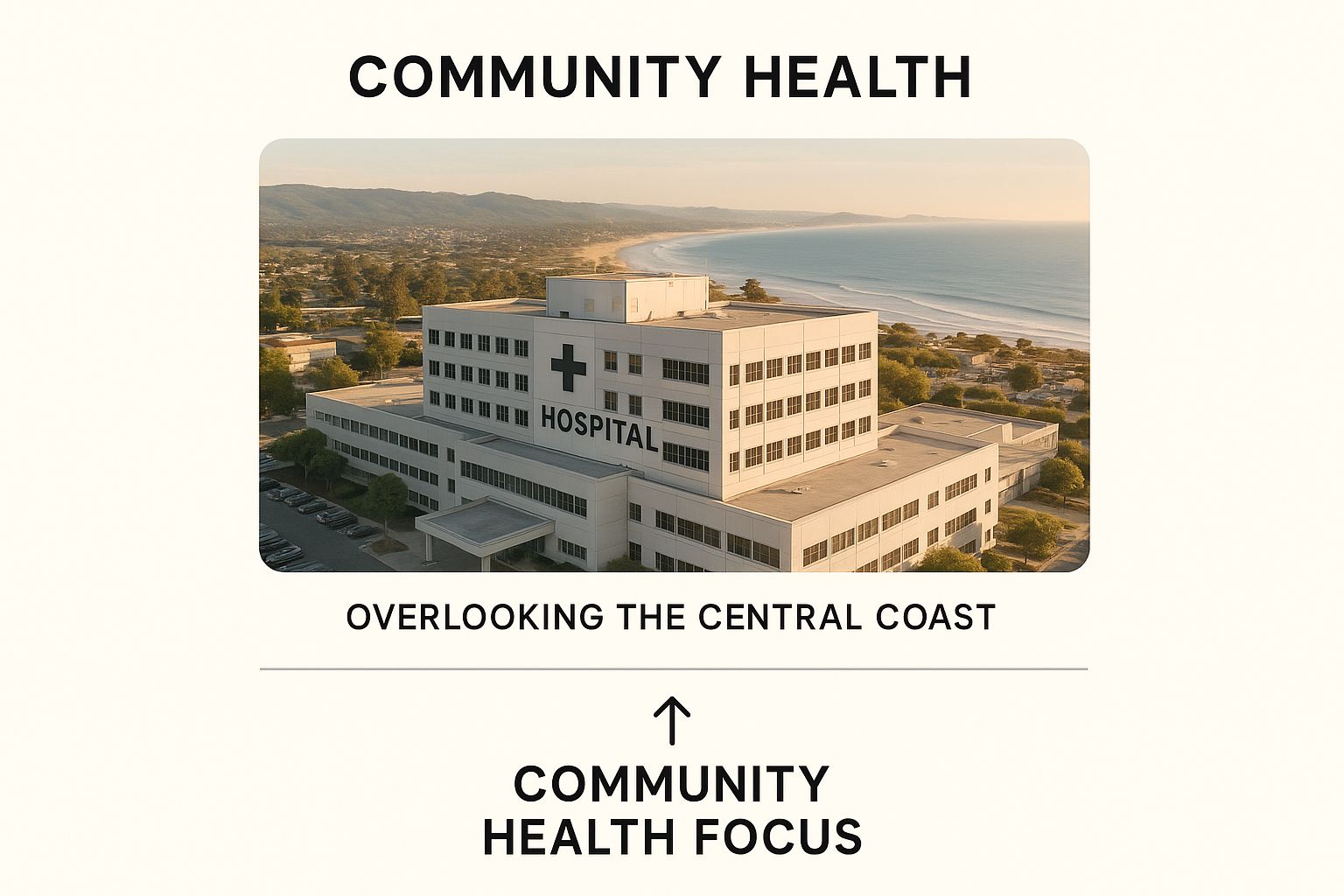
As you can see, a lasting recovery is built on good planning, in-home support, and education for patients and families.
Creating a Secure Home Environment
Our support is more than just medical treatment. It's about making your home a safe place to heal.
Here is a quick look at how our team helps keep patients safe at home and out of the hospital.
CCVNA's Core Strategies for Preventing Readmissions
| Strategy | How It Helps Patients | Team Member Involved |
|---|---|---|
| Fall Prevention Assessments | Our therapists check the home for hazards like loose rugs, poor lighting, or unsafe bathrooms. They help make the home safer. | Physical/Occupational Therapist |
| Empowering Education | We teach patients and families how to spot warning signs, manage symptoms, and know when to call for help. | Registered Nurse, Therapist |
| Coordinated Care | We keep in close contact with your doctor. This ensures your home care plan always matches your health needs. | Care Coordinator, Nurse |
These actions are just a few ways we provide support. We believe in giving you the safety measures and knowledge you need to feel secure.
Thinking about the future is also key to staying safe at home. For those looking to plan ahead, this comprehensive guide on long-term care planning offers valuable information.
Building the Bridge from Hospital to Home
A successful recovery starts long before you walk through your front door. At Central Coast VNA & Hospice, we know a difficult transition can lead to a return trip to the ER. That's why we focus on building a strong, smooth bridge from the hospital to your living room.
This is a true partnership. Our clinical team works with hospital staff across the Central Coast to make sure your care continues without any gaps. This teamwork is how we are reducing hospital readmissions and keeping our community safe at home.
Planning for Your Unique Needs
Before you are discharged, a Central Coast VNA & Hospice Registered Nurse meets with you. This meeting is more than just looking at your medical chart. It’s about getting to know you and the challenges you might face at home.
At CCVNA, we believe that a personalized care plan is the roadmap for a safe recovery. It turns a complex medical journey into clear, manageable steps, giving patients and families confidence and peace of mind.
Our nurses look at every detail to create this roadmap. This proactive approach lets us get ahead of problems before they become a crisis.
Turning Challenges into Solutions
We look at your complete life at home to solve problems ahead of time. It's about creating a practical care plan by looking at your home and your support system.
Some key areas we assess include:
- Your Home Environment: We ask important questions. Is your home two stories, making it hard to move around after surgery? Are there hidden fall risks, like loose rugs?
- Medication Management: We review your new prescriptions carefully. Is the schedule complex? Are there side effects you should know about?
- Your Support System: We connect with your family. We want to know how they can help and give them the tools they need to be confident partners in your recovery.
By spotting these things early, we can schedule a Physical Therapist to meet you on day one. We can also create a simple medication chart that’s easy to follow. This detailed planning helps create a safe recovery at home.
To learn more, explore our guide on how to make a smooth transition from hospital to home. This preparation means a dedicated support system is waiting for you when you get home.
Using Data to Manage Chronic Illness at Home
When you have a chronic condition like heart failure or COPD, you want to stay out of the hospital. These illnesses are major reasons for readmissions. At Central Coast VNA & Hospice, we use data-driven strategies to support you at home.
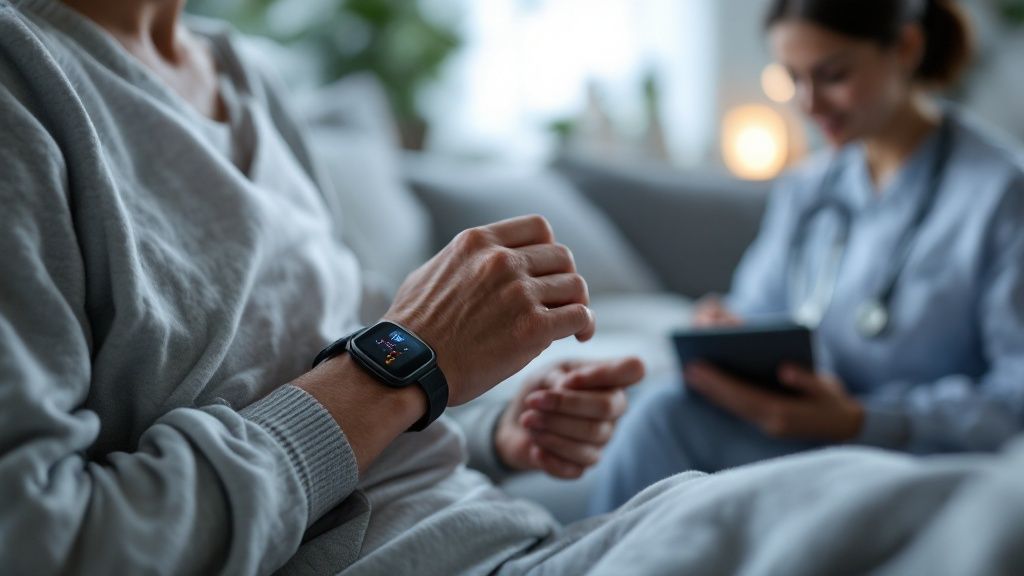
We don’t wait for problems to happen. Our clinical teams use real-time information to stay one step ahead. By watching key health signs, we can adjust your care plan based on what the data tells us. This helps us catch small issues before they become a crisis.
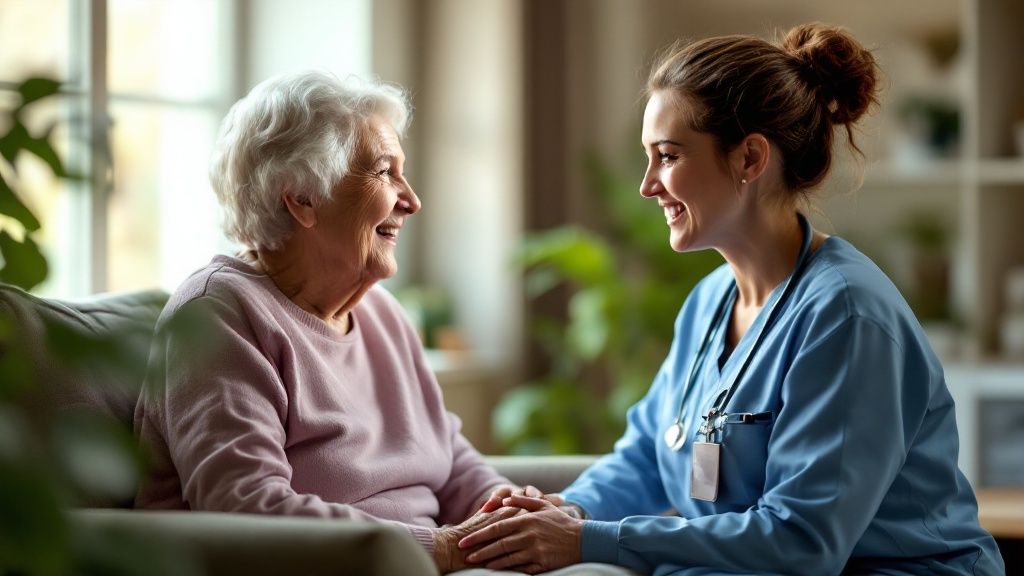
Early Intervention Through Proactive Monitoring
Think of our team as a neighborhood watch for your health. Our Registered Nurses are trained to see small changes that might signal a problem.
For example, a slight weight gain in a heart failure patient could mean fluid retention. This is a common reason for going back to the hospital. When our nurse sees this, they contact the patient’s doctor to discuss changing medications.
This focus on managing chronic illness leads to better health. It also helps lower healthcare costs for our community.
By turning daily health data into action, we help our clinical teams provide responsive care. This keeps patients safer and more comfortable in their own homes.
Supporting National Healthcare Goals
This data-first approach fits with national efforts to improve care after a hospital stay. The Hospital Readmissions Reduction Program (HRRP) from CMS gives hospitals and home health agencies reasons to work together.
The results are positive. For the 2025 fiscal year, only 7% of hospitals faced penalties over 1% for high readmissions. The program targets conditions like heart failure and pneumonia, which are common on the Central Coast. You can read more about these trends in readmission penalties.
This is where Central Coast VNA & Hospice makes a difference. Our targeted care helps local hospitals meet these national goals by addressing the causes of readmission at home. You can explore our effective patient engagement strategies to see how we partner with patients.
This commitment to data and early action fuels our 74-year mission. We work to keep our neighbors in Monterey, San Benito, Santa Cruz, and South Santa Clara counties healthy at home.
Empowering Families with In-Home Education
A confident patient and a prepared family are key to a successful recovery at home. At Central Coast VNA & Hospice, our teams know that preventing a return to the hospital is about more than medical treatments. It requires powerful, hands-on education.
Our Registered Nurses and therapists are also teachers. They are dedicated to empowering you and your loved ones. This turns the stress of recovery into clear, manageable steps for everyone. It's a vital part of how we are reducing hospital readmissions on the Central Coast.
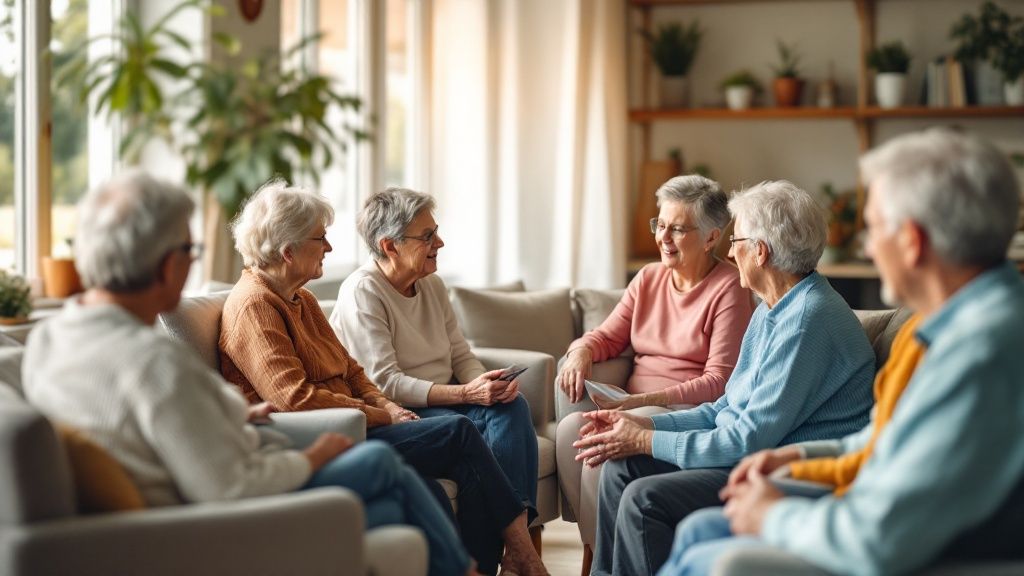
Turning Instructions into Practical Skills
Real education is more than just a pamphlet. It’s about showing people skills that make sense in their own home. Our clinicians take time to ensure families feel capable and ready.
This hands-on approach might look like:
- A Physical Therapist guiding a family member on the safest way to help a loved one with stairs.
- A Registered Nurse sitting down to create a simple, color-coded pill organizer to make a confusing medication schedule easy.
- An Occupational Therapist showing a patient how to use tools like a shower chair to stay independent and avoid falls.
These are real skills that build a strong foundation for a safe recovery. They reduce the risk of accidents that could lead to an emergency room visit.
Teaching Families to Be a Proactive First Alert System
One of the most important parts of our teaching is helping families spot early warning signs. A small issue can grow quickly. An informed family can catch it before it becomes a crisis.
We don't just give families a list of symptoms; we give them a clear plan of action. This replaces worry with calm, decisive steps, so they know exactly when to call us for support.
For example, our Registered Nurse might teach a family how to watch for red flags. This could be a sudden weight gain of more than three pounds in a day for a heart failure patient.
By giving clear guidelines, we turn the family into a first alert system. This focus on practical knowledge is key to our 74-year legacy of serving Monterey, San Benito, Santa Cruz, and South Santa Clara counties. You can find more helpful information in our guide to medication management for the elderly.
The Proven Impact of Coordinated Post-Acute Care
The work Central Coast VNA & Hospice does in Monterey County is part of a larger national effort. A big piece of this effort is called post-acute care.
This is the skilled support you get after you leave the hospital. It helps you continue your recovery at home.
When a team coordinates this care, patient outcomes improve. It’s like a safety net that catches small issues before they become big problems. This is critical for preventing return trips to the hospital on the Central Coast.
A Model That Works for Patients and the Healthcare System
Coordinated home health is a proven strategy with numbers to back it up. Studies show that when skilled home health agencies get involved, hospital readmission rates go down.
This team approach gives patients expert care. It also strengthens our local healthcare system by helping hospitals manage patient flow and reduce costs.
Think of coordinated care as a bridge from the hospital back to daily life. It ensures the momentum of recovery keeps going, preventing dangerous gaps in communication and support that often lead to a relapse.
This model is the heart of what we’ve done for over 74 years as a nonprofit. We bring this high standard of care to our neighbors in Monterey, San Benito, Santa Cruz, and South Santa Clara counties. They can heal safely where they feel most comfortable—at home.
National Data Confirms the Local Impact
The success we see at Central Coast VNA & Hospice is also seen in national data. Research shows a clear link between coordinated home health and fewer hospital readmissions.
For instance, one study found that from 2008 to 2014, readmissions for certain conditions dropped from 6.8% to 4.8%. These numbers show the powerful effect of a partnership between hospitals and home care experts like our teams. For more on these positive national trends, the data is compelling.
It all shows how valuable it is to have an expert team managing recovery after a hospital stay. You can learn more about how our home health care services make a difference right here on the Central Coast.
Your Partners in Health on the Central Coast
Preventing a return trip to the hospital is a team effort. Central Coast VNA & Hospice is proud to be your dedicated partner. For over 74 years, we’ve served our community with one goal: keeping you and your loved ones safe and comfortable at home.
Our approach is built on proactive planning, skilled in-home care, and patient education. It’s a coordinated system that creates a circle of support. This is how VNA is reducing hospital readmissions across Monterey, San Benito, Santa Cruz, and South Santa Clara counties.
As a nonprofit, our commitment is to community wellness. To keep our services running, VNA actively seeks and manages various healthcare grants that help sustain our mission.
From our home health services to palliative and hospice care, our full spectrum of care ensures you are never alone. We are more than a provider; we are your local partners in health.
Contact us today to learn how our compassionate teams can support your family.
Frequently Asked Questions
When a loved one is recovering from a hospital stay, families often have questions. Here are clear answers to common concerns. We want you to understand how home health care works and why it’s so effective.
How soon after hospital discharge does CCVNA care begin?
Our goal is a smooth transition from hospital to home. A Central Coast VNA & Hospice Registered Nurse will typically visit within 24 to 48 hours of your return. This quick start is critical for getting your recovery plan rolling right away.
Who qualifies for home health services to prevent readmission?
Home health is for patients discharged from the hospital who need skilled medical care to recover safely. This often includes nursing, physical therapy, or speech therapy at home. Your doctor will refer you if they believe our support can help you heal and stay out of the hospital.
What is the difference between home health care and other in-home help?
Home health care from Central Coast VNA & Hospice is skilled medical care ordered by a doctor. It is provided by licensed professionals like Registered Nurses and Physical Therapists. This is different from non-medical home care, which helps with daily tasks like cooking or light housekeeping.
Does my family get involved in the care plan?
Yes, absolutely. An informed and confident family is a powerful tool for preventing hospital readmissions. Our team works closely with you and your family members. We provide the education and training they need to feel comfortable helping with your care.
How does CCVNA coordinate with my doctor?
We are an extension of your doctor's office in your home. Our team communicates regularly with your primary physician and any specialists. We send progress updates and report any changes in your condition immediately to ensure your care is always aligned with your doctor's orders.
For over 74 years, Central Coast VNA & Hospice has been the Central Coast's trusted nonprofit partner in health. If you or a loved one needs support after a hospital stay, we are here for you.
Learn more about our full continuum of care and see how we can help.