
Caring for your parents at home is a journey that starts with heartfelt conversations. The goal is to figure out their needs together. This helps create a plan that respects their independence while making sure they are safe and well.
Starting Your At-Home Care Journey
Deciding to care for an aging parent at home is a major commitment. It is an act of love and respect. This transition rarely happens overnight, often beginning when you notice small changes in their daily life.
The most important first step is to talk with them. These conversations build a foundation of trust. You are not there to take over; you are there to partner with them in their care.
Initiating the Conversation
Finding the right moment for this chat is key. Look for a quiet, comfortable time when no one feels rushed. Frame the conversation around your concern for their well-being, not as if you are trying to control their life.
A gentle approach with open-ended questions works best. You could try saying something like:
- "I've noticed you seem a bit worn out lately. How have you been feeling?"
- "Are there any chores around the house that are getting harder to manage?"
- "What would you think about getting a little help with groceries or getting to appointments?"
These questions can open the door to a real discussion. Remember to listen more than you talk. Hearing their concerns makes all the difference.
Assessing Their Needs Together
Once you have started talking, you can explore their needs together. When they feel like part of the process, it helps preserve their dignity. This gives them a sense of control over their own lives.
It’s important to remember that most families providing at-home care also manage chronic health conditions. In the U.S., 86% of home health care recipients are aged 65 or older (CDC, 2021). Creating a supportive and safe home is critical.
A big part of this assessment is knowing when to bring in professional help. For families in Monterey County, San Benito County, Santa Cruz County, or South Santa Clara County, Central Coast VNA & Hospice offers a wide range of services. Learn more about our in-home care for seniors to see how our skilled team can support your family.
Initial Care Needs Assessment Checklist
| Care Category | Key Questions to Ask | Potential Next Steps |
|---|---|---|
| Personal Care | Do they need help with bathing, dressing, or grooming? | Consider a Hospice Aide for a few hours a week. |
| Household Tasks | Are they struggling with cooking, cleaning, or laundry? | Look into meal delivery services or a housekeeping service. |
| Health Management | Can they manage their medications? Are they getting to doctor's appointments? | Use a pill organizer; explore professional in-home nursing support. |
| Mobility & Safety | Have they fallen recently? Is the home safe from trip hazards? | Install grab bars, improve lighting, and consider a medical alert system. |
| Social & Emotional | Do they seem lonely or isolated? Are they staying engaged with friends? | Schedule regular visits, encourage social outings, or find local senior programs. |
This checklist is a starting point to guide your conversations and planning. Every family's situation is unique, so you will adapt it to fit your parent's specific circumstances.
Creating a Safe and Supportive Home Environment

Making a home safe for an aging parent is one of the most practical steps you can take. A secure environment does more than prevent accidents. It empowers your parent to maintain their independence for as long as possible.
The goal is not just to remove hazards. It is about creating a living space where your parent feels capable and comfortable. This means making thoughtful adjustments that adapt to their changing needs.
Prioritizing High-Risk Areas
Some parts of the house are riskier for seniors. The bathroom, kitchen, and stairways should be at the top of your list. Focusing your efforts here can prevent common accidents like falls.
Take the bathroom, for instance. A quick fix is installing non-slip mats in the tub and on the floor. Adding sturdy grab bars near the toilet and inside the shower provides crucial support.
Practical Modifications for Everyday Safety
Small tweaks throughout the home can make a world of difference. These modifications are about improving visibility and clearing pathways. They also ensure everything is within easy reach.
Think about the way people move through the house. Are there obstacles that could cause a trip? Taking time to address these hazards can create a much safer environment.
- Improve Lighting: Swap out dim bulbs for brighter ones, especially in hallways and stairwells. Nightlights in bedrooms and bathrooms can make navigating at night much safer.
- Secure Rugs and Cords: Get rid of small throw rugs that slide easily. Secure larger area rugs firmly to the floor and tidy up electrical cords along walls.
- Rearrange Furniture: Create wide, clear paths between rooms. Make sure there is plenty of space for your parent to move easily, especially if they use a walker or cane.
Establishing a Supportive Routine
A safe home is also about creating supportive systems. This helps reduce stress for everyone. It ensures that help is always close by if needed.
One of the most important systems is for medication management. A simple weekly pill organizer, clearly labeled, can prevent missed doses. Setting daily reminders on a phone can also be a huge help.
Having an emergency plan is another key element. This should include a list of important contacts and medical information posted in a visible spot. Many families also get peace of mind from a medical alert system.
Finally, remember to protect against invisible dangers. Promoting carbon monoxide awareness and ensuring detectors are working can save lives. Small steps like these build a powerful safety net.
Managing Daily Health and Medical Needs

Juggling your parent's medications and appointments can be demanding. Creating a structured system is for their health and your peace of mind. An organized approach helps ensure nothing gets missed.
It's estimated that approximately 70% of people who turn 65 will need some form of long-term care (U.S. Department of Health and Human Services, 2020). This reality shows why having a solid home care plan is so important.
Organizing Medications and Prescriptions
For many older adults, the day revolves around multiple prescriptions. The first thing to do is create a single, comprehensive list of every medication they take. This list should include prescription drugs, over-the-counter medicines, and supplements.
For every item, document:
- The name of the medication and its dosage
- The reason it is being taken
- The prescribing doctor’s name and phone number
- The time of day it needs to be taken
- Any special instructions, like taking it with food
Once you have this list, a weekly pill organizer is very helpful. Set aside time once a week to fill it. This simple routine is one of the best ways to prevent medication errors.
Making the Most of Doctor Visits
Doctor's appointments can feel rushed and overwhelming. Preparation is everything. Before each visit, jot down any new symptoms, concerns, or questions.
Always bring your updated medication list to the doctor. It also helps to take notes during the appointment. This simple habit helps you leave the office feeling confident.
When to Seek Professional Home Health Support
While family members provide loving support, some medical needs require trained professionals. Knowing when to bring in help is a crucial part of providing the best care. This is where an organization like Central Coast VNA & Hospice can become part of your team.
For over 74 years, our nonprofit has served families in Monterey County, San Benito County, Santa Cruz County, and South Santa Clara County. Our mission is to provide compassionate, mission-driven care right in the comfort of home.
Professional home health services can be a game-changer. A Registered Nurse can handle complex wound care or IV therapy. A Physical Therapist can help your parent regain strength and mobility.
Understanding what support is out there can lift a huge weight off your shoulders. The goal is to build a team around your parent. For those "what if" scenarios, it's wise to be prepared by understanding the best AEDs for home use.
Nurturing Emotional and Social Well-Being
Caring for an elderly parent at home is more than just managing physical needs. You are also nurturing their spirit. You help them feel connected, valued, and engaged with life.
This part of the journey is about protecting their sense of identity and purpose. It means truly listening and showing empathy. Focusing on their emotional well-being contributes to a higher quality of life.
Fostering Connection and Combating Loneliness
One of the toughest challenges for seniors is social isolation. As their world gets smaller, it is essential to create opportunities for connection. This protects their mental health.
Simple, consistent actions have power. A short, meaningful visit can be more impactful than a large, overwhelming gathering. It is about quality over quantity.
Here are a few practical ideas:
- Schedule Regular Visits: Set aside dedicated time for family and friends to stop by. A shared calendar can help coordinate visits so your parent has consistent social interaction.
- Embrace Technology: A user-friendly tablet can open up a new world of connection. Video calls or online groups for seniors can make a huge difference.
- Explore Local Programs: Many communities in Monterey and Santa Cruz County have senior centers or clubs. These provide a sense of purpose and community.
Encouraging Hobbies and Purposeful Activity
Keeping up with hobbies is vital for cognitive health. When a parent can no longer do their favorite activities, they can feel a profound sense of loss. The key is to help them adapt activities or introduce new ones.
For example, if they loved gardening, set up a few raised garden beds. If they loved to read, an e-reader or audiobooks can keep their passion alive. The goal is to focus on what they can do, not what they cannot.
Recognizing Signs of Emotional Distress
Emotional challenges like depression or anxiety can surface. It is crucial for family members to be aware of the signs. They can sometimes be brushed off as a normal part of getting older.
Keep an eye out for changes in their behavior or mood. This might look like a loss of interest in activities, shifts in appetite, or increased irritability. These can be indicators of a deeper issue.
When these signs appear, seek professional support. A Medical Social Worker from Central Coast VNA & Hospice can provide counseling. Our Chaplains also offer spiritual support to people of all faiths.
For parents managing a serious illness, this emotional support is key. Learn more about how our teams provide this support through our palliative care services. This type of care focuses on improving quality of life.
Understanding the Continuum of Care on the Central Coast
As your parent's health changes, the support they need will also change. This progression is called the Continuum of Care. For over 74 years, our team at Central Coast VNA & Hospice has walked this path with families, ensuring every transition is compassionate.
Knowing the difference between home health, palliative, and hospice care is key. It helps you make confident decisions for your loved one. The goal is to get the right care at the right time.
The First Step: Home Health Care
Home Health care is skilled medical support focused on recovery. A doctor typically orders it after a hospital stay or surgery. The main objective is to help your parent regain strength and independence at home.
For instance, after a surgery, a Central Coast VNA & Hospice Registered Nurse and Physical Therapist would visit. They would manage wound care and guide your parent through exercises. This care is goal-oriented to get patients back on their feet.
This type of care is designed to help patients recover. You can find out more about how we help families in our community with home health care services in Monterey, CA.
When Palliative Care Is the Right Choice
Palliative care is for people living with a serious illness. Its focus is on providing relief from symptoms and stress. It is an extra layer of support.
The main goal is to improve quality of life for both the patient and the family. A person can receive palliative care at any stage of a serious illness. They can even get it while undergoing curative treatments.
Comfort and Dignity with Hospice Care
Hospice care is for individuals nearing the end of their lives. This is usually when a doctor believes they have six months or less to live. The focus shifts from curing the illness to ensuring comfort and peace.
Hospice is not about giving up. It is about choosing to live the remainder of one’s life as fully and comfortably as possible. This is done with a compassionate support system.
This support comes from a team of physicians, nurses, Hospice Aides, and Chaplains. They work together to manage pain and provide emotional support. For families across Monterey, San Benito, Santa Cruz, and South Santa Clara counties, our hospice team is available 24/7.
Understanding the Continuum of Care Services
| Service | Primary Goal | Who It's For | Common Services Provided |
|---|---|---|---|
| Home Health Care | Recovery and rehabilitation | Patients recovering from surgery, illness, or injury at home. | Skilled nursing, physical/occupational therapy, wound care, medication management. |
| Palliative Care | Symptom relief and quality of life | Patients at any stage of a serious illness, often alongside curative treatment. | Pain management, emotional support, help with treatment side effects, family counseling. |
| Hospice Care | Comfort, dignity, and peace | Patients with a life expectancy of six months or less, when curative treatment has stopped. | 24/7 symptom control, spiritual care, personal care assistance, bereavement support for family. |
Each service plays a unique and vital role. By matching the right care to your loved one’s current needs, you ensure they receive the most effective support.
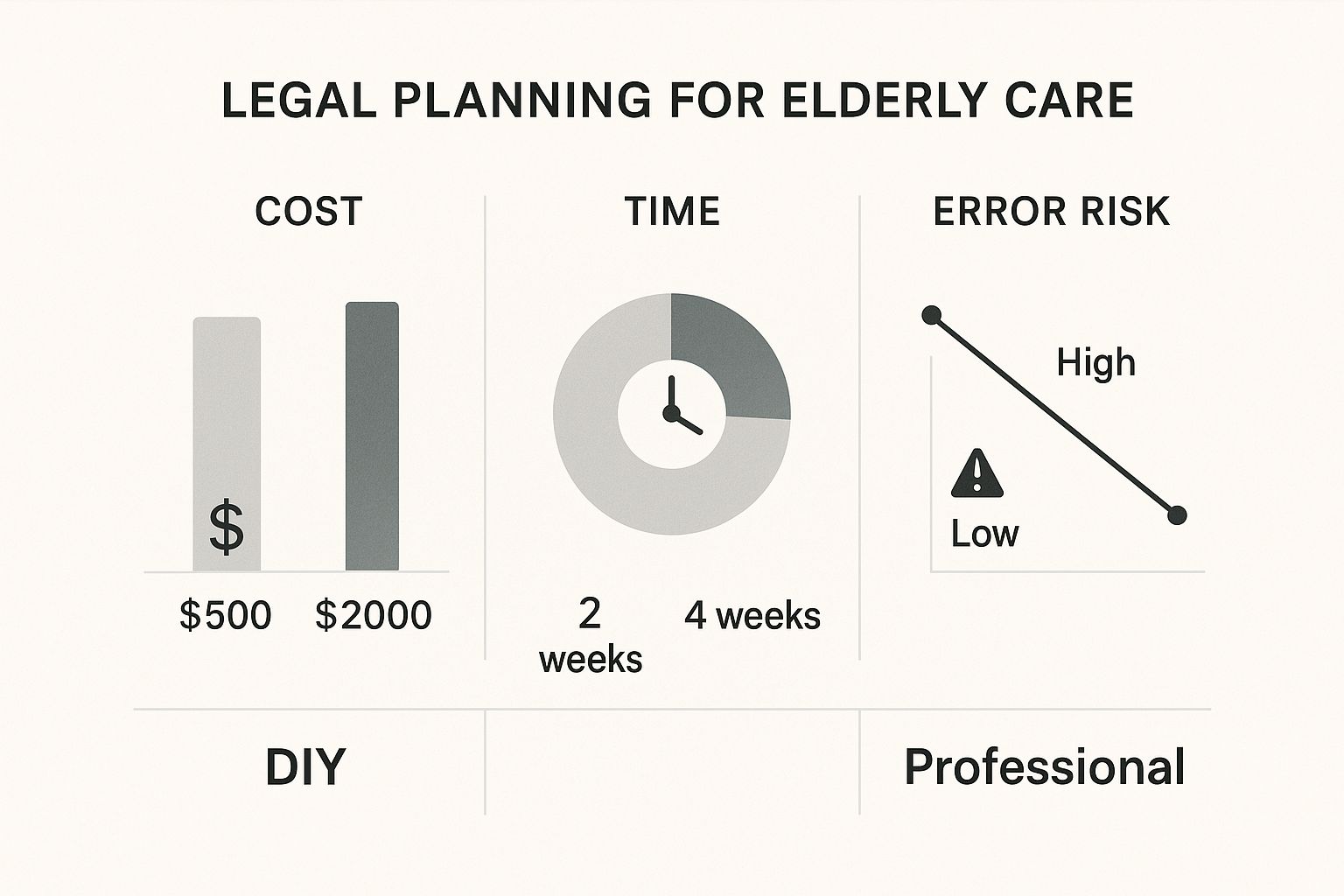
Professional guidance can lower the risk of costly mistakes while navigating elder care. This is especially true as technology like telehealth helps seniors live safely at home longer.
Frequently Asked Questions (FAQs)
How can I balance caregiving with my own life?
Preventing burnout is essential for your well-being. Set up a shared family calendar to schedule tasks and personal time. Ask for help from family and friends, and consider professional respite care for scheduled breaks.
What financial help is available for in-home care?
Explore several options for financial assistance. Long-term care insurance policies often cover in-home services. Medicare may cover certain home health services prescribed by a doctor, and veterans may be eligible for VA benefits.
When should we consider professional home health?
It is time for professional help when medical needs become too complex. This includes tasks like wound care or managing difficult medication schedules. If you feel overwhelmed or your parent's health declines, it is a clear sign to contact a professional home health agency like Central Coast VNA & Hospice.
How do I talk to my parent about their future care needs?
Choose a calm moment and express your love and concern. Use "I" statements like, "I've been worrying about…" to avoid sounding demanding. Listen to their fears and wishes, and understand this may take several small talks over time.
What are the most important legal documents we need?
Getting legal documents in order ensures your parent's wishes are honored. Key documents include a Durable Power of Attorney for Healthcare, a Durable Power of Attorney for Finances, and an Advance Directive (or Living Will). An elder law attorney can help ensure everything is legally sound.
Navigating at-home care is a journey you don't have to take alone. For over 74 years, Central Coast VNA & Hospice has provided compassionate, professional support to families across the Central Coast. If you have questions or need guidance, our team is here to help.
Contact us today to learn more about our services at https://ccvna.com.