
For many families on the Central Coast, the word "hospice" can feel heavy. It often brings up feelings of fear or defeat.
Let’s clear the air and tackle the biggest myth head-on. Hospice is not about giving up. Far from it, it's a compassionate philosophy of care centered on improving quality of life. The goal is to make every day as comfortable and dignified as possible.
Hospice Fact vs. Fiction Quick Guide
Before we dive deeper, let's look at the most common myths. This table cuts through the confusion. It offers a clear, factual view of hospice care.
| Common Myth | The Reality of Hospice Care |
|---|---|
| Hospice is a place you go to die. | Hospice is a service that comes to you, wherever you call home. |
| It means you've given up hope. | It redefines hope, shifting the focus to quality of life and comfort. |
| It’s only for the last few days of life. | It's for anyone with a life-limiting illness and can provide support for months. |
| You lose control over your care. | It’s patient-centered, honoring your wishes and personal goals. |
Seeing the facts laid out like this helps shift the perspective. It moves from fear to empowerment. Now, let’s explore what this philosophy of care truly looks like.
Understanding What Hospice Care Really Is
If you think hospice signals the end of hope, you’re not alone. But this is a profound misunderstanding. In reality, hospice helps redefine hope.
The focus shifts from curing an illness to living as fully and comfortably as possible. This specialized care supports individuals with a life-limiting illness. It provides expert symptom management and deep emotional support in the familiar surroundings of home.
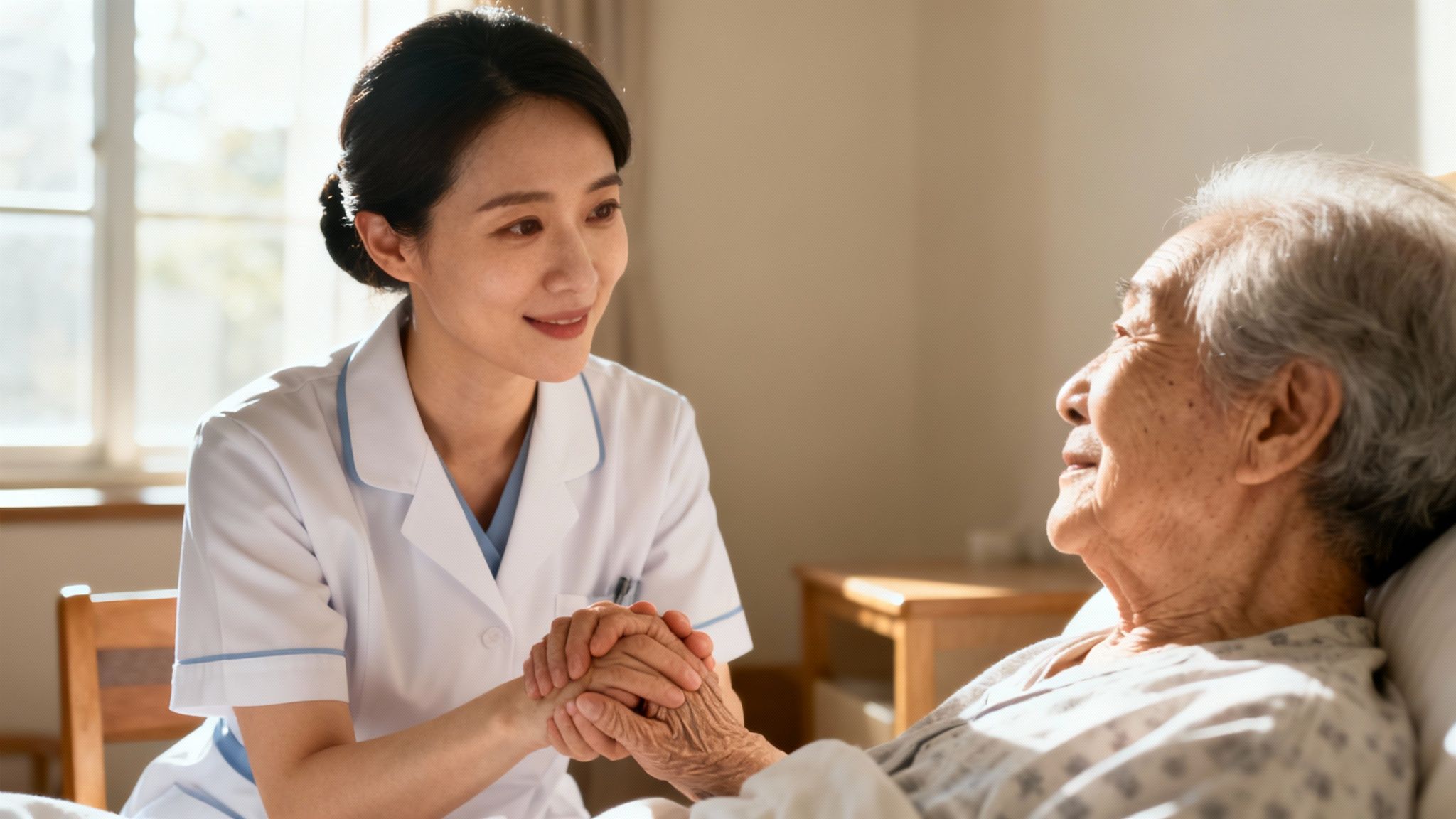
As a nonprofit organization with over 74 years of local experience, Central Coast VNA & Hospice has walked alongside countless families. We serve Monterey County, San Benito County, Santa Cruz County, and South Santa Clara County. Our approach is built on adding life to a person's days, not just counting them.
A Team-Centered Approach to Comfort
Choosing hospice is about gaining a dedicated team of professionals. They work together to support both the patient and their loved ones. This team is designed to address physical, emotional, and spiritual needs.
Your hospice team will typically include:
- Registered Nurses who are experts at managing pain and other difficult symptoms.
- Hospice Aides who provide gentle assistance with personal care and daily activities.
- Medical Social Workers who offer emotional support and help connect families with community resources.
- Chaplains who provide spiritual guidance, respecting all faiths and beliefs.
This collaborative model ensures care is truly holistic. It addresses the whole person, not just the disease. To get a deeper look, explore our guide on what hospice care really is.
Hospice is not a place you go to; it is a service that comes to you. It’s about surrounding a patient with support, managing symptoms, and honoring their wishes to live with dignity and peace.
Understanding this truth helps families make informed, confident decisions. It transforms a path once viewed with fear into a journey supported by compassion. Hospice empowers patients to focus on what matters most: quality time with loved ones.
Why Hospice Is Not Just for the Final Days
One of the most damaging myths about hospice care is that it's only for the last hours or days of life. This misunderstanding makes families wait. This delays crucial support and adds stress to a difficult time.
Let's be clear: hospice isn't about giving up. It's about improving the quality of the time that's left.
The official guideline is that hospice is for someone with a life-limiting illness and a prognosis of six months or less. When care starts closer to that six-month mark, the benefits are profound. It gives everyone time to manage symptoms, build trust with the care team, and focus on what truly matters.
The Benefits of Starting Care Sooner
Putting off the hospice conversation means missing out on months of compassionate support. Sadly, half of hospice patients receive care for 17 days or less because of delayed decisions. At Central Coast VNA & Hospice, our goal is to help families in Santa Cruz County understand that timely hospice care in Monterey County can make life better for months, not just days.
When hospice begins earlier, families experience:
- Better Symptom Control: Our Registered Nurses are experts in managing pain, making your loved one more comfortable.
- Stronger Emotional Support: Our Social Workers and Chaplains provide emotional and spiritual guidance for the entire family.
- Reduced Family Stress: The hospice team offers education and hands-on support, easing the strain on family.
- More Meaningful Time: Once symptoms are controlled, families can focus on each other and create positive memories.
Research shows that patients on hospice may even live longer than those who forgo it, especially when enrolled early. This highlights how effective symptom management and emotional support can improve overall well-being.
Waiting for a crisis to consider hospice often means losing the opportunity for peaceful, planned, and dignified care. The true value of hospice is unlocked when it becomes part of the journey, not just the destination.
Knowing when to make the call can feel overwhelming, but you don't have to figure it out alone. Learning the key signs can empower you to start the conversation sooner. You can learn more about when to call hospice in our helpful guide.
How Hope and Treatment Evolve with Hospice
A common fear is that choosing hospice means giving up hope and all medical treatment. This misunderstanding keeps families from getting the comfort they need. But the truth is, hospice isn’t about losing hope; it’s about redefining it.
Hope is an essential part of being human. At the end of life, hope can transform. Hope for a cure might shift into hope for comfort, peace, and meaningful moments. It becomes hope for a day without pain or for one more laugh with family.
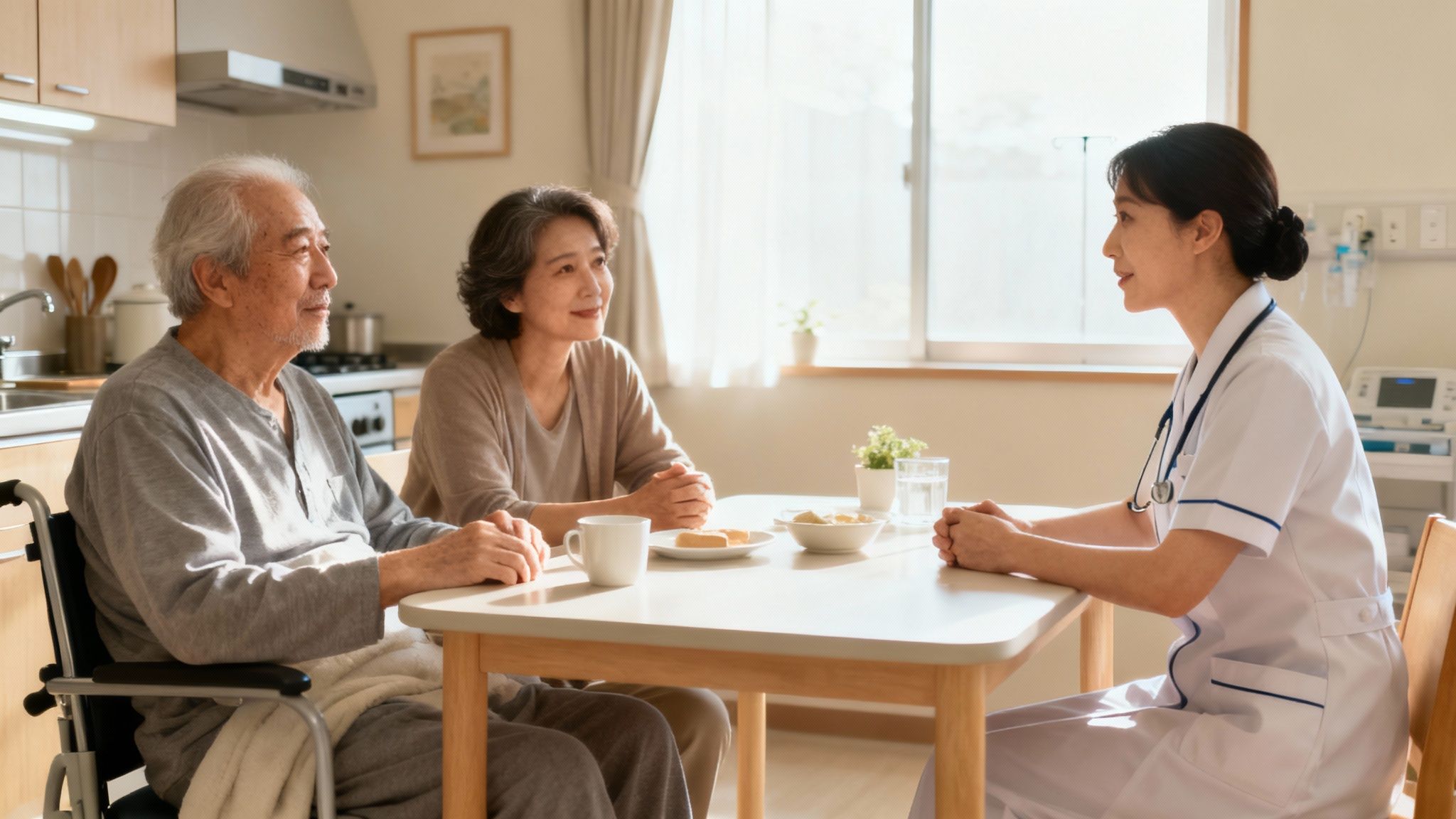
Treatment Continues with a Focus on Comfort
Let's clear up one of the biggest myths. You do not have to stop all medications to be on hospice. The focus of hospice is no longer on curative treatments for the primary illness. However, it absolutely continues to manage other conditions to keep the patient comfortable.
A patient’s care plan is adjusted to align with these new goals. For example:
- Someone with terminal cancer can continue taking daily medication for diabetes or high blood pressure if it contributes to their well-being.
- A patient with end-stage heart disease might receive antibiotics for a urinary tract infection to prevent discomfort.
- Medications to manage anxiety, depression, or shortness of breath are essential parts of comfort care.
The core mission is to improve quality of life. The compassionate team at Central Coast VNA & Hospice works with each patient and family. Together, we create a personalized plan that honors your loved one’s wishes and puts their comfort first.
A Partnership in Care and Decision-Making
Far from taking control away, hospice empowers patients. Their goals are at the center of every conversation. Hospice is a true partnership. Your family and our team decide together which treatments add comfort and which ones might add a burden.
Hope in hospice is not the absence of treatment. It is the presence of a dedicated team committed to ensuring every day is lived as fully and comfortably as possible, according to the patient’s own wishes.
This shift allows families in our service areas to move their energy away from stressful appointments. They can focus on what really matters: spending quality time together. It’s a transition from fighting an illness to embracing life with a different kind of support.
Receiving Hospice Care in the Comfort of Home
Many people hear "hospice" and picture a specific building. This is a common misunderstanding. The reality is much more reassuring.
Hospice isn't a place you go to. It's a philosophy of care that comes directly to you, wherever you call home. This specialized support can be delivered in a private house, an assisted living community, or a nursing home. Being in a familiar setting helps people maintain a sense of normalcy and peace.
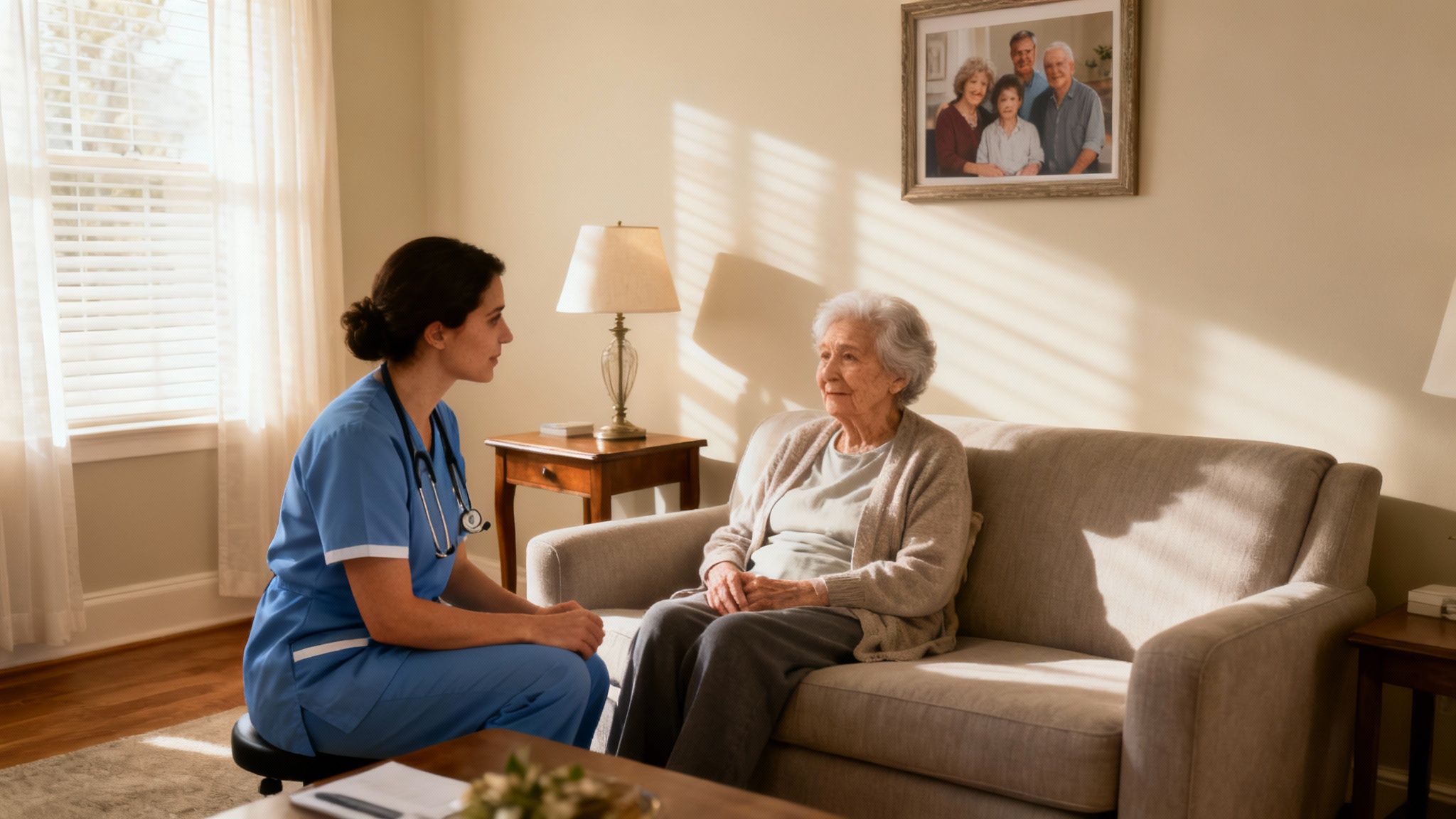
Bringing Comprehensive Support to You
At Central Coast VNA & Hospice, our team brings this entire circle of support to your doorstep. Our model is built to be patient-focused. We coordinate everything you need in the comfort of your home.
This is a whole team of dedicated professionals who visit regularly:
- Registered Nurses are there to manage symptoms and provide expert medical oversight.
- Chaplains offer spiritual comfort tailored to your personal beliefs and values.
- Social Workers provide crucial emotional support and connect your family with helpful community resources.
- Hospice Aides offer gentle, hands-on assistance with personal care.
Understanding the role of a Certified Nursing Assistant (CNA) gives you a window into the compassionate, hands-on support patients receive. To learn more about how we bring this care to families, you can learn about our in-home hospice care.
Hospice care is not about moving to a new facility. It’s about bringing a dedicated team of medical, emotional, and spiritual experts to support you in the place you know and love best.
The preference for receiving care at home is a major trend. For families across Monterey, San Benito, Santa Cruz, and South Santa Clara counties, this home-centered model ensures care is personal and dignified. It is always focused on what matters most to you.
Distinguishing Palliative Care from Hospice Care
It’s easy to get palliative care and hospice care mixed up. But knowing the difference is crucial for getting the right support.
Here’s a simple way to think about it: all hospice care is palliative, but not all palliative care is hospice. Palliative care is an extra layer of support. It provides relief from symptoms and stress of any serious illness, no matter the prognosis. You can receive palliative care while still pursuing treatments to cure your condition.
How Palliative Care Acts as a Bridge
Here at Central Coast VNA & Hospice, we see palliative care as a helpful bridge. It introduces comfort-focused support early on. This allows families in Monterey and San Benito counties to get help much sooner. This approach can then create a smooth transition to hospice care if and when the time is right.
Palliative care is all about adding to your current treatment plan to improve your quality of life. Hospice is a specific type of palliative care for when the focus shifts entirely to comfort.
Sadly, access to this kind of support isn't universal. A recent global study found that only 14% of countries have an advanced level of palliative care development. This highlights a huge need for better access and training.
Palliative care is a vital part of the healthcare journey. For a more detailed breakdown, you can read our guide on palliative care versus hospice care. Getting clear on these options helps your family make informed decisions.
Making an Informed Choice for Your Family
Throughout this guide, we've separated myths from facts to show that hospice isn’t what you think. It is an empowering choice focused on living as well as possible, for as long as possible. The journey is about getting comprehensive support for the patient and the entire family.
As a nonprofit, mission-driven organization, Central Coast VNA & Hospice has one priority. It's the well-being of the communities we've served for over 74 years. Our focus is on families right here in Monterey, San Benito, Santa Cruz, and South Santa Clara counties.
Your Next Steps Toward Peace of Mind
Don’t wait for a crisis to start asking questions. Learning about your options early brings calm and clarity. Understanding the financial side is also part of planning. We can help you figure out how to pay for hospice care.
We know every family’s situation is unique. We invite you to have a compassionate, no-obligation conversation with one of our local experts. We’re here to listen, answer your questions, and help you understand how our continuum of care can support you.
Making an informed choice begins with a simple conversation. Gaining clarity now is a gift you can give yourself and your loved ones, replacing uncertainty with confidence and support.
This is a time for comfort and dignity, not confusion. By reaching out, you’re taking a brave step toward ensuring your loved one’s wishes are honored with compassionate, expert care on the Central Coast.
Frequently Asked Questions About Hospice Care
Making decisions about hospice care is a significant step. It is natural to have questions. Getting clear, honest answers is the best way to feel confident.
We've gathered some of the most common questions we hear from families. This will help you separate fact from fiction.
Can I Keep My Own Doctor if I Enroll in Hospice?
Yes, absolutely. The Central Coast VNA & Hospice team works hand-in-hand with your primary care physician. We consider your doctor a vital part of your care team. Your trusted doctor can continue to guide your medical plan. We coordinate closely with them to honor your personal wishes.
Who Pays for Hospice Care?
Hospice is a benefit covered by Medicare, Medi-Cal, and most private insurance plans. This coverage is all-inclusive. It typically pays for the care team's services, medical equipment, and medications related to the terminal illness. As a nonprofit, Central Coast VNA & Hospice cares for everyone who is eligible, regardless of their ability to pay.
What if a Patient's Condition Improves?
Hospice is not a one-way street. If a patient's health gets better and their prognosis changes, they can be discharged from hospice care. It happens more often than you might think. The patient can then go back to curative treatment. If needed, you can always re-enroll in hospice later.
Does Hospice Provide 24/7 In-Home Staff?
Hospice care is built around regular, scheduled visits from your dedicated team. This includes a Registered Nurse, Hospice Aide, and Social Worker. While we don't place staff in the home 24/7, we provide 24/7 on-call support for any urgent needs or medical questions.
How Does Hospice Support the Family?
Supporting the entire family is at the heart of what we do. Our team provides education to help you know what to expect. We also offer emotional and spiritual support from our Social Workers and Chaplains. Our support continues after a loved one passes, with bereavement counseling for up to 13 months.
When is the right time to contact hospice?
The right time to contact hospice is when you or a loved one is diagnosed with a life-limiting illness. An early conversation allows you to learn about your options before a crisis occurs. It gives you time to make decisions that align with your wishes for comfort and quality of life.
What is palliative care at home?
Palliative care at home is specialized medical care focused on relieving symptoms and stress from a serious illness. It can be provided alongside curative treatment. The goal is to improve the quality of life for both the patient and their family in the comfort of their own home.
Have questions about hospice? You’re not alone. Speak with a compassionate expert from Central Coast VNA & Hospice today at 831‑372‑6668 or explore our services at ccvna.com.