
When you take on wound care for a loved one at home, you're doing something truly incredible. It can feel like a lot to handle at first, but with the right guidance, you absolutely have what it takes. Getting home wound care right is the key to preventing infections, speeding up the healing process, and keeping your family member comfortable and safe where they want to be—at home.
Your Role in Successful Home Wound Care
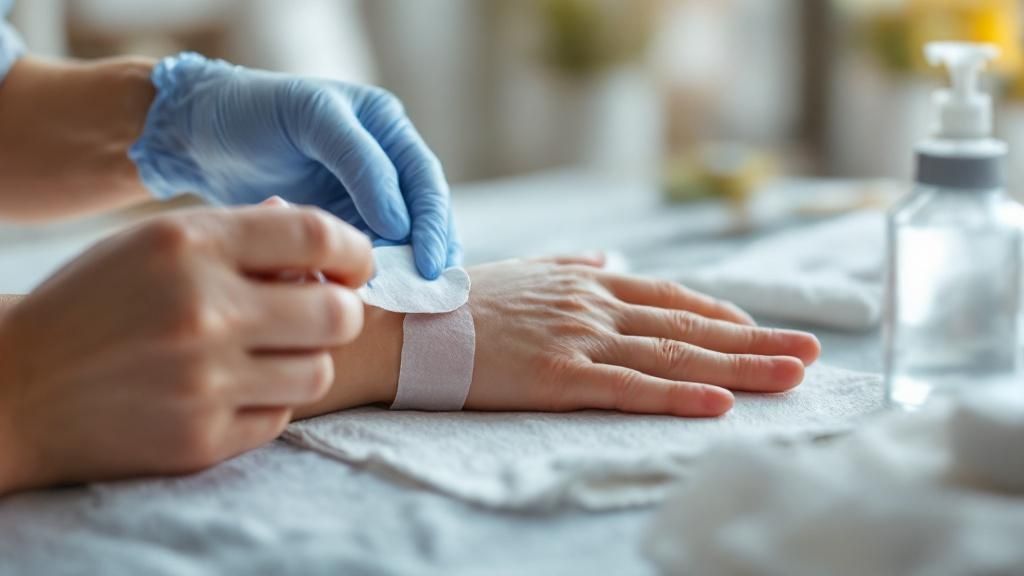
Think of this guide as a partner in your corner, here to break down the essentials of cleaning, dressing, and watching over a wound. We want to turn what feels like a clinical, intimidating task into a routine you can handle with confidence. It’s all about giving you the practical skills to be an amazing partner in their healing journey.
For over 74 years, our team at Central Coast VNA & Hospice has focused on one thing: bringing expert clinical care into homes across the Central Coast. We’ve been a part of families' lives throughout Monterey County, San Benito County, Santa Cruz County, and South Santa Clara County, because we know that real healing happens at home.
The Foundation of Effective Care
At its core, effective wound care boils down to three simple things: keeping the area clean, dry, and covered. This straightforward approach is your best defense against complications and creates the perfect environment for the body to do its healing work.
You do not need a medical degree to provide great care, but you do need to be consistent and pay close attention to the details. Your main job is to follow the specific instructions from our clinical team and act as their eyes and ears, as your observations are incredibly valuable.
Central Coast VNA & Hospice was founded on the belief that compassionate, skilled care belongs in the home. Our Registered Nurses and clinical teams provide families with personalized training and ongoing support, ensuring you never feel alone in this journey.
This guide is meant to back up the hands-on training our clinicians provide. It’s a resource you can come back to for a quick reminder or a bit of reassurance as you get more comfortable with the process.
What You Will Learn
We’ve designed this guide to be as clear and actionable as possible, without confusing medical jargon. We will walk you through just the straightforward, step-by-step instructions to give you the tools for success.
We will cover:
- Setting Up Your Space: How to create a dedicated, clean, and organized spot for wound care.
- Cleaning Techniques: The right way to gently clean a wound without causing more pain or introducing germs.
- Applying Dressings: How to apply the specific dressing your nurse recommended to keep the wound protected.
- Monitoring for Issues: How to spot the early warning signs of an infection or other problems.
A Partnership in Healing
Remember, you aren't doing this alone; you are a critical part of the care team. The information you share and the care you provide are essential to the success of the clinical plan our home health professionals have put together.
Central Coast VNA & Hospice is the only local nonprofit that offers a full continuum of care, from home health to palliative and hospice services. This means that if your loved one's needs evolve, our team is right there to ensure the transition is smooth and the care is consistent. We are committed to supporting you and your family every step of the way. Contact us today to learn more about our home health nursing services.
Setting Up Your Wound Care Station
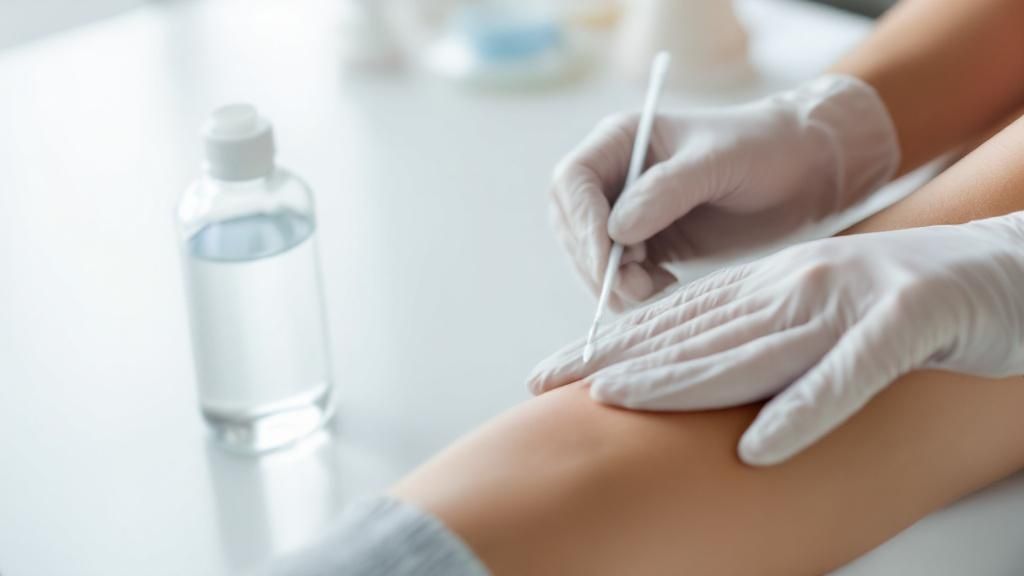
Before you even touch a dressing, the very first step toward safe and stress-free home wound care is creating an organized space. Having a dedicated, clean station is about more than just being tidy—it's your front line of defense against contamination. It also makes the entire process calmer for both you and your loved one.
Think of this as your mission control for healing. Find a spot with good lighting and a hard, non-porous surface you can easily wipe down, like a kitchen counter away from food prep or a small utility cart. The key is to choose a location that's out of the way of daily household hustle to keep things as sterile as possible.
When you're in the middle of a dressing change, the last thing you want is to be scrambling for a roll of tape or a pair of gloves. Having everything you need laid out and within arm's reach is critical to providing the best care without interruption.
Assembling Your Essential Supplies
Your Central Coast VNA & Hospice Registered Nurse will always give you a list of supplies tailored to the specific wound you're caring for. Still, it’s a good idea to have a basic kit on hand and understand what each item is for.
These supplies are essential, and their impact is felt on a global scale. The market for wound and skin care products is projected to hit USD 14,141.47 million by 2035, which really underscores how vital quality supplies are for successful healing at home. You can explore more market trends and the data behind them on Future Market Insights.
Here’s a quick checklist to help you create a foundational wound care kit.
Essential Home Wound Care Supplies Checklist
This table breaks down the basic supplies you'll want to have ready at your station.
| Supply Item | Purpose and Key Considerations |
|---|---|
| Disposable Gloves | A must-have. Always wear a fresh pair to protect both yourself and the person you're caring for from infection. |
| Sterile Saline Solution | This is the go-to for gently cleaning most wounds without harming the delicate, healing tissue. |
| Sterile Gauze Pads | Use these for cleaning the wound itself and for carefully patting the surrounding skin dry. |
| Prescribed Dressings | Your nurse will tell you exactly what you need. This could be anything from simple pads to advanced hydrocolloid or foam dressings. |
| Medical Tape or Wraps | Secures the dressing. Hypoallergenic tape is a great choice, especially for sensitive or fragile skin. |
| Scissors | Keep a clean pair of scissors dedicated only to cutting tape and dressings to avoid cross-contamination. |
| Small Trash Bag | Have a bag ready to immediately toss soiled dressings and used gloves. This simple step is huge for infection control. |
Having these items organized and ready to go makes the entire process smoother and safer for everyone involved.
Key Insight: Consistency is your most powerful tool. By using the same clean, organized space for every dressing change, you create a reliable routine that promotes safety and reduces the chance of errors. This predictability can also be very reassuring for the person receiving care.
Organizing for Safety and Efficiency
Once you've gathered your supplies, the next step is organizing them. A clean plastic bin or a small set of drawers works wonders for keeping everything together and labeled.
Before you begin a dressing change, take a moment to lay out everything you'll need on your clean surface in the order you'll use it. This simple act of preparation transforms the task into a calm, controlled procedure.
This level of preparation and attention to detail is a hallmark of the professional support we provide through our home health care services. Our clinical teams empower families in Monterey County, San Benito County, and the surrounding communities with the practical skills needed for excellent home wound care. By setting up a proper station, you're laying the groundwork for successful healing.
A Practical Guide to Cleaning a Wound
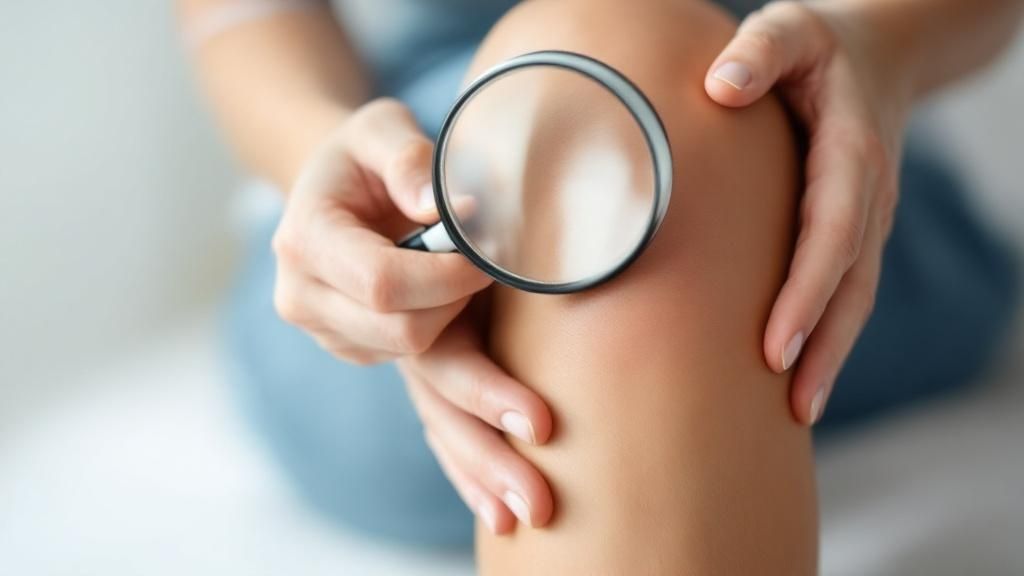
This is where your hands-on care truly begins. It might seem intimidating, but with the right approach, cleaning a wound is a straightforward process. The single most important first step, always, is to wash your hands thoroughly with soap and water before putting on a pair of disposable gloves.
Begin by gently removing the old dressing, being mindful of the skin. Take this moment to look closely at the wound and the skin around it—are there any changes? This initial check is a key part of effective home wound care.
The Cleaning Process Step-by-Step
When it comes to cleaning, gentleness is the guiding principle. Your goal is simply to clear away debris and bacteria without disturbing the delicate new tissue that’s forming. Your CCVNA Registered Nurse will give you the exact cleaning solution needed.
Using sterile gauze moistened with that solution, you’ll clean the wound using a very specific motion:
- Start right at the center of the wound.
- Gently wipe in a single motion from the center toward the outer edge.
- Get a fresh piece of gauze for each and every wipe. This is critical for preventing cross-contamination.
- Keep going with this method until you've cleaned the entire wound bed.
This “center-out” technique actively pulls potential contaminants away from the wound, rather than accidentally pushing them in.
A Note on Cleaning Products: Unless a clinician specifically tells you otherwise, you should avoid using harsh products like hydrogen peroxide or rubbing alcohol. These can actually damage the fragile new cells your body is creating to heal.
After the wound itself is clean, take a fresh piece of sterile gauze and gently pat the healthy skin around the wound until it's completely dry. Getting the skin dry is essential for making sure the new dressing sticks properly.
Handling Soiled Materials Safely
Properly disposing of used supplies is a critical part of infection control. As you work, place all soiled items—your used gloves, the old dressing, and dirty gauze—directly into the small trash bag you set up at your station.
Once you’re all done, seal the bag tightly and toss it in your regular household trash. It’s a simple professional practice that helps contain any bacteria, protecting everyone in the household.
The commitment to these small but vital steps is what defines excellent care. It’s a calling many of our team members feel deeply, and you can learn more about how to make a difference in our community through the work we do.
Building Your Confidence
Remember, this guide is here to back up the personalized, hands-on training your Central Coast VNA & Hospice clinician provides. Every wound is unique, and the care plan we create is tailored to meet those specific needs, whether you're in Monterey, San Benito, Santa Cruz, or South Santa Clara County.
Your role is to follow that plan with care and attention. With each dressing change you complete, you'll feel your confidence grow, knowing our nonprofit team is right here to support you.
How to Apply a New Wound Dressing
Okay, you've cleaned the wound and the skin around it is nice and dry. Now comes the most important part of home wound care: protecting it with a fresh dressing. This isn't just about covering the wound; the specific dressing your CCVNA clinical team chose is designed to create the perfect moisture balance for proper healing.
The first rule? Keep everything sterile. Once you open the new dressing package, only touch the very edges to prevent germs from getting onto the sterile pad that will sit right on the wound.
Positioning and Securing the Dressing
Gently place the dressing directly over the wound. You're aiming for the sterile pad to cover the entire wound bed, with about an inch of overlap onto the healthy skin around it to create a good seal.
With the dressing in position, it's time to secure it. Use the medical tape your nurse recommended to tape down the edges so it's snug, but never so tight that it causes discomfort or cuts off blood flow.
Here’s a quick rundown of what to do:
- Handle by the Edges: Never touch the middle of the sterile dressing pad.
- Center and Cover: Make sure the pad covers the whole wound plus a small margin of healthy skin.
- Secure Firmly: Tape all sides of the dressing down. It should be snug, not tight.
This visual breaks down the core cycle of home wound care, from cleaning all the way to monitoring.
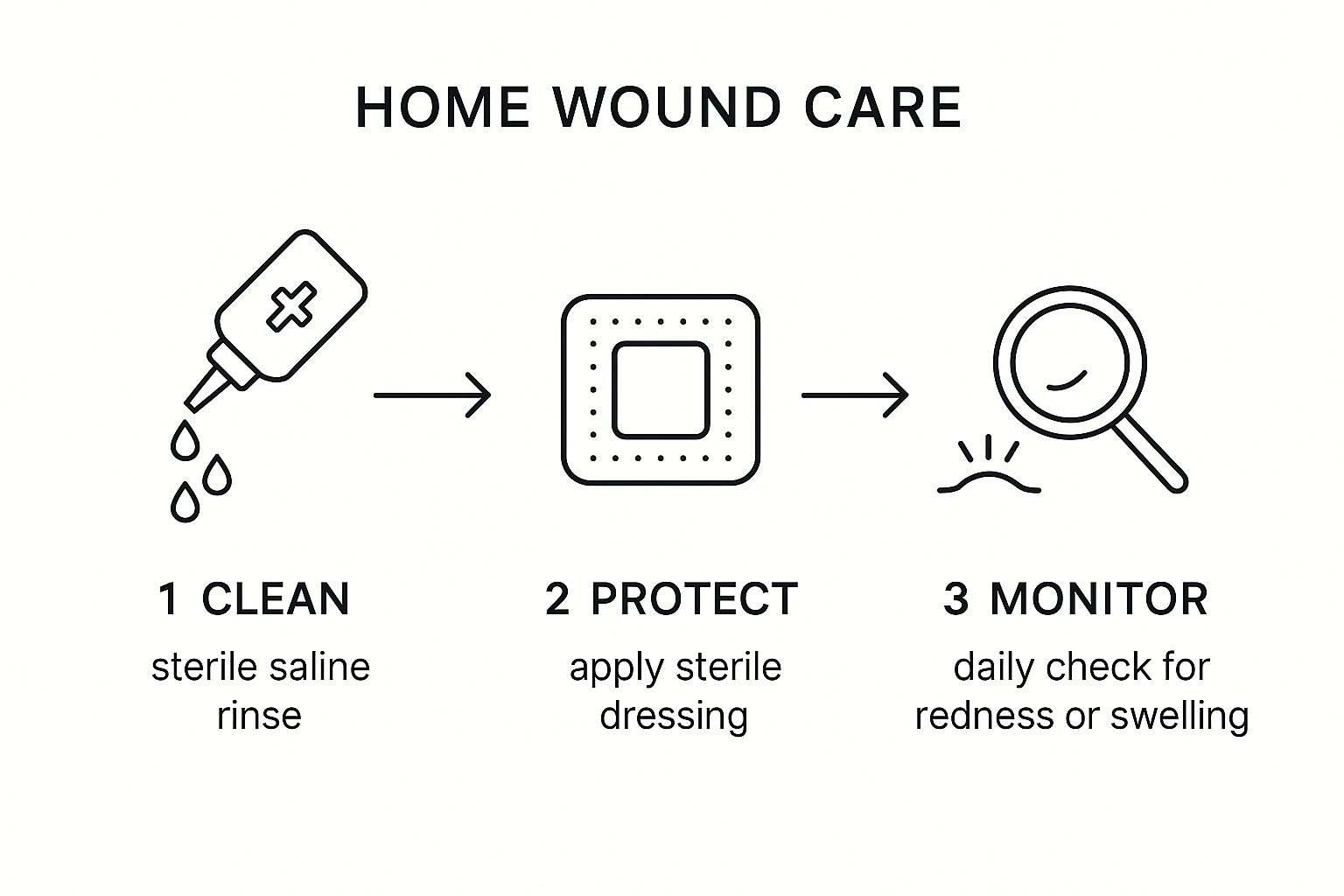
As you can see, these three steps—Clean, Protect, and Monitor—are part of a continuous loop that gives the body the support it needs to heal itself.
Tips for Tricky Areas and Tracking
Some spots are just harder to bandage than others, like a heel, elbow, or any other joint that’s always moving. For these tricky areas, your CCVNA Registered Nurse can show you specific taping techniques that create a more flexible, secure dressing.
Pro Tip: Get into the habit of writing the date and time of the dressing change on a piece of medical tape and sticking it on the dressing. This tiny step is incredibly helpful for tracking how the wound is healing and keeping you on a consistent schedule.
A consistent schedule and clear documentation are huge parts of a successful care plan. In fact, clear communication about these details is a cornerstone of good advance care planning, making sure everyone involved knows how things are progressing.
When to Call for Professional Help
When you're managing wound care at home, you are the first and most important line of defense. Following the steps for cleaning and dressing is vital, but your role as an observer is just as critical.
Trust your intuition. After a few days of handling the care routine, you’ll get a feel for what “normal” healing looks like. If something seems different or feels off, don't ever dismiss that feeling.
Knowing exactly what to look for empowers you to act quickly. Catching the earliest signs of a complication is key to stopping a minor issue from turning into a serious problem.
Red Flags That Require a Phone Call
Think of your Central Coast VNA & Hospice Registered Nurse as your partner in this. They count on your updates to make sure the care plan is working as it should, and a quick phone call might give you peace of mind or confirm a visit is needed.
Never feel like you’re bothering the clinical team. They're available to families across Monterey County, San Benito County, Santa Cruz County, and South Santa Clara County for this very reason.
Here are the most common red flags that mean it's time to pick up the phone:
- New or Worsening Pain: If the pain suddenly gets worse or doesn't respond to prescribed medication.
- Spreading Redness: Redness spreading outward from the wound is a classic sign of infection.
- Increased Warmth: The skin around the wound feels hot to the touch compared to the surrounding skin.
- Unusual Drainage: Any drainage that is thick, cloudy, green, yellow, or has a foul smell.
- Fever or Chills: A body temperature of 101°F (38.3°C) or higher, especially when paired with chills.
Key Takeaway: You aren't expected to diagnose the problem. Your job is simply to report what you see. Describing these signs over the phone gives your CCVNA nurse the information they need to guide you on the next steps.
For families caring for an older adult, recognizing these changes is especially important. If wound care is becoming one of several growing concerns, it might be helpful to review these 5 warning signs that your elderly parents need home health care.
When to Call a Clinician Red Flag Chart
When you're in the thick of it, it helps to have a quick reference. This chart breaks down the most common warning signs and what to do when you see them.
| Symptom or Sign | What It Might Mean | Action to Take Immediately |
|---|---|---|
| Spreading redness | Infection (Cellulitis) | Call your CCVNA nurse or clinician. |
| New or worse pain | Deep infection or complication | Call your CCVNA nurse or clinician. |
| Thick, smelly drainage | Bacterial infection | Call your CCVNA nurse or clinician. |
| Fever over 101°F (38.3°C) | Systemic infection | Call your CCVNA nurse or clinician. |
| Hot to the touch | Inflammation from infection | Call your CCVNA nurse or clinician. |
| Uncontrolled bleeding | Severe vessel injury | Call 911 immediately. Apply pressure. |
| Wound opens up | Dehiscence (surgical wound separation) | Call 911 immediately. Cover with a clean, moist dressing. |
Think of this table not as a diagnostic tool, but as a guide to empower you to make a confident, timely call. Your quick action can make all the difference.
When to Seek Immediate Emergency Help
Some situations are a clear step above a routine call to your nurse. These require immediate emergency medical attention.
Call 911 without delay if you observe:
- Uncontrolled Bleeding: The wound is soaking through a dressing quickly and won't stop even after 10 minutes of direct, firm pressure.
- Signs of Shock: This includes symptoms like confusion, dizziness, pale or clammy skin, and a rapid pulse.
- A Wound Reopening: The edges of a surgical incision have pulled apart, exposing deeper tissues.
In a worst-case scenario involving severe bleeding, knowing how to apply a tourniquet can be a crucial, life-saving skill while you wait for help. Your vigilance is the bridge between routine care and necessary clinical intervention.
Frequently Asked Questions About Home Wound Care
It's completely normal to have questions when helping someone heal at home. Families across Monterey County, San Benito County, Santa Cruz County, and South Santa Clara County often ask us about the practical realities of wound care.
For over 74 years, our nonprofit has been built on providing this kind of compassionate, expert support. We believe that giving you the right knowledge is a powerful part of the healing journey itself.
How often should I change the wound dressing?
This completely depends on the type of wound and the specific dressing being used. Your CCVNA Registered Nurse will give you a clear, personalized schedule to follow. Changing a dressing too often can disrupt healing, while waiting too long can increase infection risk, so sticking to the prescribed schedule is critical.
Is it okay for the person I'm caring for to shower?
Whether showering is safe hinges on the wound's location, its healing stage, and the type of dressing. In many cases, a special waterproof dressing can be used to protect the wound completely. Always check with your home health nurse first, as they will provide specific instructions to keep the area dry and safe.
What if I accidentally touch the sterile part of the dressing?
Don't panic—it happens. If you even think you might have contaminated the sterile part of the dressing, the safest thing to do is to discard it and start over with a fresh one. Protecting that sterility is non-negotiable for preventing infection, which is why having a few extra supplies on hand is always a good idea.
Can diet really affect how a wound heals?
Absolutely. Nutrition is a cornerstone of healing, as the body needs specific raw materials to build new tissue and fight infection. Key nutrients include protein for tissue creation, Vitamin C for collagen production, and zinc for cell repair. Staying well-hydrated by drinking plenty of water is also crucial for transporting these nutrients to the wound site.
What if the person's condition changes and they need more help?
This is a valid concern and precisely why CCVNA's continuum of care is so valuable. If your loved one's needs evolve beyond what home health can manage, our team coordinates seamlessly with our palliative and hospice care specialists. This ensures a smooth transition to the right level of care, managed by a team you already know and trust. We are committed to providing continuous, compassionate support every step of the way. To learn more, you can read about the benefits of home health care in Monterey, CA.