
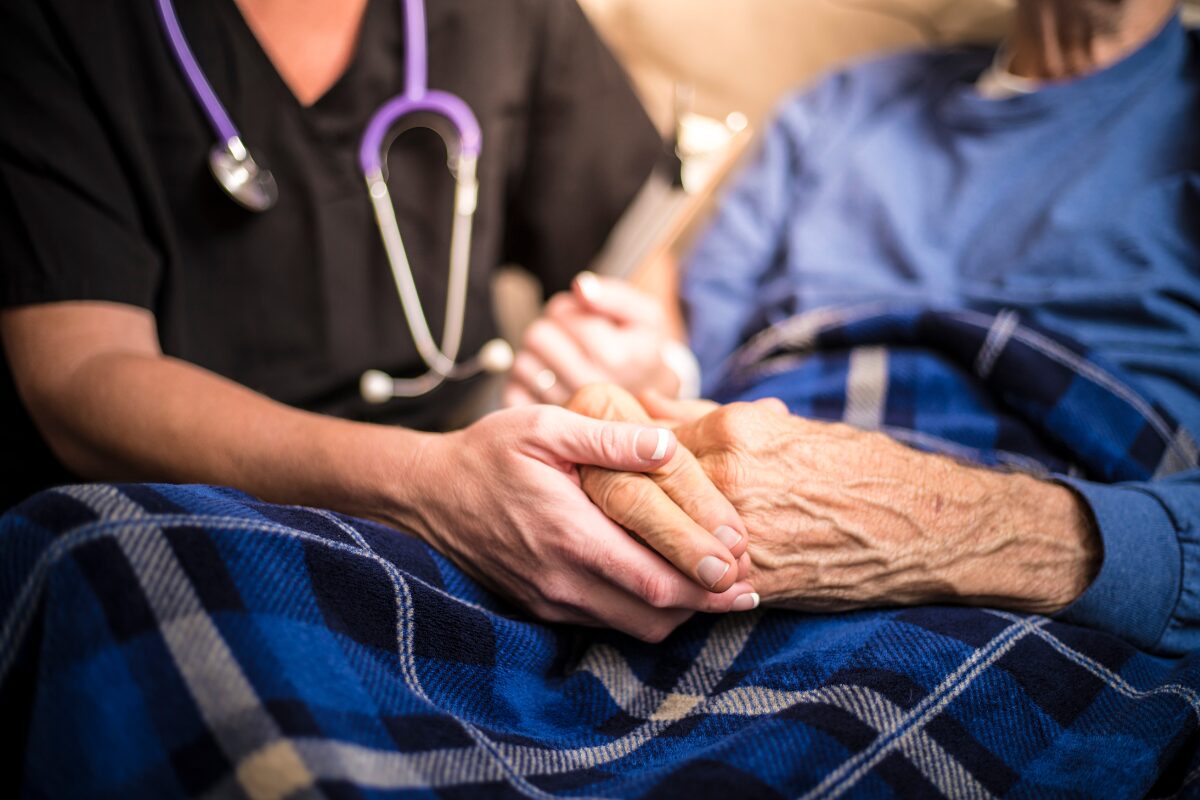
How Hospice Care in Monterey Provides Comfort and Support to Families
When a loved one is facing a life-limiting illness, families often have many questions and concerns. What is hospice care? How does it help both patients and their families? Where can you find compassionate hospice services in Monterey? These are common questions, and understanding how hospice care works can bring peace of mind during an emotional time.
At Visiting Nurse Association & Hospice, we provide expert hospice care in Monterey, offering not only medical support but also emotional and spiritual guidance. Our team is here to ensure that patients receive compassionate care while families feel supported every step of the way.
In this article, we’ll explore how hospice care improves quality of life, answers common concerns, and provides families with the comfort and resources they need.
What Is Hospice Care, and When Is It the Right Choice?
Hospice care is a specialized form of medical care focused on comfort, quality of life, and emotional support for individuals with terminal illnesses. Rather than seeking curative treatments, hospice emphasizes managing pain, easing symptoms, and supporting both the patient and their loved ones.
When should hospice care be considered?
Many families wonder when the right time is to consider hospice. Some key signs that hospice care may be beneficial include:
✔️ A life-limiting illness with a prognosis of six months or less
✔️ Frequent hospitalizations or emergency room visits
✔️ Increased pain, fatigue, or difficulty with daily tasks
✔️ A desire to focus on comfort rather than aggressive treatments
If you or a loved one are facing these challenges, it may be time to explore hospice care options in Monterey.
How Hospice Care Supports Families Emotionally and Spiritually
Caring for a loved one with a serious illness is emotionally overwhelming. Hospice care eases the burden on families by offering counseling, emotional support, and resources to help navigate this difficult time.
Emotional Support for Families
Grief and stress can take a toll on caregivers. Hospice care includes bereavement counseling, caregiver support groups, and one-on-one emotional guidance to help families cope with their emotions. Many people find comfort in talking to trained hospice professionals who understand the challenges they’re facing.
Spiritual Support in Monterey’s Peaceful Setting
For many, spirituality plays a crucial role in their end-of-life journey. Hospice care includes spiritual counselors who offer non-denominational support, helping patients and families find peace and meaning.
With Monterey’s breathtaking coastal views, families often find comfort in nature—whether it’s taking a quiet walk along Lovers Point Park or watching the waves at Asilomar State Beach. Hospice care allows families to cherish these moments together while receiving professional guidance.
What Services Does Hospice Care in Monterey Provide?
Hospice care is more than just medical treatment—it’s a comprehensive support system that includes:
1. Expert Pain and Symptom Management
Hospice care ensures that patients remain comfortable by managing pain, nausea, shortness of breath, and other distressing symptoms. Skilled nurses and doctors work closely to create a care plan that aligns with the patient’s wishes.
2. In-Home Care for Familiar Comfort
Most hospice care is provided in the comfort of home, allowing patients to stay in a familiar setting with loved ones nearby. In Monterey, many families appreciate being able to enjoy the beauty of their surroundings—whether it's a peaceful afternoon at home or a quiet moment in the backyard.
3. Respite Care for Family Caregivers
Caring for a loved one can be exhausting. Hospice offers respite care, giving family caregivers time to rest while professionals take over their responsibilities for a short period.
4. 24/7 Support and Guidance
Hospice teams are available 24 hours a day, 7 days a week to answer questions, provide urgent care, and ensure families feel supported at all times.
Why Choose Hospice Care in Monterey?
Monterey is known for its tight-knit community and commitment to quality healthcare. Choosing hospice care here means access to experienced professionals who provide compassionate, personalized support.
The Benefits of Choosing a Local Hospice Team
🌊 Familiarity with the local community – Hospice teams understand the needs of Monterey families.
🌞 Mild coastal climate – Ideal for keeping patients comfortable year-round.
🏡 Home-based care in a peaceful setting – Monterey’s natural beauty provides a serene environment for patients and families.
Hospice care allows families to spend meaningful time together, free from the stress of managing symptoms and navigating complex medical decisions alone.
How to Begin Hospice Care in Monterey
Starting hospice care may feel like a difficult decision, but you don’t have to do it alone. Here’s how to get started:
1️⃣ Talk to your doctor – If you or a loved one have been diagnosed with a life-limiting illness, discuss hospice care options with your healthcare provider.
2️⃣ Contact a hospice provider – At Visiting Nurse Association & Hospice, we can answer your questions and guide you through the process.
3️⃣ Schedule a consultation – Our team will evaluate your needs and create a personalized care plan.
4️⃣ Begin receiving support – Once enrolled, you’ll have access to a dedicated care team that includes nurses, social workers, chaplains, and volunteers.
Final Thoughts: Finding Comfort and Peace with Hospice Care
Hospice care is about honoring life, embracing comfort, and supporting families during a difficult time. Whether it’s relief from pain, emotional guidance, or simply having a compassionate team by your side, hospice care in Monterey provides the resources and support needed for a more peaceful journey.
If your family is navigating end-of-life care decisions, know that you’re not alone. Our compassionate team at Visiting Nurse Association & Hospice is here to provide comfort, dignity, and unwavering support every step of the way.
Reach out today to discover how hospice care can make a difference. Let’s navigate this journey together. 💙

How Palliative Cardiac Care Improves Heart Health – 7 Key Benefits
Heart disease affects millions of people across the U.S., and in Salinas, CA, the story is no different. Managing heart conditions like congestive heart failure or chronic coronary artery disease can feel overwhelming for both patients and their families. Fortunately, palliative cardiac care offers a compassionate and effective approach to managing these challenges.
Palliative cardiac care focuses on relieving symptoms, improving quality of life, and addressing the emotional, physical, and psychological impact of heart disease. It’s not just about managing heart conditions; it’s about empowering patients to live better lives.
In this blog, we’ll explore 7 key benefits of palliative cardiac care and how it can support heart health.
1. Reduces Symptoms for Better Daily Comfort
Living with heart disease often involves symptoms like shortness of breath, fatigue, and chest pain. Palliative cardiac care uses a holistic approach to help manage and reduce these discomforts.
In Salinas, where the climate is mild year-round, symptom relief can mean the difference between enjoying an afternoon stroll through local parks or staying indoors. Palliative care teams work closely with patients to develop customized treatment plans, which may include medications, therapies, or lifestyle adjustments to address specific symptoms.
By focusing on comfort, palliative cardiac care helps patients regain their ability to enjoy daily activities, whether it’s spending time with family, gardening, or visiting nearby attractions like the Salinas River National Wildlife Refuge.
2. Offers Personalized Support for Emotional and Mental Health
Heart disease doesn’t just affect the body—it also takes a toll on emotional and mental well-being. Feelings of anxiety, depression, and fear are common for those managing chronic conditions.
Palliative cardiac care provides emotional support to help patients and their families navigate these challenges. This can include counseling, relaxation techniques, and mindfulness exercises tailored to individual needs.
The supportive environment in Salinas, known for its strong sense of community, makes it easier for individuals to connect with their care teams and support groups. Palliative care programs often encourage involvement in community activities, like local farmer’s markets, which can promote both mental and physical well-being.
3. Provides Holistic Pain and Symptom Management
What are the best ways to manage heart-related pain and discomfort? This is a common question for individuals living with heart disease. Palliative cardiac care emphasizes a whole-person approach, addressing not just the symptoms but the underlying factors contributing to pain.
Whether through medication management, dietary guidance, or gentle physical therapy, care teams ensure that every aspect of a patient’s health is considered. In Salinas, the abundance of fresh produce and local resources makes it easier to implement heart-healthy diets that complement medical treatments.
Holistic care helps reduce pain while enhancing overall well-being, allowing patients to focus on what truly matters: living a fulfilling life.
4. Encourages a Heart-Healthy Lifestyle

Why does lifestyle matter in managing heart disease? Because small changes can lead to significant improvements in heart health. Palliative cardiac care includes education and resources to encourage heart-healthy habits, such as maintaining a balanced diet, staying active, and managing stress.
In Salinas, where fresh, locally grown fruits and vegetables are abundant, adopting a heart-healthy diet becomes easier. Care teams can guide patients in making dietary changes that support heart health without feeling restrictive. Additionally, the mild weather provides opportunities for safe outdoor activities like walking or yoga, which are essential for cardiovascular fitness.
5. Reduces Hospital Visits and Readmissions
Hospital visits can be stressful and disruptive for individuals managing heart conditions. Frequent trips to the emergency room for symptom management or complications can take a toll on both patients and their families.
Palliative cardiac care focuses on proactive management, preventing hospital readmissions by addressing potential issues before they escalate. Regular check-ins with care providers ensure that symptoms are monitored and medications are adjusted as needed.
In Salinas, with its accessible healthcare resources, palliative care services make it easier for patients to stay in the comfort of their homes while receiving professional support.
6. Strengthens Communication and Care Coordination
How can families stay informed and involved in a loved one’s care? Palliative cardiac care emphasizes open communication and collaboration between patients, families, and healthcare providers.
This approach ensures that everyone is on the same page regarding treatment plans, goals, and expectations. In Salinas, where family ties and cultural values play an important role, this collaborative model helps families feel empowered to support their loved ones.
Palliative care teams also act as advocates, coordinating with primary care physicians, specialists, and other providers to streamline care. This ensures that patients receive consistent, high-quality treatment.
7. Focuses on Quality of Life and Living Fully
One of the most important questions patients ask is: How can I live a full and meaningful life despite my heart condition? Palliative cardiac care focuses on helping individuals do just that.
Rather than solely concentrating on the medical aspects of heart disease, palliative care emphasizes quality of life. This includes fostering independence, encouraging social connections, and helping patients achieve personal goals.
In Salinas, the sense of community and access to enriching activities—like the annual California Rodeo Salinas or visits to Steinbeck House Museum—offers opportunities for patients to stay engaged and connected.
How to Get Started with Palliative Cardiac Care in Salinas
If you or a loved one is managing heart disease, palliative cardiac care could be the key to improving heart health and quality of life. At Visiting Nurse Association and Hospice, our experienced team is dedicated to providing compassionate, personalized care that addresses both medical and emotional needs.
By focusing on symptom management, emotional support, and proactive care, we help patients and families navigate the challenges of heart disease with confidence.
📞 Contact us today at 831-375-9882 to learn more about how our palliative cardiac care services can benefit you or your loved one.
Embrace the comfort, support, and expert care you deserve this season in Salinas.

5 Powerful Ways Skilled Nursing Care Supports Healing and Independence in Monterey
For individuals recovering from surgery, illness, or managing chronic health conditions, skilled nursing care plays a critical role in achieving both healing and independence. With personalized support and expert care, patients can remain comfortable and safe while regaining strength. In a beautiful area like Monterey, CA, skilled nursing care becomes even more valuable as patients can recover in the peaceful, inspiring surroundings that the Central Coast offers.
At Visiting Nurse Association and Hospice, our skilled nursing care is designed to deliver comprehensive and compassionate support tailored to meet individual needs. From managing medical treatments to promoting overall wellness, skilled nursing care empowers individuals to heal and live as independently as possible. In this blog, we’ll explore five powerful ways skilled nursing care supports healing and independence for residents in Monterey.
1. Personalized Medical Care at Home
One of the most significant advantages of skilled nursing care is the ability to receive high-quality medical support in the comfort of your own home. This level of care is particularly valuable in a location like Monterey, where individuals can recover in a peaceful environment surrounded by the beauty of the Central Coast. Skilled nurses provide a variety of services, including:
- Wound care and post-surgical recovery: Monitoring and treating surgical sites to prevent infections and complications.
- Medication management: Administering medications, IV therapies, and ensuring correct dosages and schedules.
- Chronic condition management: Supporting patients with heart disease, diabetes, COPD, and other long-term conditions.
With a focus on individualized care plans, skilled nurses collaborate with primary care physicians to address each patient’s unique medical needs. This ensures the best possible outcomes while allowing individuals to heal at home instead of extended hospital stays. Monterey’s calm coastal setting further enhances recovery. Imagine receiving care while looking out over the stunning Monterey Bay or feeling the fresh ocean air—a serene backdrop that promotes comfort and well-being during healing.
2. Support for Faster Recovery and Rehabilitation
Recovering from surgery or illness can be challenging, especially when mobility and strength are affected. Skilled nursing care offers vital rehabilitation support to help patients recover faster and regain independence. Key rehabilitation services include:
- Physical therapy: Helping patients rebuild strength, balance, and mobility through targeted exercises.
- Occupational therapy: Assisting with daily tasks like dressing, bathing, and cooking to promote independence.
- Fall prevention: Implementing safety strategies and exercises to reduce the risk of falls, which are a leading cause of injury among seniors.
For patients in Monterey, skilled nursing care can also involve encouraging light activity in local scenic areas, such as peaceful strolls along Del Monte Beach or visits to nearby parks like Jacks Peak County Park. These small outdoor activities, under professional guidance, promote physical health, mental well-being, and an improved quality of life. With the right support, patients can feel confident in their recovery, knowing that skilled professionals are by their side to guide their progress every step of the way.
3. Promoting Independence with Daily Living Support
Regaining independence is often a top priority for patients recovering from an illness or surgery. Skilled nursing care focuses not just on medical treatment but also on helping individuals maintain their independence through assistance with daily activities. Skilled nurses and aides provide support with tasks such as:
- Bathing, grooming, and personal hygiene.
- Mobility assistance, including transfers and walking support.
- Meal preparation and nutrition management.
These services ensure that patients can remain in their homes while recovering, which is especially comforting for Monterey residents who cherish the familiarity and beauty of the area. Whether it’s enjoying a morning coffee overlooking the coastline or engaging in a favorite hobby, skilled nursing care allows individuals to maintain as much independence as possible while receiving the support they need. The goal is to empower patients, enabling them to return to their normal routines at their own pace.
4. Emotional and Mental Health Support
Healing involves more than just physical recovery—it also includes emotional and mental well-being. For many patients, navigating the challenges of illness or recovery can feel overwhelming. Skilled nursing care provides compassionate support to address these concerns, offering encouragement, guidance, and reassurance. Key aspects of emotional support include:
- Counseling and companionship: Skilled nurses often become trusted confidants, providing emotional encouragement during recovery.
- Family education and involvement: Nurses educate family members about the patient’s condition and care needs, empowering families to provide ongoing support.
- Stress and anxiety management: Helping patients manage feelings of worry or uncertainty through relaxation techniques and holistic approaches.
For patients in Monterey, emotional well-being can be further enhanced by engaging with the natural beauty and community of the area. Simple activities like sitting in the garden, listening to the ocean waves, or enjoying a drive along the iconic 17-Mile Drive can lift spirits and foster peace during recovery. By addressing emotional health alongside physical care, skilled nursing ensures a well-rounded approach to healing.
5. Preventing Hospital Readmissions with Skilled Nursing Care
One of the most powerful benefits of skilled nursing care is its ability to reduce hospital readmissions by providing proactive, ongoing care at home. For individuals with chronic conditions or those recovering from surgery, avoiding unnecessary trips to the hospital is essential for overall well-being. Skilled nurses achieve this through:
- Regular health assessments to monitor vital signs and symptoms.
- Managing medications to ensure proper adherence and effectiveness.
- Quick intervention at the first sign of complications to prevent worsening conditions.
This continuity of care helps patients feel secure, knowing that professional support is available whenever they need it. For families in Monterey, it offers peace of mind, knowing their loved ones are receiving attentive care without the disruption of repeated hospital stays. By focusing on preventative care, skilled nursing services promote stability and long-term health for patients.
Conclusion
Skilled nursing care in Monterey, CA, offers an invaluable combination of medical expertise, emotional support, and personalized care to promote healing and independence. Whether recovering from surgery, managing a chronic condition, or needing assistance with daily activities, skilled nursing empowers individuals to maintain their health and quality of life.
At Visiting Nurse Association and Hospice, we are proud to serve the Monterey community with compassionate, professional care tailored to each individual’s unique needs. Surrounded by the beauty of the Central Coast, patients can recover and thrive in a peaceful, familiar environment. If you or a loved one could benefit from skilled nursing care, let our dedicated team guide you on the path to healing and independence.
📞 Contact us today at 831-372-6668 to learn more about our skilled nursing services and how we can help you live your best life.
Visiting Nurse Association and Hospice – Supporting Your Journey to Health and Independence.
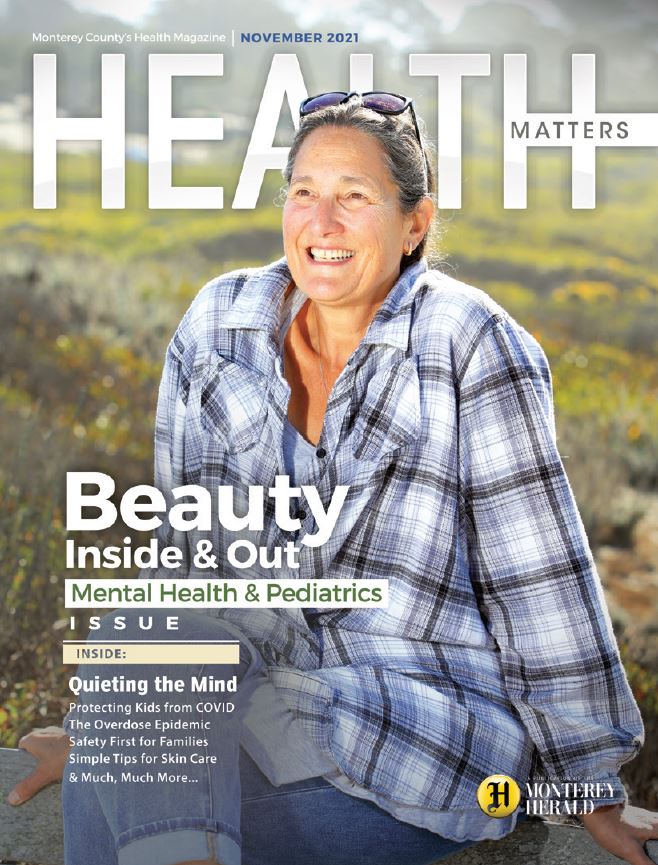
IN THE NEWS : Carmel Pine Cone Healthy Lifestyles
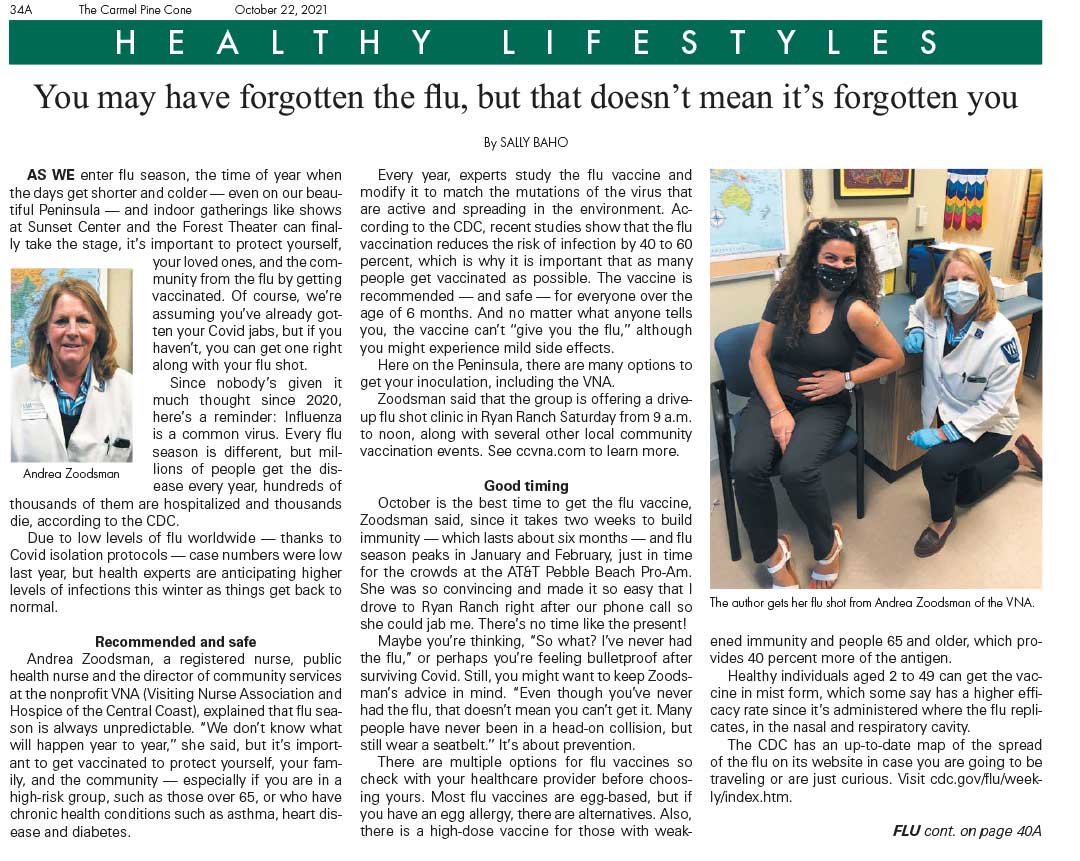
You may have forgotten the flu, but it doesn't mean it's forgotten you
By Sandy Baho
AS WE enter flu season, the time of year when the days get shorter and colder — even on our beautiful Peninsula — and indoor gatherings like shows at Sunset Center and the Forest Theater can finally take the stage, it’s important to protect yourself, your loved ones, and the community from the flu by getting vaccinated. Of course, we’re assuming you’ve already gotten your Covid jabs, but if you haven’t, you can get one right along with your flu shot.
Since nobody’s given it much thought since 2020, here’s a reminder: Influenza is a common virus. Every flu season is different, but millions of people get the disease every year, hundreds of thousands of them are hospitalized and thousands die, according to the CDC.
Due to low levels of flu worldwide — thanks to Covid isolation protocols — case numbers were low last year, but health experts are anticipating higher levels of infections this winter as things get back to normal.
Recommended and safe
Andrea Zoodsman, a registered nurse, public health nurse and the director of community services at the nonprofit VNA (Visiting Nurse Association and Hospice of the Central Coast), explained that flu season is always unpredictable. “We don’t know what will happen year to year,” she said, but it’s important to get vaccinated to protect yourself, your family, and the community — especially if you are in a high-risk group, such as those over 65, or who have chronic health conditions such as asthma, heart disease and diabetes.
Every year, experts study the flu vaccine and modify it to match the mutations of the virus that are active and spreading in the environment. According to the CDC, recent studies show that the flu vaccination reduces the risk of infection by 40 to 60 percent, which is why it is important that as many people get vaccinated as possible. The vaccine is recommended — and safe — for everyone over the age of 6 months. And no matter what anyone tells you, the vaccine can’t “give you the flu,” although you might experience mild side effects.
Here on the Peninsula, there are many options to get your inoculation, including the VNA.
Zoodsman said that the group is offering a driveup flu shot clinic in Ryan Ranch Saturday from 9 a.m. to noon, along with several other local community vaccination events. See ccvna.com to learn more.
Good timing
October is the best time to get the flu vaccine, Zoodsman said, since it takes two weeks to build immunity — which lasts about six months — and flu season peaks in January and February, just in time for the crowds at the AT&T Pebble Beach Pro-Am. She was so convincing and made it so easy that I drove to Ryan Ranch right after our phone call so she could jab me. There’s no time like the present!
Maybe you’re thinking, “So what? I’ve never had the flu,” or perhaps you’re feeling bulletproof after surviving Covid. Still, you might want to keep Zoodsman’s advice in mind. “Even though you’ve never had the flu, that doesn’t mean you can’t get it. Many people have never been in a head-on collision, but still wear a seatbelt.” It’s about prevention.
There are multiple options for flu vaccines so check with your healthcare provider before choosing yours. Most flu vaccines are egg-based, but if you have an egg allergy, there are alternatives. Also, there is a high-dose vaccine for those with weakened immunity and people 65 and older, which provides 40 percent more of the antigen.
Healthy individuals aged 2 to 49 can get the vaccine in mist form, which some say has a higher efficacy rate since it’s administered where the flu replicates, in the nasal and respiratory cavity.
The CDC has an up-to-date map of the spread of the flu on its website in case you are going to be traveling or are just curious. Visit cdc.gov/flu/weekly/ index.htm.
In addition to its many other services, the VNA offers a travel and immunization clinic for people who need shots before visiting far-flung destinations as they throw off the shackles of the shutdown.
It’s also important to take the regular health measures to prevent the flu and keep your immune system strong. This flu season — and always — eat right, exercise, get enough sleep, keep your stress levels down, wash your hands often (especially after sneezing, coughing and using the bathroom) and stay home if you’re not feeling well.

What is Advance Care Planning and Why You Need an Advance Directive
What is Advance Care Planning?
- Individuals with a high risk of a loss of mental capacity. A good example is someone suffering from a progressive illness.
- Individuals with a mental capacity capable of changing due to specific circumstances such as mental illness.
The Basics of Advance Care Planning
- Sensitivity is essential because there are individuals uncomfortable with discussing an advance care plan or that already have an advance directive in place.
- It is important to remember every individual is unique. Needs for control, autonomy and knowledge will be slightly different across individuals.
- Understanding that the choices made by people other than yourself can appear unwise. This does not always indicate the individual is making a wrong choice or is unable to make a decision.
- The management or care staff should verify in the beginning stages to determine if the individual already has an advance care plan in place.
- The reason advance care planning is important should be explained whenever necessary. All of the associated challenges and benefits should also be thoroughly discussed.
- The different ways support and care can be planned in advance should be understood. Some of these ways are possible due to the Mental Capacity Act.
What Information Does the Care Staff Require When Creating an Advanced Directive?
Finding out the following information is essential for the care staff.
- If the individual has a lasting power of attorney, they are able to provide one or more individuals with legal authority. This enables decisions to be made regarding welfare, health, finances and property.
- Although advance statements are not considered legally binding, considering them carefully for future decisions is important. Any information the individual believes is important for their care and health and be included.
What is the Best Way to Relay Information on Advance Care Planning?
The best option is to provide the individual with written information explaining advance care planning in a simple way. The idea is to ensure the person understands so the relevance can be explained. The ability to make decisions as time passes can be affected. The individual should receive all of the following information:
- The individual should understand their condition, receive support to feel comfortable asking for more information from the healthcare staff and the process necessary for an advance directive should be explained.
- The individual should understand how decisions are made in the event they lose capacity.
- Explaining how decisions already made can be changed while the individual still has the capacity is important.
- All services able to assist with advance care planning should be explained and discussed.
How To Help Someone Decide if Advance Care Planning is the Right Decision
The individual should receive help in order to make a knowledgeable choice regarding an advanced care plan. The decision should be left entirely to the individual. Different areas can be covered by an advance care plan including the way the person feels about different kinds of treatment or support, types of care and financial decisions. A good example regarding the way people prefer to do things is the choice between a bath and a shower. The process should also include:
- The individual and their family or caregiver if desired should discuss anything potentially stopping them from remaining fully involved. A plan can also be created to ensure their involvement is as easy as possible.
- Advance care planning should be discussed at the best possible time for the individual.
- All information regarding the treatment options and medical condition of the individual should be current. This will simplify the process and relevant healthcare staff can be involved when necessary.
How is an Advance Care Plan Developed?
When home care services Monterey CA is involved with the creation of an advance care plan, the individual is asked if they want their friends, family or advocate involved. If so, they are included. The areas where a healthcare professional is important are discussed including and the following taken into account.
- Medical History
- Feelings and wishes
- Social circumstances
- Beliefs such as religion, ethnicity, culture and aspirations
The individual will receive help when considering the way needs can change as time passes.
The Importance of Communication
Many individuals need help communicating during important discussions. The different types of support required can include:
- Advocacy
- Specialist support for language and speech therapy
- Communication aids
- Involvement of friends or family members
- Interpreters
How is an Advance Care Plan Recorded and Supported?
During the discussion, everything should be recorded. All decisions should be discussed to make certain the individual is in agreement with the notes. A written record should be provided for the advance care plan. This can be used to show a variety of services. If the individual is approaching the end of their life, they should be asked if they are interested in developing an advanced care plan, reviewing an existing plan or entering hospice care.
When there are any revisions to support or treatment plans, the advance care plan should be reviewed provided the individual still has the mental capacity. The involvement of a healthcare professional should be considered. All requested changes should be made including all necessary copies.

5 Benefits of Cardiac Home Health Care
1. Better Education
Home health care teams help people identify community resources that they are eligible for. If you are struggling to make ends meet, home health providers may connect you with services that you were not aware of previously. They may administer medications, perform cardiac rehabilitation exercises with you and help you with other needs. Since there is more one-on-one care, you also have the opportunity to learn from your home health providers.
They make sure that you know how much you are permitted to do when it comes to physical activity. Also, they can teach you ways to deal with or reduce stress. When home health providers educate you, they use methods that they were taught to help maximize what you learn and retain. The information is broken down into easy-to-manage sections. If there is a specific order for learning different pieces of information, they make sure that you learn them in the right order to avoid any confusion. Many people say that they learn very little at a doctor's office, and brochures or pamphlets provide limited help. Having a live person who is trained to interactively educate you, listen to you and care for you is ideal.
2. Improved Communication and Planning With Providers
Home health nurses are trained to identify issues before they become bigger problems. Also, they can communicate with your doctor, cardiologist and any other specialists you see for additional conditions. Home health workers try to be advocates for their patients and help them get the most comprehensive care possible. They can communicate with health care providers about medications, side effects, exercise plans, nutritional concerns and any other observations.
If you have ever gone to the doctor thinking of several things you want to discuss, and you realize that you missed one or more even with a list, home cardiac care can be especially beneficial. It is hard to remember everything you want to mention to your doctor or doctors. Also, cardiac home health care nurses can often identify small signs or symptoms that you may not notice. They may know to look for issues that you may not be aware of. It helps to have a trained health care professional observing you in your daily home routine since your doctors cannot do this.
3. Customized Treatment Plan
One of the greatest benefits of cardiac care at home is a completely personalized approach. Every person has a unique health history, health needs and limitations. Your home health care providers study your needs and add new ones that they observe or that you develop. As they consider the entirety of your situation, they can make a more comprehensive and effective care plan to help you maintain your health.
If you recently had surgery or were in the hospital, customized cardiac home health care is essential for a fuller recovery. Your home health care nurse or nurses are there to see what you are doing and make sure that you follow all instructions. Keeping up with other daily activities, reminders, exercise and everything else can feel overwhelming. When you have someone continually monitoring your custom treatment plan and considering every need you have, it helps relieve stress and gives you confidence to know that you are not alone.
4. Better Quality of Life and Health Outcomes
Because nurses and other cardiac home health care workers are trained to care for cardiac patients, they know effective strategies to uphold surgical recovery, physical therapy and other treatment plans. Many cardiac patients feel exhausted and overwhelmed when they rely only on doctor visits or have to travel to a facility for most of their care. At home, you can feel more relaxed and enjoy personalized care without having to spend all your energy driving, walking or trying to juggle appointments. When your care plan is manageable, the outcomes of it tend to be much better.
5. Reduced Number of Hospital Visits
Going to hospitals can create more stress and anxiety. Although you will still need to go to medical facilities for some specialized care, evaluations and tests, most of your daily care can be done at home. Thanks to technology and the abilities of nurses, there are several in-home care options that reduce your need to go to hospitals or doctor clinics. This also limits your exposure to viruses. Additionally, since health outcomes tend to be better with cardiac home health care, most people have fewer emergency room visits and unnecessary hospital stays from undetected issues.
Cardiac Home Health Care in Monterey
There is no need to go through a surgical recovery or day-to-day cardiac care alone. If your health needs seem overwhelming, home health care service in Monterey CA may be just what you need. Having the compassionate support of trained and friendly professionals can only help. CCVNA is happy to provide more information if you want to learn more about home cardiac care in Hollister, Central Coast or Monterey County.

A Guide on Getting the COVID-19 Immunization in Monterey County
COVID-19 vaccines made by Pfizer, Moderna and Johnson & Johnson are authorized for emergency use in the United States. Currently, over 48% of Californian adults (approximately 19.1 million people) have received at least one vaccine dose. Among those who have received the covid-19 immunization, 34.5% are fully vaccinated.
If you are interested in receiving the Covid vaccine, this guide will help you understand the importance of vaccination and the steps you can take to schedule an appointment. We'll also walk you through what to expect during and after your appointment.
Am I Eligible to Receive the Vaccine?
Vaccination is now open to all California residents who are at least 16 years old. You don't need to have health insurance, a Social Security number or identification to receive the vaccine, and you don't need to pay anything for it.
Why Should I Get Vaccinated?
The vaccine can help prevent you from getting seriously ill or dying from COVID-19. It reduces your risk of needing to be hospitalized for COVID-19 treatment. The vaccine could help reduce the spread of the virus, and it is an important tool for ending the pandemic.
Where Can I Get My Vaccine?
You can get your Covid vaccine at a pharmacy, doctor's office, urgent care clinic or mass vaccination site. If you are a resident of Hollister, Monterey County or the Central Coast, you can get your shot at the Central Coast VNA. Many immunization clinics accept walk-in patients.
How Do I Make an Appointment?
For appointments for Covid immunizations in Monterey, Hollister and the Central Coast, you can call the Central Coast VNA at (831) 648-3777. You may want to check the My Turn website for additional information about vaccine availability and appointments in your area. Appointments can be booked online or by phone.
Which Vaccine Will I Receive?
You will receive the vaccine brand that is available at your vaccination location on the day of your appointment. The person who gives you the vaccine will tell you which brand you're getting. If you have questions about the availability of a particular brand, call your vaccination center ahead of time to get more information.
What Should I Bring to My Appointment?
If you have photo identification or a health insurance card, be sure to bring these items with you to your appointment. You can still receive the vaccine without identification or insurance. Bringing identification allows your provider to verify the name that will go on your vaccine certificate. For patients with health insurance, your provider will use the information on your insurance card to bill your health insurance. You will not owe anything for the vaccine.
For Covid immunizations in Monterey and elsewhere, you'll need to wear a face mask that covers your nose and mouth. You should wear your mask while you wait at the immunization clinic, and you'll need to keep it on during your appointment. Your immunization provider will be wearing a face mask, too. After your vaccine, continue to wear your face mask until you exit the vaccination center.
You might want to bring a snack or a water bottle with you in case you need to wait in line for your appointment. You could also bring a book or your favorite entertainment device to help pass the time. If you're concerned about the possibility of post-vaccination pain or fever, you may want to bring some over-the-counter pain relievers to take after your vaccination. You should not take these before you receive the vaccine, but it's okay to take them after you've received your shot.
What Can I Expect at My Appointment?
When you come for your appointment, you might have your temperature checked, and you may be asked questions about whether you've had any Covid symptoms. If you're getting your vaccine at a mass vaccination site, you might be directed to wait in a line.
The person who gives you the vaccine will explain the benefits and potential side effects of vaccination, and he or she can answer any questions you may have. Next, you'll be asked to read and sign a consent form. The form asks questions about allergies, previous allergic reactions, previous Covid vaccine doses and previous Covid treatment. It is important to answer all of the questions honestly. The provider will review and confirm your answers with you to make sure that it's okay for you to receive the vaccine. Then, he or she will give you the vaccine.
Next, you'll be asked to wait at the site for 15 minutes. This is done so that staff can monitor you for any side effects. If you feel unwell during the waiting period, please let the team know right away. If you've had previous allergic reactions to vaccines, you might be asked to wait for 30 minutes after your vaccine.
After you get the immunization, your provider will give you a vaccine certificate. The certificate will have your name, the date, location and the name of the specific vaccine that you received. Keep the card in a safe place, and bring it with you to your second appointment. Instead of laminating the card, you can store it in a plastic sleeve.
How Do I Get an Appointment for My Next Dose?
The Pfizer and Moderna vaccines require two doses. After your first dose, you'll be able to make an appointment for your second dose before leaving the site. You can also make your next appointment over the phone. The instructions for making your second appointment might vary from location to location, so make sure you understand how to make the appointment before leaving the vaccination center.
Where Can I Find Out More?
If you have more questions about vaccines or appointments in your area, you can check with your doctor or pharmacist to get personalized advice. For more information about Covid immunizations in Monterey County, Hollister and the Central Coast, visit our website here.

5 Reasons Elderly Diabetics Should Have Home Health Care
Since diabetes affects multiple systems and functions in the body, it is especially important for diabetic seniors to have attentive care. Mobility issues and other health concerns may prevent them from seeking the routine care they need, and this often leads to complicated problems. With diabetic home health care, seniors have the attention they need to manage their diabetes in their everyday lives to reduce the risks of worsening health problems. These are the top five specific reasons why home health care in Monterey CA for diabetics is so important.
1. Keep Doctors Better Informed
Seniors who live alone may not notice every change in their health. From eyesight that gradually worsens to a change in alertness, there are several issues that doctors should know about when they happen. Home health nurses do more than just provide physical assistance. They know how to ask important questions and make visual observations that may reveal clues about changes in health.
Nurses keep detailed records and can communicate changes or concerns with physicians. Think of it like proofreading. It always helps to have a second set of eyes to catch oversights, and the same is true with a senior's health. A nurse may notice something that the individual or family members may not otherwise notice. When doctors have more complete information to work with, they can develop more effective care plans.
2. Good Medication Management
Many seniors take multiple medications, and it can be difficult to manage them and keep up with all the other activities of the day. These are some common medication mistakes that people make:
- Forgetting to take a dose of a medication.
- Not remembering if a medication was taken after already taking it and then taking it again.
- Taking the wrong medication or taking a medication at the wrong time.
Home health nurses keep track of all medications, and they often administer them. If the nurse is not there to administer medication at all times, the nurse can help the senior develop a better system for organization. Also, there are other ways to issue reminders. These benefits give seniors the peace of mind that they are not making any dangerous medication mistakes.
3. Thorough Blood Glucose Monitoring
As noted before, nurses know how to observe changes in seniors that affect their health care. For example, a senior with worsening arthritis may find it difficult to check blood glucose on a regular schedule and may skip some checks. In addition to performing blood glucose checks for the senior, the nurse may be able to find the root of the problem by asking questions.
After that, it is easier to find solutions to issues. For example, some seniors with limited dexterity can improve their abilities with physical or occupational therapy. Diabetic home health care nurses provide suggestions for improving overall wellness to help seniors maintain their ability to live at home.
4. Nutrition and Exercise Support
Good nutrition and physical exercise are both important for overall wellness. When diabetic seniors neglect either area, they are more likely to develop serious chronic health problems. These are some common chronic health problems that diabetics can develop:
- Blood vessel or heart damage
- Neuropathy or nerve damage
- Diabetic retinopathy or other eye damage
- Kidney dysfunction and damage
- Skin conditions and slowed healing of wounds or sores
- Fatigue, frequent infections and weight loss
- Numbness and tingling in the feet or hands
Diabetics have caloric limits, and they must pay attention to carbohydrates, sugar and other ingredients. If they also have high blood pressure, they must watch their salt intake. Diabetic seniors often have other health issues that create special nutrition needs. When they feel unwell, they are more likely to skip exercising. A home health nurse works with other medical professionals to help develop a nutrition plan and exercise schedule that fit the needs of the individual. Some also help with exercises, help prepare meals or coordinate plans with other support workers.
5. Improved Quality of Life
Many family members of diabetic seniors work hard to help pay for their care and provide for them. Although they wish they could spend more time with their loved ones, it is impossible for most people to provide direct care for a loved one and keep working to help provide financial support. Having a diabetic home health care nurse gives seniors the compassionate support they need, and nurses have medical training to provide comprehensive and high-quality care.
Providing a loved one with home health care is a great way to improve that person's quality of life. With better medical support, emotional support and regular social interaction, diabetic seniors can be happier and healthier.
Home Health Care in Monterey CA for Diabetic Seniors
If you are considering home health care for yourself or a loved one, it is an excellent choice. You can be an advocate for your own health and future or the health of a loved one. Providing home care for a loved one shows that you respect their independence and love them enough to send a qualified professional to tend to their needs whenever you cannot be there.
A good home care agency understands that you need support whether you are a family caregiver or someone who needs in-home care. There are several advantageous reasons to work with a home health care agency in Monterey. Team members can assist you in finding the resources you need for diabetic home health care.
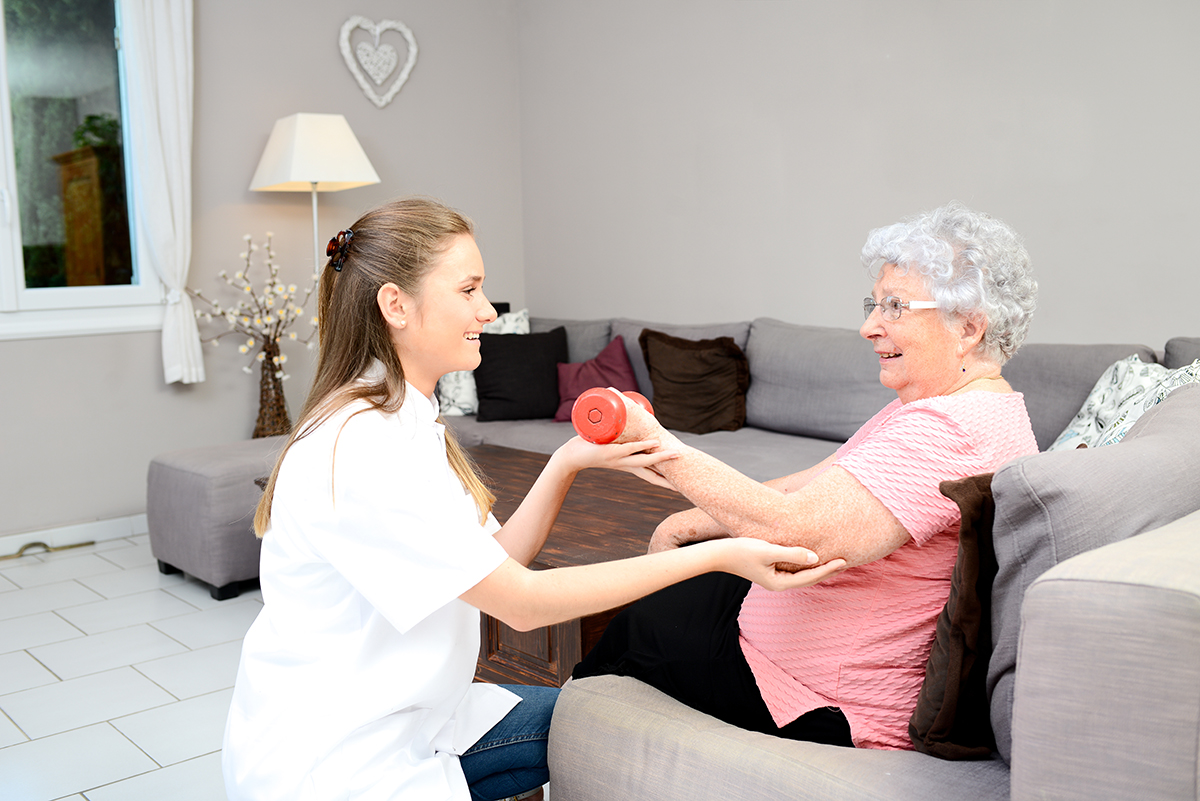
What Are The Benefits of An At-Home Orthopedic Program?
At-Home Orthopedic Program
After undergoing orthopedic surgery, the recovery journey can be quite taxing on a patient. However, the recovery process can be accelerated and more comfortable for a patient when they are in their home. Various facilities offer orthopedic therapy in the comfort of your home. If you live in Central Coast, Monterey County, and Hollister, and you would like at-home orthopedic program you can schedule one here.
You can heal from your home after your surgery when you enroll for home health care. While orthopedic treatment will improve the quality of your life significantly, proper healing is essential. The nurses assigned to you will check for any complications or infections and let your physician know. Listed below are the benefits of at-home orthopedic program.
Faster Recovery Period
As mentioned earlier, a patient is more likely to recover faster when they enroll for the at-home orthopedic program that allows them to be attended to in their homes' comfort. In the past, patients had to stay in hospital days after their surgery until they got better, but they can now do that in their homes' comfort. You can be back in your home on the same day you get surgery.
A patient is more likely to be open to surgery if they know they will not have to stay in the hospital after. When a patient is in their home, an environment they are familiar with. they recover faster since they feel at ease. Most at-home orthopedic programs assign nurses to patients to monitor their recovery and ensure they are getting orthopedic-therapy.
Minimal Hospitalization
If a patient's surgery is not complicated, they may be sent home on the same day, so they do not have to worry about being stuck in a hospital room. If it is necessary to stay in the hospital to get monitored after surgery, a patient will only have to spend the night and be discharged the next morning.
Once you go home, a nurse will be sent over for a routine check-up to ensure you are doing okay and recovering how you are supposed to. A physician will come over to examine you in case of any complication reported to them by the nurse.
Cost Saving
An at-home orthopedic program is relatively affordable compared to being hospitalized. If you are using insurance, your surgery cost will be significantly low if it is on an outpatient basis. Home health care ensures you have cut down on all the extra expenses and charges you will be billed with if you stay in hospital after your surgery.
You will be able to stay and recover from the comfort of your home without having to worry about your hospital bill accumulating. You will also not have to worry about how you will get to and from your orthopedic therapy appointments since you will be getting them from the comfort of your home.
Less Pain with an At-Home Orthopedic Program
The pain you will feel during the recovery period will be significantly lower. You will be receiving orthopedic therapy in the comfort of your own home. You can also have your pain treatment tailored to best care for your needs. Effective pre-surgery preparation will also be a contributing factor to you experiencing low pain levels. Your home will also be assessed to ensure that it is safe for you and you can move around comfortably.
Surgical Wound Management
As mentioned earlier, when you opt for at-home orthopedic program, a nurse will be assigned to you. Whenever they visit to assess your healing and progress, they will check your wounds to ensure that they are not infected, and there is no complication. If there is, they will report it to a physician so you can immediately get attended to.
A nurse will also clean your surgical wounds and dress them if they need to. You do not have to worry about doing it yourself. They will let you know what to do to do and what not to do. But it would be best to get enough bed rest until your surgical wounds are well healed.
After Care
After your orthopedic surgery, once you are discharged from the hospital, care will be initiated within 24hours of you returning home. You will be able to receive hands-on therapy in the comfort of your own home. It is convenient because you can have the privacy you desire in a place where everything is familiar instead of being hospitalized and spending your days confined in your hospital room.
The nurse will also educate you about pain management. It will be best that you get sufficient rest during the first week after your surgery and avoid doing any strenuous activities. You will also be instructed on some of the exercises you can do by yourself.
Personal Exercise Program
The nurses assigned to you will help you with specific exercise to ensure that you can recover faster. These exercises ensure that the outcome is effective. You will need to partake in certain simple exercises by yourself. You will also be educated on how different medical equipment work. Ensure that you participate in all the exercises and do your best because they optimize your outcome.
There are various benefits of at-home orthopedic program. Before you are fully enrolled in the program, your home will have to be assessed as instructed by your physician to ensure that it is safe. You have to be able to access everything you need easily. For instance, if you have to go up a flight of stairs to gain access to something you need, the at-home orthopedic program is not the best choice for you.
You will get medication education and monitoring when you choose CCVNA to help you in your recovery journey at the comfort of your home. If you have been avoiding or postponing your surgery because you do not like to stay in hospitals, you do not have to anymore. Get the surgery done and recover from the comfort of your home.

How To Talk To Your Parents About Hospice Care
Parents try their best to give their children the best life possible. From the moment their child is born, parents are prepared to do whatever they can to make sure their child is well cared for. Perhaps, that’s why it’s only a natural response for adult children to want to return the favor of loving care and provide support for their aging parents. However, when it comes to end of life care, discussing hospice care with your parents may seem overwhelming.
After all, many people regard hospice care as a place where one goes during their final days of life. However, this is a common hospice myth. In reality, hospice care is not a place but a philosophy that focuses on providing patients with the care, comfort, and dignity they deserve. Furthermore, hospice care happens in environments where the patient would benefit most. In many cases, patients receive the support they need, including skilled nurse care, within the comfort of their home. Best of all, hospice care is affordable to many families. Hospice care services are covered 100% by most insurance plans, including Medi-Cal and Medicare.
After doing their research, many adult children with aging parents realize that hospice care services are exactly what their parents need to live a full and rewarding life. This is regardless of the amount of time they have left. They often feel a sense of relief knowing that their mom or dad will be well taken care of. Furthermore, since hospice care takes a family-centered approach, it is common for the family and caregivers to experience the benefits of hospice care alongside the patient.
However, even with all of the positive care and benefits hospice care provides, starting the end-of-life-care discussion with mom or dad can still be difficult. Sometimes, people delay discussing hospice care because they are worried it will upset their parents. However, when it comes to the safety and well-being of aging parents, hospice care is a conversation that cannot wait. Remember, your parents cannot receive the benefits of hospice care if they don’t know the option is available.
If you have been wanting to discuss hospice care with your parents, but don’t know how to begin the conversation, you are not alone. Keep reading to learn several ways you can approach your parents and begin the conversation about hospice care services.
Make Sure Everyone Is On The Same Page
Before you sit down with mom or dad, gather with your siblings to discuss your ideas. It’s important that you all share the united goal of recommending hospice care.
Don’t try to bring up the subject of hospice care if one of your siblings is having a rough day. This can cause unnecessary stress and delay getting your parent the care he or she needs. Instead, wait for a calm day when you and your siblings are relaxed. Then have an open to having an important discussion. Share with them all of the research you have gathered on hospice care.
Share meaningful articles and important information that you’ve discovered with your siblings so that they too can reach an informed decision. Once everyone one is in agreement, you can work together to plan the right moment to bring the conversation to your parents.
Make An Appointment With A Hospice Nurse
Sometimes the idea of hospice care can seem scary simply due to the patient of family member not having enough information about what hospice care really is. Making an appointment with a hospice nurse or hospice care provider is a great way to discuss your concerns. It gives you and your siblings a chance to talk to someone who is extremely experienced in all matters related to hospice care.
Speaking with a hospice nurse makes it easier to visualize what your mom or dad’s new daily routine might look like. The hospice nurse can use her years of experience to give you additional guidance for approaching your parents. Many hospice care providers are more than happy to answer your questions. Take advantage of this information to get the insider information you need to help your parents..
Don’t Forget To Listen
When you are able to find a peaceful moment to sit down with mom or dad to discuss hospice care, there’s a lot you’re going to want to say. Remember, it’s important you give your parent time to absorb all of the new information you share. Let them respond and ask questions. Acknowledge and empathize with any emotional response your parent has. Let them know their feelings are heard and understood.
Remind mom and dad that it is ultimately their decision to make. Make it clear that there’s no obligation for them to start hospice care before they are ready. It’s very important that you reassure both your parents that they will always have your love and support. No matter what decision they make.