
Volunteering for hospice means offering comfort and support to patients and their families. It is a chance to give your time during a very personal journey.
You become a key part of the care team, not by doing medical tasks, but by being a compassionate friend. This presence enriches a person's final months and weeks.
The Heart of Hospice Volunteering
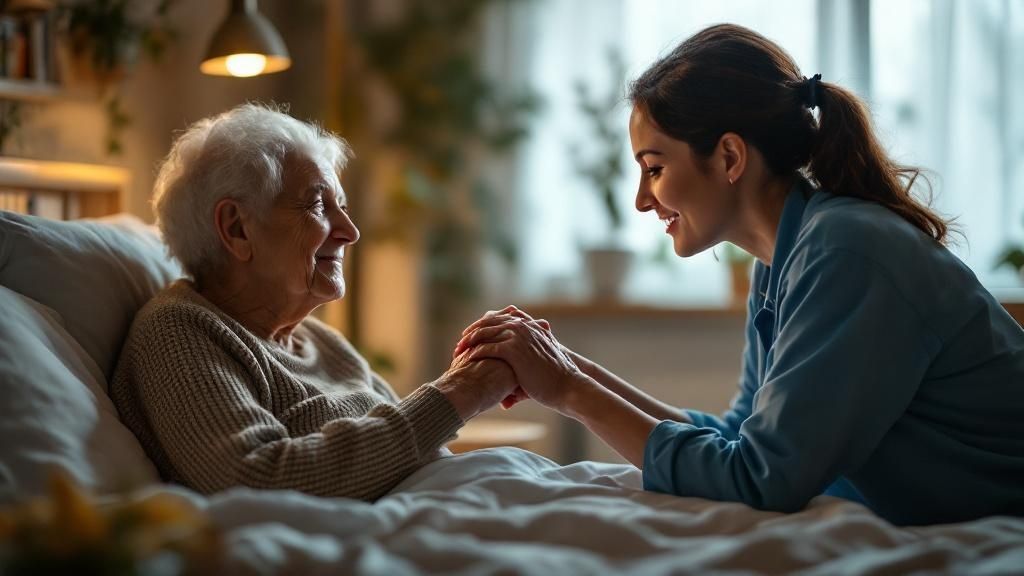
Becoming a hospice volunteer is a deep way to give back to the community. This role is all about human connection. The most powerful thing you can offer is your time.
For over 74 years, Central Coast VNA & Hospice has relied on dedicated people from our community. Our volunteers help us carry out our nonprofit mission. They are the heart of our work in Monterey County, San Benito County, Santa Cruz County, and South Santa Clara County.
More Than Just a Role
This is not just another volunteer position. It brings a unique sense of personal fulfillment. It’s a chance to make a real difference when someone needs it most.
Many of our volunteers say the experience gave them a new perspective on life. They feel more connected to their community.
Hospice volunteers are not there to add days to a person’s life, but to add life to their days. This work is about creating moments of peace, joy, and dignity for patients and their families.
Volunteering is a commitment of the heart. We make sure you feel fully prepared for this meaningful journey. You don’t need a medical background to be a great volunteer.
What truly matters is your empathy and a real desire to help others.
How We Prepare You
At Central Coast VNA & Hospice, we provide full training and support to every volunteer. Our goal is to give you the knowledge and confidence to handle situations with compassion.
This training covers everything you need to know, including:
- The philosophy of hospice care and its focus on quality of life.
- Skills for good communication and compassionate listening.
- Understanding the needs of patients and their families.
- How to maintain healthy personal boundaries for a positive experience.
You will become a valued member of our professional team. A dedicated volunteer coordinator will support you every step of the way. You can learn more about our hospice care services and the role volunteers play.
What Hospice Volunteers Actually Do

So, what does a hospice volunteer do? The role is diverse and flexible. It is about offering the gift of human connection, not medical care.
Volunteers are essential members of the care team. They bring comfort and support to families across the Central Coast.
Your role can be matched to your strengths. You might spend a quiet afternoon reading to a patient or playing a game of cards. These small moments break up a long day and bring a sense of joy.
Direct Patient and Family Support
The most common way volunteers help is by directly supporting patients and families. This work is about being present and offering practical help. It makes a real impact on someone’s quality of life.
Here are a few real-world examples:
- Companionship Visits: Sitting with a patient so their family member can take a needed break.
- Life Enrichment: Helping patients enjoy their favorite hobbies, like listening to music or looking at photo albums.
- Practical Help: Assisting with small tasks like light meal preparation or walking a pet.
Volunteers do not perform tasks that require a licensed professional. For example, personal care is always handled by a trained Hospice Aide. To learn more, see our guide on Hospice Aide responsibilities.
Administrative and Program Support
What if direct patient interaction isn't the right fit for you? There are still many important ways to help. Our operations in Monterey County and nearby areas rely on volunteers for behind-the-scenes support.
This work is just as vital to fulfilling our nonprofit mission. According to the National Hospice and Palliative Care Organization (NHPCO), about 40% of hospice volunteers nationwide provide administrative or other forms of support (NHPCO, 2021).
These other essential roles might include:
- Assisting with mailings in our office.
- Making bereavement support calls to families.
- Helping at community events to raise awareness about our continuum of care.
The table below shows the different ways you can contribute as a volunteer.
Common Hospice Volunteer Roles and Responsibilities
| Volunteer Role | Primary Focus | Example Activities |
|---|---|---|
| Direct Care Volunteer | Patient & Family Companionship | Reading aloud, playing music, light meal prep, providing respite |
| Administrative Volunteer | Office & Program Support | Answering phones, filing paperwork, preparing mailings, data entry |
| Bereavement Volunteer | Grief Support for Families | Making follow-up calls, assisting with support groups |
| Special Skills Volunteer | Using Professional Talents | Pet therapy, music therapy, massage therapy, haircutting |
| Community Outreach | Public Awareness & Events | Staffing info booths at health fairs, helping at fundraisers |
No matter which path you choose, every act makes a meaningful difference. Your time and compassion allow Central Coast VNA & Hospice to provide complete care.
Your Path to Becoming a Volunteer
Are you thinking about becoming a hospice volunteer? That's wonderful. The next step is a thoughtful and supportive process.
At Central Coast VNA & Hospice, our process is clear and welcoming. We make sure every new volunteer feels prepared from day one.
Getting Started with the Application
The journey begins when you fill out an application. This helps us understand your interests and availability. It allows us to match you with the right role.
You can find more information by exploring our hospice volunteer opportunities near me.
Once we have your application, our volunteer coordinator will contact you for an interview. This is a relaxed conversation for us to learn about you and for you to ask questions.
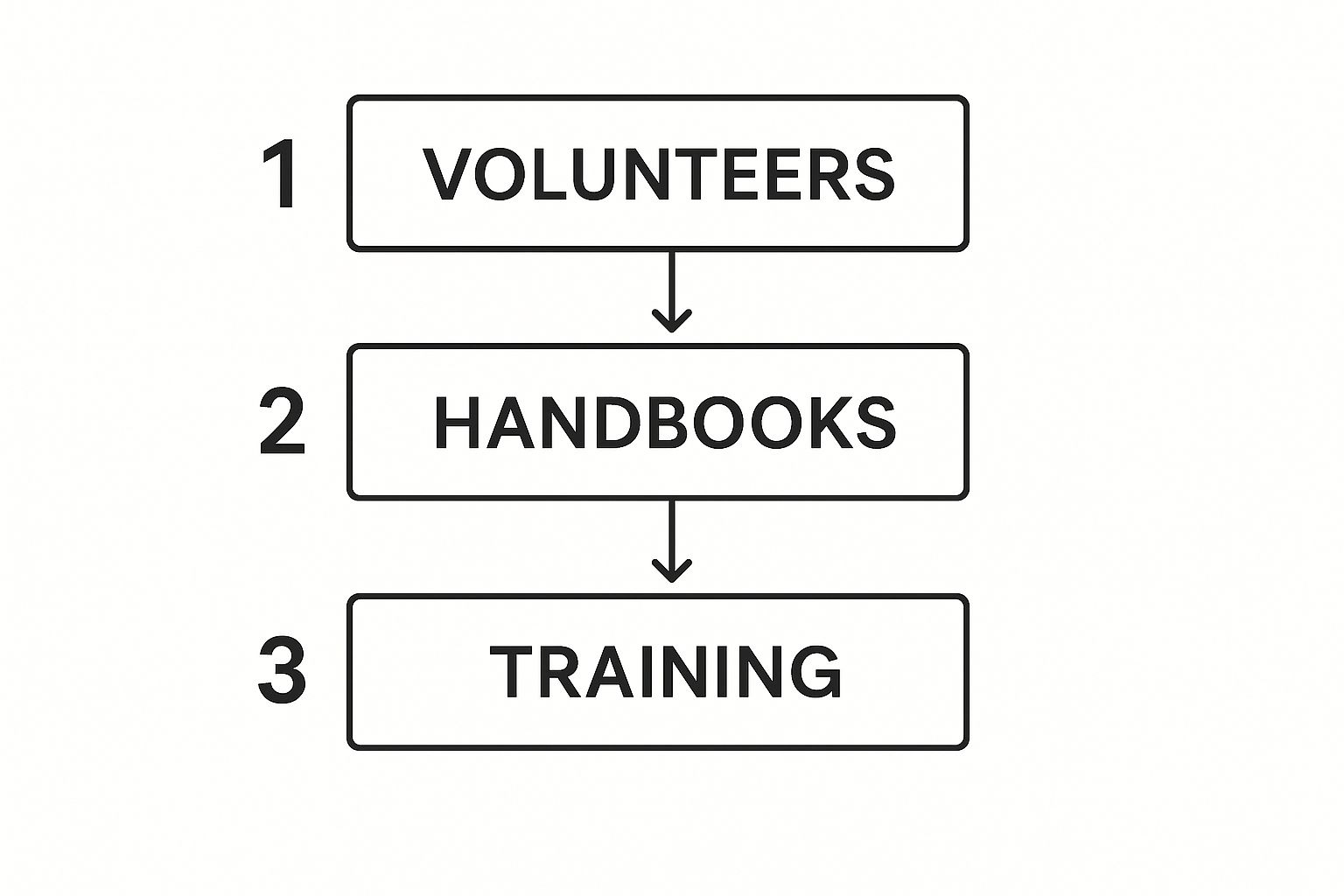
Ensuring a Safe Environment for All
To protect our patients, all volunteers go through a few standard screening steps. This is standard practice for any healthcare organization. We handle everything with confidentiality.
These safeguards include:
- A routine background check.
- A simple health screening, which usually includes a TB test.
- Proof of vaccination to protect our vulnerable patients.
These steps give patients and families peace of mind. They also protect you and your fellow team members.
The Most Important Step: Training
The final and most important part is our training program. At Central Coast VNA & Hospice, we provide all the education you'll need. You will feel confident in your role.
You do not need any medical background to be an exceptional hospice volunteer. Our training is designed for people from all walks of life—your open heart and willingness to help are the only prerequisites.
Our training covers the core philosophy of hospice care and practical communication skills. We make sure you are fully equipped before you meet a patient. This is our commitment to you and the communities we serve in Monterey, San Benito, Santa Cruz, and South Santa Clara counties.
The Training and Support You Will Receive
At Central Coast VNA & Hospice, we believe great volunteers are made, not born. We know that confident, well-supported volunteers provide the most compassionate care.
Our training is the cornerstone of our program. You are never alone on this journey. We make sure you feel prepared, making the experience rewarding for everyone.
What Our Training Covers
The training you receive is practical and empowering. We teach you the skills to connect with patients and families in a meaningful way.
Our core training modules include:
- The Hospice Philosophy: Understanding our focus on comfort, dignity, and quality of life.
- Compassionate Communication: Learning the art of active listening and being a supportive presence.
- Supporting Grieving Families: Gaining insight into the bereavement process and how to offer gentle support.
- Patient Privacy and Safety: Covering essential guidelines like HIPAA to protect patient confidentiality.
- Setting Healthy Boundaries: Learning self-care practices to make your volunteer experience positive.
This preparation is our commitment to you. We see our volunteers as valued members of our professional care team, and we invest in your success and well-being from the very beginning.
This knowledge ensures you can handle situations with grace. Learn more about our CCVNA hospice volunteer program.
Ongoing Support from Our Team
Your support system continues after training ends. You are paired with a dedicated volunteer coordinator who is your main point of contact. This person is your advocate and guide.
We provide continuous support through:
- Regular Check-ins: Your coordinator will connect with you to see how your visits are going.
- Peer Support: You’ll have chances to connect with other volunteers to share experiences.
- Continuing Education: We offer workshops and new resources to help you grow in your role.
This structure ensures you always have someone to turn to. Our nonprofit approach means we are committed to caring for everyone in our community, including our volunteers.
Take the Next Step with CCVNA
Do you want to bring comfort and dignity to someone's end-of-life journey? When you volunteer, you become a valued part of a compassionate community. You will make a real difference for families right here on the Central Coast.
Central Coast VNA & Hospice is always looking for caring people to join our mission. For over 74 years, we've been dedicated to providing exceptional care. Our volunteers are the heart of that mission.
We provide all the training and support you need to make an impact in Monterey, San Benito, Santa Cruz, or South Santa Clara County. You can learn more about Central Coast VNA & Hospice and see our commitment to the community.
Ready to see if this is the right fit for you? Contact us today to learn about current opportunities. We look forward to hearing from you.
Frequently Asked Questions (FAQs)
1. How much time do I need to commit as a hospice volunteer?
Most volunteers at Central Coast VNA & Hospice commit to a few hours each week. We work with you to find a schedule that fits your life and matches the needs of a patient and their family.
2. Do I need a medical background to volunteer for hospice?
No, a medical background is not required. Our volunteers provide companionship and emotional support, not clinical care. We provide all the necessary training to prepare you for your role.
3. What kind of training will I receive?
You will receive comprehensive training that covers the hospice philosophy, communication skills, patient privacy, and setting healthy boundaries. Our goal is to make sure you feel confident and prepared.
4. What if I'm not comfortable with direct patient visits?
That's perfectly fine. We have many volunteer opportunities that do not involve direct patient contact, such as administrative support in our offices or helping with community outreach events.
5. What areas does Central Coast VNA & Hospice serve?
As a local, nonprofit provider, we proudly serve communities throughout Monterey County, San Benito County, Santa Cruz County, and South Santa Clara County.
At Central Coast VNA & Hospice, we give you all the training and support you need to make a real difference in your community. If you’re ready to learn more, visit us at https://ccvna.com or reach out to our team today.