

The Best Ways To Stay Healthy During Summer
Summer is certainly an enjoyable season, but the hot weather and bright sunshine pose some serious health challenges. Here are some tips to help you stay healthy this summer.
Keep Your Cool
Heat-related deaths are a major concern during the summer. Plan ahead to stay cool before the dog day’s of summer begin. If you like to exercise outdoors, try working out in the early morning or early evening, when the sun’s rays are less intense. You might also consider finding a climate controlled environment for your walk. Some walking groups meet at shopping malls. At the mall, you can stay active while window shopping. During a heat wave, you should take extra precautions. If you do not have an air conditioning unit, you could check to see if your community offers a cooling center. Some local organizations will also provide fans to help beat the heat. During periods of excessive heat, make sure you check on relatives and friends to make sure they fine. You should also learn the warning signs of heat stroke or heat exhaustion. These include:
- Headache
- High Fever
- Unusual mood or behavior
- Nausea and vomiting
- Excessive sweating
- Elevated heart rate
- Panting
- Flushed skin
If you or a loved one shows sign of heat stroke, seek medical attention immediately.
Wear Sunscreen
This tip is important. Sunscreen, applied correctly and regularly, helps protect you from the sun’s bright rays. Even one blistering sunburn can increase your risks for certain kinds of skin cancers, so make sure you apply sunscreen every day. A person can get a sunburn even on a cloudy day, so it is crucial that you make sunscreen use a daily habit.
Take The Plunge
If it is just too hot for most outdoor exercises, why not visit your local pool? Swimming is an activity that can be enjoyed at any age and any fitness level. Many community pools also offer fitness classes, or you can choose to swim laps on your own. Swimming and water aerobics are enjoyable activities that can also be very beneficial to your overall health. Many people find that regular swimming helps with joint soreness and can even help increase their mobility.
Try A Sweet Treat
Although it can be tempting to stay cool by eating delicious ice cream, there are healthier choices if you are concerned about calories. A bowl of fruit is a guilt-free indulgence. Frozen juice bars are another acceptable option, as long as you select a kind that is made with real fruit juice and no additional sugar. If you just cannot ignore your ice cream craving, however, try frozen yogurt.
Stay Hydrated
During the hot summer months, hydration is crucial. However, you should avoid sugary sodas or other calorie-dense drinks. You can avoid consuming extra empty calories by making easy substitutions. For example, instead of soda, you might try calorie-free seltzer water. Some brands do contain sodium, so make sure you read the labels carefully if you need to avoid consuming much salt. Sweet iced tea is certainly tasty, but it often contains high amounts of sugar. You can better control how much sugar you are ingesting by ordering unsweetened tea and adding your own sweetener. Over time, you might even come to prefer the taste of the unsweetened version.
Enjoy Seasonal Produce
In the summer, fresh and healthy fruits and vegetables are abundant and packed with vitamins and minerals. Enjoy them while they are at the peak of ripeness. A walk around the farmer’s market can be a wonderful way to ensure that you are getting enough activity and eating well.
VNA & Hospice is dedicated to providing the highest quality healthcare to residents of the Central Coast and Monterey County. Registered nurses and skilled staff members provide many services, including senior home care, hospice health care, palliative care, orthopedic rehabilitation, and more.
Quick Links
Home Health Care
Hospice Care
- Hospice Care Services
- VNA & Hospice Volunteer Program
- Support Groups
Community Wellness
- Wellness & Immunization Services
- Employee Wellness Program
- Student Health & Consent Forms
- Travel Health & Immunization
Flu Clinic
- Flu Clinics
- Community Flu Clinics
- Immunization Clinic Registration
- Flu Clinic FAQ
- Flu Vaccine FAQ
- Flu Shot Customer Testimonials
About VNA

The Importance of Getting Vaccinated Before Traveling Abroad
Get vaccinated before heading overseas.
If you’re planning a summer vacation abroad, you probably have a long checklist of items to take care of before you leave. But amidst shopping, packing, and creating an itinerary, it’s also important to get vaccinated before heading overseas. Read on to learn more about why getting your shots before traveling to a foreign country is critical for your health.
Don't forget your Booster Shots
Diseases that are eradicated in the United States may be common in other parts of the world. While polio and measles don’t affect Americans, these vaccine-preventable diseases are still common in other parts of the world. Having any necessary booster shots before you go can help ensure that you have the antibodies to ward off any illnesses you may be exposed to in another country.
According to the Centers for Disease Control and Prevention (CDC), since measles was officially declared eradicated in the U.S. in 2000, there have been 668 people diagnosed with the disease. Most of these cases were traced to unvaccinated travelers. The CDC recommends that all teens and adults who do not demonstrate immunity receive the MMR vaccine before going abroad.
Getting the recommended vaccines is the only way to protect yourself from contracting a serious and potential fatal illness while overseas. The CDC has an online tool that tells you what vaccines you need depending on where you’re traveling and certain other criteria, including age, health status, type of travel, purpose for travel, and additional factors. The site also has travel health notices that indicate destinations for which additional disease precaution is currently recommended. You can access these resources at http://wwwnc.cdc.gov/ travel.
Most commonly, international travelers must get an MMR booster, shots protecting against tetanus/diphtheria and yellow fever if you haven’t had these vaccine within 10 years, and a polio vaccine if you are not immune. While these are the required immunizations, your doctor may also recommend that you be vaccinated against hepatitis B, rabies, hepatitis A, and typhoid. And while there’s no vaccine for malaria, the CDC recommends that travelers to Central or South America, Africa, parts of Asia, or the South Pacific take a preventive drug regimen.
To make sure you can get all your shots, it’s important to plan ahead. Gathering your vaccine records and making the necessary appointments can take time. In addition, if the vaccines you need for the country to which you’re traveling aren’t available in your local area, you may need to visit a special travel clinic. Some shots, including the vaccination for yellow fever, can be given only by a certified provider and documentation of this vaccine is necessary to enter your destination. Allow at least 4 to 6 weeks before your travel date to make sure your immunizations are up to date.
While you may not be keen to add another item to your travel to-do list, getting the recommended vaccines can save you from an unpleasant illness and the impact of the resulting treatment – not to mention ensure that you have a happy, healthy, and safe vacation.
VNA & Hospice is dedicated to providing the highest quality healthcare to residents of the Central Coast and Monterey County. Registered nurses and skilled staff members provide many services, including senior home care, hospice health care, palliative care, orthopedic rehabilitation, and more.
Quick Links
Home Health Care
Hospice Care
- Hospice Care Services
- VNA & Hospice Volunteer Program
- Support Groups
Community Wellness
- Wellness & Immunization Services
- Employee Wellness Program
- Student Health & Consent Forms
- Travel Health & Immunization
Flu Clinic
- Flu Clinics
- Community Flu Clinics
- Immunization Clinic Registration
- Flu Clinic FAQ
- Flu Vaccine FAQ
- Flu Shot Customer Testimonials
About VNA
Top 3 Benefits of Palliative Care
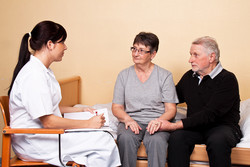
While most people think of palliative care as something only for the seriously ill, it can benefit the elderly, too. In palliative care, a specialized medical team works with the patient, caregiver, family and the patient’s doctor to develop treatments that provide symptom relief and reduce stress. Palliative care treatment doesn’t mean the same thing for everyone. It may include one or more of the following:
- massage therapy,
- exercise plan,
- special diet,
- respiratory treatments,
- physical therapy,
- mental health counseling,
- spiritual counseling, or
- other treatment, as recommended.
How It Helps Mental Outlook
Many studies examined the link between palliative care and patient outlook using cancer patients. Many of the complaints these patients had before the care program included those many elderly echo:
- lack of or reduction in physical strength,
- time spent in bed during the day,
- inability to do something they intended ir wanted to do, and
- being dependent on others.
These factors reduce their quality of life which affects their mental outlook. One study conducted in a nursing home found patients most desired physical activity even during their last three days of life. Most study participants cited a desire for increased mobility (88 percent).
The Right Exercise for You
With that in mind, and knowing that physical exercise extends long-term health and longevity, adding an exercise routine to elderly palliative care makes good sense. Doctor recommended and care giver-assisted exercise can help even those getting a late start in the exercise game. Consult your doctor to form an exercise plan that’s safe, but not too strenuous. Talk with your doctor about your interests to develop a plan you’ll enjoy. It might include walking or dancing or seated exercises. Swimming or water aerobics provide gentle, weightless exercise. You can even build a routine using Wii games.
Reap the Benefits
Of course, you’ll benefit from increased physical strength and abilities, but exercise as a part of palliative care, also provides many other benefits. One study of a group exercise program of 50 minutes of activity revealed improved emotional functioning and reduced physical fatigue. Weight-bearing exercise increases bone density which results in fracture reduction. Body fat reduction improves heart health and blood sugar levels. The improved blood flow during exercise also helps bolster mental acuity and lower dementia and Alzheimer’s risk. Finally, exercise helps alleviate depression and reduce anxiety. So, palliative care helps you reap benefits in the three important areas of:
- symptom reduction,
- physical strength, and
- mental health.
Enhance your medical treatment by including palliative care. Many insurance programs cover it. Many hospitals now offer palliative programs as an integral part of treatment. Enjoy the benefits of natural ways of alleviating pain and symptoms, and reducing stress and anxiety. Getting started is easy. Call your doctor and ask about palliative care services.
VNA & Hospice is dedicated to providing the highest quality healthcare to residents of the Central Coast and Monterey County. Registered nurses and skilled staff members provide many services, including senior home care, hospice health care, palliative care, orthopedic rehabilitation, and more.
Quick Links
Home Health Care
Hospice Care
- Hospice Care Services
- VNA & Hospice Volunteer Program
- Support Groups
Community Wellness
- Wellness & Immunization Services
- Employee Wellness Program
- Student Health & Consent Forms
- Travel Health & Immunization
Flu Clinic
- Flu Clinics
- Community Flu Clinics
- Immunization Clinic Registration
- Flu Clinic FAQ
- Flu Vaccine FAQ
- Flu Shot Customer Testimonials
About VNA

The Importance of Staying Active
While practically everyone has been told that staying active is important for the body, it’s oftentimes unclear as to how important staying active actually is to all facets of a persons health. No matter what your age is, being active drastically improves your quality of life.
Why It's So Important to Stay Active
All it takes is a mere 30 minutes of exercise every day for you to receive the benefits of an active lifestyle. Not only does regular physical lead to numerous health benefits, it also assists in reducing the risk you have of obtaining a disease or illness because of bad health. There are a myriad of benefits contributed to staying active for both mental and physical health. In regards to mental health, benefits include:
- The lessening of depression
- Improvements to mood
- Improved sleep patterns
- Reduction of stress
Though the mental benefits are oftentimes less noticeable than the physical ones, they are just as important. Some physical benefits include:
- Being able to more readily manage your weight
- Reducing the risk of slips and falls
- An increase in energy
- Feeling better in general
- Faster recovery from illness
- Stronger muscles and bones
Each of these physical benefits are particularly useful as you age, as they are essential for ensuring that the aging process goes as smoothly as possible. It’s also important to note that certain types of physical activity will provide specific benefits. For instance, in order to help make your muscles stronger, muscle-strengthening exercises are necessary.
These include everything from standard weight lifts to more strenuous push ups. All portions of your body should be worked on with these exercises. By performing stretching exercises, your body is able to become more flexible and stable, which greatly lessens the chances that you suffer from an injury. If you want your bones to become stronger, some common bone-strengthening exercises that will assist with this include jumping and running.
Problems Caused By lack of Staying Active
The importance of staying active cannot be fully understood without covering the problems that are created by a lack of physical activity. There are a variety of problems that can develop from too little exercise. In general, your health will be worse, especially as you age. This can manifest itself in any number of issues. Without exercising on a regular basis, you’re at a much higher risk of developing heart disease or Type 2 Diabetes. Both your cholesterol levels and blood pressure levels are heightened dramatically when you haven’t worked out as much as you should have. Your risk of suffering from a stroke is increased as well. This is just a small glimpse of the issues caused by a lack of staying active.
However, you should also remember that physical activity and nutrition go hand in hand. To obtain the most benefits from staying active, it’s also important that you eat well. Keeping your caloric intake in check will work in tandem with your exercise routine to give you a healthier body. As you age, your metabolism will become slower and slower. Because of this, you will need to be more active and eat less calories in order to reap the most benefits. If you exercise on a regular basis, it won’t be long until your body and mind are provided with the benefits you deserve.
VNA & Hospice is dedicated to providing the highest quality healthcare to residents of the Central Coast and Monterey County. Registered nurses and skilled staff members provide many services, including senior home care, hospice health care, palliative care, orthopedic rehabilitation, and more.
Quick Links
Home Health Care
Hospice Care
- Hospice Care Services
- VNA & Hospice Volunteer Program
- Support Groups
Community Wellness
- Wellness & Immunization Services
- Employee Wellness Program
- Student Health & Consent Forms
- Travel Health & Immunization
Flu Clinic
- Flu Clinics
- Community Flu Clinics
- Immunization Clinic Registration
- Flu Clinic FAQ
- Flu Vaccine FAQ
- Flu Shot Customer Testimonials
About VNA
Everything You Need to Know about Arthritis
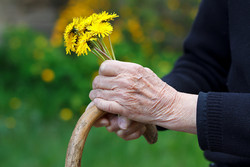
Arthritis is one of the most common medical conditions in the United States, affecting millions of Americans each year. In simple terms, arthritis is a medical condition characterized by joint pain due to inflammation of the surrounding tissue. Though anyone can develop arthritis, it is most common in the elderly and those who have had joint related injuries in the past. While arthritis cannot be cured, there are many things that people can do to reduce the impact that arthritis has on their life.
Causes
Arthritis can be caused by a variety of issues, but wear and tear from frequent use and injuries are the most common. For example, many people who do manual labor will develop arthritis in their hands, elbows or shoulders as a result of repetitive movement. Arthritis can also be caused by other medical conditions such as an infection. Rheumatoid arthritis is caused by an overactive immune system that attacks healthy tissue in the body. Arthritis is generally diagnosed without any need for medical tests, but medical testing may be completed to rule out other health problems that can cause similar symptoms.
Medical Treatment
The treatment of arthritis varies depending on its cause. The beginning treatment for arthritis that is caused by a medical condition is to address the underlying problem. For minor cases of arthritis, over the counter anti-inflammatory pain relievers such as aspirin and ibuprofen can be used to reduce the pain and swelling. For those whose symptoms cannot be managed with over the counter medications, prescription pain relievers are available. Doctors can also provide pain relieving injections into the affected joint, but these injections cannot be frequented used. Occupational therapy can also help arthritis sufferers by teaching them ways to reduce strain on their affected joints while living a normal life. In severe cases, surgical procedures can be used to help joints to work properly or to completely replace a joint with an artificial one.
Lifestyle Changes
In addition to medications and other medical treatments, a number of lifestyle changes can also have a positive impact on arthritis. Exercise and stretching can be effective for reducing arthritis symptoms. Exercise can help a person to strengthen muscles and lose weight which will both reduce the strain on a person’s joints and reduce the occurrence and severity of arthritis. Low impact aerobic activities such as swimming, riding a stationary bike or yoga can be very beneficial without placing much stress on the painful joints. Dietary changes such as reducing sodium intake and eating a balanced diet with lots of fresh foods can also reduce the symptoms of arthritis.
Mental Health
While many people overlook the mental health aspects that medical problems can cause, mental health issues often occur with those who suffer from arthritis. The pain from arthritis, as well as the social isolation that it can cause, often has a negative impact on a person’s mental health. Those suffering from arthritis, or other chronic conditions, should stay aware of their mental health and consult with a medical professional about any problems that may arise. Staying active and connected with others with help arthritis sufferers to fight off the depression and other mental health disorders that poor health can create.
Like most medical problems, arthritis can be a difficult problem to treat and correct. However, there are a number of treatment options available to help those with arthritis to live a normal and productive life. Regardless of the severity of the arthritis symptoms, a person who has arthritis needs to contact a medical professional to take action to treat his or her existing symptoms and to prevent the problems from becoming worse.
VNA & Hospice is dedicated to providing the highest quality healthcare to residents of the Central Coast and Monterey County. Registered nurses and skilled staff members provide many services, including senior home care, hospice health care, palliative care, orthopedic rehabilitation, and more.
Quick Links
Home Health Care
Hospice Care
- Hospice Care Services
- VNA & Hospice Volunteer Program
- Support Groups
Community Wellness
- Wellness & Immunization Services
- Employee Wellness Program
- Student Health & Consent Forms
- Travel Health & Immunization
Flu Clinic
- Flu Clinics
- Community Flu Clinics
- Immunization Clinic Registration
- Flu Clinic FAQ
- Flu Vaccine FAQ
- Flu Shot Customer Testimonials
About VNA
Top 5 Facts You Need to Know about Hospices
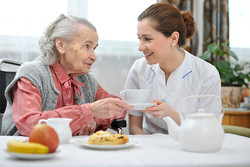
Due to misconceptions and misunderstandings about hospice care, many patients who could benefit from it don’t receive it. Hospice care provides a supportive and caring environment in which those who have a terminal illness can live out their remaining days as comfortably as possible. The care received is tailored to the wants and needs of you and your family, so one person’s hospice experience can be vastly different from another’s. Here are the five most important facts you need to know if you’re considering hospice care.
Hospice Isn't a Place
Many people believe that hospice care requires the patient to move into a designated hospice facility, but this simply isn’t true. Hospice is a type of care, not a place. You can receive hospice care wherever you call home, be it a private residence or a room or apartment within a nursing care facility or retirement community. Hospice does not require you to live in a specific place or environment. In this arrangement, care comes to you rather than asking that you come to it.
It Isn't About Giving Up
While hospice care is for those with a terminal illness, it’s not about giving up. Hospice is about giving patients the care and support they need to get the most life possible out of whatever time they have left. In fact, people who receive hospice care often live longer than those who don’t. When thinking about hospice care, many people picture patients receiving pain killing drugs in high enough doses that they simply sleep most of the time. While controlling pain is one of the many services hospice care can provide, the care focuses on getting patients the services and equipment they need to live comfortably. If you’re still feeling well enough to run a marathon or volunteer at your church, hospice is happy to help you do so.
Hospice Offers Many Types of Support
Hospice programs offer a multitude of support services to both the patient and his or her family. Support services are available to help people make end of life decisions, cope with their illness and help loved ones deal with their grief both before and after a hospice patient’s passing. Hospice provides services on an a la carte basis, providing only those service you need or want. They can provide the following and more on an as needed basis:
• Home visits from registered nurses
• Access to home health aides who can help with bathing, dressing and other tasks
• Counseling services for patients and their family
• Medical equipment, including hospital beds and oxygen tanks
• Medical supplies
• Nutritional counseling, occupational therapy and other support services
• Access to physicians and specialists
• Pain and symptom management
There is No Time Limit
It is often assumed that hospice care is only for those in the last stages of life and that care has a six month tine limit. This is a misconception. You can receive hospice care as long as you meet the qualifications. If your condition improves and you no longer meet hospice care requirements, you can leave hospice but resume care at any time if you once again meet the criteria. There is no tine limit on how long you may receive hospice services.
You Can Afford It
Hospice is covered by Medicare in 43 states, so many people qualify for care at little or no cost. Many private insurances also cover hospice services so that families need not worry about the cost. If you don’t have insurance. Medicare or Medicaid, hospice programs will sometimes provide at least some of their services for free. It’s always worth a telephone call to your local hospice care provider to find out what help may be available.
VNA & Hospice is dedicated to providing the highest quality healthcare to residents of the Central Coast and Monterey County. Registered nurses and skilled staff members provide many services, including senior home care, hospice health care, palliative care, orthopedic rehabilitation, and more.
Quick Links
Home Health Care
Hospice Care
- Hospice Care Services
- VNA & Hospice Volunteer Program
- Support Groups
Community Wellness
- Wellness & Immunization Services
- Employee Wellness Program
- Student Health & Consent Forms
- Travel Health & Immunization
Flu Clinic
- Flu Clinics
- Community Flu Clinics
- Immunization Clinic Registration
- Flu Clinic FAQ
- Flu Vaccine FAQ
- Flu Shot Customer Testimonials
About VNA
From Hospital to Home: How to Make a Smooth Transition
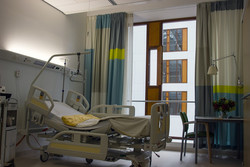
Making the transition for staying the the hospital and receiving the ok from your physician is an exciting time! With many ends to tie up and preparations to be made, here is your guide to making your transition an effortless one.
Healthcare Proxy
Another term for a healthcare proxy is a Medical Power of Attorney. This is when you designate someone to make decisions on your behalf if you have become incapacitated. The document is legally binding. It is crucial to make one as soon as possible. You will continue to make decisions for yourself as long as you are capable.
The proxy comes into play if you are no longer able to make decisions for yourself. For example, if you are terminally ill, and cannot do things like you normally do, the person designated on the proxy would take over and make the decisions for you. Another example is if you end up in a coma following an accident. The person you designate on the proxy would make all the decisions on your behalf.
Typically, when you get admitted to a hospital, the attending physician would ask for a healthcare proxy. Most people draw one up when preparing a living will. The vast majority of people do not have a living will or a health proxy. Some people have never heard of the term until the doctor first mentions it.
Preparing your Home
Depending on how severe the illness is, your caregiver will need to order some equipment and supplies. The hospital will assist you with the necessary information. If you are utilizing a home care agency, find out what type of medical equipment they provide and what you will need to pay out of pocket.
Find out if you will need equipment such as a walker, shower chair, or a commode. You will also need to know if you will have to get supplies ranging from diapers, disposable gloves, or skincare items. You will need to know if your insurance will cover any of the equipment and supplies. As a caregiver, it can get overwhelming to look after a loved one. You do not have to do it alone. .
Additionally, your home should be comfortable and safe. You will have to remove obstacles from your home that would cause falls such as a rug or electrical cords that extend across the room. Find a place where you would write relevant information for appointments such as a bulletin board, a drawer, or a notepad.
What Role Do You Play
Figure out what you will be doing for yourself and what others will be doing for you. For example, can you shower by yourself? Can you comb your hair? Will you need assistance to make the bed? Whatever you cannot do, communicate that to the hospital staff. They will, in turn, pass the information to your caregiver.
Don’t be afraid to be the best advocate for yourself!
How to Manage Medication
You will need to know what medications you will be taking and what time to take them. Also, you will need to know for how long you will take the medicine. Other information regarding your medication includes whether you should take them with meals and also knowing the side effects. You will also need to know what drug can get combined with medicines you were already taking. Furthermore, you will need to know how to manage your medication.
VNA & Hospice is dedicated to providing the highest quality healthcare to residents of the Central Coast and Monterey County. Registered nurses and skilled staff members provide many services, including senior home care, hospice health care, palliative care, orthopedic rehabilitation, and more.
Quick Links
Home Health Care
Hospice Care
- Hospice Care Services
- VNA & Hospice Volunteer Program
- Support Groups
Community Wellness
- Wellness & Immunization Services
- Employee Wellness Program
- Student Health & Consent Forms
- Travel Health & Immunization
Flu Clinic
- Flu Clinics
- Community Flu Clinics
- Immunization Clinic Registration
- Flu Clinic FAQ
- Flu Vaccine FAQ
- Flu Shot Customer Testimonials
About VNA

Why Exercise is Important, Even in Old Age
The majority of people understand that physical exercise is vital for long-term health as well as overall longevity. Unfortunately, many seniors may think that it is too late or that exercise is too strenuous or dangerous for them to take part in. No matter what physical condition you are currently in, a doctor-supervise and, if necessary, a caregiver assisted exercise regimen can always improve your quality of life.
Before You Start Exercising
Always get the OK from your physician before you begin any type of exercise. Also, engaging the help of a professional caregiver or home healthcare expert is a good idea,they can assist with encouragement and maintaining safety.
Tips for Safe and Effective Activity in Old Age
Whether you are guided by a healthcare professional or are exercising on your own, the number one rule is to say safe and not to push yourself too hard and increase the chance of health issues or injury. Also, to something that you find fun because you are more likely to continue the activity than if it is pouring or too difficult. Exercising with friends or family members is a great idea too.
Some great ideas for physical activity in the elderly include:
- Take a walk. Any period of walking instead of sitting down in the chair or lying in bed is beneficial to your physical and mental health.
- Go dancing. There is no need for tricky steps or fast-paced movements. If you love music, put on your favorite song and get up and dance.
- Seated exercises can be beneficial to seniors with mobility problems. You can move your feet, stretch, do arm exercises with or without light weights.
- Water aerobics provide a lot of fun and a great workout without putting excess strain on your joints. Many senior centers organize classes and a caregiver can assist.
- Wii or other active virtual games can get you up on your feet or even provide exercise for your body and arms as you move the controllers to go bowling, play tennis or golf, go fishing or even play carnival games in front of the TV.
Physical Benefits of Exercise in Old Age
Most people consider active exercise to be primarily about increasing physical strength and ability. The benefits of physical habits for people in their old age are many.
Increased muscle mass and tone can make mobility easier, improve balance, can ward off injuries, improve joint strength and increase independence. Any weight-bearing exercise can give a boost to bone density, reducing fractures. Reducing body fat can help maintain a healthier heart and blood sugar levels. Any exercise that increases the heart rate and makes you breathe heavier improves cardiovascular health as well.
Mental Benefits of Exercise in Old Age
Exercise in the elderly is not all about the physical benefits however. Scientific studies have clearly found a connection between physical activity, which improves blood flow and overall vigor, with greater mental acuity and lower risk for dementia and Alzheimer’s. Physical exercise can also help alleviate depression and anxiety that frequently plagues older people.
Not only does physical activity benefit the mind because of the physical changes that go on in your body, but adopting a new exercise regimen also gives your brain a workout because it engages with a new activity. When you learn a new Wii game or learn a new dance style, your brain needs to process new information. Constantly learning trying new things is great way to stay sharp.
Quick Links
Home Health Care
Hospice Care
- Hospice Care Services
- VNA & Hospice Volunteer Program
- Support Groups
Community Wellness
- Wellness & Immunization Services
- Employee Wellness Program
- Student Health & Consent Forms
- Travel Health & Immunization
Flu Clinic
- Flu Clinics
- Community Flu Clinics
- Immunization Clinic Registration
- Flu Clinic FAQ
- Flu Vaccine FAQ
- Flu Shot Customer Testimonials
About VNA

6 Easy Ways To A More Productive Morning
Many of us find it difficult to have a productive morning. It is easy to get overwhelmed with all of the things that you have to do before you even leave the house. The good news is that there are many things you can do in order to make your morning more productive. Below is a list of tips that will help:
Let Yourself Receive Adequate Amount Of Rest
You can start your morning off right by getting a good night’s rest the night before. If you get seven to nine hours of sleep per night, then you will likely wake up feeling refreshed and ready to start your day. Additionally, you will have the energy needed to get through your day if you rest.
Create A Realistic Routine And Stick To It
Mornings will be less hectic if you create a realistic routine. There are both physical and psychological benefits that you can reap from sticking to a morning routine. A study done by the American Psychological Association has shown that people who create a morning routine and stick to it are less likely to experience anxiety and depression. A morning routine can also help you lower your stress levels.
Stretch Or Meditate
You should make time in your morning routine for stretching or meditation. Both of these practices have many benefits. Stretching feels good and helps improve your flexibility. It also helps improve your balance and coordination. Meditation can help lower your blood pressure, improve your focus and boost your mood.
Eat A Large, Healthy Breakfast
It is easy to skip breakfast when you do not have a lot of time in the morning. However, eating a nutritious breakfast is one of the best things you can do in order to start your morning off the right way. It will be a lot easier for you to concentrate while you are at work or school if you eat a nutritious breakfast. You will also have an easier time getting the nutrients that you need if you eat breakfast.
Furthermore, eating breakfast can help you if you are trying to lose weight or maintain your weight. You are less likely to overeat later in the day if you eat breakfast.
Give Yourself Enough Time To Get Everything Done
Mornings can be a very busy time. In order for you to avoid rushing, you should give yourself enough time to get everything done. You may want to consider going to bed a little bit earlier so that you can get up earlier in the morning. Taking your time to complete morning activities will make your day a lot less stressful.
Stay Positive
Thinking positively sets the tone for having a good day.That is why you should start your day off by thinking positively. Do not worry about all of the things that can potentially go wrong during the day. Tell yourself that you will be able to handle whatever happens during the day. This attitude will help you stay focused on the right things.
VNA & Hospice is dedicated to providing the highest quality healthcare to residents of the Central Coast and Monterey County. Registered nurses and skilled staff members provide many services, including senior home care, hospice health care, palliative care, orthopedic rehabilitation, and more.
Quick Links
Home Health Care
Hospice Care
- Hospice Care Services
- VNA & Hospice Volunteer Program
- Support Groups
Community Wellness
- Wellness & Immunization Services
- Employee Wellness Program
- Student Health & Consent Forms
- Travel Health & Immunization
Flu Clinic
- Flu Clinics
- Community Flu Clinics
- Immunization Clinic Registration
- Flu Clinic FAQ
- Flu Vaccine FAQ
- Flu Shot Customer Testimonials
About VNA

Is Stress Limiting Your Life's Quality?
Everyone experiences stress on occasion, and a small amount of stress can be a useful motivator. However, the modern world has led many to accept increasing levels of stress as part of their day-to-day lives, and this stress can build to levels high enough to have measurable, and potentially dangerous, health effects. Here are a few ways to determine if stress is limiting your quality of life.
Poor Sleep Quality
Sleep is fundamental for both physical and mental health, and stress can significantly reduce your quality of sleep, leading to late nights and difficulty waking up in the morning. Furthermore, insufficient sleep can directly raise your level of stress, creating a dangerous cycle. Insufficient sleep can cause your performance at work to drop or even strain your relationships with others, potentially creating more sources of stress.
Other Mental Symptoms
Stress and anxiety overlap significantly, and they’re often caused by the same factors. People with underlying anxiety might find that low levels of stress make it difficult to stay focused on work or to stay productive during the day, and this poor work quality can cause more stress. Stress and anxiety can also cause or exacerbate depression, a common comorbid symptom. Getting a handle on stress can help people improve their depressive symptoms and achieve better mental health.
Personality Changes
Over time, stress can cause personality changes. Work-related anxiety might make people feel guilty about taking time to relax, potentially causing more stress. People with high levels of stress might not have the energy to go out with friends or family, which can lead to feelings of isolation. Stress can also lead to people simply being in a bad mood more frequently, which can strain relationships. Better managing stress can lead to a more positive outlook and higher energy levels.
Physical Effects
While it’s widely known that stress affects the mind, its physical effects are often ignored. Stress has been linked to cardiovascular problems , and people with existing cardiovascular problems might have more difficult keeping these problems under control. Stress can also lead to lower energy levels, which can lead to a lower quality of life. It can be more difficult to exercise when your levels of stress are high, and a lack of exercise can cause a host of physical problems.
Lowered Expectations
Many people experiencing high levels of stress come to view it as normal; without expert help, many people are simply unable to take the steps needed to break out of stress-causing cycles. As a result, people sometimes develop a more limited view of how much they should expect out of life and stop taking steps to combat their stress.
As sinister as stress can be, there are a number of ways to combat it. Stress is unavoidable, but learning how to best deal with it can make it a rare, transient feeling instead of a chronic pressure that can affect nearly all parts of our lives.
VNA & Hospice is dedicated to providing the highest quality healthcare to residents of the Central Coast and Monterey County. Registered nurses and skilled staff members provide many services, including senior home care, hospice health care, palliative care, orthopedic rehabilitation, and more.
Quick Links
Home Health Care
Hospice Care
- Hospice Care Services
- VNA & Hospice Volunteer Program
- Support Groups
Community Wellness
Flu Clinic
- Flu Clinics
- Community Flu Clinics
- Immunization Clinic Registration
- Flu Vaccine FAQ
- Flu Shot Customer Testimonials
About VNA